Buy a coffee and receive tokens to use artificial intelligence. Pay with a credit card and accumulate them as if they were airline miles. Contract a telephone rate that, together with mobile data, includes millions of tokens. Or finish eating some dumplings and receive computing power to “feed” an AI agent.
Tokens are beginning to leave the strictly technological field in China to enter everyday consumption dynamics. Financial companies, telecommunications operators, restaurants, cafes and e-commerce platforms are experimenting with them as an incentive to attract customers or increase their loyalty, according to reports. Rest of World.
Companies are experimenting with tokens as an incentive to attract customers or increase loyalty
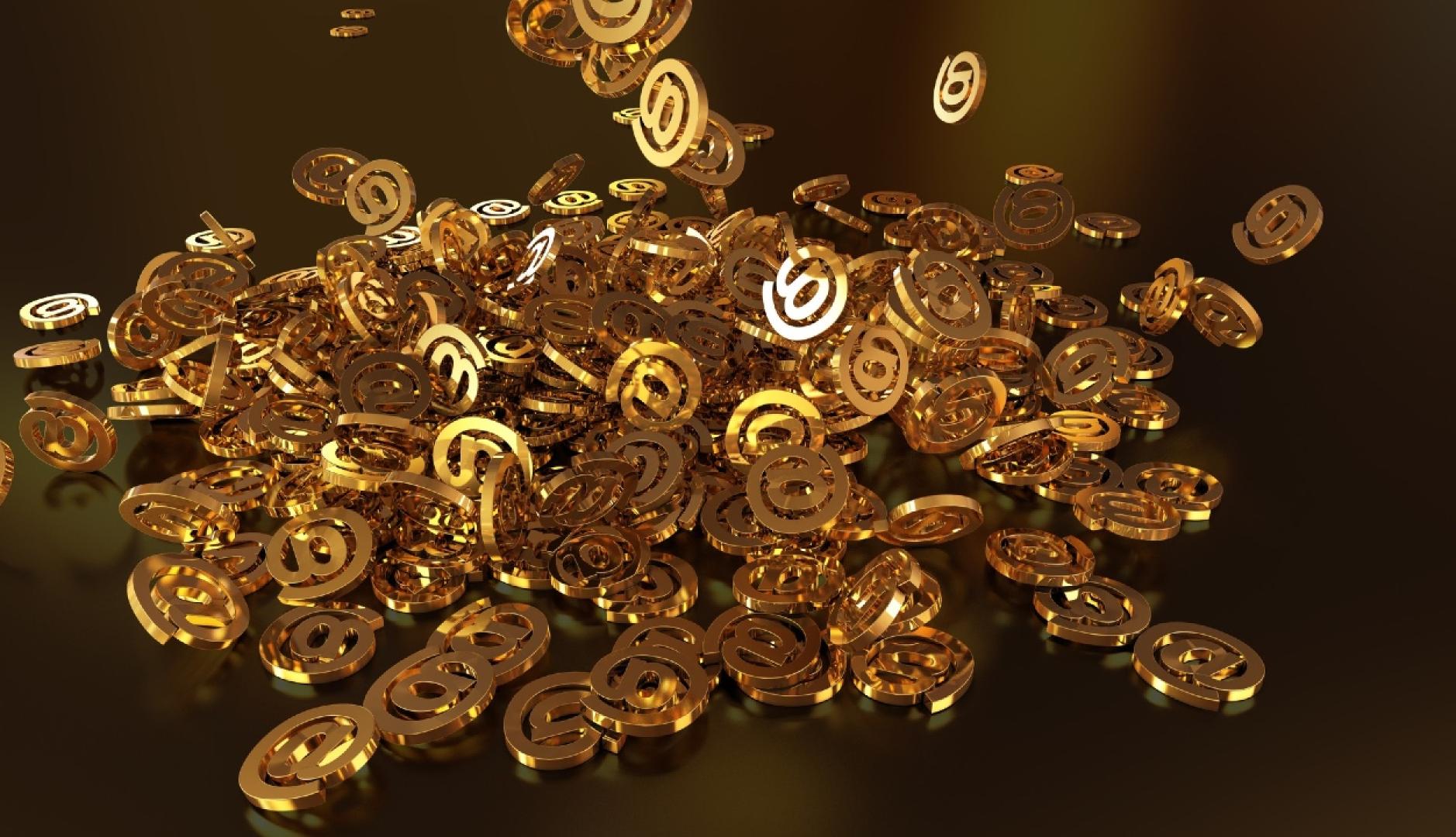
The change is significant because until recently the token was a practically invisible unit for the consumer. Simplifying, it is a small unit of information that artificial intelligence models process to interpret a request and generate a response. Its consumption determines, therefore, part of the cost of using these systems.
But the expansion of AI is greatly increasing its circulation. China consumed around 100 billion tokens daily at the beginning of 2024 and by mid-2026 the figure had already reached 500 billion.
From airline miles to artificial intelligence tokens
One of the most striking examples is in credit cards. The Chinese startup Moonshot AI launched in July, together with Agricultural Bank of China and American Express, a card linked to its Kimi model. Users receive tokens, plus agent and scheduling fees, based on their spending, following a logic similar to traditional points, miles, or cashback programs.
It is not an isolated case. China Merchants Bank launched a card aimed at AI developers in June that offered new customers up to 1.8 billion tokens to use MiniMax models. Shanghai Pudong Development Bank has raised a similar proposal with up to 3 billion tokens for Alibaba’s Qwen models.
The operators are also transferring to computing a model that the consumer already knows perfectly well: buying tokens like someone who buys gigabytes of data. China Telecom offers plans from 9.9 yuan per month – around $1.40 – for 10 million tokens and has a platform from which to access 142 major models. China Mobile and China Unicom also offer packages with different amounts of tokens.
Some properties offer AI access as an incentive similar to free Wi-Fi
Free tokens with a coffee or after eating
The phenomenon is even reaching the hospitality industry. Some establishments have begun offering access to artificial intelligence as an incentive similar to free Wi-Fi.
At the AGI Bar in Beijing, aimed especially at programmers and technology entrepreneurs, buying a drink and connecting to the network allows unlimited access to DeepSeek V4 Flash, running locally on an Nvidia DGX Spark station.
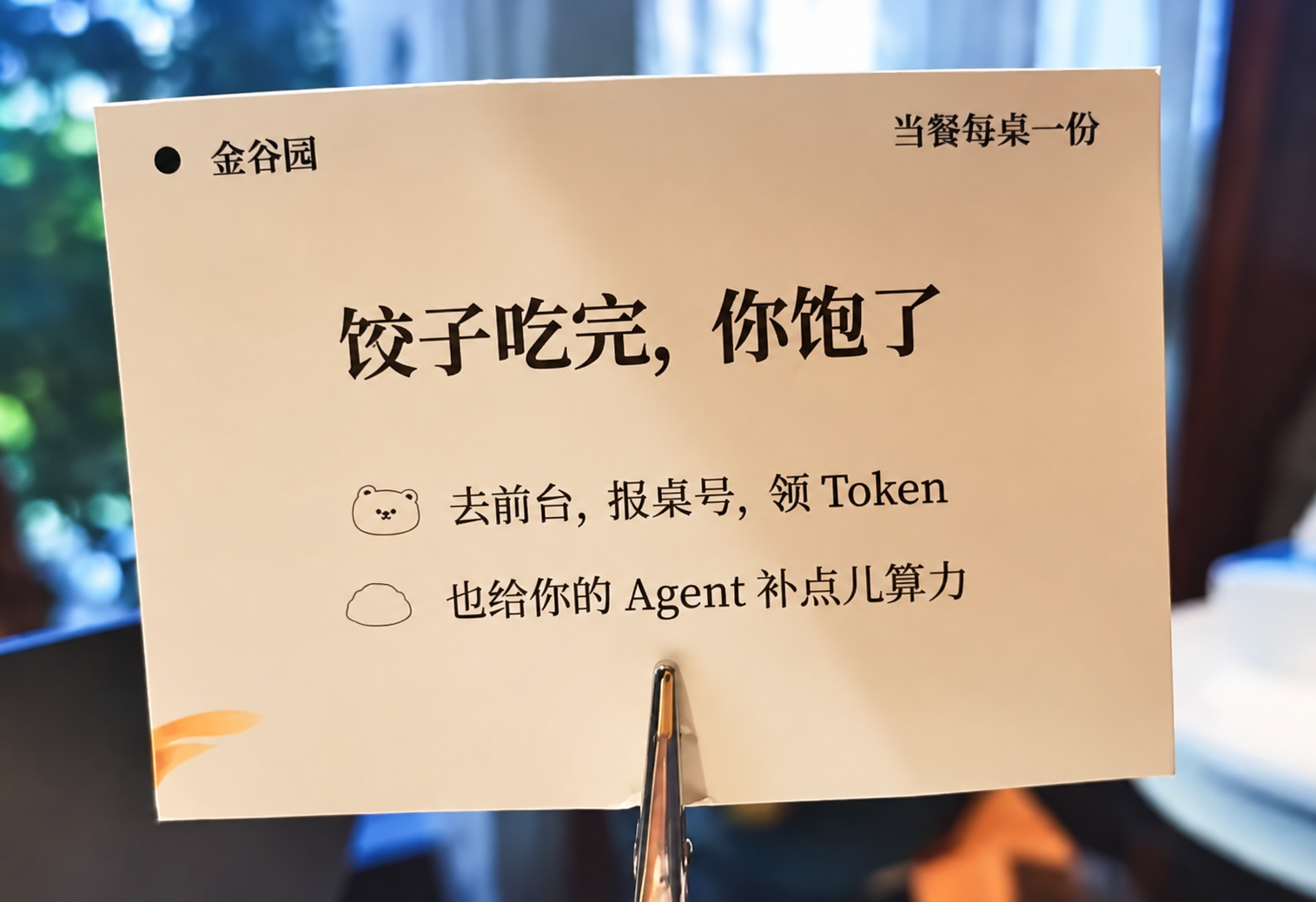
More peculiar is the case of the Jingu Yuan dumpling restaurant, also in Beijing. After eating, your customers can receive computing credits worth 10 yuan. The establishment itself plays with the concept on the cards placed on the tables: once the customer is fed, they can collect tokens in the box to also feed their AI agent. Its two establishments are handing out more than one hundred vouchers daily.
Tokens have also reached electronic commerce. On Xianyu, the second-hand platform owned by Alibaba, there are sellers who offer access to AI models through packages of millions of tokens, daily passes or monthly subscriptions. Some even try to take advantage of the difference between official prices and free or discounted access obtained through other means to resell capacity.
The Chinese experiment goes even beyond consumption. In Guangzhou’s Haizhu district, a financial product called “token lending” has been launched, through which entities such as Bank of China, China CITIC Bank and Bank of Guangzhou can take into account an AI startup’s token production and consumption to determine how much money to lend it.
Behind all these initiatives there is also a particularity of the Chinese market. The open and open weight models developed in the country may result, according to Rest of Worldbetween 60% and 90% cheaper than comparable US models from OpenAI and Anthropic in certain cases. The drop in price makes it easier for companies to experiment with computing as a promotional product.
The trend connects with another phenomenon that is already changing the perception of these units in Silicon Valley: the so-called “tokenmaxxing”. Companies and technology managers have begun to raise the consumption of tokens as an indicator of AI adoption and even as a resource that can be part of workers’ compensation.
Jensen Huang, CEO of Nvidia, proposed this year that engineers could have AI credits annually equivalent to approximately half their salary, under the logic that greater computing capacity can multiply their productivity.
China is now taking that transformation to another terrain. The token begins to acquire some of the attributes that loyalty points, miles, gigabytes of data or telephone minutes have had for decades: it is packaged, given away, accumulated associated with consumption and used to incentivize certain behaviors.
It remains to be seen whether consumers will come to understand how much ten million or one billion tokens are really worth, and whether that computing power will become as intuitive as more mobile data. But the experiment points out a relevant change: as artificial intelligence becomes integrated into everyday life, its basic unit of consumption also begins to look for a place in the everyday economy.