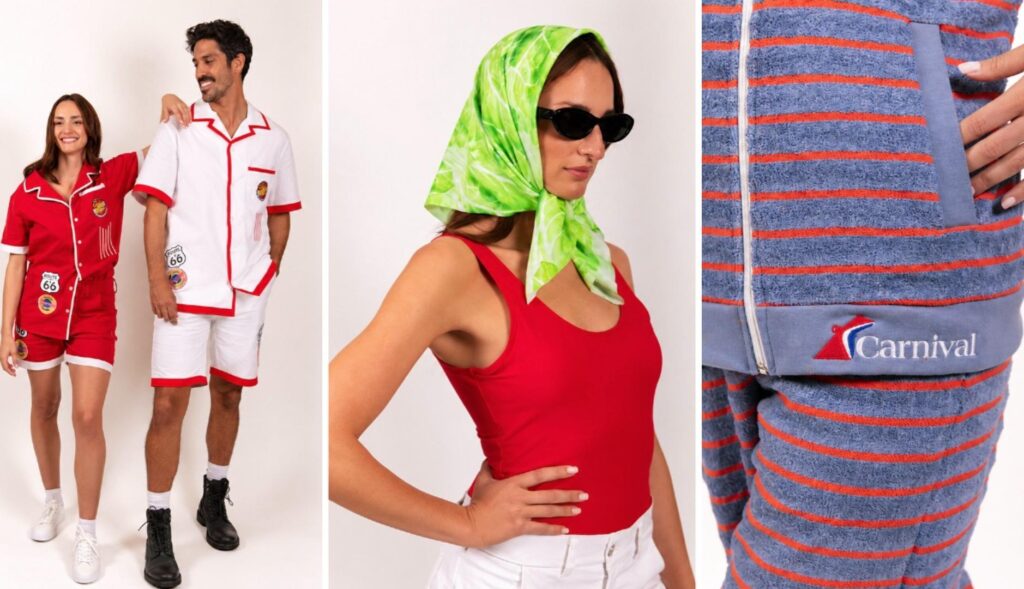
Expanding the audience and increasing sales have traditionally been the motivations that have led brands to opt for alliances and cobranding. But now, in a more complex and volatile market, collaborations take on a more strategic role: a brand can associate with another to enter a community with which it has no contact, to acquire cultural codes that it does not possess, gain credibility in a different category, innovate in products or services, and especially, enhance cultural relevance.
Cobranding is not a new practice, but it has experienced a boom in recent years among a less loyal, but more informed and up-to-date consumer. Sectors such as technology, fashion, entertainment or food have made alliances between brands, with influencers and content creators or entities, one of the pillars of their business.
Cobranding allows you to boost notoriety in specific communities or innovate in a product
The Crocs footwear brand, which has established partnerships with Xbox, Pringles and McDonald’s, among many others, to boost its notoriety among specific communities, is an example of this. So is KFC Spain, which has strengthened collaboration in recent years, working with brands such as Grefusa, Fiesta or Licor del Polo, to periodically include new products in its menu.
A brand alliance involves betting on the audience, values or positioning of another, and therefore requires an in-depth analysis of its history, attributes, market position and consumer base to guarantee that cobranding will provide positive results for both parties. Choosing the right partner requires staying on top of trends and having deep knowledge gained through experience, but it also means backing up those intuitions with data.
There are various elements and indicators that advertisers can pay attention to when looking for partners for a collaboration, which must respond to both the objectives sought with the alliance and the results, both quantitative and qualitative, that are expected from it. The research firm Morning Consult has prepared a guide in which it proposes different approaches in which to support alliances, tips for working on them, as well as examples based on the evaluations of more than 3,000 American consumers.
Analyze the interest of the customer base
One of the options when analyzing possible partners for cobranding is to study which brands best adapt to the customer base. To do this, it is convenient to classify potential collaborators based on the appreciation that customers feel for them compared to the average consumer. In this way, partners who were not initially considered can be discovered.
It can also be done the other way around, that is, analyze
Morning Consult’s guide conducts a practical exercise with Hulu, ranking brands based on the most favorable perception that users have of the platform compared to the average consumer. The analysis indicates that Hulu’s audience finds correlations in the field of video games, with brands such as Epic Games; food delivery at home, with brands such as Grubhub or Target Same Day; or subscription multimedia content (The New York TimesAudible).
In this regard, it suggests the possibility that the platform would have of establishing a package to enjoy at home with a home delivery platform, a combined video game offer or a joint subscription.
This approach could include, for example, the recent partnership between Starbucks and Schweppes for the launch of a range of beverages. coffee tonic and that responds, among other things, to the interest of its consumers. The mixture of coffee and tonic in recent years, as shown on social networks, which collect hundreds of videos about recipes and best practices for making the drink, and also from consumers who request both products, especially Schweppes tonic, in establishments to try the combination.
Establish a target audience
Choosing the audience you want to reach, whether by demographic, behavioral or attitudinal profile, is also another strategy that can be adopted to promote cobranding. In this case, alliance planning should begin with the audience you want to reach, not with which brand. It will also be necessary to measure the affinity of that audience with potential collaborating brands, and compare it with the average consumer to reveal which alliance would be the most efficient.
In this case, the report analyzes the perception of Hispanic generation z users about brands, compared to the average American adult. He points out that affinity is found in content platforms (TikTok, with 57 preference points compared to 24 among all adults), traditional brands (Jarritos, with 49 preference points compared to 21 for the average consumer) or food brands with a strong cultural presence, such as Wingstop.
Under this approach, the collaboration promoted in the summer of last year between La Casera and the Lefties clothing brand could have been developed, whose main intention was to transmit iconicity and also freshness to continue connecting with new generations of consumers.


Find common ground
Cobranding does not necessarily have to seek to expand the audience, it can also be aimed at strengthening the connection with the public and vindicating the personality, values and positioning of the advertiser. To do this, it is worth analyzing the users of two brands to discover shared traits and where a collaboration has a receptive audience. This will also allow you to identify where the profiles are divided to consider what each party can gain from the other, and also what should be taken into account to avoid possible mismatches.
Morning Consult has analyzed the similarities between Liquid Death and Crocs, considering them two brands with a strong history in cobranding and irreverent, digitally native marketing. He notes that they show a natural synergy in the millennial and Generation Z user base, while they diverge in terms of gender. This could provide opportunities for growth, although he cautions that Liquid Death’s more male-centric brand image may not connect as widely with Crocs’ less male audience.
The recently announced alliance between the designer baby stroller brand Bugaboo and the fashion brand Stella McCartney could be placed under this approach, since both are located in the premium segment and their customer base includes those with a shared philosophy around conscious design, personal expression and innovation in comfort and convenience.


Global reputation assessment
For collaborations between brands with an international presence or cobranding with a global reach, it is advisable to understand how a brand’s users perceive a potential partner in other markets, preferably focusing on a specific audience profile. And a relatively positive reading in one country may be less favorable in another.
The report has compared the perception of Adidas with the audience at the Soccer World Cup. For example, Brazil and Mexico appear as those with the highest proportion of tournament spectators, but with low or medium preference for the brand. On the other hand, Germany has an average audience for the competition, but a high preference for the brand.
It is advisable to pay attention to issues such as the customer profile, the feelings that the brand awakens or how its reputation has evolved.
Assess the risks of the association
Properly analyzing potential collaborators is critical to avoid risks. In this sense, it is advisable to pay attention to issues such as the profile of your customers, the feelings that the brand awakens or how its reputation has evolved and how it behaves under pressure. This will help determine the possible negative impact of an alliance or if previous controversies left their mark on the brand.
On this occasion, the firm has focused on the crisis that American Eagle went through as a result of its “Sydney Sweeney Has Great Jeans” campaign, starring the popular actress Sydney Sweeney. He says negative conversation about the brand increased slightly during the episode and the months immediately following, but has remained neutral since. Nor does it seem to have substantially altered its perception among users, depending on their political inclination. Thus, the brand has maintained a slightly higher preference among Republicans (44%) than among Democrats (36%), although the difference is greater than that seen in similar brands, such as Abercrombie & Fitch or Gap.
Compare directly from potential partners
If doubts arise between two potential collaborating brands in the same category, it is advisable to make a direct comparison to establish what each one brings to the collaboration that can be beneficial for the other party. You can focus on different aspects, be it reach, user profile or audience affinity.
Morning Consult’s analysis has considered the Stanley and Owala water bottle brands. The first is known among 77% of the American public, compared to 32% of the second, almost half of Stanley’s consumers are over 45 years old; and is preferred among college graduates or health-conscious adults. Owala, for its part, has a younger audience and has a preference for households with children.
This is the approach Crocs could have taken when selecting the different brands it has partnered with over the years. And the brand has collaborated with different Kellogg’s products, such as Froot Loops or Frosted Flakes; or different entertainment sagas, such as Star Wars or Marvel, both owned by Disney.
The analysis of sponsorships
As a form of partnership, sponsorships are among the most valuable opportunities in this sector. Events such as music festivals or competitions such as sports leagues present interesting options to achieve strategic objectives in various dimensions, such as strengthening among an existing audience or expanding towards key target audiences.
The firm has analyzed the fan bases of eight different competitions with Nike clients, comparing the audience of generation Z, early technology adopters, or incomes over $100,000. The NBA leads in all the attributes analyzed. It should be remembered that the brand and the basketball league maintain a collaboration that in 2024 was renewed until 2037.
Nike finds growth opportunities in a possible collaboration with FIFA, which stands out in the early adoption of technology (27 points), or with the MLS, which leads in revenue.