The Volkswagen group has not yet made a concrete decision regarding the future of Seat and contemplates several scenarios beyond 2030. “Depending on how regulations, customer demand and market conditions evolve, the continuity of the brand will be assessed.”, the company explained in a statement.
The statement came on Friday after the German press reported that the automobile group was planning the end of the Seat brand, after almost 80 years of history. According to the magazine Wirtschafts Wochethe insignia of Spanish origin would disappear in 2029.
In this regard, the company has spoken out, pointing out that the Seat brand continues to be an important part of Seat SA, which includes Cupra, a brand that was launched in 2018 and has dominated the company’s production and marketing efforts since then. As stated in the statement, the Seat brand has a product roadmap for the coming years.
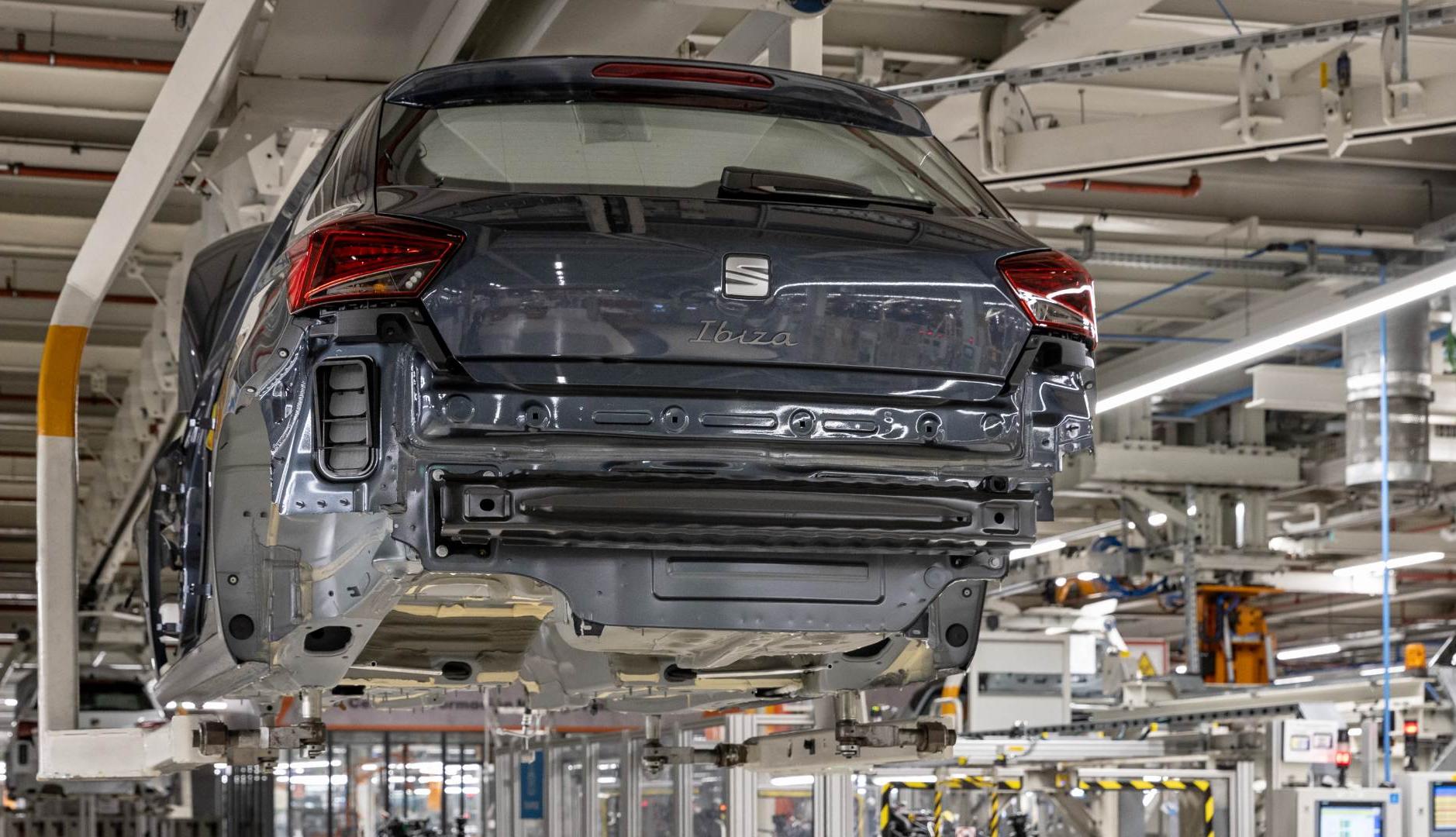
Seat’s roadmap includes the launch and update of the Ibiza and Arona models
Thus, it will continue with the product launches and updates already planned, including the mild-hybrid versions of the Ibiza and Arona models scheduled for 2027. However, it warns that beyond the current product cycle, the future of the Seat brand continues to be analyzed.
“In the current context, with increasingly demanding regulation, the cost of electrification and the investment necessary to develop a new generation of electric models, make this analysis to continue investing in the Seat brand increasingly complex.“, the company points out. And it links its future to various factors: the evolution of regulation, customer demand and market conditions.
“Seat has an important role to play in the future of the Volkswagen Group. The company has demonstrated its capacity for transformation, with a solid industrial base in Martorell and the unstoppable growth of Cupra“, commented Oliver Blume, CEO of the Volkswagen Group, in the statement. “We are committed to continuing to build on this foundation and create the conditions for Seat SA and Cupra to continue growing and contributing to the success of the Group.”.
The company considers it necessary to maintain flexibility in an industry whose regulatory, technological and competitive conditions change rapidly. He cites the transition towards electric mobility, which has 2035 as the border to end the manufacture of 90% of combustion cars; the increasingly demanding regulation on CO₂ emissions, or the intensification of competition, with the emergence of Asian brands as the greatest exponent.
Cupra, engine of growth
As for the future, the company is committed to continuing to support Seat customers and fulfill its commitments, regardless of the scenario that ultimately materializes. Likewise, he assures that his intention is to reinforce the role of the Seat company within the Volkswagen group, and maintain Cupra as the main engine of growth.
According to the statement, since its launch, Cupra has delivered more than one million vehicles, and has launched eight models in eight years. The brand aims to achieve a market share of 3% in Europe, supported by the continuous renewal of its product range and greater international expansion. Cupra plans to enter the Middle East in the second half of 2027, and has plans to enter the United States.
The company has also taken the opportunity to remember the commitment made in 2022 with the investment of 10,000 million euros to accelerate electrification in Spain. These funds are being allocated to the transformation of the Martorell plant and the production of Cupra electric cars. He hopes that this could even generate an increase in employment in the coming years.
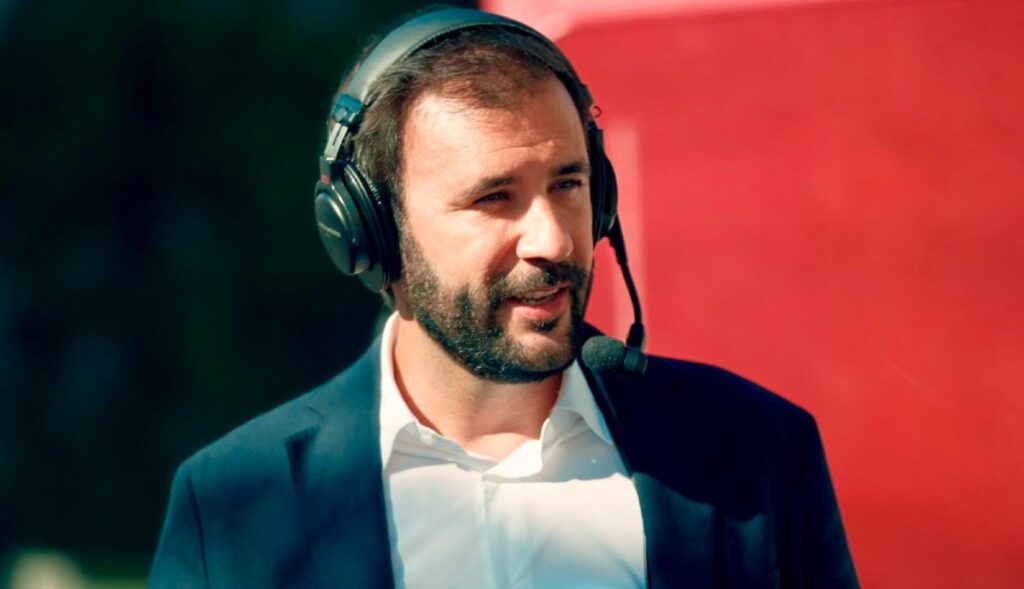
“The priority has always been clear: ensuring the future of the company and quality employment for the next generations. Seat SA is not a single brand. It is a company that has Seat and Cupra, a strategic industrial footprint and an increasingly important role within the Volkswagen Group“said Matías Carnero, President of the Intercenter Committee of Seat SA and member of the Supervisory Board of Volkswagen AG. “Transformation is never easy, but if it brings investment, more responsibility and growth to Martorell, it can also create new opportunities for our people”.
However, Volkswagen is already working on the so-called “Future Plan 2030”, which involves, among other things, cutting 50,000 jobs and analyzing four production plants in Germany, those in Emden, Zwickau, Hannover and Neckarsulm.