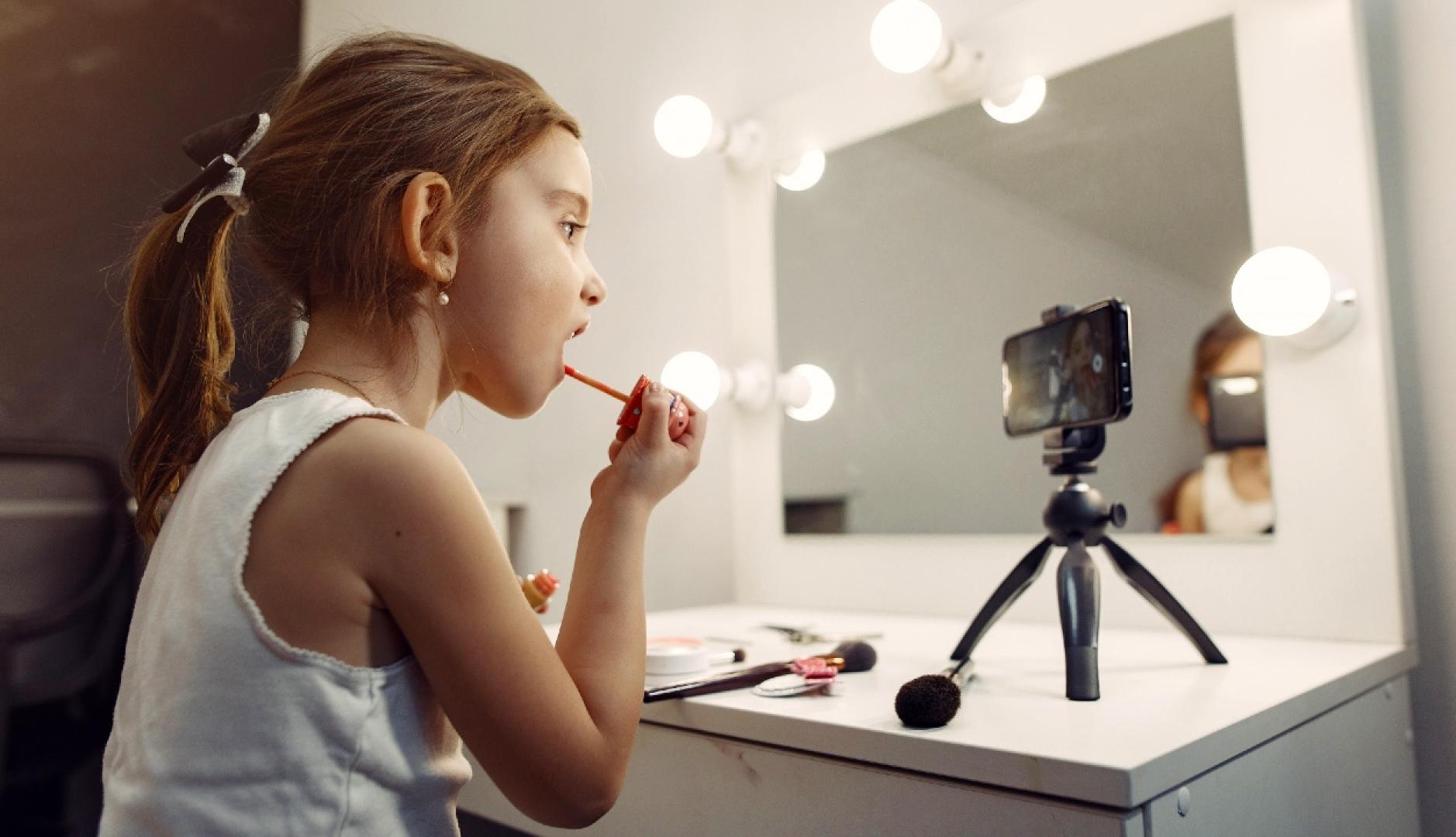
The Italian Competition and Market Guarantee Authority (AGCM) has opened an investigation against Sephora and Benefit Cosmetics for possible unfair commercial practices related to the promotion of cosmetic products to minors. The focus is on the use of considered marketing strategies “particularly insidious”which would have encouraged the consumption of treatments designed for adults – including antiaging products – in children even under 10 years of age.
The Italian authority maintains that the brands may not have clearly communicated that these products are not intended for minors, and that, on the contrary, they would have encouraged their purchase through covert marketing dynamics supported by young micro-influencers. The investigation includes inspections at the companies’ Italian headquarters, with the participation of the Guardia di Finanza, and focuses on possible omissions or misleading presentation of key warnings about the use of cosmetics.
The case is part of the rise of the phenomenon known as “cosmeticorexia”a growing obsession with skin care among minors that is being amplified by social networks. Platforms such as Instagram or TikTok have popularized content under labels such as “Sephora kids”, where children share skincare routines or show purchased products, normalizing practices typical of adult consumers.
Both the AGCM and medical organizations have warned of the risks associated with this premature consumption. Frequent and combined use of unsuitable cosmetics can cause irritation, allergic reactions and even permanent skin damage. In this context, the regulator questions not only product communication, but the influence model itself that drives its adoption.
LVMH has indicated that it will fully collaborate with the investigation, although it has avoided making additional assessments. The case opens a broader debate about the limits of marketing in sensitive categories, especially when it targets, directly or indirectly, vulnerable audiences.
The case occurs in a context in which the industry itself is beginning to review its practices due to the rise of the phenomenon known as “Sephora kids” and the growing interest of Generation Alpha in skin care. Some companies have already reacted by redefining their policies. L’Oréal, for example, has reinforced its positioning with the message “Kids should be kids”, remembering that minors do not need anti-aging products and limiting both product development and communication aimed at this audience. Along the same lines, Dove has promoted campaigns to warn about the aesthetic pressure that girls and adolescents receive through social networks.
This shift also responds to a market reality: spending on beauty among those under 15 years of age is growing steadily, driven by the influence of content creators and the normalization of adult routines. However, dermatologists and experts warn of the risks associated with premature use of certain ingredients, which places brands in a growing tension between commercial opportunity and responsibility. In this scenario, the debate involves how to build value in the category without contributing to consumption dynamics that can be harmful to especially vulnerable audiences.