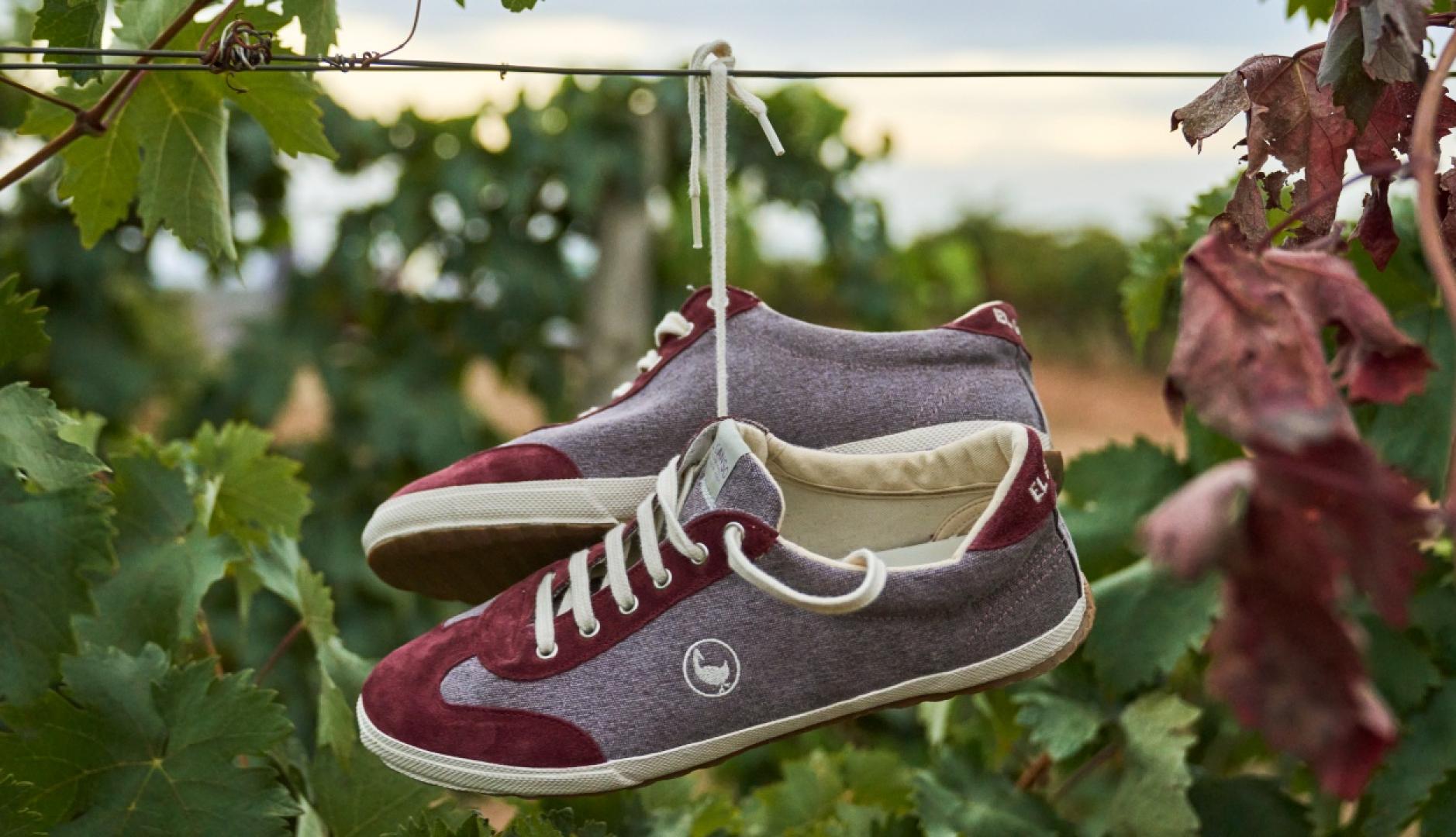
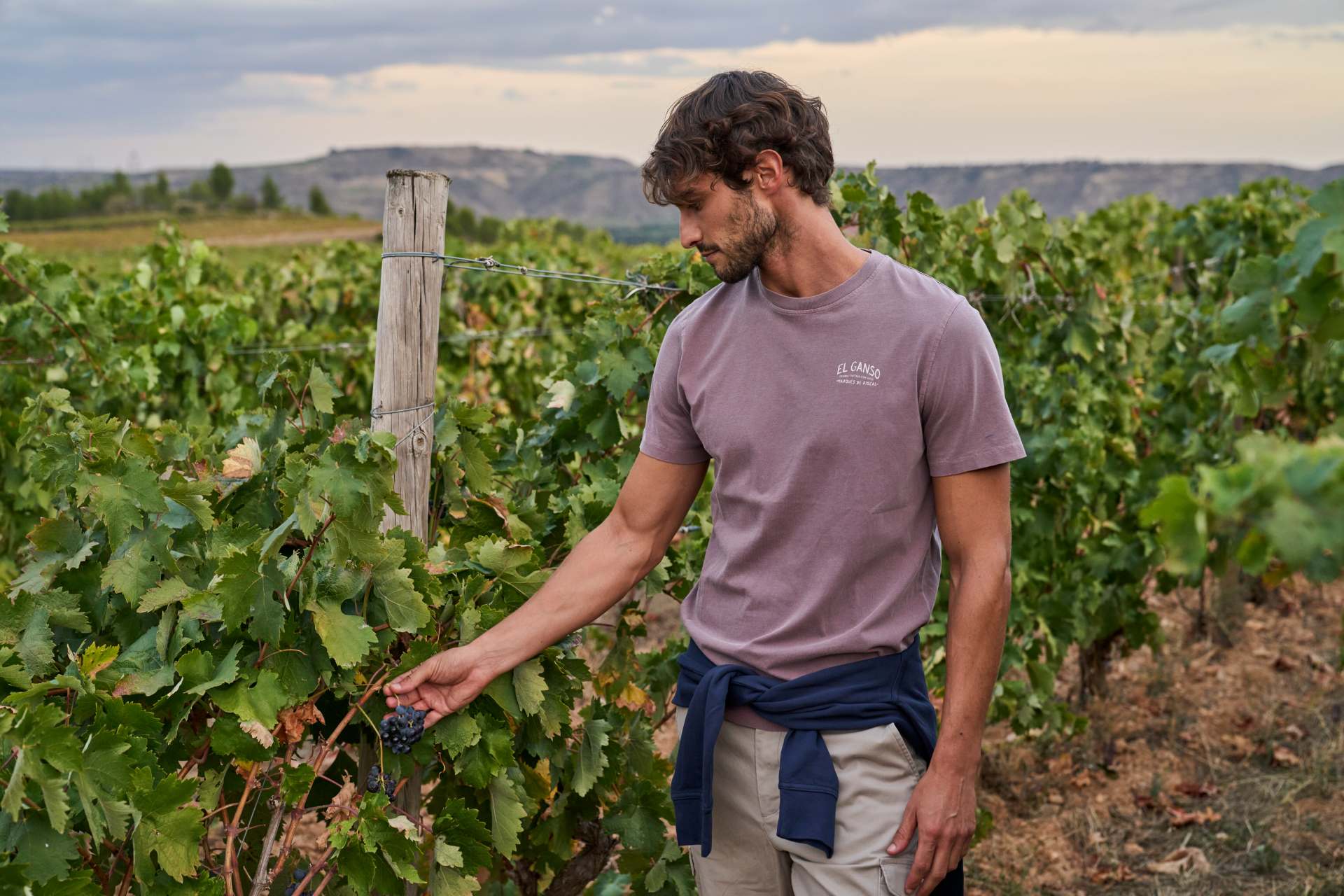
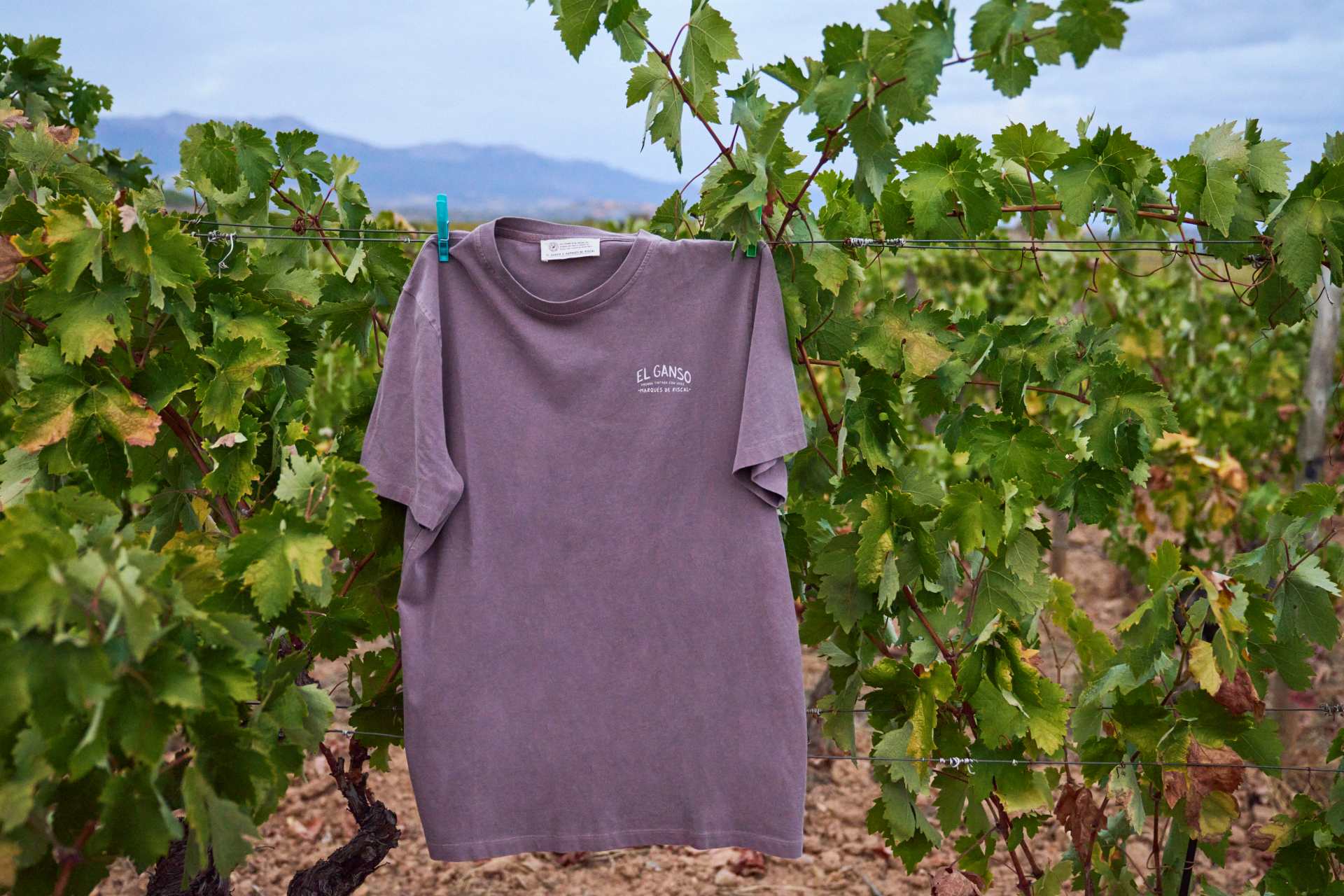
The fashion brand El Ganso and the Marqués de Riscal wineries have joined forces in a capsule collection of clothing and accessories that gives a second life to crop waste. The fabrics of the garments have been dyed using a natural pigment from the lees of wine from last year’s harvest.
The collaboration is born, as the brands explain in a statement, from a shared philosophy around innovation, tradition and the exploration of new forms of design. Also the search for more sustainable and environmentally friendly production systems. The result is a new way of giving color to garments that transfers the winemaking process to fashion.
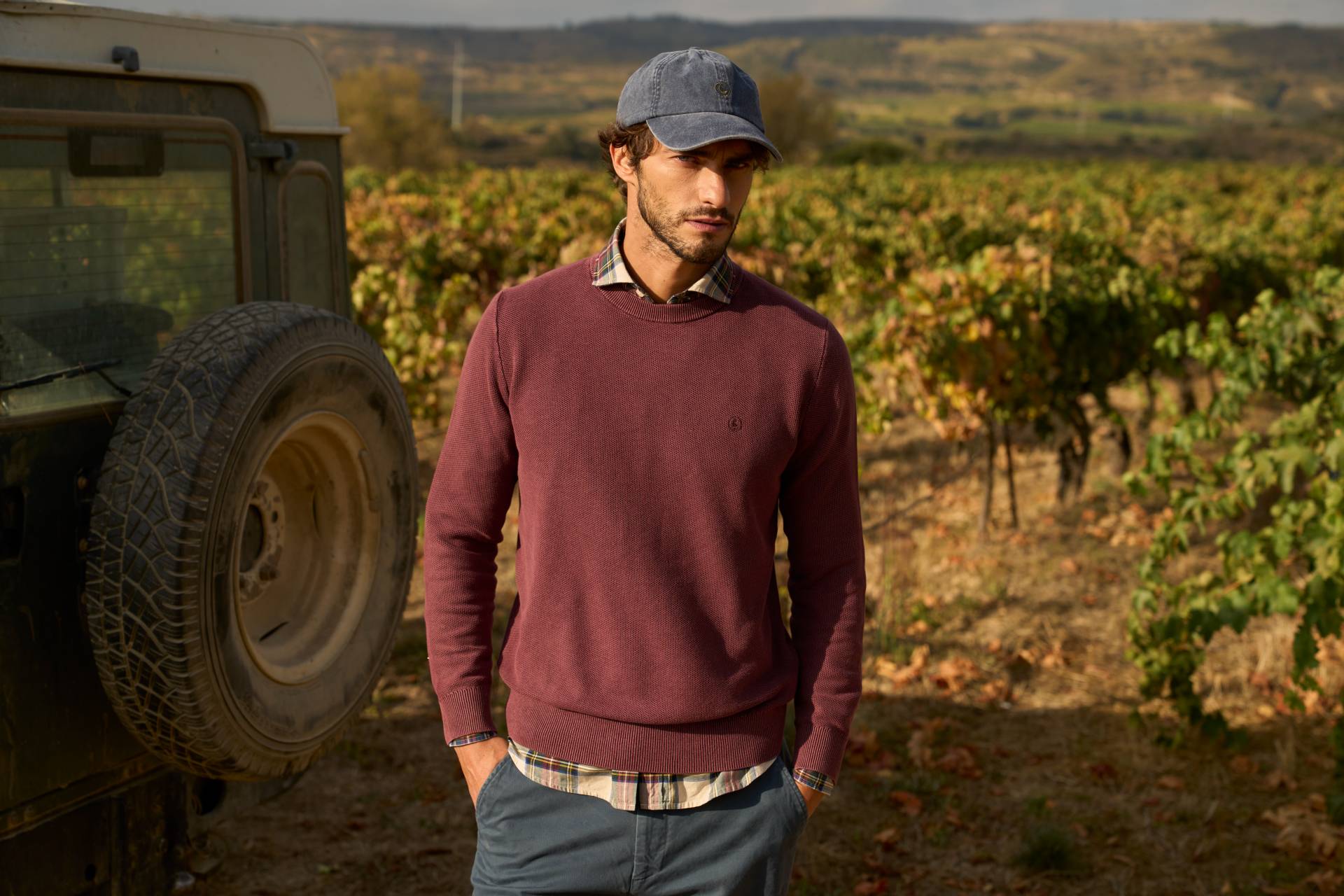
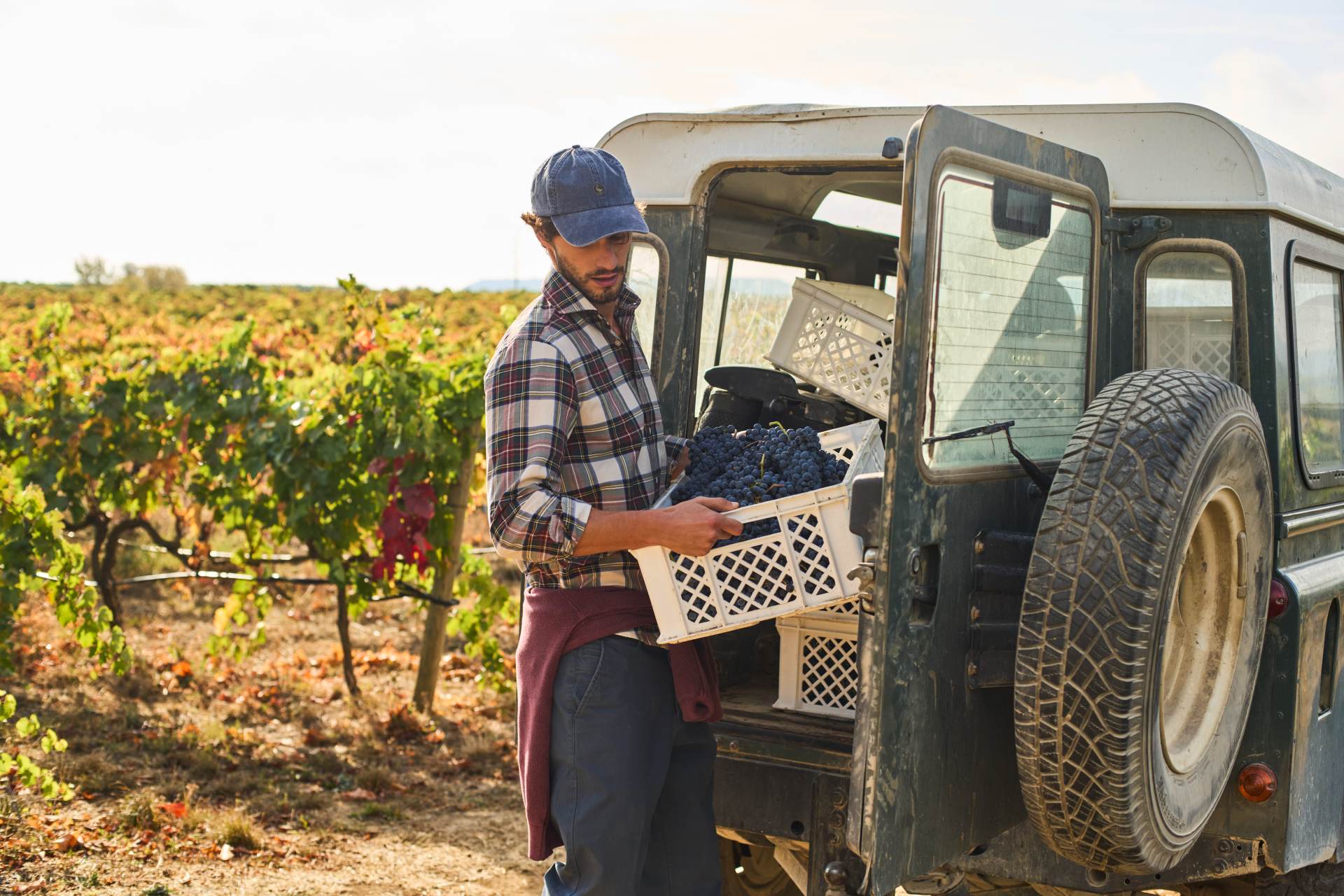
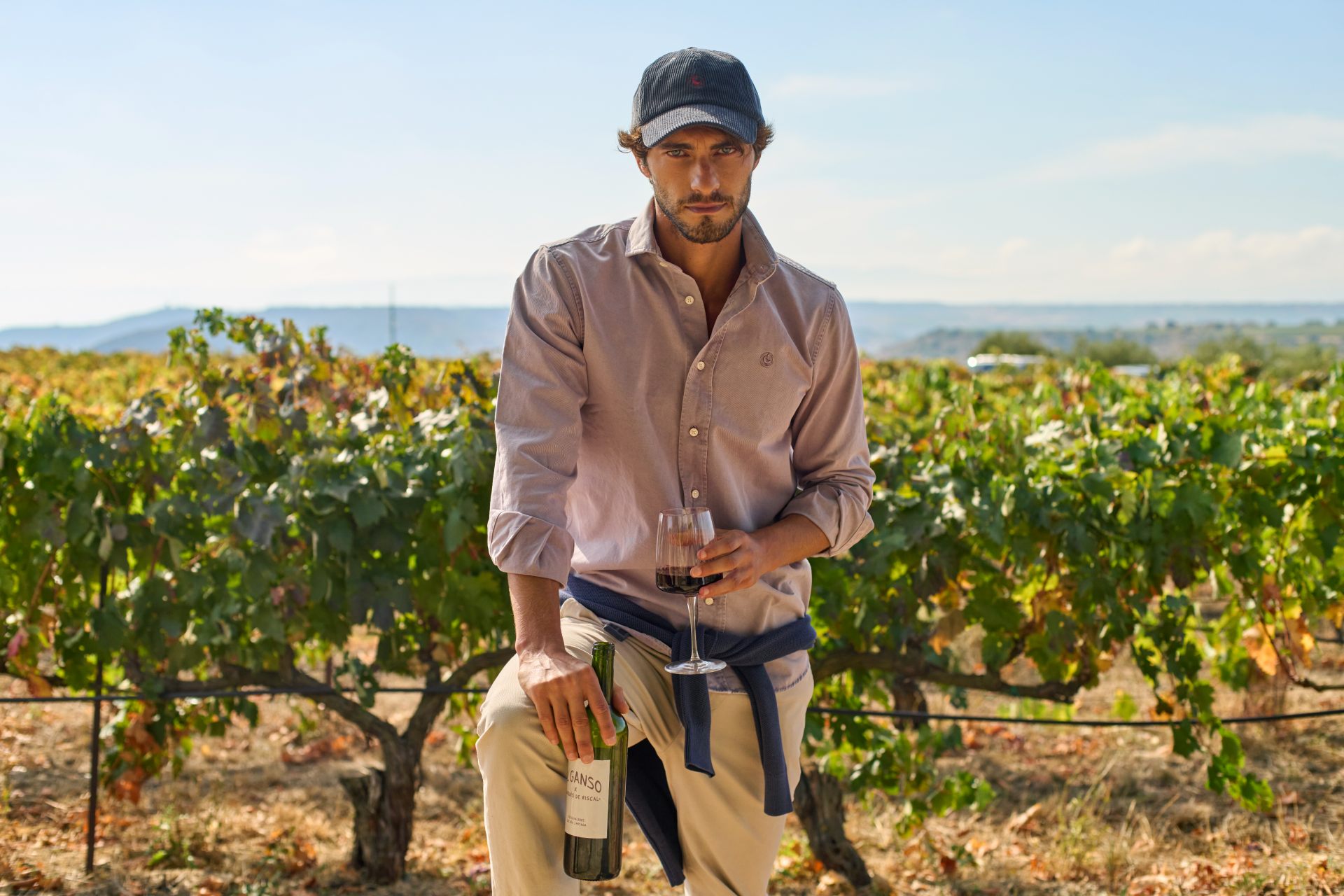
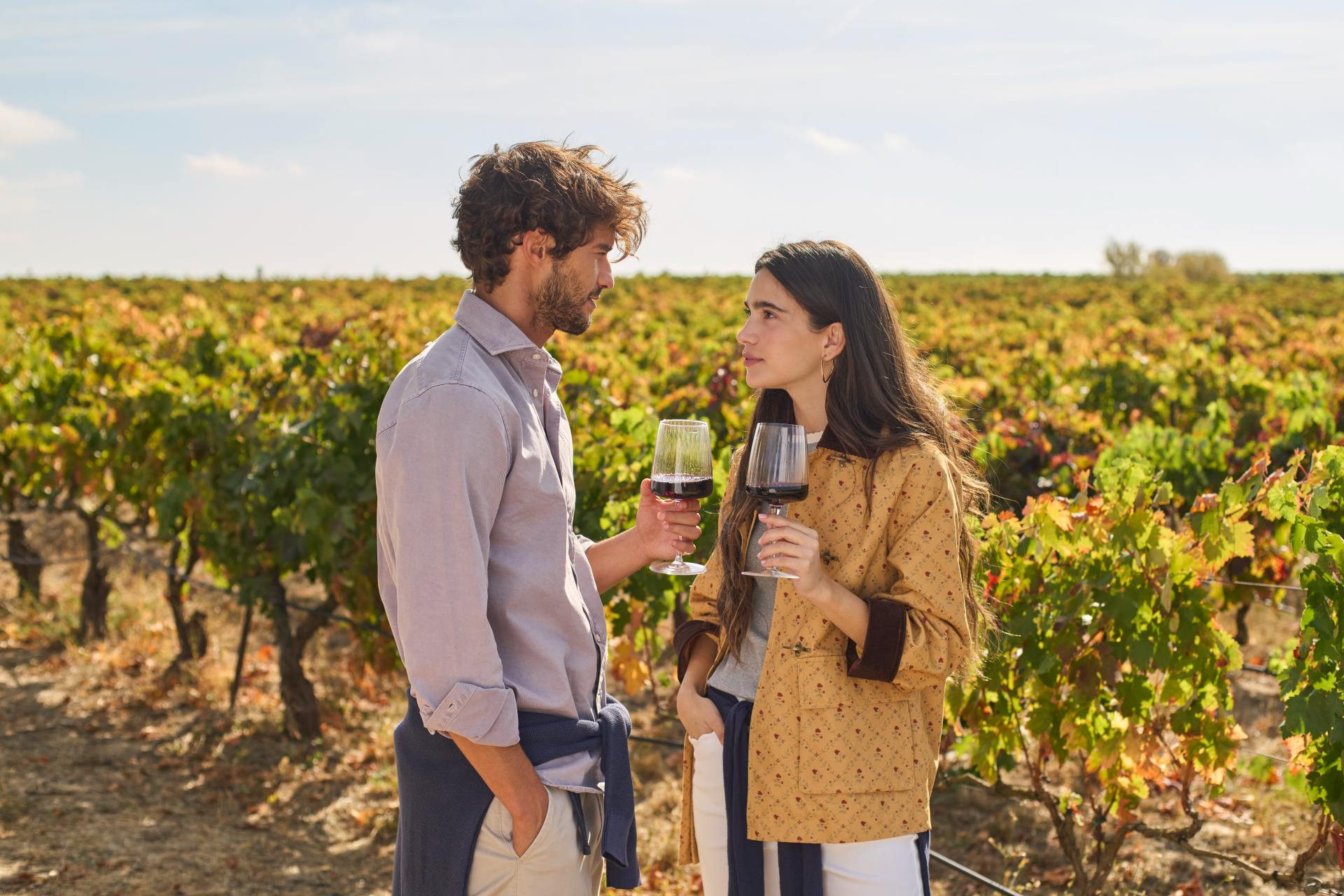
The initiative is born from the idea that fashion should be more than just clothes. “We like to create collections with personality, that tell stories and that surprise“, explains Álvaro Cebrián, Founder of El Ganso, in statements to reason.Why. “Therefore, when the opportunity to collaborate with Marqués de Riscal arose, we were clear that we wanted to go one step further and develop a project that united innovation, sustainability and product. A meaningful collaboration, capable of connecting two industries as different as fashion and wine”.
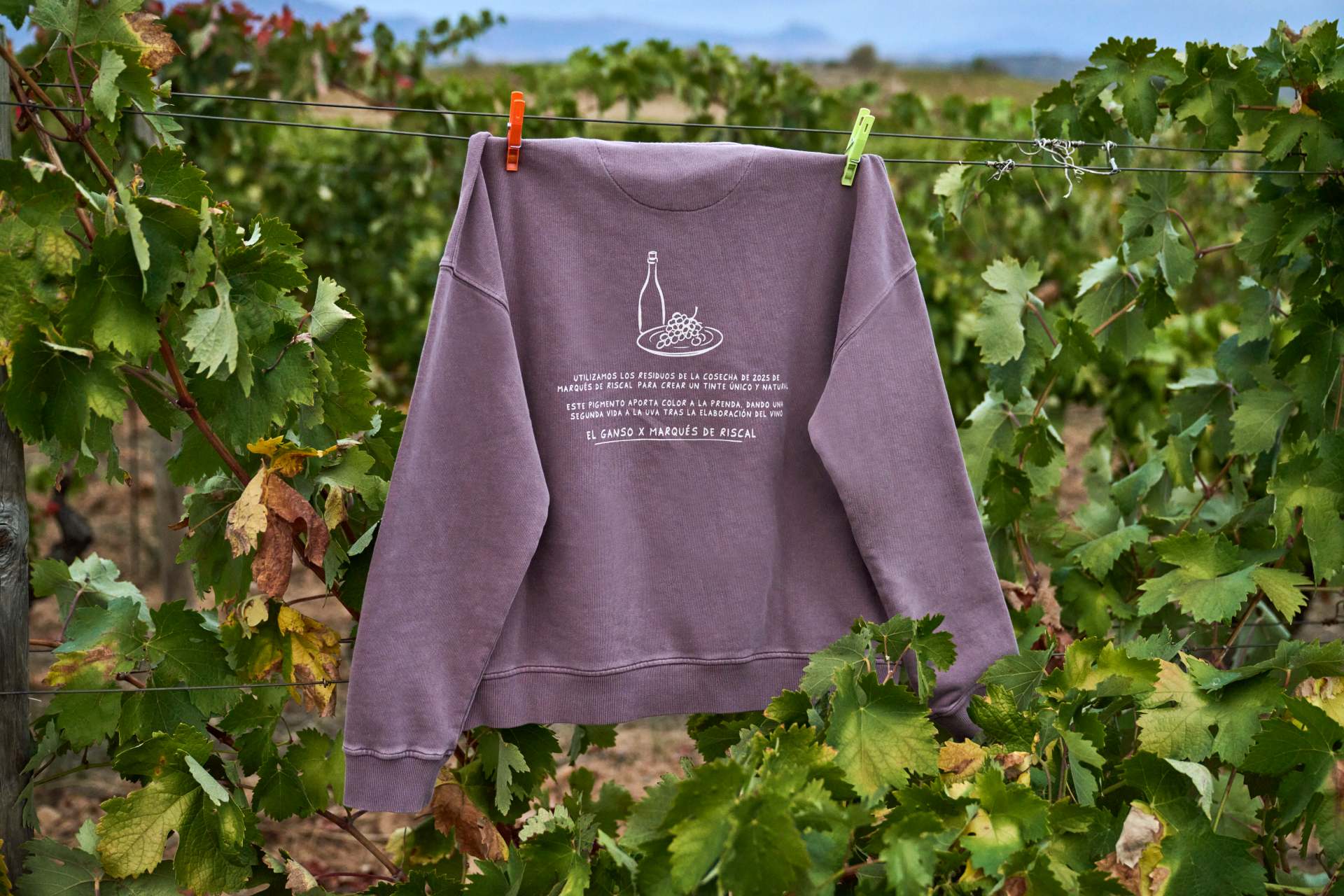
The project has been worked on with Eyand, a company specialized in the design and manufacture of ecological fabrics, which has transformed the lees – the sediments that accumulate in the barrels during fermentation – into a natural pigment. The process, the result of several months of research and development, thus reuses a material that is usually discarded.
The limited edition collection is made up of a total of 10 pieces for both men and women, including t-shirts, sweatshirts, shirts, sneakers, caps and tote bags. The origin of the pigment can be seen both in the color of the garments and in the messages they carry. Some pieces include the logos of both brands on the front, and a text explanation on the back.
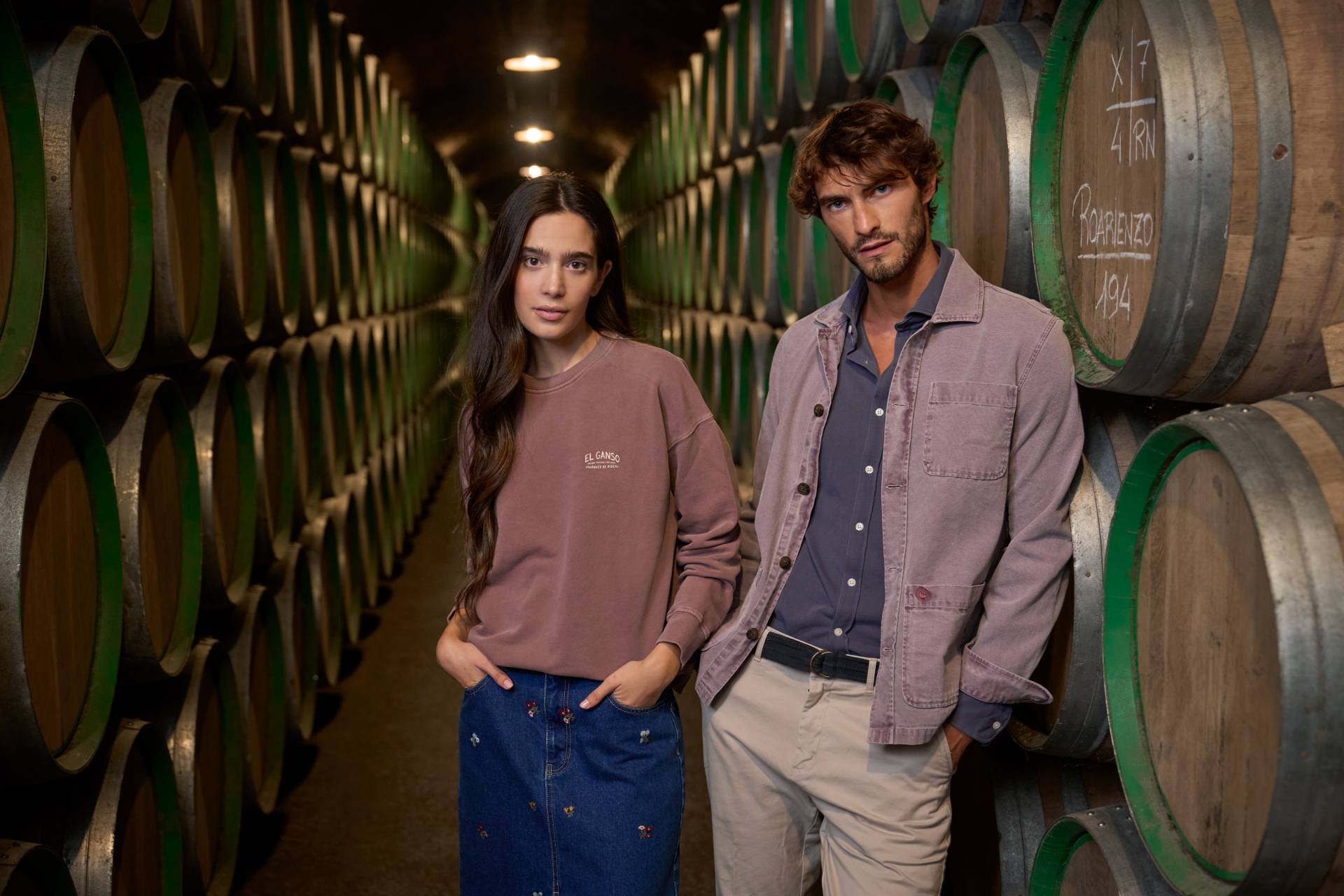
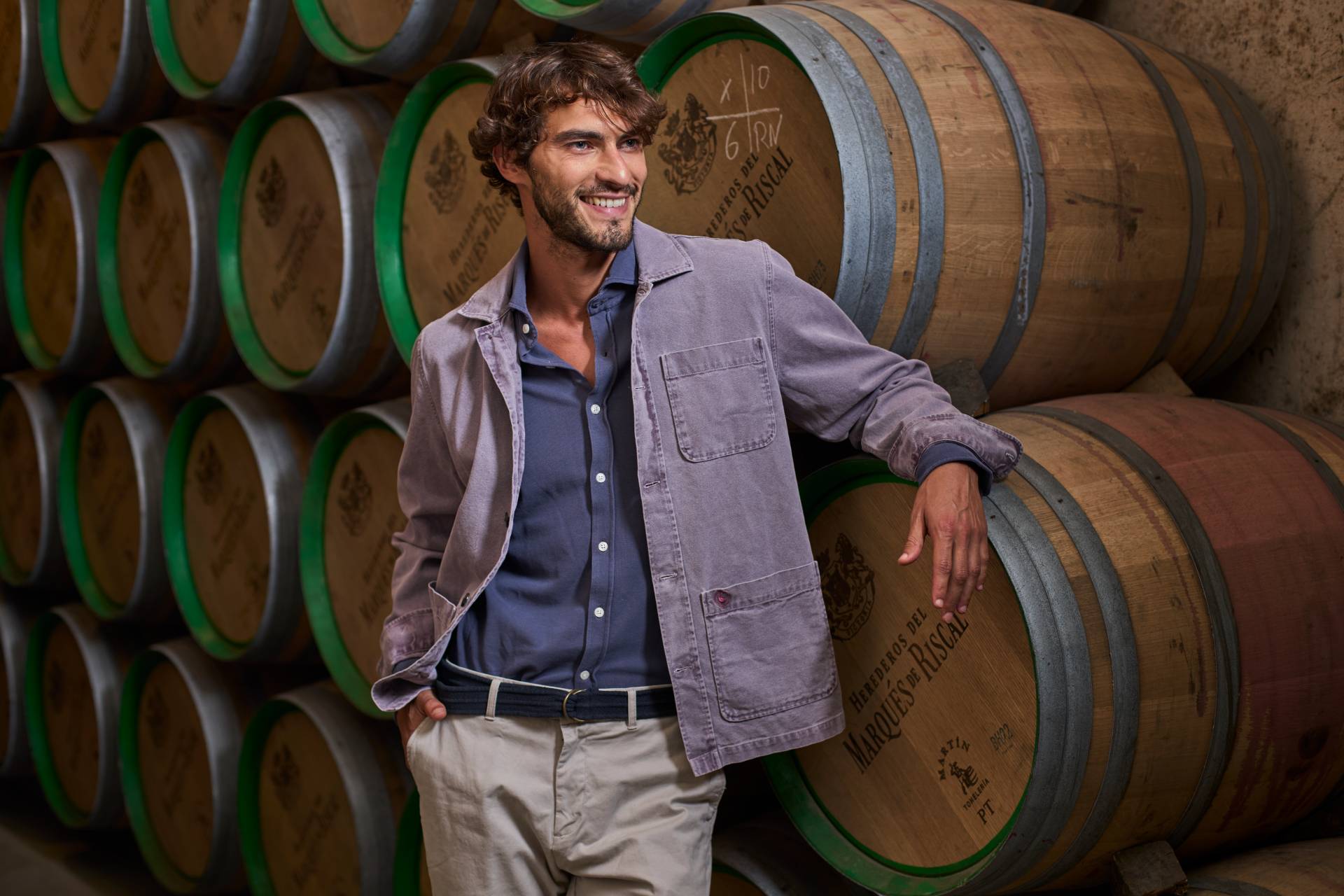
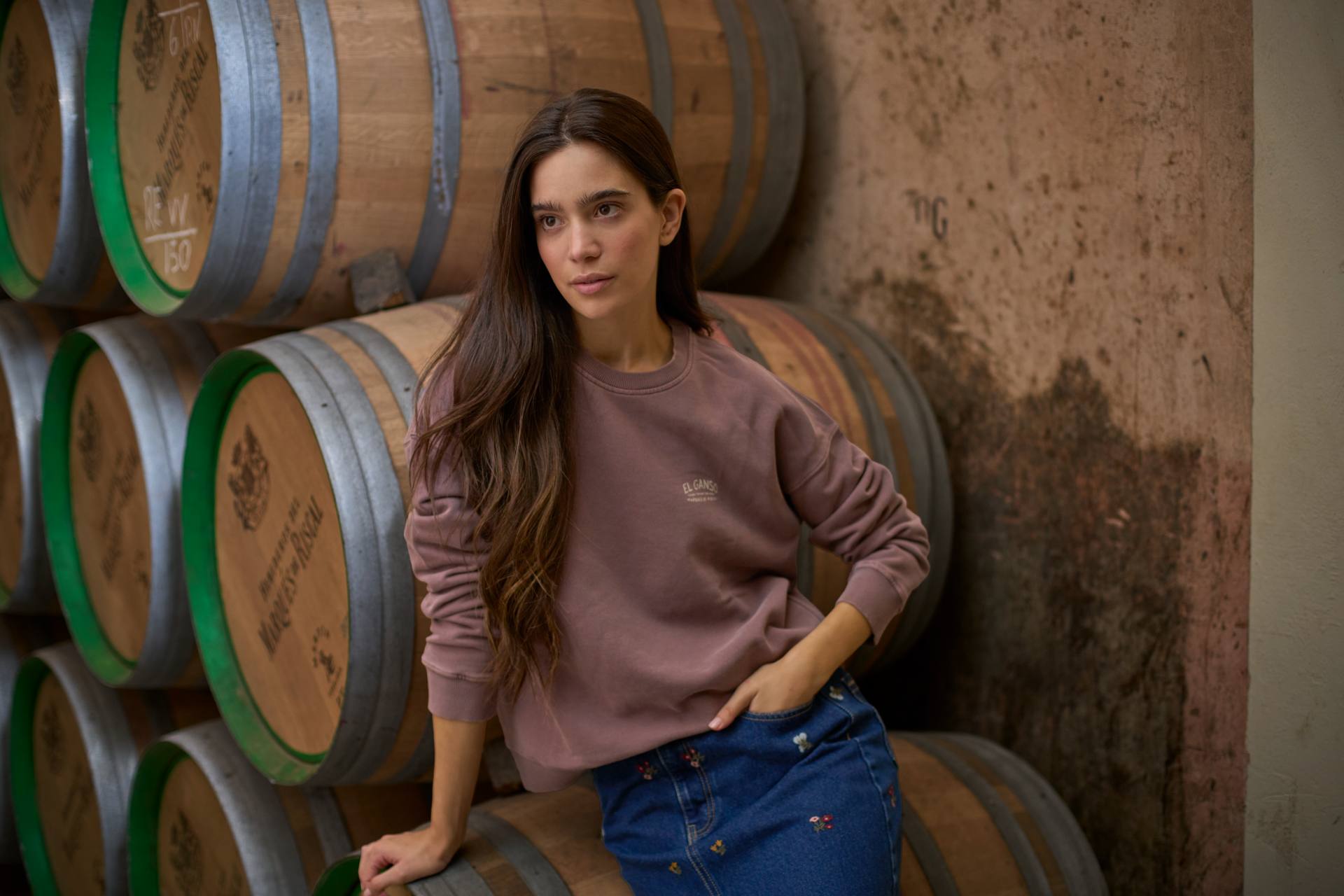
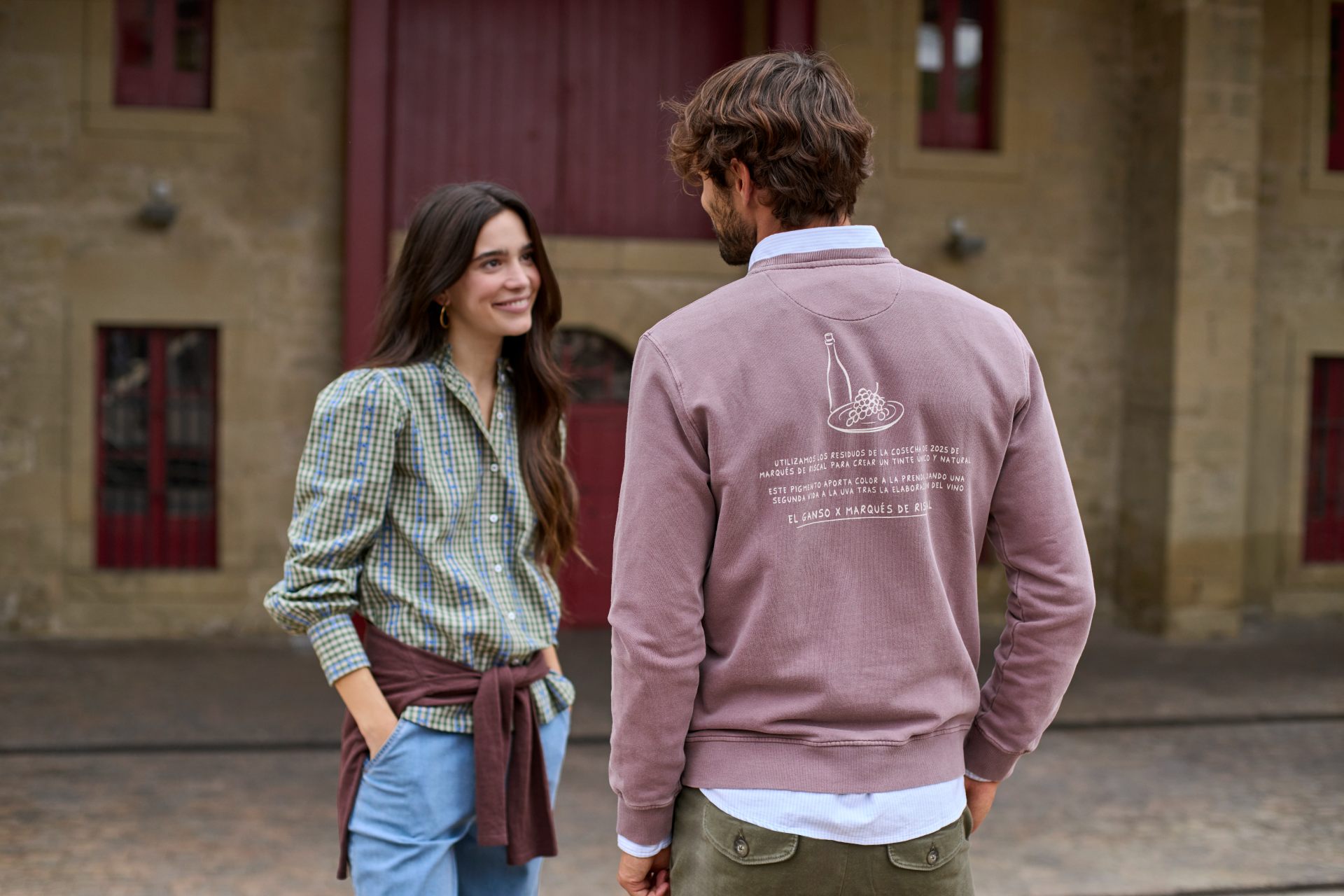
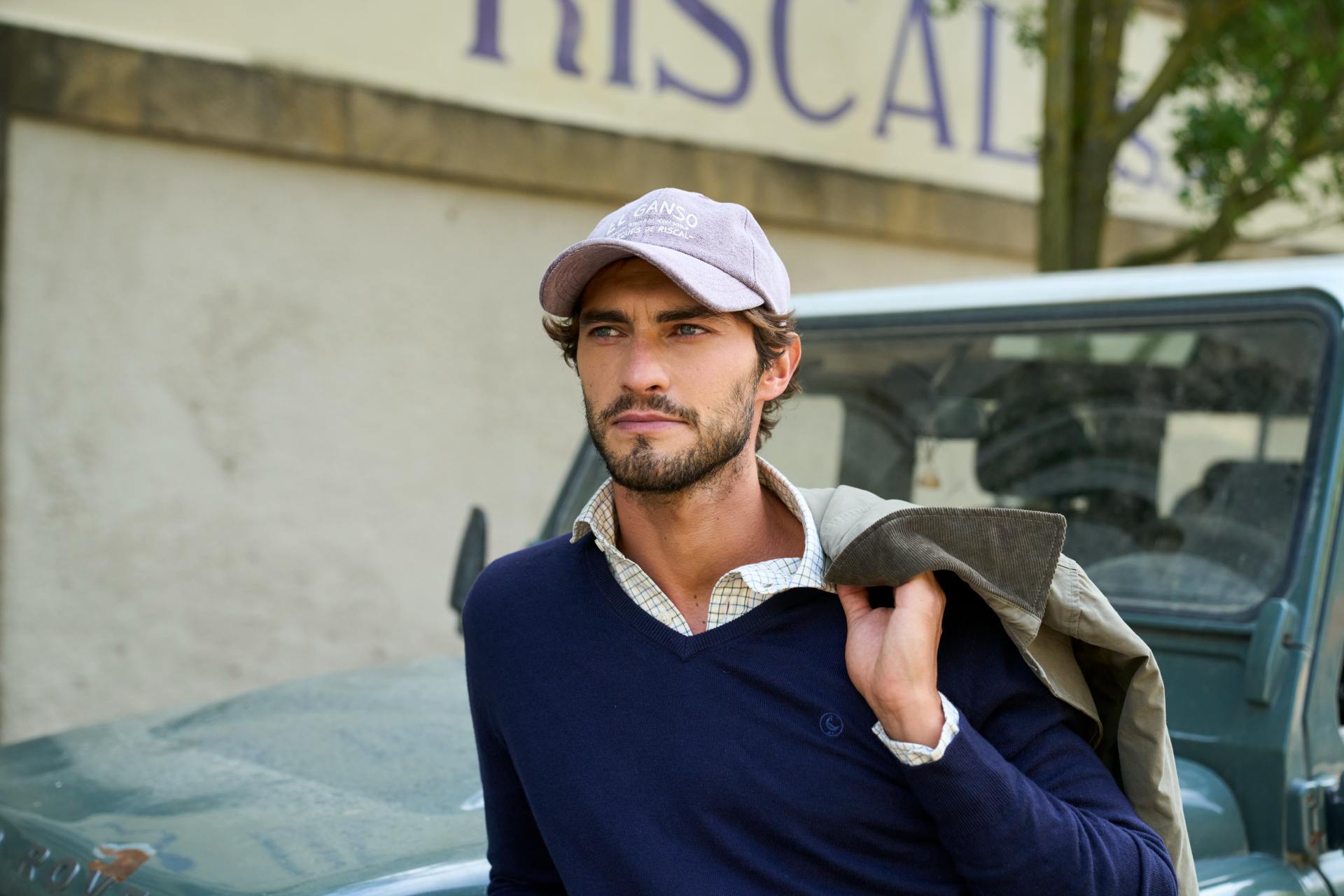
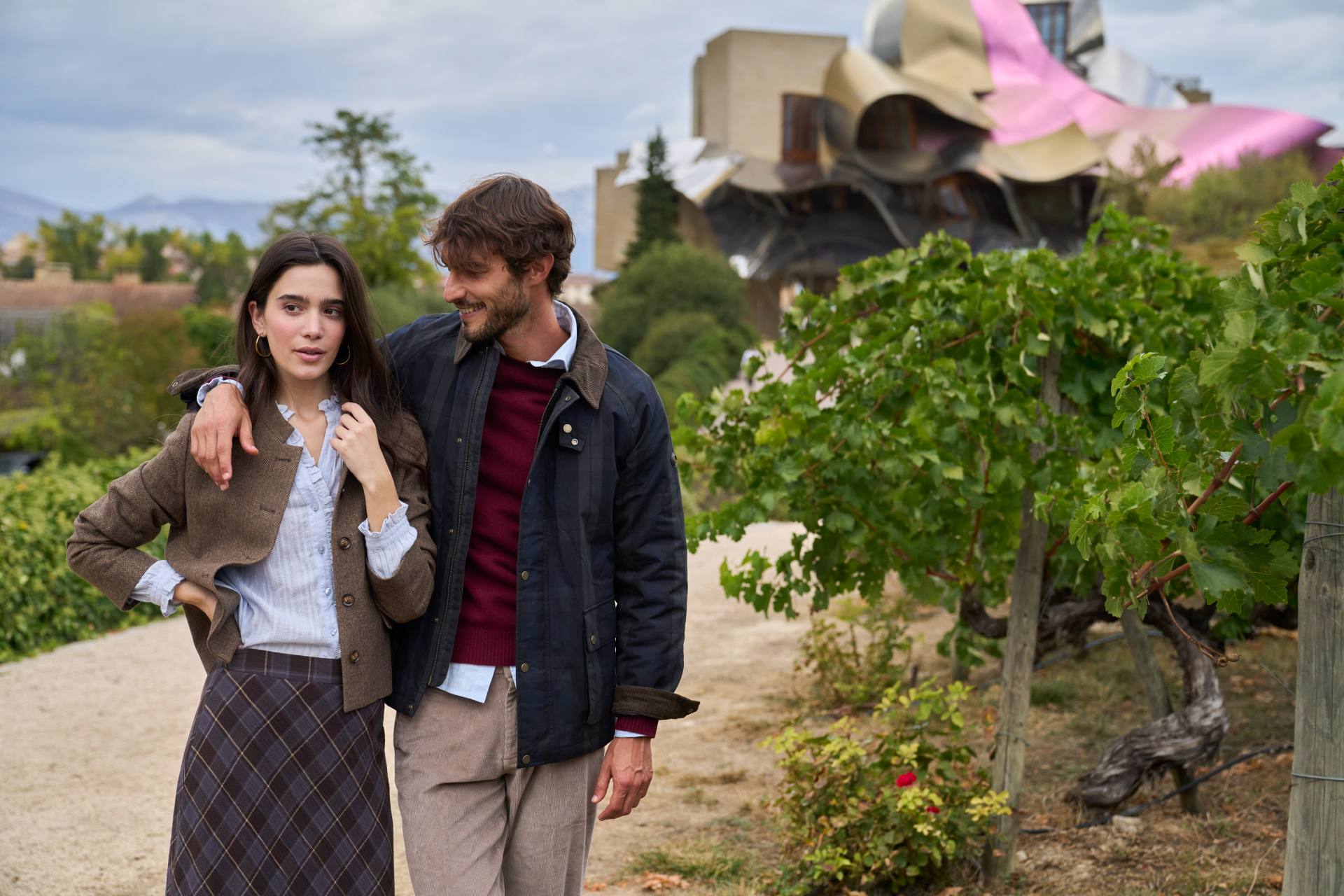
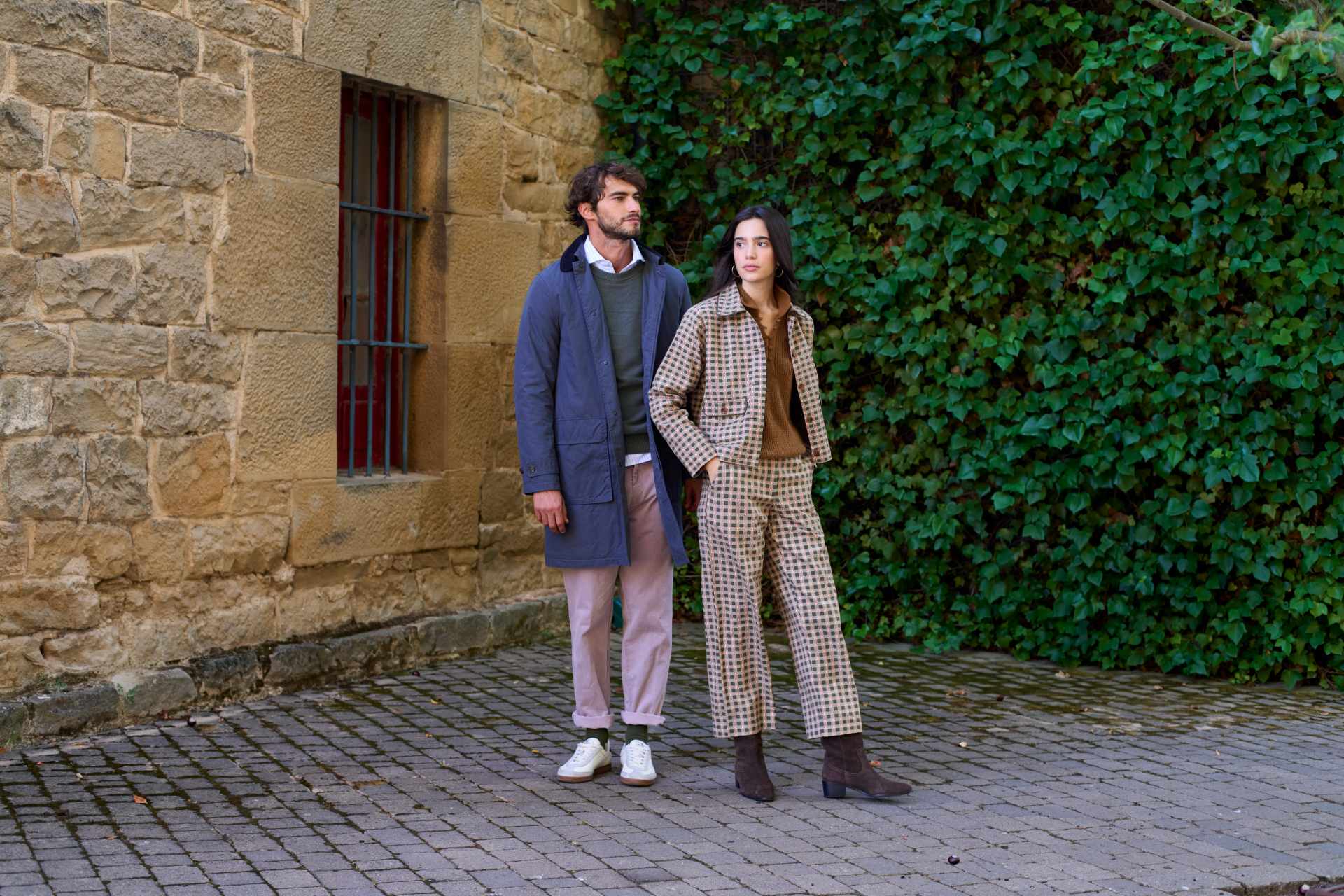
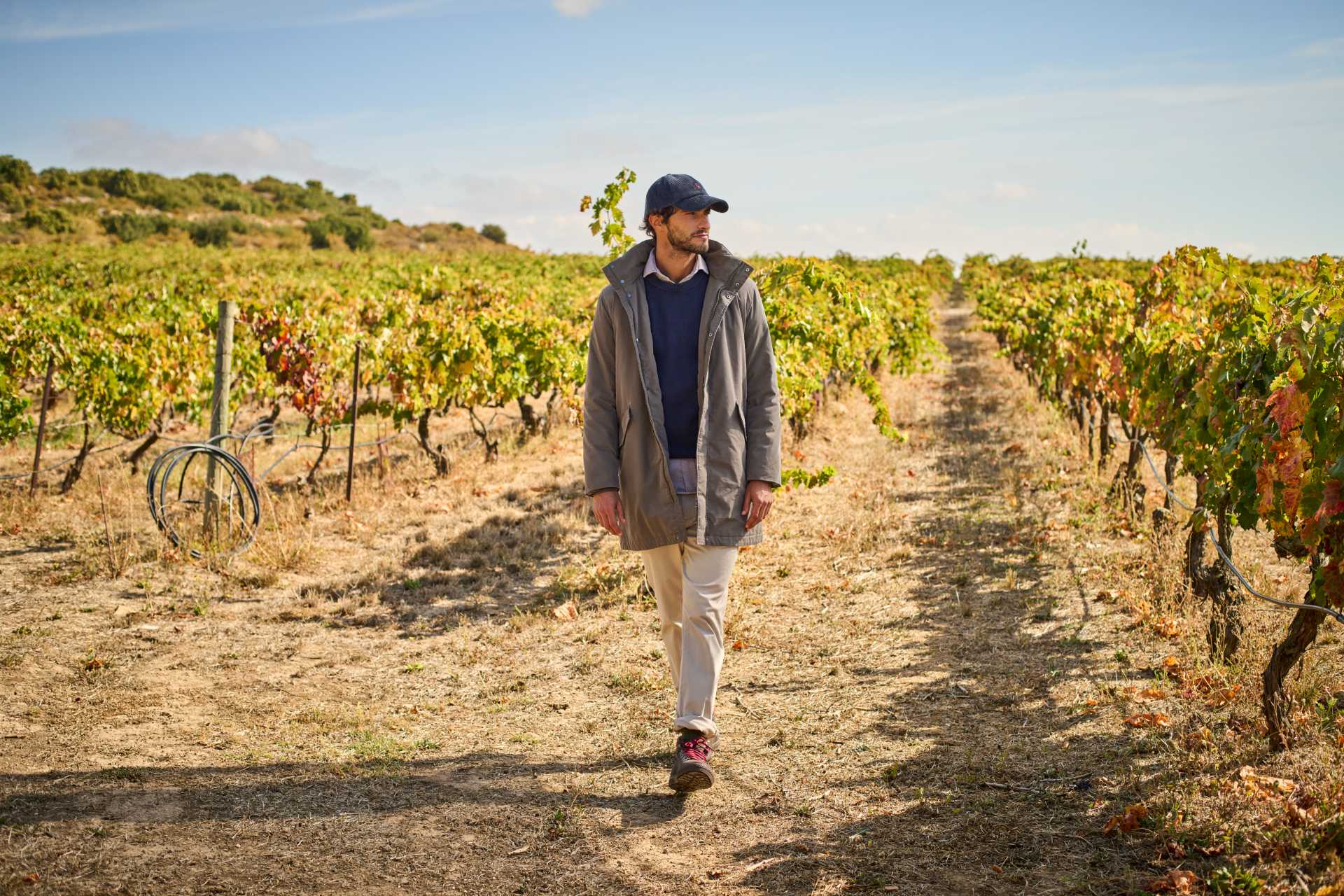
The collection has been made known through a video that explains the motivations of both brands when launching the initiative, as well as a series of photographs taken on the grounds of Marqués de Riscal. Thus, you can see the vineyards, the barrels or other points of the winery, which emphasizes the connection between the raw material and the resulting garments.
As El Ganso points out in a statement, the initiative is a reflection of its commitment to sustainability, circularity and natural dyes. The use of lees from the 2025 harvest seeks to reduce the environmental impact of fashion production by promoting the responsible use of resources and the durability of materials.
“We love joining forces with brands that, like us, have a story to tell and dare to do things differently.“, commented Álvaro Cebrián, Founder of El Ganso, in the statement. “A collaboration that mixes tradition, creativity and that point of non-conformity that identifies us so much.“.
For their part, the winery also explains that the collection expands its commitment to sustainability by allowing a second use for by-products and lees derived from wine production. “At Marqués de Riscal we understand that the
commitment to the environment, the territory and the vineyard are at the center, and therefore
This is why we are committed to regenerative agriculture, and resource management
responsible“, explained Ricardo Diéguez, CEO of Marqués de Riscal.
The collection is now on sale through the El Ganso online store, as well as in its physical stores, in corners of El Corte Inglés and the Maqués de Riscal physical store, located in Elciego (Araba).
The collaboration with Marqués de Riscal joins others that El Ganso has undertaken with other brands, such as Acciona, Munich or Flex. As the fashion brand explains, this strategy allows the brand to continue evolving, explore new creative territories and connect with different audiences. ““They help us generate relevant stories, reinforce our personality and offer something different to our clients.”Álvaro Cebrán assures this medium. ”Of course, for us it is essential that each collaboration makes sense and that there is a real connection between the brands. It is not simply about joining two names, but about creating something that adds value. And we believe that the project with Marqués de Riscal is a good example of this.“.