In the midst of the expansion of artificial intelligence, some analog products and concepts are becoming a trend again. This year has seen the return of cassette tapes, wired headphones and, now, thanks to Linkedin, business cards. Although the version proposed by the social network is a digital reinterpretation that aims to help turn a professional meeting into a long-term connection.
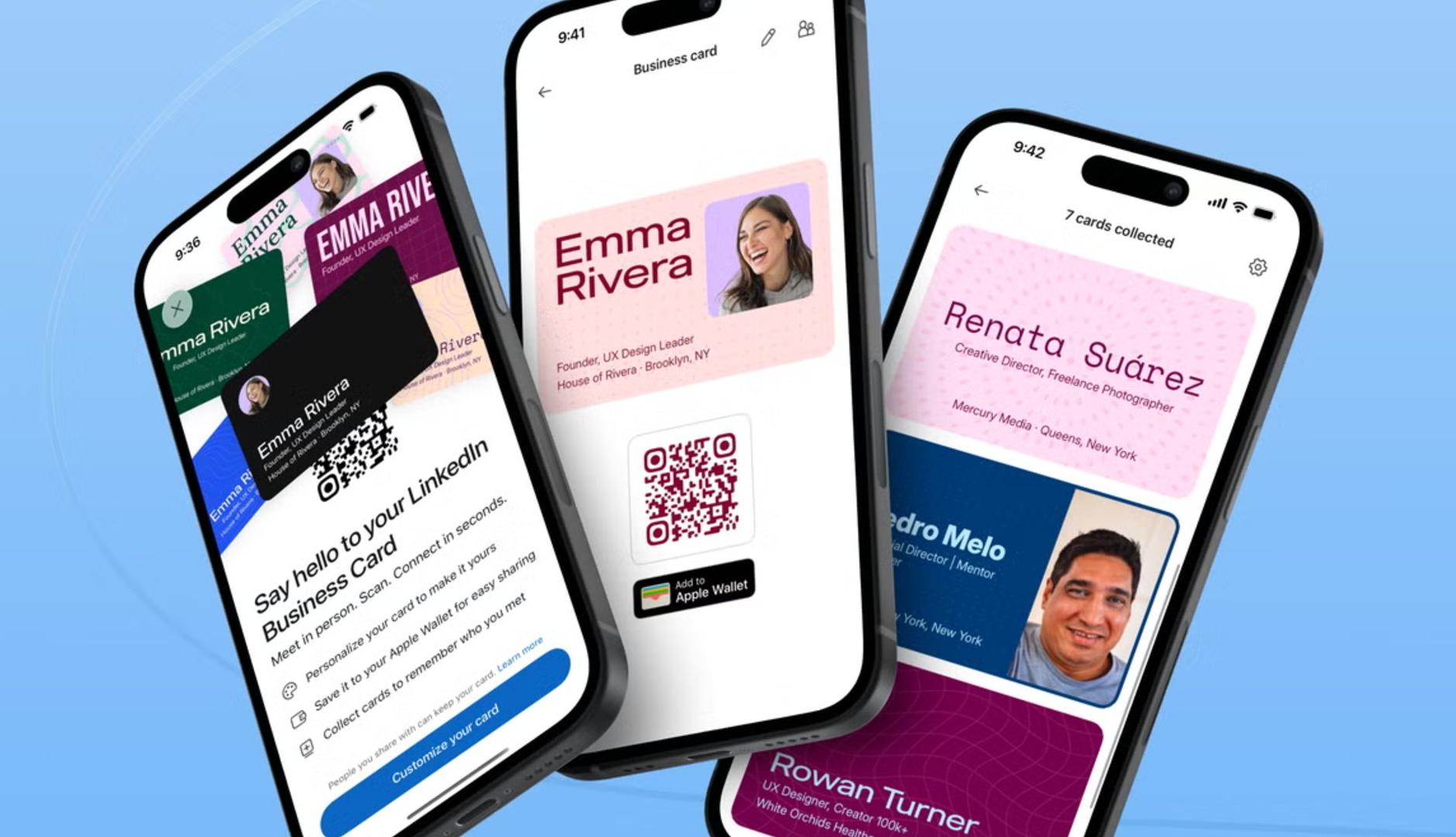
The platform has launched Linkedin Business Cards, a personalized digital business card that allows users to share their profile in a more visual and fun way, and connect with people they meet in person. The new feature, which is available in some markets through the app, makes it easy to share the profile by scanning and takes the form of a card that can be stored in the phone’s wallet, either Apple Wallet or Google Wallet.
The new tool was initially presented at Connection by Design, a networking event held by Linkedin in New York at the end of October focused on design. Attendees were able to exclusively access the tool and design their own cards and check, as the company argues, the facilities it offers to build professional relationships.
Original post by Charlotte Davies on Linkedin
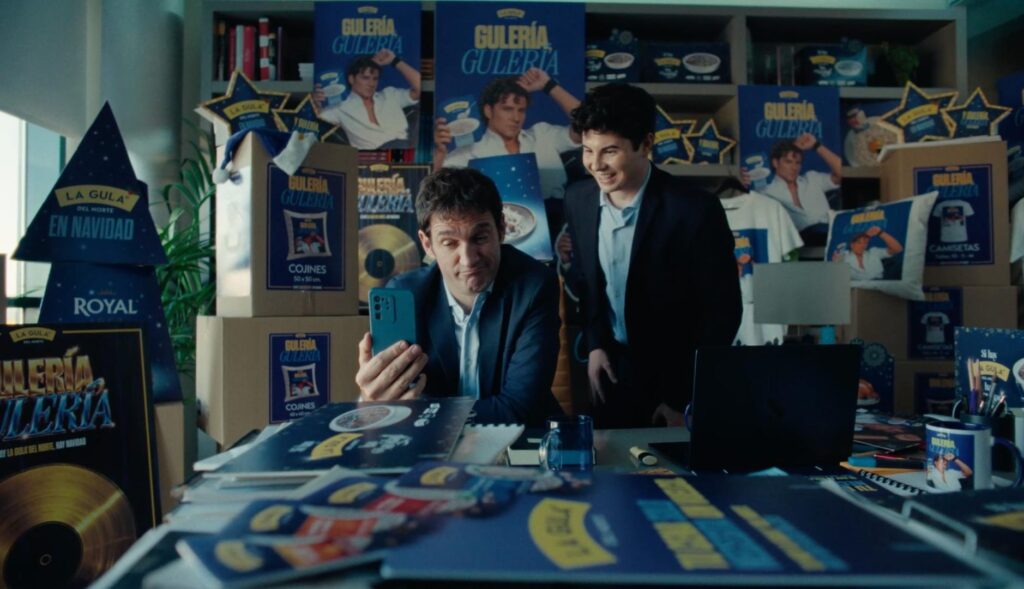
Furthermore, to publicize the launch, Linkedin has taken advantage of the social conversation around the video game GTA 6. Thus, it has created a piece in which two of its workers pretend to be video game characters and, when they meet, they easily exchange their information thanks to digital cards.
Linkedin Business Card is a reinvention of an existing but little-known tool: the Linkedin QR code that allowed you to share your profile by scanning. However, as Kevin Arcara, Designer at Linkedin and responsible for the project, has pointed out, access to the code was not intuitive, and neither was its application. He assures that over the last few years he saw how professionals used it on the lock screen, or printed it and pasted it on the computer.
The current card proposed by the platform is a visual update of said code by applying the aesthetic codes of 20th century business culture. According to the designer, this decision is because the concept of the business card is something that everyone recognizes and that resonates internationally, even among younger generations who may not have come to use the analog version of the document.
This version of the card is customizable and the platform has created a system that allows you to design it to your liking. Thus, professionals can enter the information they want to highlight, such as name, title and contact, and choose various modular elements, such as the layout of elements, the choice of typography, the color palette, patterns and a stickers function that allows you to add custom stickers or hand-drawn drawings. Some users have already shared the card personalization process on social networks.
Original post by Liam Darmody on Linkedin
The experience has also been designed to emulate the physical card exchange. A simple scan allows users to exchange documents automatically and they are stored in a dedicated space, where users can review them after attending an event.
The Linkedin functionality reinvents the concept of the traditional card, since it is considered not the most effective means of creating professional contacts. In this sense, it has sought to combine the functionality of exchanging contact data, with the creativity of the card design and with the experiential component of sharing and collecting them.