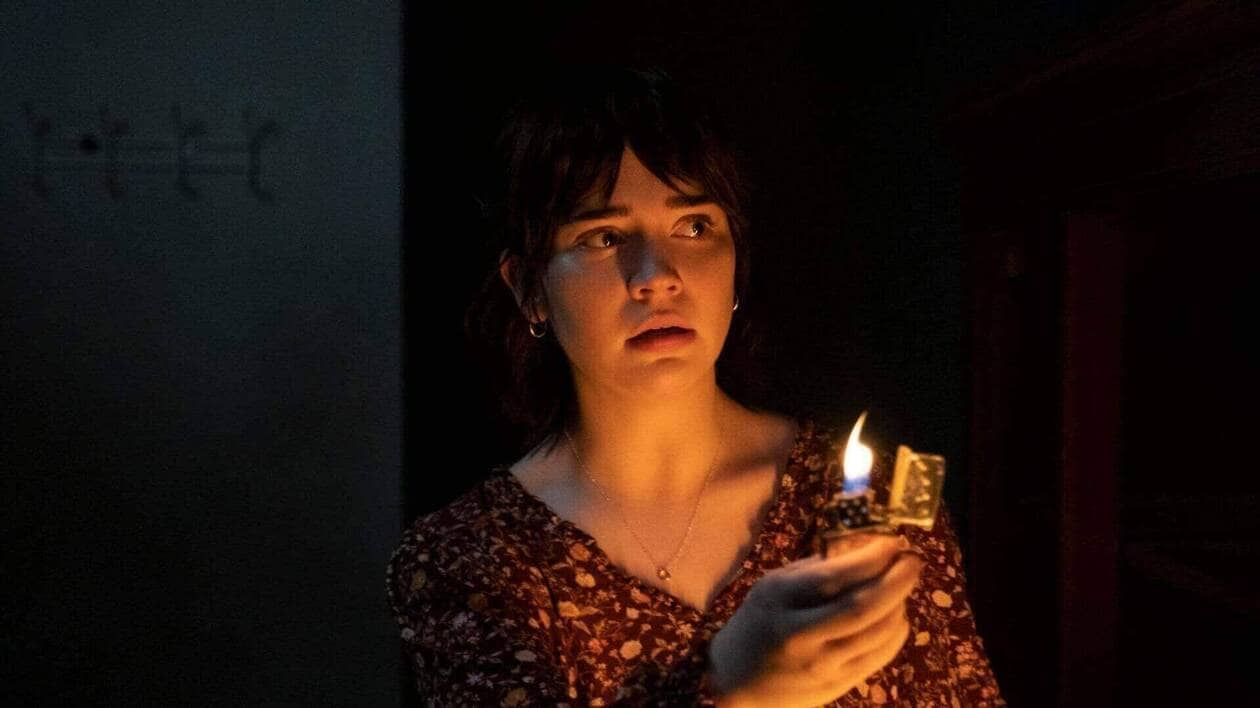
He is the shadow that stretches in the hallway, the unexplained creaking of the floorboards, the oppressive presence that lurks under the bed or at the back of the closet. The bogeyman, or boogeyman in Anglo-Saxon culture, is one of the most universal and timeless figures in world folklore. Before being the bloodthirsty protagonist of Hollywood franchises, this entity with uncertain contours was first a formidable weapon of education and deterrence. But how did a myth intended to frighten wayward children become the cornerstone of modern horror cinema? Dive into the origins of a visceral fear.
An educational and repressive creation
The bogeyman has no face, and that is precisely what makes him strong. Historically, it arises from a practical necessity: to protect children from danger and guarantee their obedience. As early as the Middle Ages, parents sought ways to dissuade their offspring from venturing into the forest after dark, approaching deep wells, or disobeying family authority.
Unable to monitor everything, we created an invisible supervisor. In France, the term “croquemitaine” (which comes from “croquer” and the old French “mitaine” designating a formidable creature or the hand that catches) is required to designate this monster which devours disobedient children. Each culture has its own variation of the creature: El Coco Or The Man of the Saco in the Hispanic world, the Baba Yaga in the Slavic countries, or even the Krampus Germanic who punishes children before Christmas. THE boogeyman (derived from bogeyan evil spirit) is the British and American version, a formless entity that hides in the darkness. The myth works because it relies on the most basic fear of human beings: that of the unknown and darkness.
The materialization of the shadow through the seventh art
If the folkloric bogeyman shines by its lack of defined form, allowing each child to project their own anxieties onto it, the popular culture of the 20th century felt the need to give it a face. Horror cinema, and more particularly the subgenre of slasher which exploded at the end of the 1970s, appropriated this myth to terrify not only children, but also adolescents and adults.
The directors understood that to modernize the myth, it was necessary to extract it from fairy tales and transpose it into our daily reality, in our quiet suburbs and our vacation spots. The killers of horror cinema are nothing more and nothing less than the bogeymen of the modern era. They have the same invulnerability, the same irrational obstinacy, and the same function of moral punishment (often targeting adolescents who indulge in sex or drugs).
The five faces of the modern boogeyman
Cinema has thus fragmented the original bogeyman to give rise to specific incarnations, each symbolizing a particular anxiety of our time:
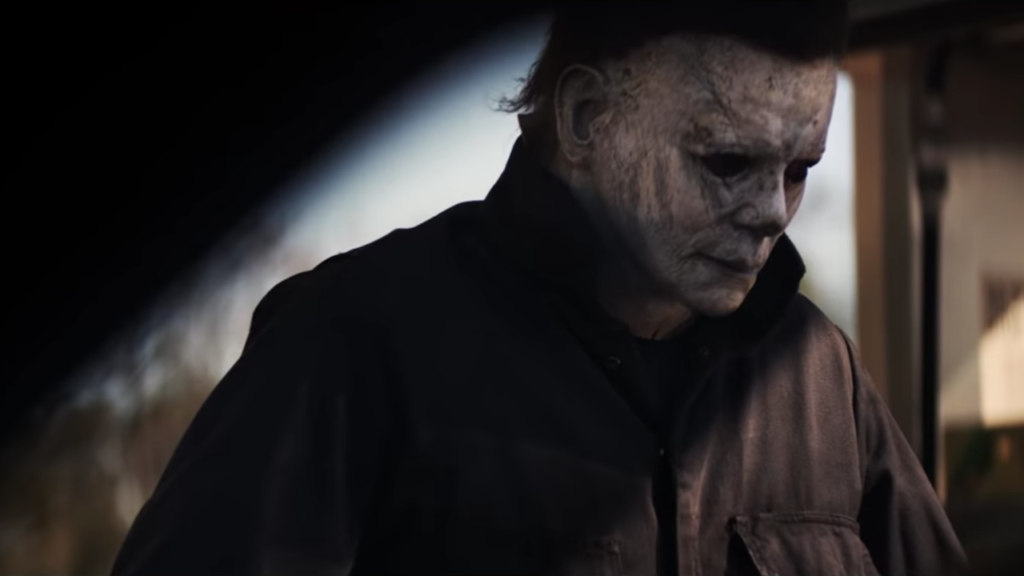
The suburban threat: Michael Myers (Halloween) is undoubtedly the one that comes closest to the original myth. John Carpenter had also nicknamed him “The Shape” in the initial script. With his expressionless white mask, his slow but inevitable gait and his total muteness, he is the absolute evil that invites itself into the tranquility of the residential neighborhoods. He tracks down the babysitter — the child’s protector — demonstrating that no one is safe.
The corruption of the original refuge: Freddy Krueger (The Claws of the Night) tackles the ultimate comfort zone of childhood: the bed. By becoming a dreamlike bogeyman, who stalks teenagers in their dreams, he transforms sleep into a deadly battlefield. With his burned face and his clawed glove, he materializes the absolute nightmare from which we cannot escape simply by turning on the light.
The punishment of the forest: Jason Voorhees (Friday the 13th) brings the myth back to its primary function: to prohibit young people from venturing where they should not. Lurking in the woods surrounding the Crystal Lake camp, this hockey-masked undead violently punishes the carelessness and transgression of the summer camp counselors, acting as a brutal and vengeful force of nature.
Visceral, rural horror: LeatherfaceTexas Chainsaw Massacre) represents the bogeyman of the road, the fear of strangers and isolated spaces. This butcher wearing a mask sewn from human skin gives a sticky, almost carnal dimension to the myth. He reminds us that monstrosity is not always hidden in the supernatural, but sometimes in human degeneration in the depths of Texas.
The urban legend and historical trauma: Candyman (Candyman) modernizes the invocation ritual. Appearing in the mirror after his name is said five times, this bloody hooked spirit merges the playground bogeyman with the ghosts of racial and social injustice. He is the monster that society itself created.
An immortal figure
Today, the myth of the bogeyman continues to mutate. He deserted the forests to invade the Internet through creepypastasgiving rise to digital figures like the Slender Man, a lanky, faceless being who kidnaps children.
Whether he’s a spirit in the closet, a masked killer in the movies, or an urban legend on obscure forums, the bogeyman refuses to die. As long as humanity feels the need to put a face to its unspeakable anxieties in order to better confront them, the monster will always have a bright future ahead of it, ready to emerge from the shadows at the slightest drop in vigilance.