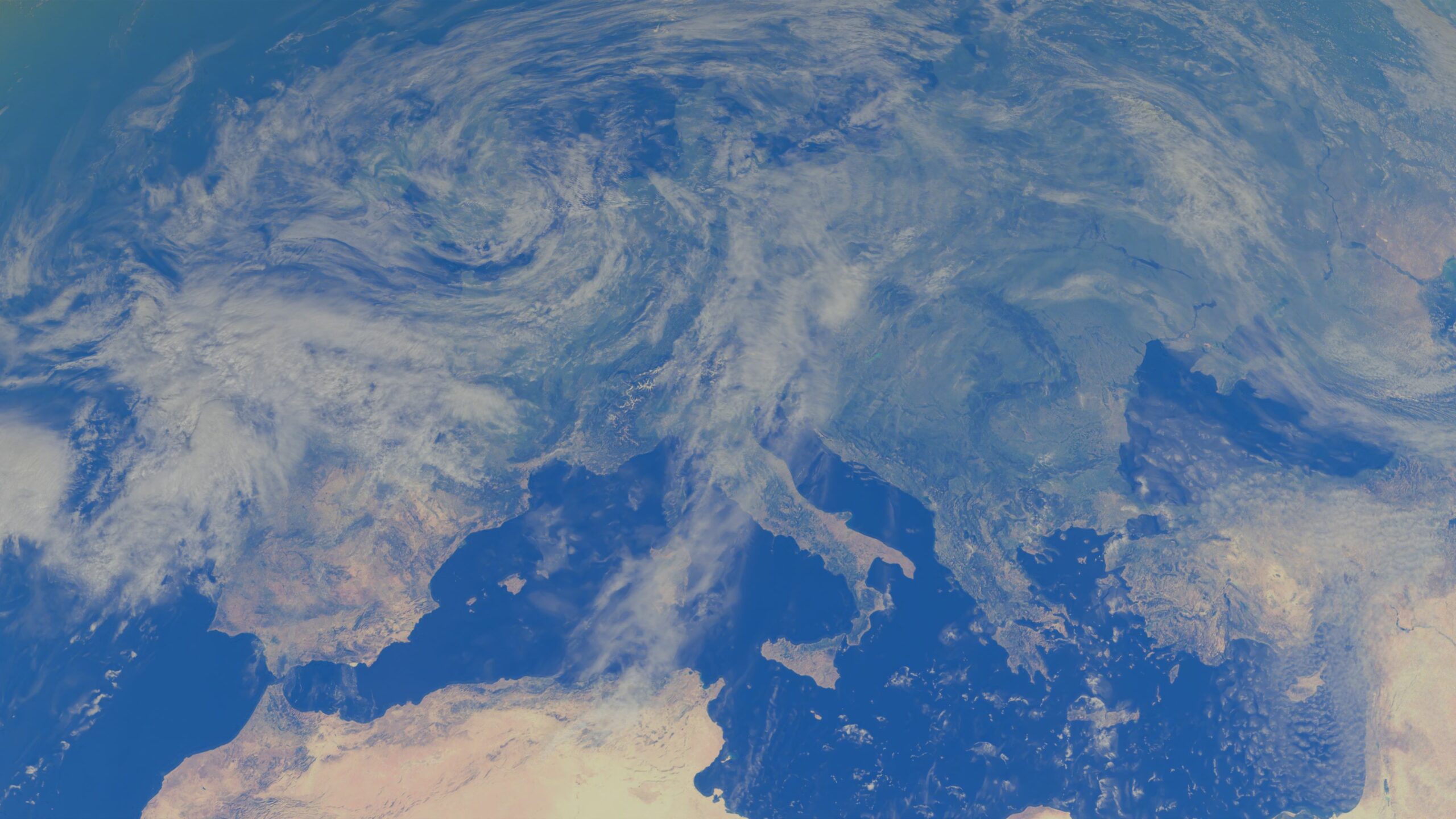
Our world is full of mysteries, unexplored landscapes and fascinating cultures. Sometimes, distance or the constraints of everyday life prevent us from discovering these wonders with our own eyes. Field journalism then steps in to fill this void by transporting us to the heart of tropical forests, to the tops of millennia-old glaciers or to the ocean depths. The combined force of words and images allows us to forge an intimate link between the reader and distant realities.
The power of images to raise awareness
A single photograph often has the capacity to convey a raw and complex emotion that hundreds of lines would struggle to describe. A photo capturing the look of an endangered feline or the drought of a once fertile land provokes an immediate reaction. Photojournalists spend weeks, sometimes months, in extreme conditions to capture that precise moment when light and action tell a universal story. This visual immersion shakes up our certainties and pushes us to think about our own environmental impact.
For more than a century, certain publications have pushed the limits of this exploration, and you only need to delve into the pages of National Geographic magazine to feel an immediate connection with the fragility of our ecosystems. High-quality photo reports serve as a bridge between the scientific community and the general public. They make complex notions of ecology or geology accessible by anchoring them in a striking visual reality.
The importance of in-depth science journalism
If the image catches the eye, the text gives it all its depth. Understanding the subtleties of climate change or the migratory dynamics of large mammals requires absolute intellectual rigor. Science journalists work hand in hand with researchers, biologists and climatologists to decipher the data collected in the field. The result takes the form of immersive stories that popularize without ever oversimplifying. Reading a complete file on the melting of permafrost or on innovations in marine conservation allows you to arm yourself with solid knowledge to face contemporary challenges.
Cultivate curiosity every day
Taking the time to read documented investigations nurtures a healthy and essential curiosity. Faced with the abundance of brief and often ephemeral information on screens, the long format offers breathing space. It invites concentration and promotes true assimilation of knowledge. Sitting comfortably with a detailed article becomes a beneficial act of disconnection that enriches our general culture and refines our critical thinking.
A window open to societies and traditions
Exploration is not limited to flora and fauna. It also encompasses the incredible diversity of human cultures. Ethnographic reports take us to meet communities with ancestral ways of life or populations adapting to the upheavals of modernity. Discovering how an isolated village in the Andes preserves its crafts or how an Asian metropolis integrates nature into its futuristic architecture puts our own lifestyles into perspective. These written and visual testimonies celebrate the richness of our shared human heritage.
Intellectual curiosity finds fertile ground in these stories from the four corners of the globe. By documenting animal conservation successes, major archaeological discoveries or innovative ecological initiatives, exploratory journalism charts a path toward optimism. Each article read is an invitation to better respect our environment and to celebrate the diversity that makes our world beautiful.