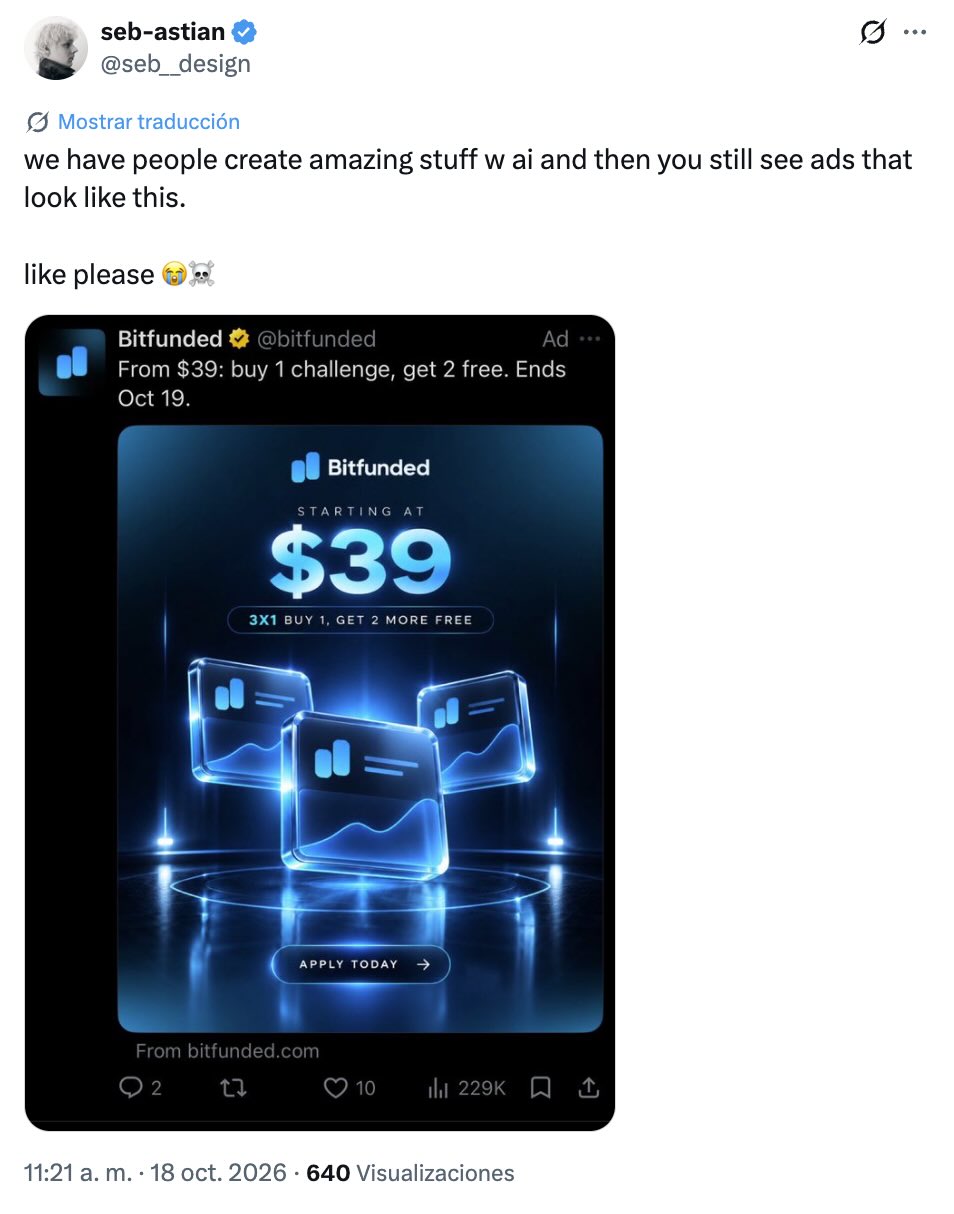
Elon Musk wants prettier ads forreasonable aesthetic standards“. Its intention is to put an end to the “ugly ads that make your eyes bleed”.
On October 16, Musk, who acquired the company in 2022, addressed the issue through several publications on his personal profile. “Advertisers who post ads that are ugly, loud, garish, or exaggerate claims about their product will be banned from advertising.he expressed.
The billionaire’s statement suggests that In this sense, Musk has also encouraged users themselves to report, to the X account dedicated to advertising (@Ads), those advertisements that they consider unattractive or misleading. With this, it would be giving users greater power and an active role in moderating advertising on the platform and creating a standard based on the opinions and considerations of the community.
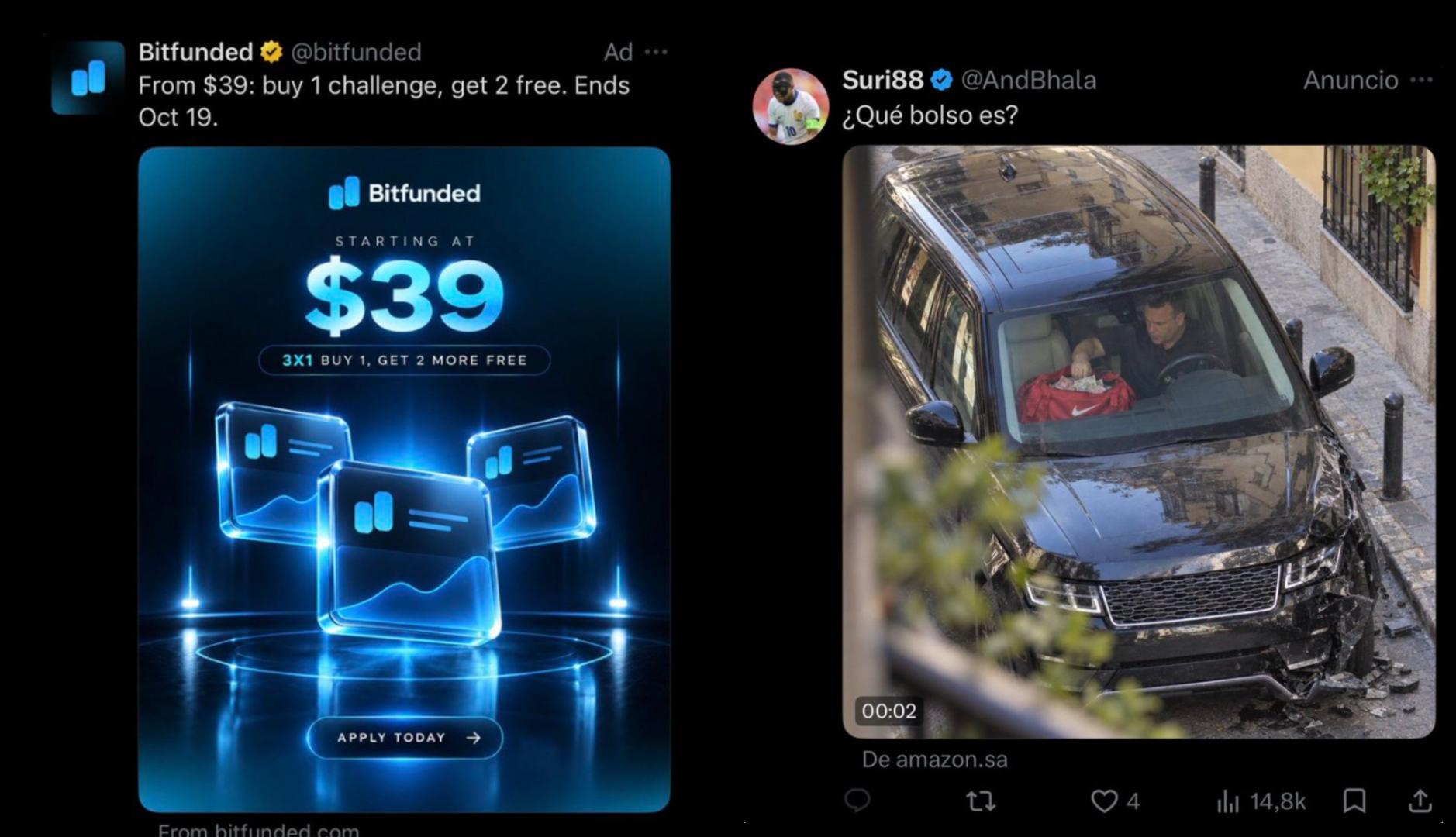
Many users have taken the opportunity to report a series of misleading advertisements that have begun to circulate internationally related to an alleged unknown bag.

However, the manager has not given further explanations or specified what those aesthetic standards would be or the criteria with which they would evaluate. Likewise, from the account mentioned by Musk, no specific design requirements have been announced, nor have any examples of prohibited creatives or procedures for applying these rules been shared. He also has not indicated whether advertisers will receive a warning before being banned from the platform.
But, in parallel to Musk’s comments, a short video titled “Start building beautiful ads” was shared from X’s Business account, along with the message “First impressions are everything. Make yours count. Create and launch beautiful ads to capture attention and drive real results on X”:
The piece advises advertisers to opt for simple and clean creativity, include copies that are no longer than ten words and that the publications that accompany the ads do not exceed 100 characters. In addition, it suggests avoiding CTAs integrated into the graph, as well as using the carousel mode in the case of multiple images.
These notes are aligned with the good practices compiled in the advertising section of the X website, and which recommend brevity in the texts, direct and simple CTAs or the commitment to an authentic tone instead of one that could be excessively commercial. The platform also prohibits deceptive marketing practices, including false claims about products and services, as well as the promotion of products and services from categories such as alcohol, tobacco, gambling, weapons or sex.
It is not the first time that Elon Musk expresses his opinions regarding what advertising on the platform should be like. Along these lines, in June of last year the platform prohibited the use of hashtags in advertisements, calling them ““aesthetic nightmare”and he had previously shared his vision of “good advertising”, although historically he has never been a defender of this discipline.
However, after a controversial conflict with advertisers on “There is a wide range of advertising, from spam to content. I am a fan of advertising that is interesting on an artistic level, that is entertaining, that you do not regret seeing when the ad ends.“, said.
“I think it really works when the ad is nice and entertaining, when it feels good to have seen it, even if you are not going to buy the product later.”, he pointed out, thus defending, before an audience made up of creatives, the importance of creating advertising strategies that are integrated into the nature of the platform and its audience, against intrusive messages.
The announcement now made by Musk is understood within the framework of a broader strategy by the company to regain the trust of advertisers after a period in which many of them have abandoned the platform due to their concerns about content moderation or the security of their brand image.