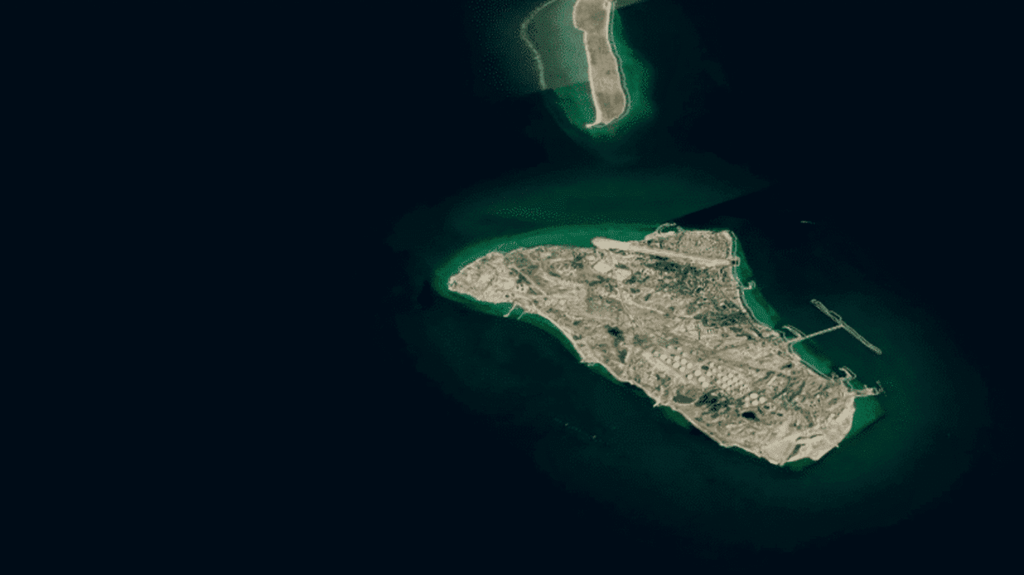
Will the conflict taking place in the Middle East between the United States/Israel and Iran mark the end of the “Islamic revolution”?
The 1979 Islamic Revolution in Iran represents one of the most significant and influential events of the 20th century. It not only overthrew a centuries-old monarchical regime, but also established a model of theocratic governance that continues to influence politics and international relations today. This article aims to explore the causes, progress and consequences of this revolution, as well as its impact on Iranian society and the region.
The causes of the revolution
The roots of the Islamic Revolution can be traced to a complex combination of socio-economic, political and religious factors. In the 1960s and 1970s, Iran, under the rule of Shah Mohammad Reza Pahlavi, was undergoing rapid modernization. Although these reforms, known as the “White Revolution”, resulted in significant improvements in infrastructure and education, they also led to growing inequality, endemic corruption, and growing alienation among the population.
The Shah attempted to impose authoritarian control over society and suppressed all forms of dissent. Opponents, whether left-wing, religious or nationalist, united against the regime. Among them, Ayatollah Ruhollah Khomeini, a charismatic exiled leader, began to mobilize the masses around an Islamic project that promised to return power to the people and establish a government based on Islamic principles.
The Progress of the Revolution
The revolution gained momentum in the late 1970s, with mass protests mushrooming across the country. On February 11, 1979, the Shah’s regime was finally overthrown, marking the end of the monarchy in Iran. Khomeini returned triumphantly from France and was greeted by millions of supporters. This return galvanized the popular movement, bringing with it a vision of an Islamic Iran.
The revolution was not limited to a simple regime change; it was also marked by violence and political purges. Several revolutionary actors called for the creation of a theocratic state, and in April 1979 a referendum was held to establish the Islamic Republic. The vote was largely in favor of this new form of government, which was formalized in May 1979.
The Socio-Political Consequences
The establishment of the Islamic Republic had profound repercussions on Iranian society. Khomeini’s regime established a political system where the Islamic clergy held supreme power, a structure known as “Wilayat al-Faqih” or governance of the Islamic jurist. This system had immediate effects on various aspects of daily life, including law, education and culture. Women’s rights have been particularly affected, with a regression of the advances achieved under the previous regime.
In addition, the revolution created a climate of fear, with severe repression of political opponents. Religious and ethnic tensions have also been exacerbated, with some minority groups marginalized or persecuted. Economically, the new regime adopted a policy of nationalization of industries, which led to international economic sanctions and had a negative impact on the Iranian economy.
Regional and International Impact
The Islamic Revolution also had a major impact beyond Iran’s borders. It inspired Islamist movements in other Middle Eastern countries, changing political dynamics across the region. Groups like Hezbollah in Lebanon and Hamas in the Palestinian Territories emerged with ideologies influenced by the Iranian model.
In terms of international politics, the revolution led to a breakdown in diplomatic relations with the United States, culminating in the 1979 hostage crisis, where American diplomats were held hostage in Tehran for 444 days. This crisis marked the start of lasting hostility between Iran and the West.
Conclusion
The Islamic revolution in Iran is more than just regime change; it represents a profound sociopolitical transformation that continues to resonate across the world today. His complex legacy highlights the interaction between Islam and politics