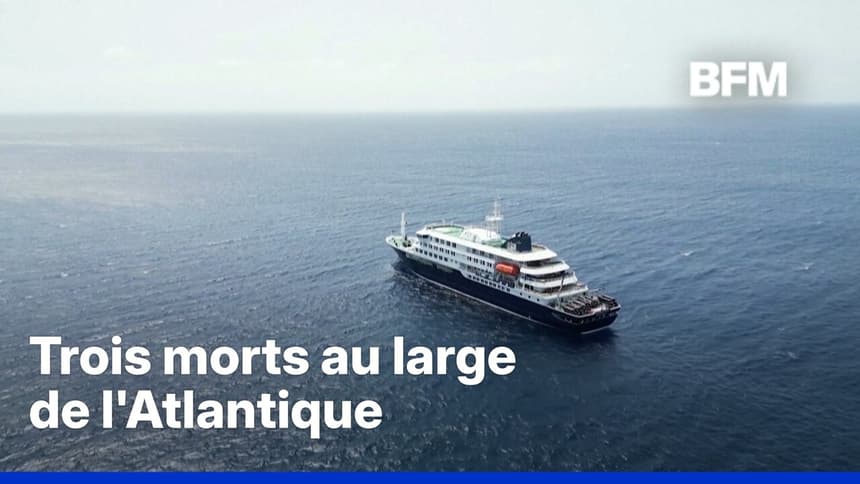
While the World Health Organization announced on Sunday three deaths potentially linked to an outbreak of hantavirus, a disease transmitted to humans by rodents, investigations continue this Tuesday, May 5, to clarify the circumstances surrounding several cases of respiratory distress reported on board the cruise ship MV Hondius
What is hantavirus?
Hantavirus is a family of viruses transmitted primarily by infected rodents. Unlike diseases like COVID-19, it does not spread easily from human to human. Infection occurs mainly when a person inhales contaminated particles from urine, saliva or rodent droppings.
There are several forms of the disease. The most serious is hantavirus pulmonary syndrome, which causes severe breathing difficulties. Another form, more common in Europe and Asia, affects the kidneys and can cause severe complications. This diversity makes the virus difficult to identify quickly, hence the importance of early diagnosis.
What symptoms to watch for?
The first signs often resemble a classic flu: fever, fatigue, muscle pain. But the situation can quickly deteriorate. In the most serious cases, patients develop acute respiratory distress requiring urgent treatment.
The mortality rate varies between strains, but some forms can be particularly dangerous. This explains the vigilance of health authorities, even in the face of an isolated case. Although hantavirus remains rare, it is subject to international surveillance. Organizations like the World Health Organization closely monitor reported cases to prevent possible outbreaks. This type of incident reminds us that zoonotic diseases transmitted from animals to humans remain a major public health issue. In a globalized world, a virus can appear in unexpected contexts, like here on the open sea.
A situation that mobilizes the international community
Although hantavirus remains rare, it is subject to international surveillance. Organizations like the World Health Organization closely monitor reported cases to prevent possible outbreaks. This type of incident reminds us that diseases transmitted from animals to humans remain a major public health issue.
In a globalized world, a virus can appear in unexpected contexts, such as here on the open sea. The case of this boat off the coast of Cape Verde perfectly illustrates the current challenges: quickly identifying the origin of the contamination, limiting the risks for passengers and avoiding any spread to other territories.
The question that is being debated, should the ship dock and disembark its passengers? A decision which could prove dangerous if other cases not having been detected contaminate other people in the country, we would in some way have a start of “pandemics”, Spain, the only European country having wanted to dock the boat, reversed its decision this very morning, the Spanish Minister of Health testifies, “No decision has been made”a reversal of position which testifies to the difficulty of the situation playing out on this boat off the coast of Cape Verde.