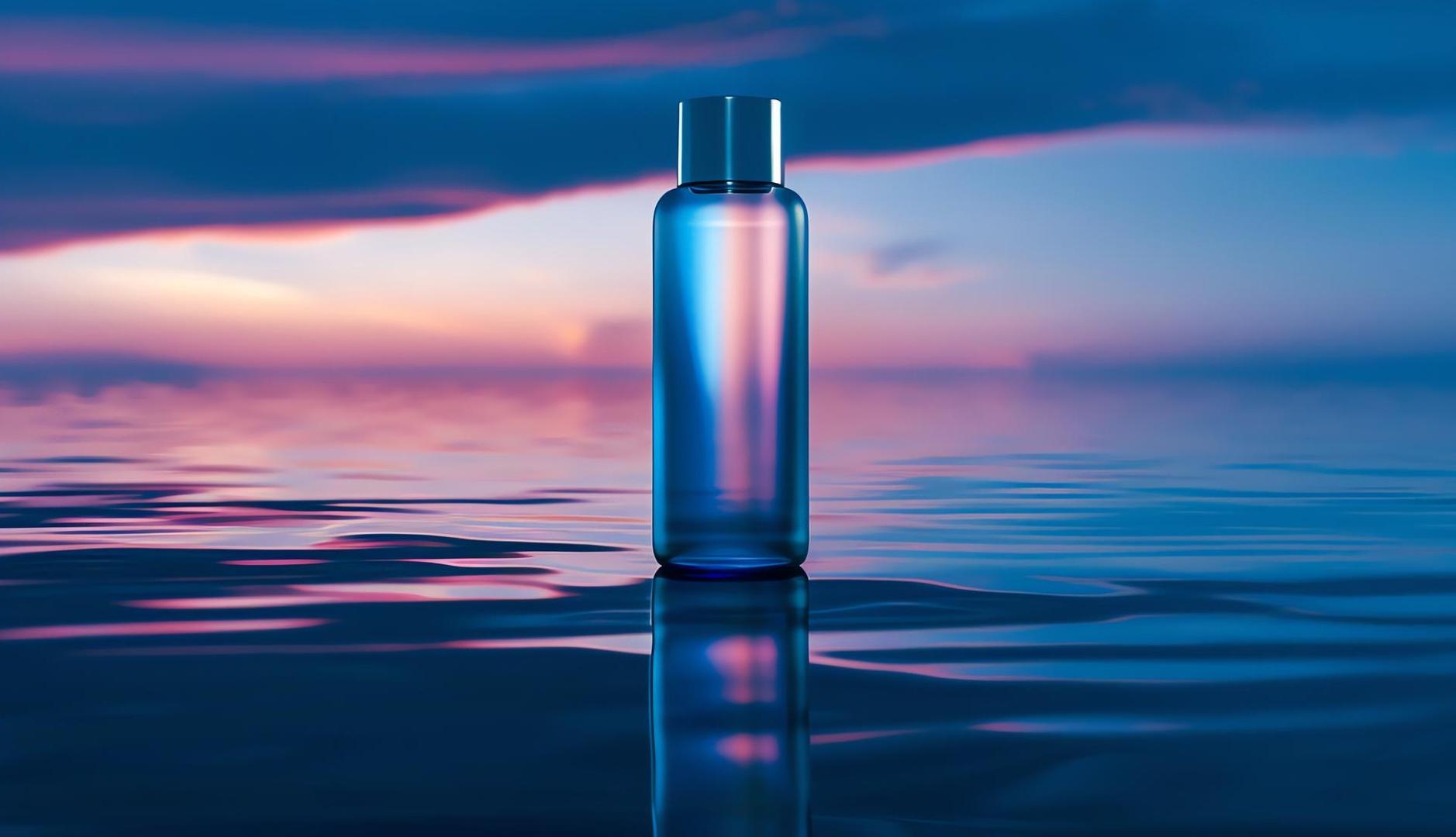
What has traditionally been conceived as a basic element, today has become a coveted product, increasingly diversified and almost linked to luxury. Water has long been immersed in a process of sophistication that has given rise to a new category of premium hydration that is growing supported by consumer interest in well-being and the opportunities that brands find to enhance their business opportunities.
Water, essential for the existence and maintenance of life, has raised its status and is conceived by many as an experience on par with wine, beer or spirits. Tastings are organized to identify flavors and textures, restaurants and hotels have included brands and varieties in their menus, they suggest, and production companies have launched new references to attract consumers with demanding palates.
But the truth is that the premiumization of water is not a recent issue. Already at the end of the 90s and also during the beginning of this century, water brands began to appear that put the accent on its original origin or its natural composition to cover the drink under an aura of sophistication. Fiji, for example, was born in 1996 and focused its value proposition on artesian water – from deep underground aquifers – in the Fiji Islands.
The rise of premium water
To a large extent, its recent rise corresponds to certain forces that are moving the market, among them, the trend toward moderation that is also transforming the alcoholic beverage category. Trying to adopt healthier and more conscious lifestyle habits, many people have reduced their alcohol consumption and embraced alternatives, including spirits with a lower level of alcohol, functional drinks, sugar-free soft drinks or water itself.
But premium hydration is also becoming established at the convergence of health, aesthetics and lifestyle; and in the fact that, in a homogenized market, consumers are increasingly willing to pay more for perceived quality, origin and experience. Proof of this is, for example, the global repositioning undertaken by the Brita brand, the German water filtration products company, to evolve from a functional brand to a lifestyle brand with a focus on hydration as a fundamental part of self-care and wellness routines.
Premium water grows at the convergence of health, aesthetics and lifestyle
Added to this is also climate change and environmental stress, which increasingly portray water as a luxury product. Furthermore, the increase in temperatures and the resulting droughts, such as those experienced this summer in much of Europe, create friction in the population’s access to drinking water and strain the usual purification processes by the relevant authorities and services, leading many consumers to consider bottled water as an alternative.
The combination of factors gives wings to the category. For example, in 2025, bottled natural mineral water was, once again, the most consumed drink in Spain, according to data from the Spanish Mineral Waters Association (ANEABE). They point out that the production of this drink reached 6.8 billion liters, 1% more than in 2024; with a per capita consumption of 139 liters. This made water represent 48% of the total volume of the beverage segment in our country.
The premium hydration category
It is because of insights like these that the VML Intelligence agency targeted water sommeliers and, by extension, premium hydration, as one of the ten big trends in the food and beverage industry, in its “Future 100: 2026” report, published earlier this year. Among other things, he explains that as hydration becomes more sophisticated, water begins to become something to taste, discuss, display and experience.
And the industry is making strategic moves in this regard. Last July, Heineken promoted the diversification of its non-alcoholic products portfolio with the acquisition of RainForest Water, an artesian water brand that claims to be bottled directly from its natural source, in recyclable and reusable aluminum bottles. In addition, it is committed to renewable energy and initiatives for reforestation.
For its part, at the end of last year, Powerade, a brand owned by Coca-Cola, presented Power Water, its first product innovation in five years and its foray into the territory of water, in this case, functional water. The brand claims that the drink has 50% more electrolytes than its competitors, and comes in four different flavors. With this move, it seeks to compete with Propel, Gatorade’s bottled water brand, owned by Pepsi.
Beyond the large manufacturing groups, the category has expanded thanks to new brands that have been arriving on the market and that have been born directly with proposals focused on both the origin and the quality of the water and the sustainability of the packaging or distribution processes.
This is the case of Ursu, the water launched by Cristiano Ronaldo in 2023 and which is based on a natural alkaline mineral water that comes from El Oso, Ávila; or Nea, a brand created in 2020 and that ensures that its water is pure and fresh as it comes from a spring in the Alps. Furthermore, unlike most brands in the sector, it is sold in a can, which they explain guarantees total purity and prevents microplastics and degradation of the liquid by blocking light and oxygen with its opacity. Its sustainable proposal also includes allocating part of the sales to repopulation projects for coral ecosystems.
Water as an experience
Beyond the brands and their proposals, water is becoming an experiential medium, more than a drink. For example, the Spanish Tasting School offers in-person water tasting courses for professionals or gastronomy enthusiasts in which it teaches how to distinguish nuances of flavor, color and smell by testing waters such as 22 Artesian Water, Voss or Fuentes de Lebanza, which are some of the most prominent premium water brands in the sector.
Water is also a key piece in the proposal of bars and restaurants. The O Lar do Leitón restaurant, in Ourense, has built part of its notoriety thanks to its extensive water menu. What’s more, he claims that it is one of the largest in the world. It has more than 160 references, including brands whose water comes from Spanish springs, such as Cabreiroá, Font Vella, FuenteLiviana or Montepinos. But it also includes waters from icebergs or glaciers, originating in Chile, Canada, Patagonia or Norway; or historical aquifers.
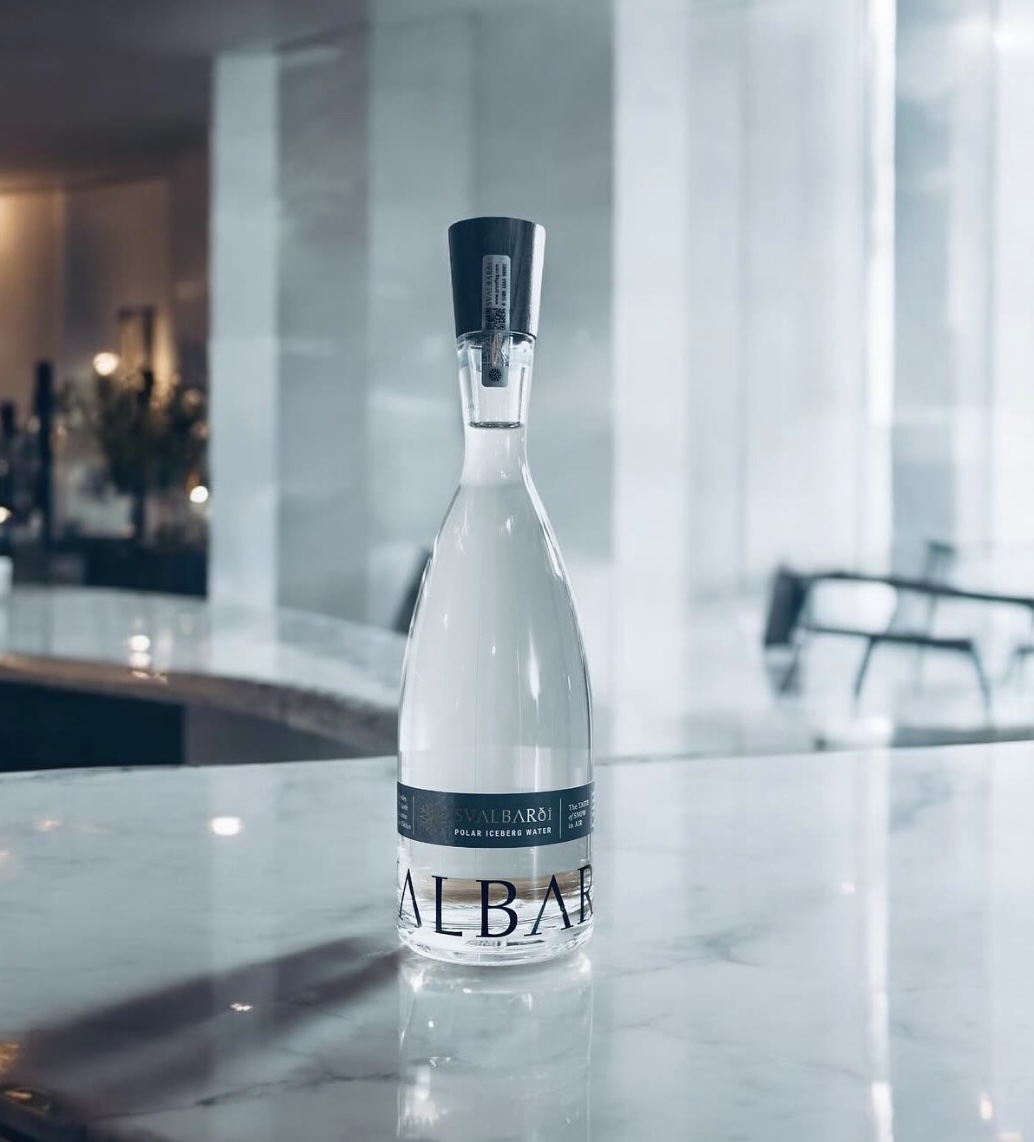
The letter is also classified according to sensations and emotions, such as curiosity, temptation or shyness; as well as for their possible pairing. Also for special moments, which include the most exclusive flagships of the category, such as Svalbardí, from Norway, whose cheapest bottle of iceberg water sells for almost 100 euros in the brand’s online store.
However, the presence of premium brands is crossing the usual boundaries in which it used to be found, such as five-star hotels or haute cuisine restaurants. As the VML report points out, more and more consumers are regularly incorporating premium water into their daily lives, whether at home or while exercising.
And this means that water is also rising as a status symbol. Its origin, its design, or its price are beginning to be understood, as would happen in fashion, as a reflection of personal identity. And this implies a completely new way of approaching the marketing and commercialization of a product that until now was a commodity, and consolidates a new stage in the beverage sector.