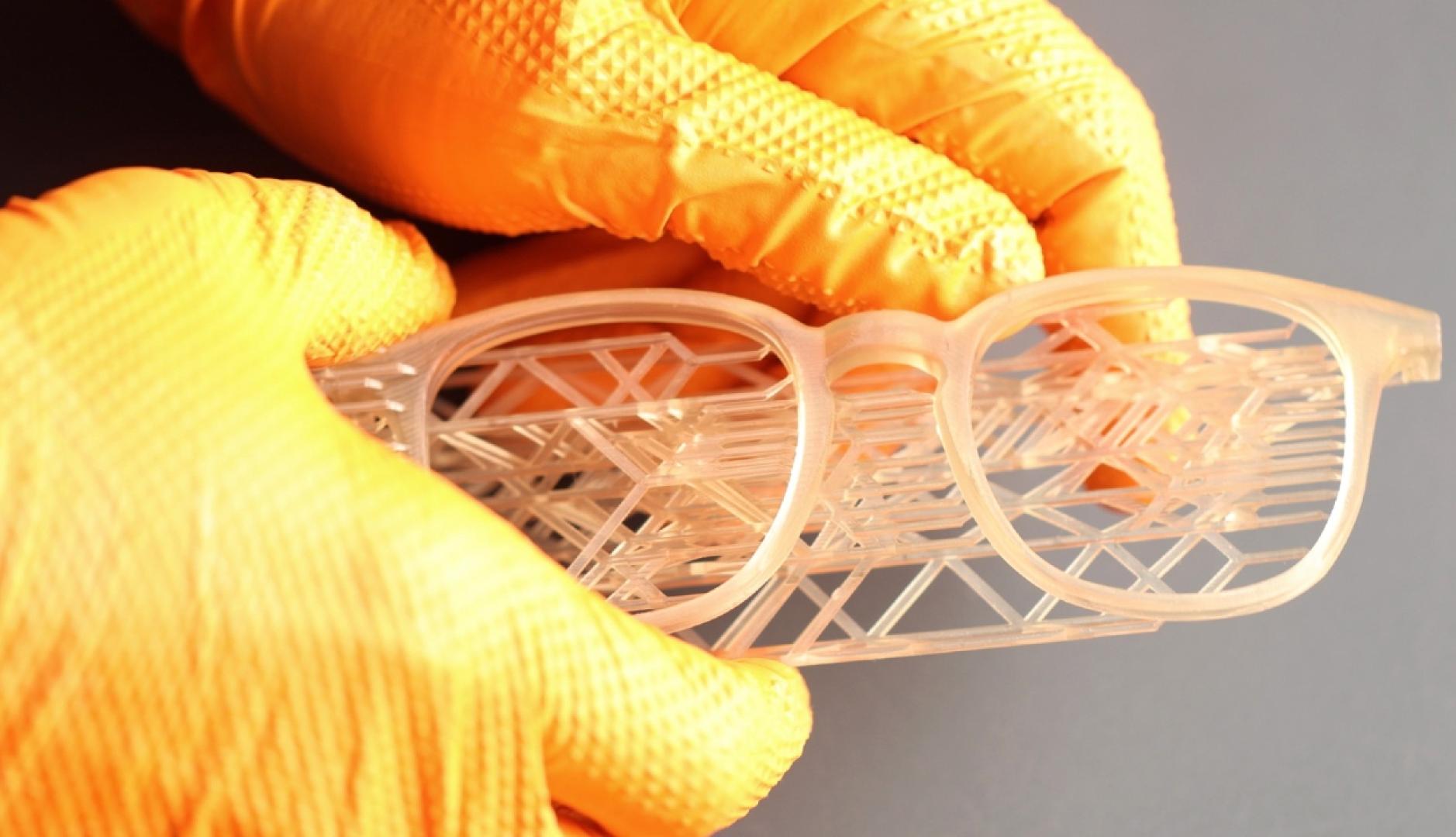
Visionlab has presented Custom Lab, a technology that allows frames to be manufactured using 3D printing in just over an hour directly in the store. With this launch, the company becomes the first Spanish company to incorporate volumetric printing into the optical production process, transferring to the point of sale an on-demand manufacturing logic that until now was limited to industrial environments.
The system allows the user to choose between different models and colors and obtain a personalized frame almost immediately. From that choice, Visionlab generates a digital file that combines modeling and printing technologies to produce the final piece, to which the lenses are later incorporated. The initial deployment includes twelve models of frames and multiple finishes, with plans to expand the options towards completely personalized designs based on the ergonomics and features of the user.
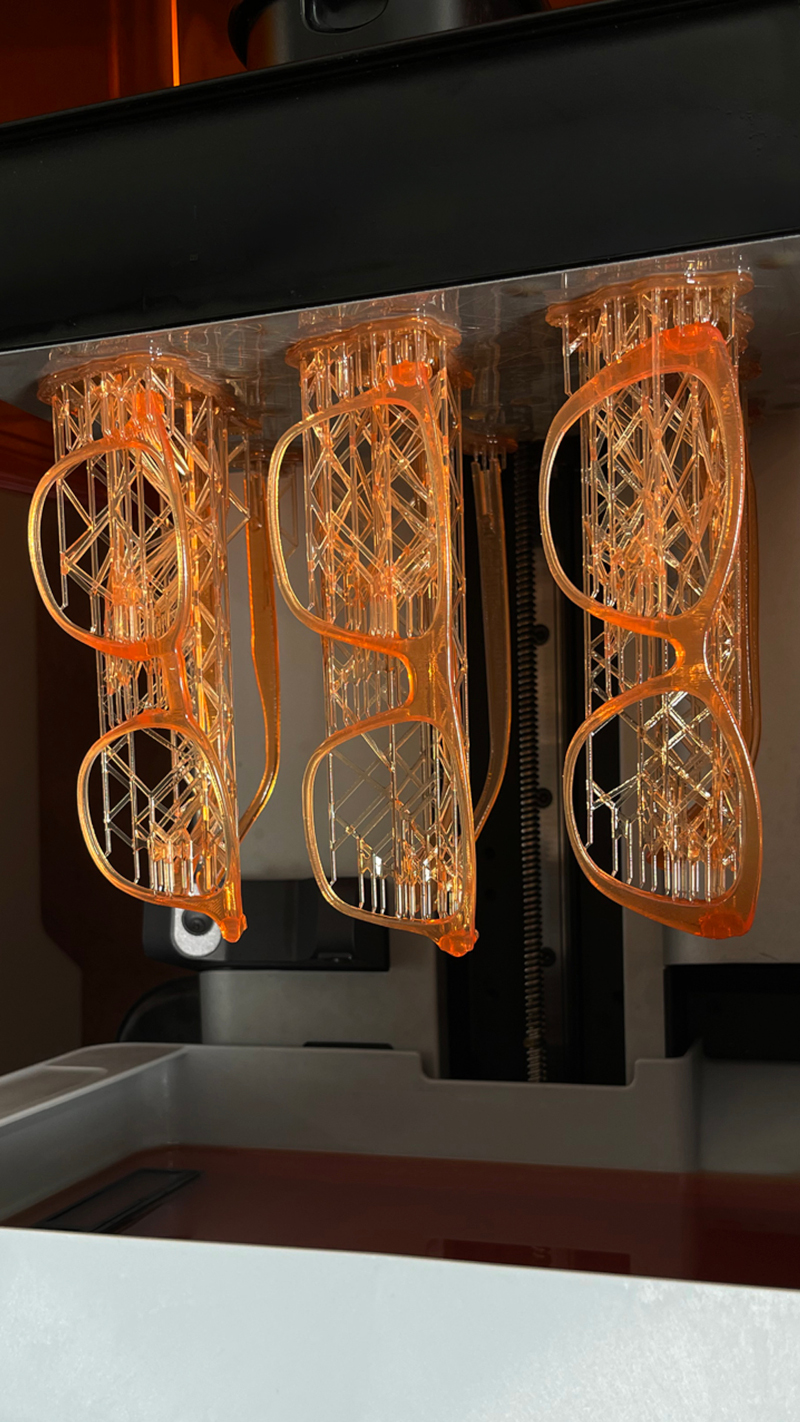
The advance responds to a change in the sector, where personalization and speed of response are consolidated as differentiating factors. “We are at the beginning of a paradigm shift in the sector that allows us to explore new ways of manufacturing on demand and controlling the entire value chain”said Anne Delmas, General Director of Visionlab. The company emphasizes that this technology allows us to reduce dependence on external suppliers, adjust production to real demand and adapt more quickly to trends.
The process allows materials not used in manufacturing to be reused.
“In retail we have experienced very disruptive years in logistics and supply, and this technology will allow us to be more flexible and react quickly to user needs,” Delmas added. This model eliminates the need to anticipate large production volumes, reducing both the risk of surpluses and stockouts, and opens the door to hybrid collections that combine stable references with unique pieces.
Thus, beyond the customer experience, volumetric printing introduces improvements in terms of efficiency and sustainability. The process allows materials not used in manufacturing to be reused, reducing waste and optimizing the use of resources. According to the company, up to 30% of the material can be wasted in traditional processes, a figure that could decrease significantly with on-demand production.
The technology has been developed for more than two years in collaboration with Zefrict AM, and is integrated into a broader innovation strategy by Visionlab. The company was already a pioneer in the delivery of prescription glasses in one hour and has its own glass factory in Madrid, which allows it to maintain a high degree of control over its production chain.
The movement is part of an evolution of the optical sector, increasingly oriented towards technology and personalization. Optical shops are turning to AI and smart glasses to elevate the category towards technology, with initiatives that integrate artificial intelligence both in the design and in the user experience.
In this context, Visionlab reinforces its positioning by combining advanced manufacturing, customization and control of the production process. The incorporation of volumetric printing in stores anticipates a model in which production is closer to the consumer and adapts to their needs in real time.