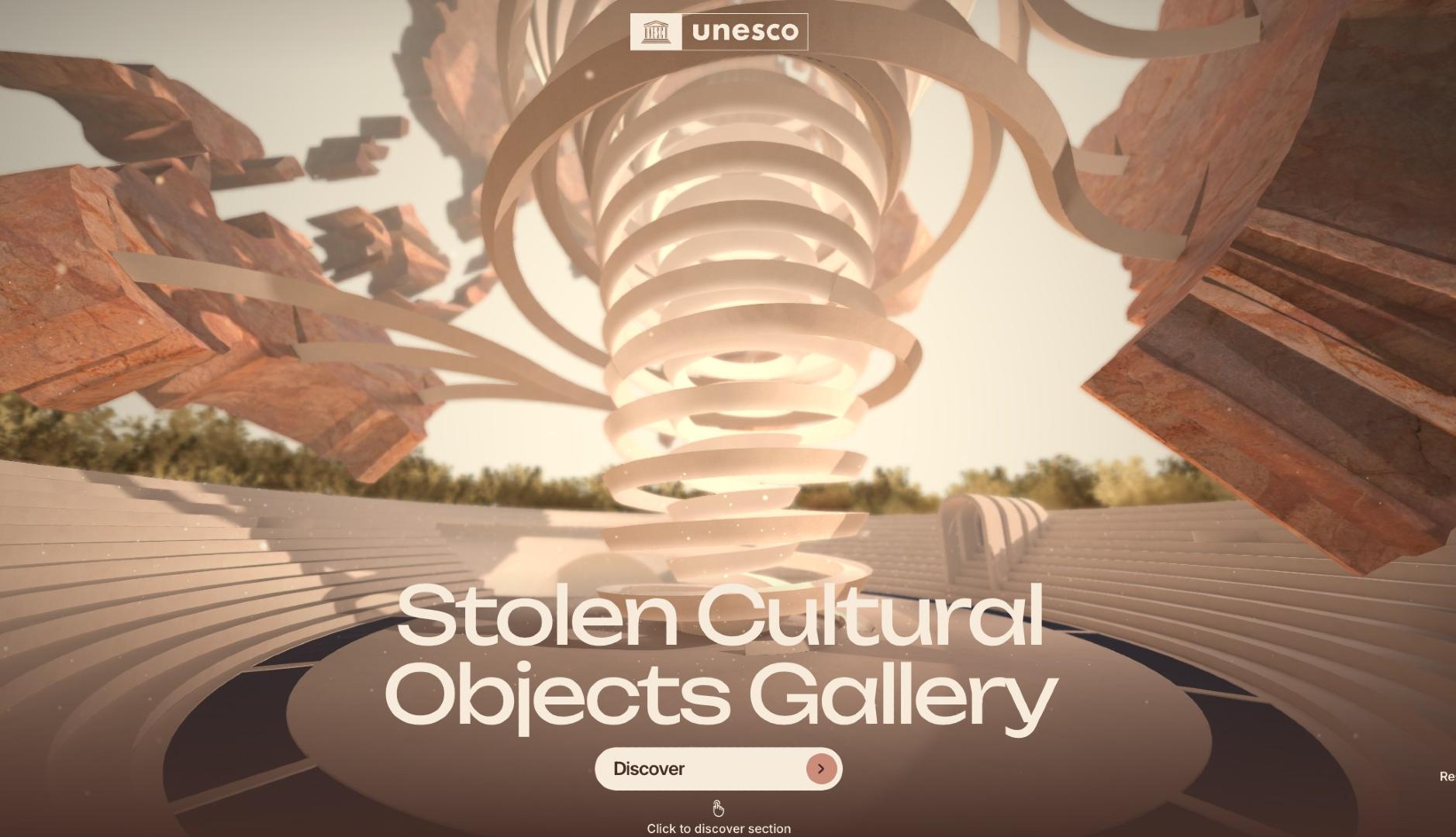
Illicit traffic of cultural goods is one of the most widespread challenges for cultural heritage globally. To raise awareness about this, combat looting and protect common heritage, UNESCO (United Nations Educational, Science and Culture Organization), has launched the first virtual museum of stolen cultural goods.
The digital space has been created together with the DDB Paris creative agency and the Makemepulse audiovisual study, and has worked over the last years. The initiative was initially announced in Mondiacult 2022, the World Conference on Cultural Policies and Sustainable Development, and has officially presented itself at the same meeting held in Barcelona between September 29 and October 1.
The museum has developed using innovative technologies such as 3D modeling or virtual reality, and with the intention of providing an immersive virtual experience that returns visibility to cultural objects stolen worldwide. Thus, the virtual museum reconstitutes and digitally presents stolen cultural objects selected by the Member States of UNESCO and with the collaboration of Interpol.
The museum has been designed with the Burkinse architect Diobédo Francis Kéré and its design is inspired by the Baobab tree. In this sense, the digital space is loaded with symbolism, as it seeks to present cultural objects such as the roots that keep the community together.
Through a generative artificial intelligence solution, it has been possible to transform photographs of stolen objects into realistic 3D models, restoring not only its appearance, but also its meaning. These objects are exhibited in the so -called Gallery of Stolen Cultural Objects, where users can explore the museum by regions, and classify objects according to color, use and application of the object, date, contributing country, materials or techniques.
The Museum also has two other spaces: the return and restoration room, where objects that have been recovered and restore, highlighting the value of international cooperation in matters of return and restitution; and the Auditorium, which collects information, educational stories and testimonies of the affected communities to highlight the cultural and historical importance of objects.
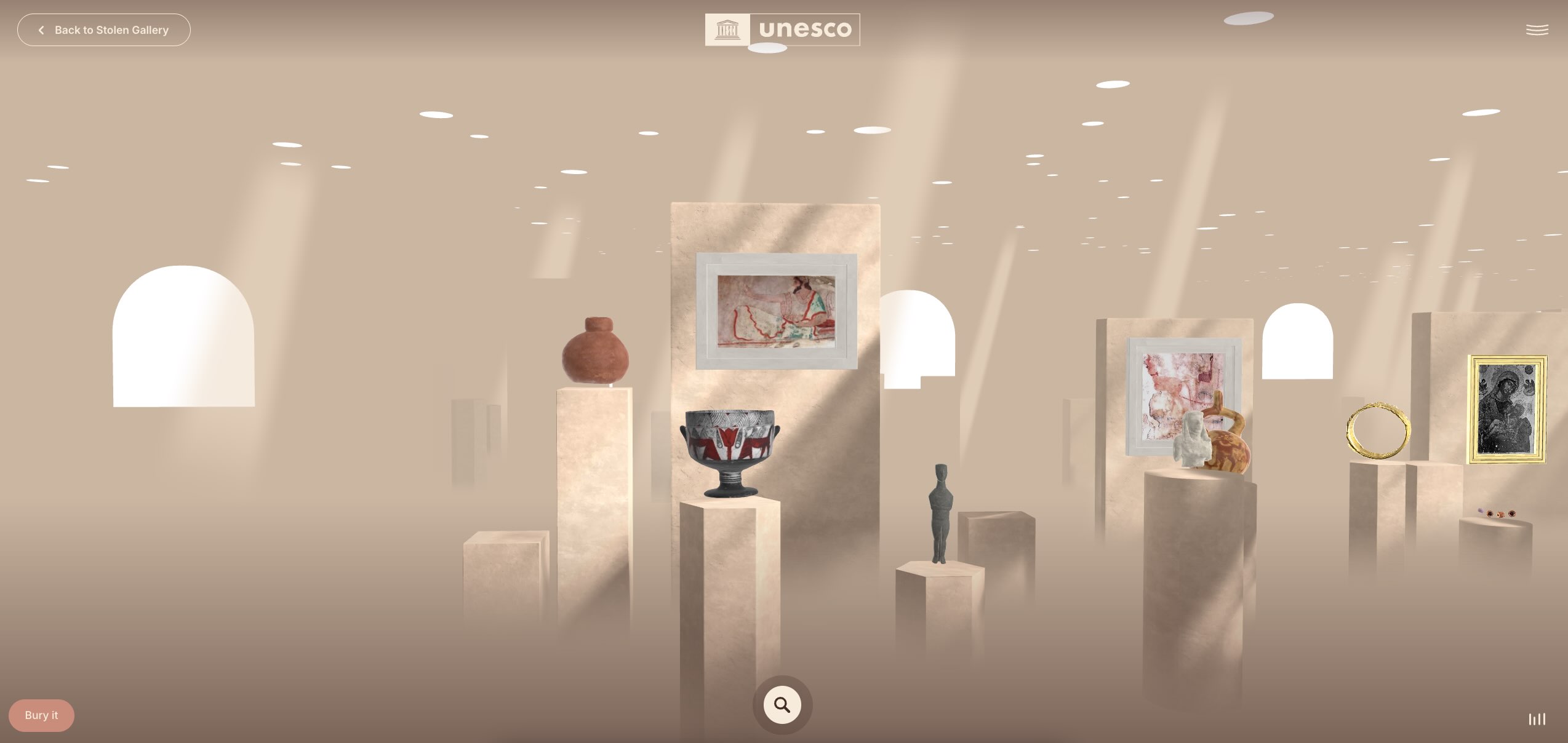
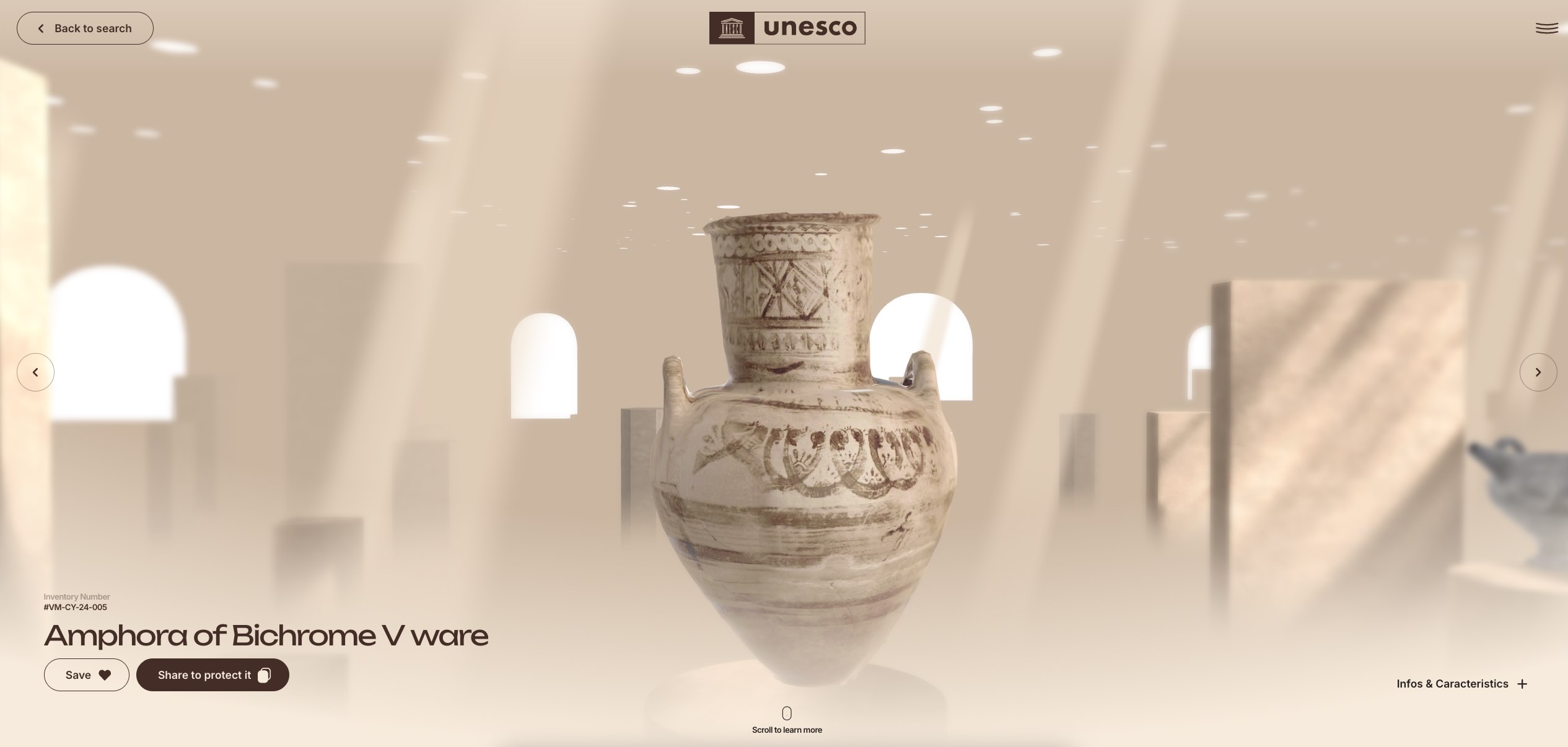
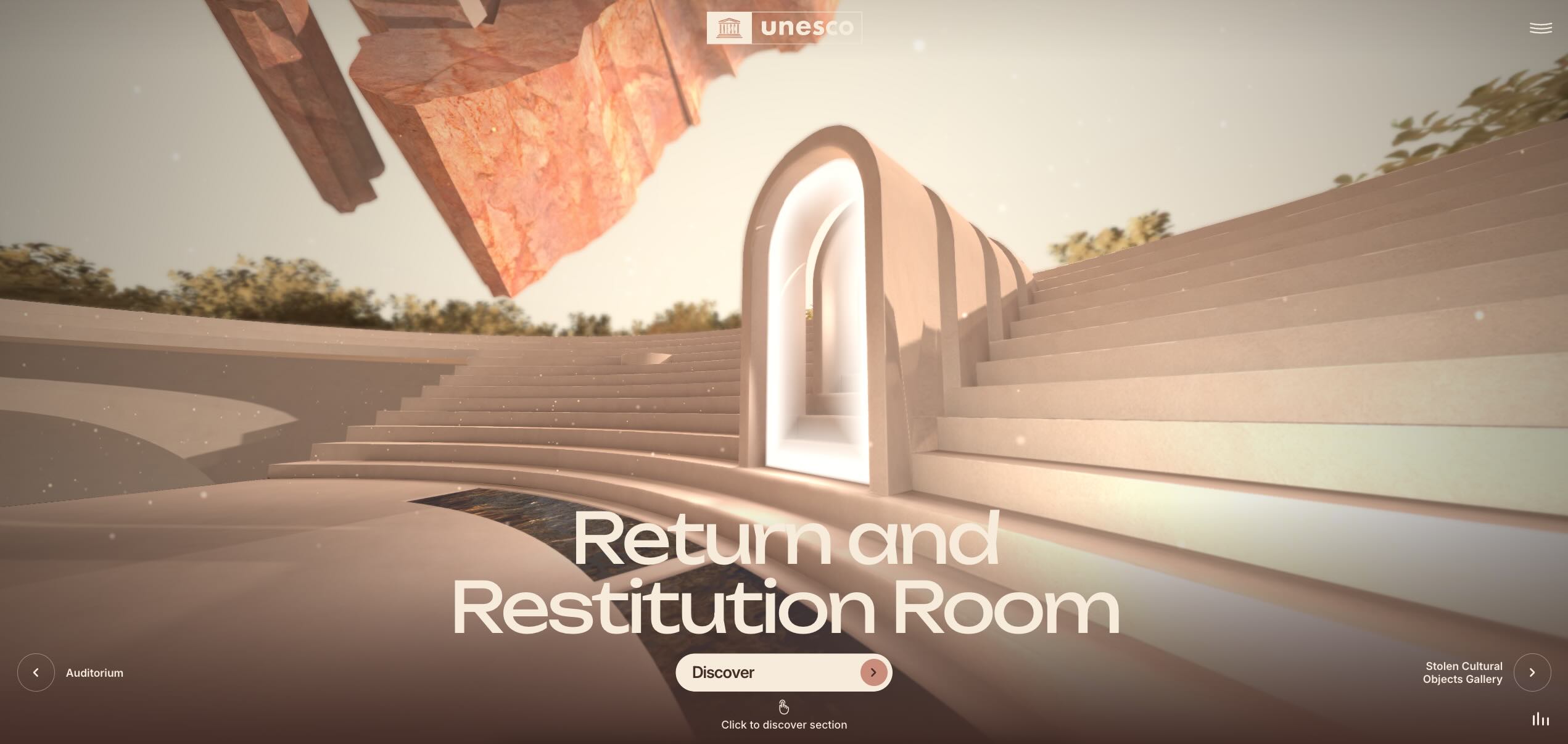
Those responsible for the project point out that the goal of space is to share the stories behind the objects, but also serve as more than an exhibition space, but also as a tool for action. By making the objects visible and recognizable, they say, its resale will be difficult in the illegal market.
The museum is now available online, and will have a campaign that will be activated globally in mid -November, according to The Stable. You will have online video, external advertising, social and public relations executions.
More info.: Virtual Museum of Stolen Cultural Objects