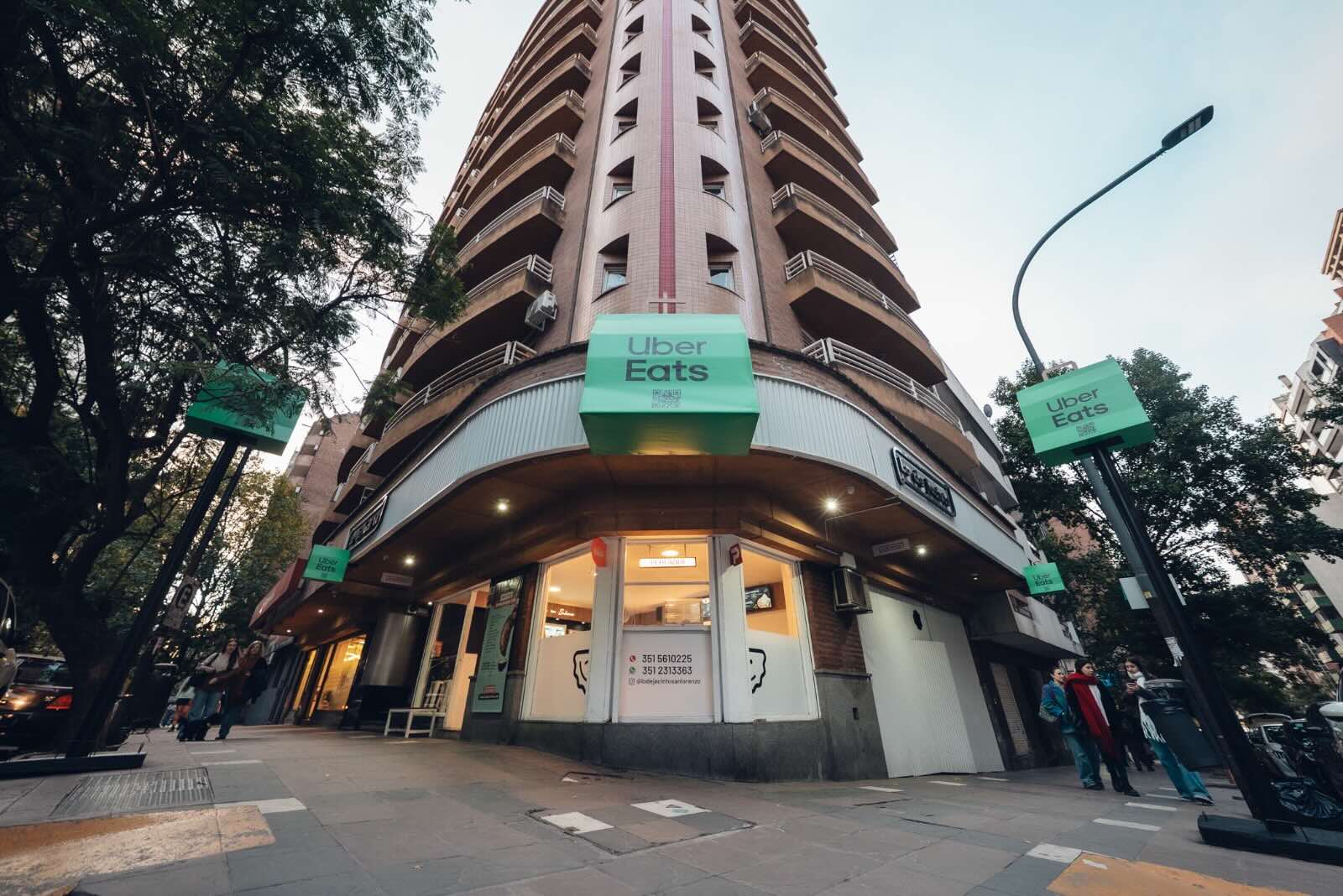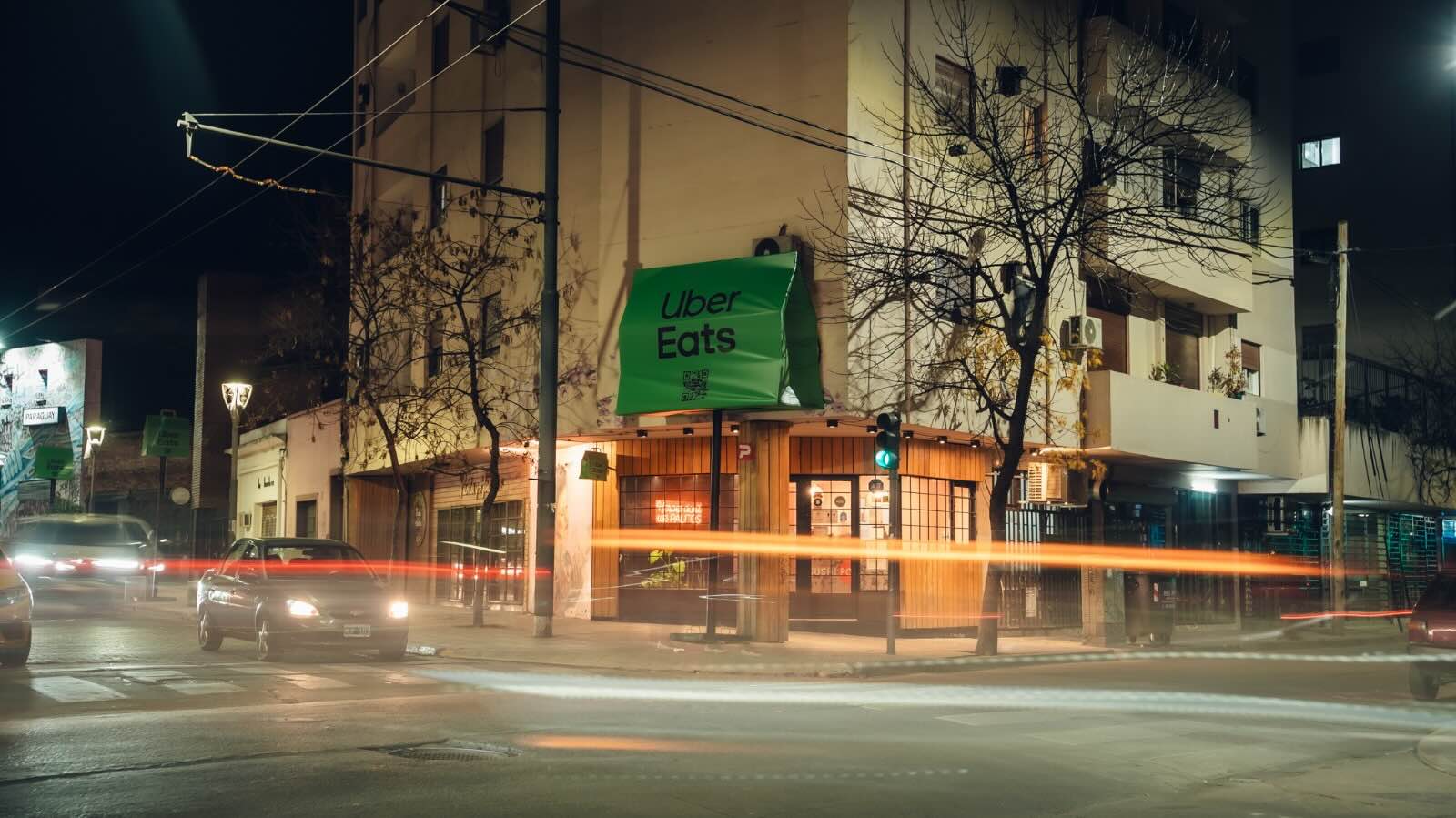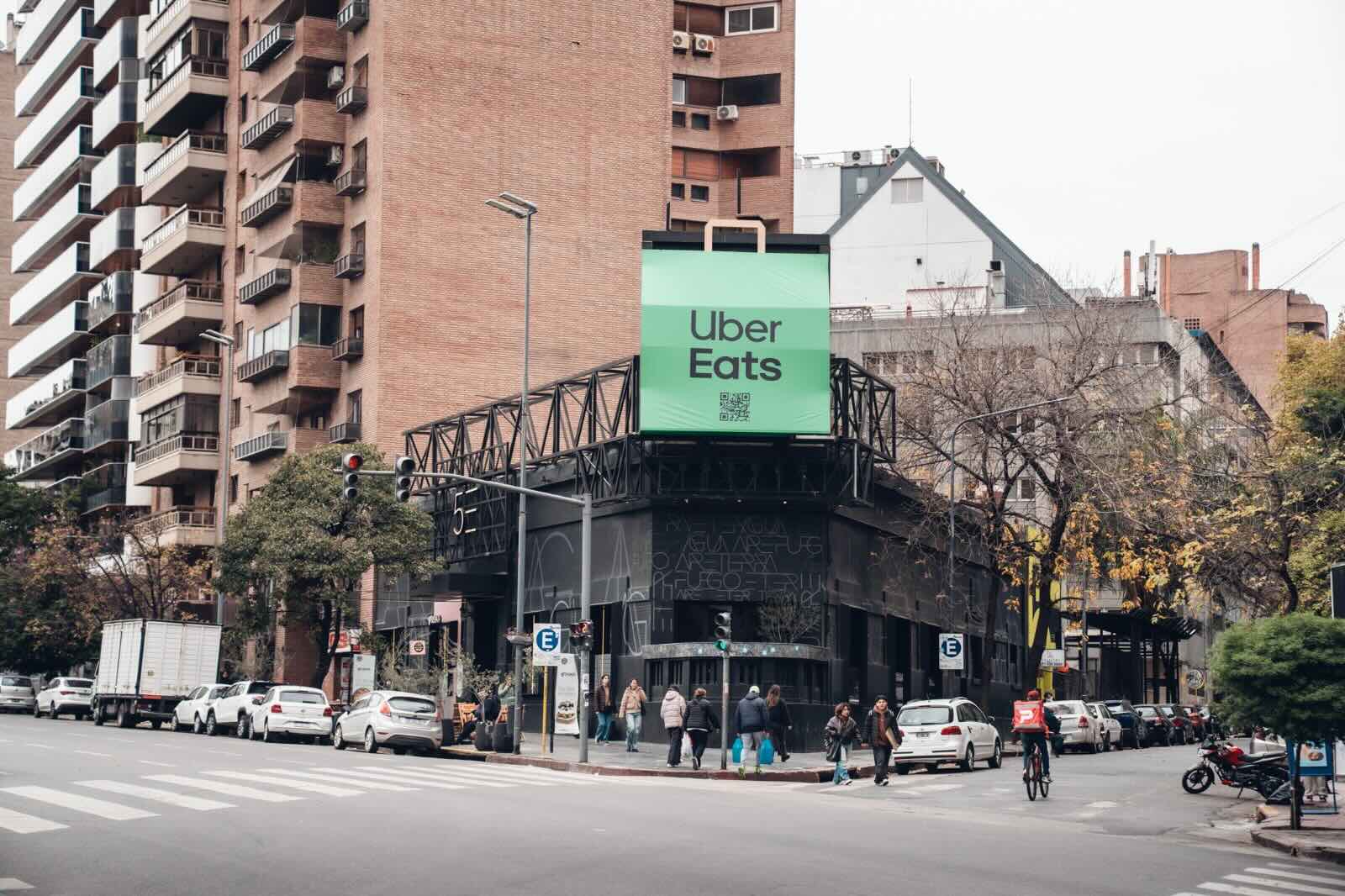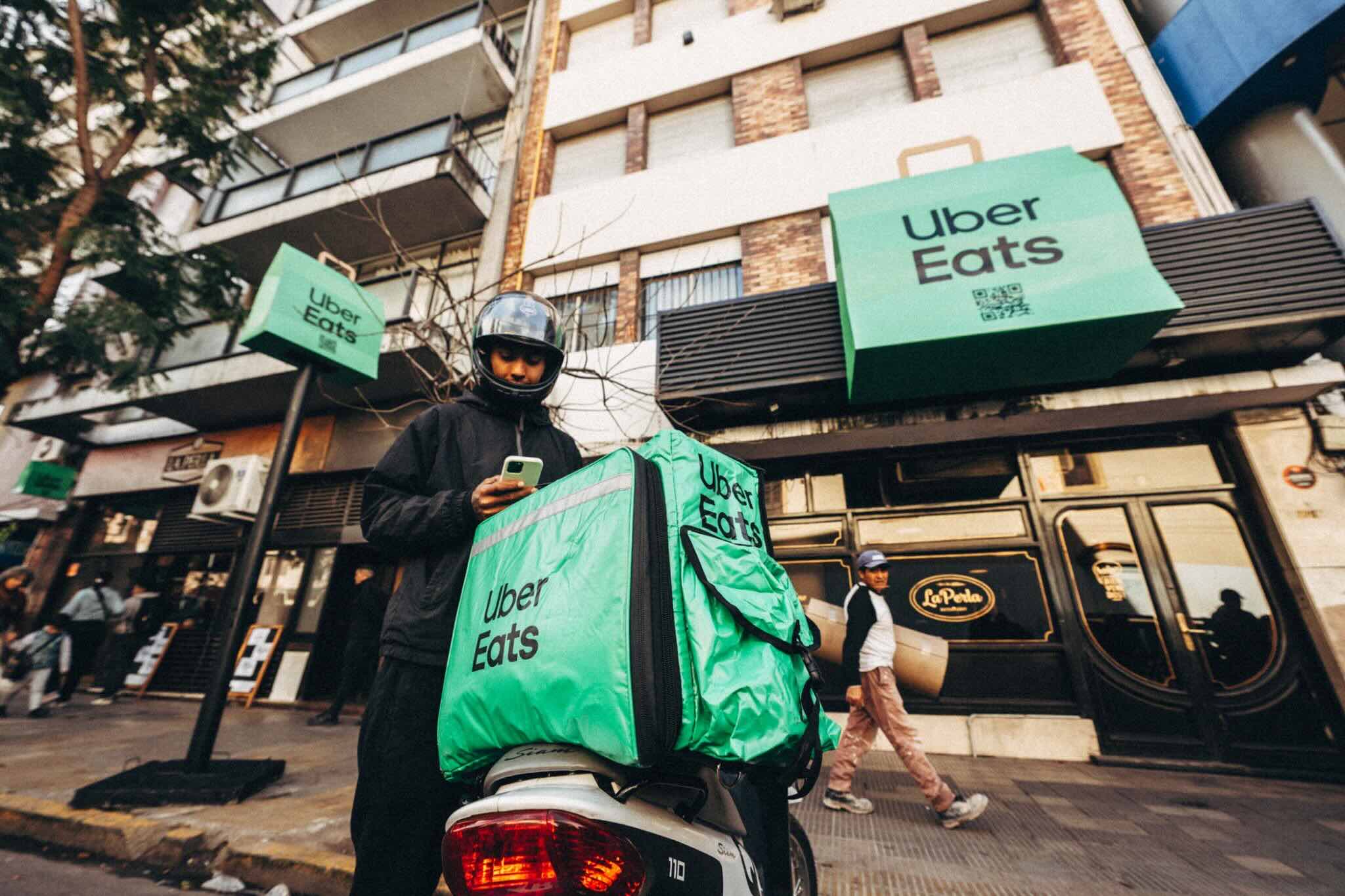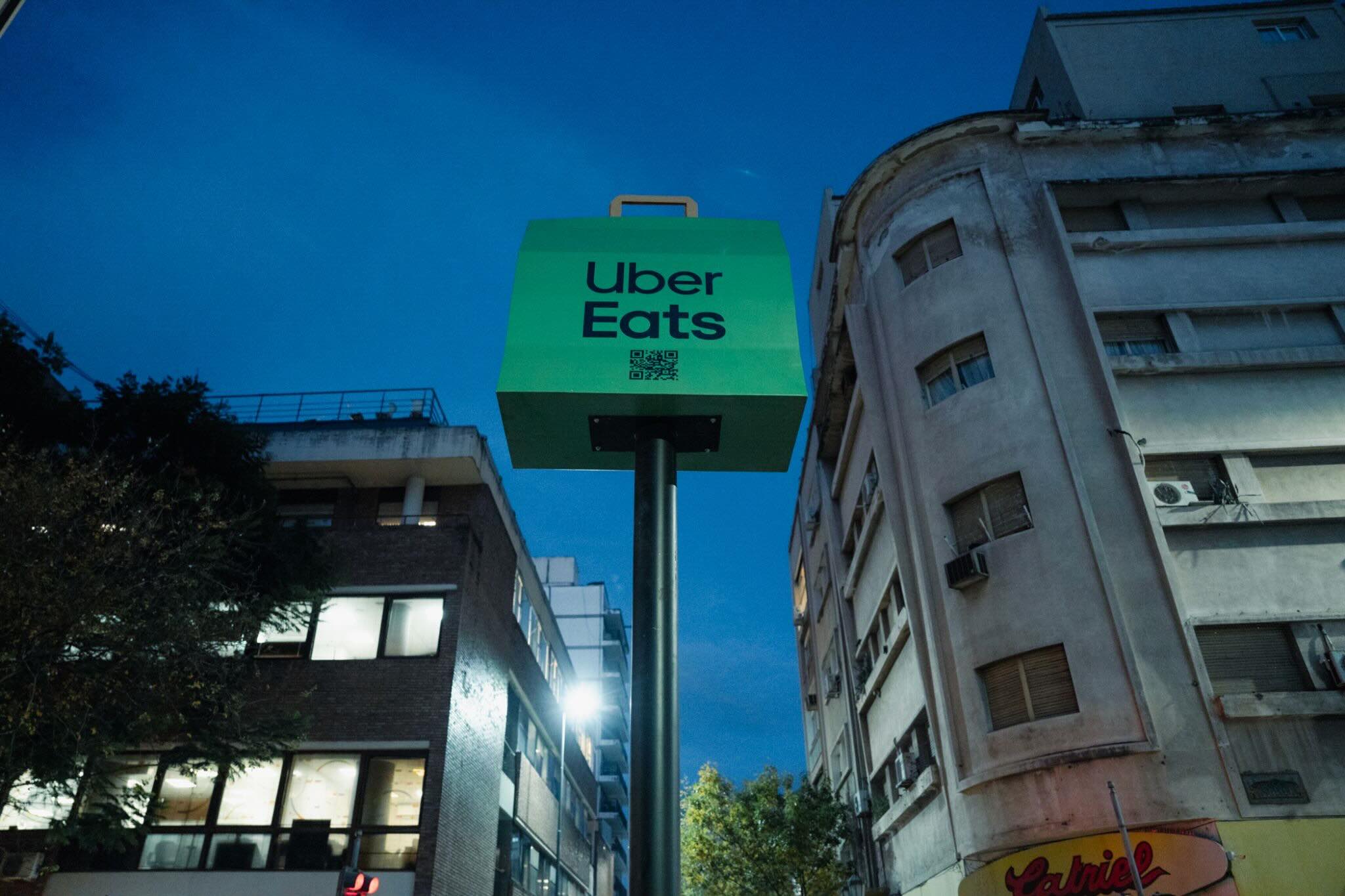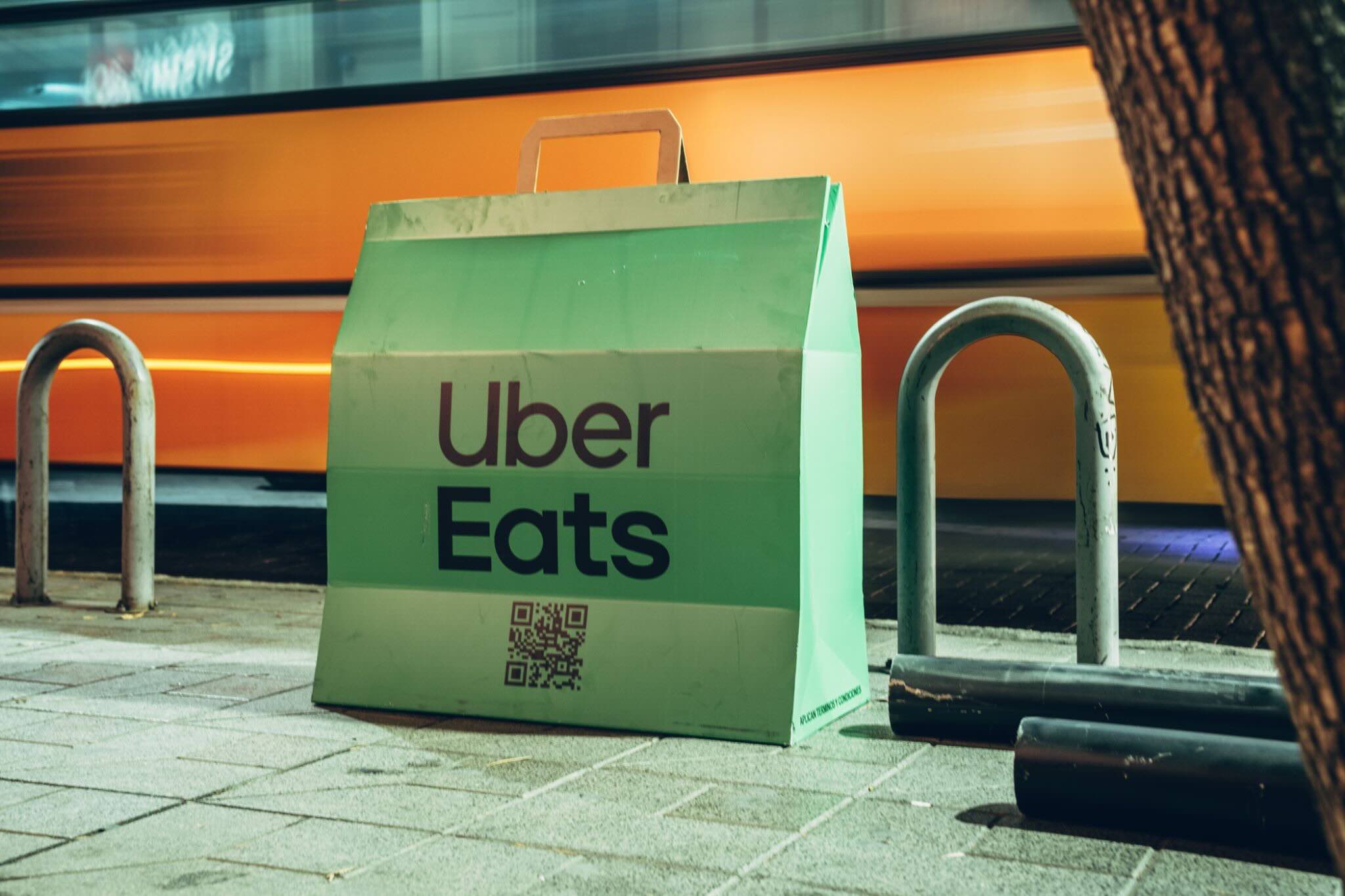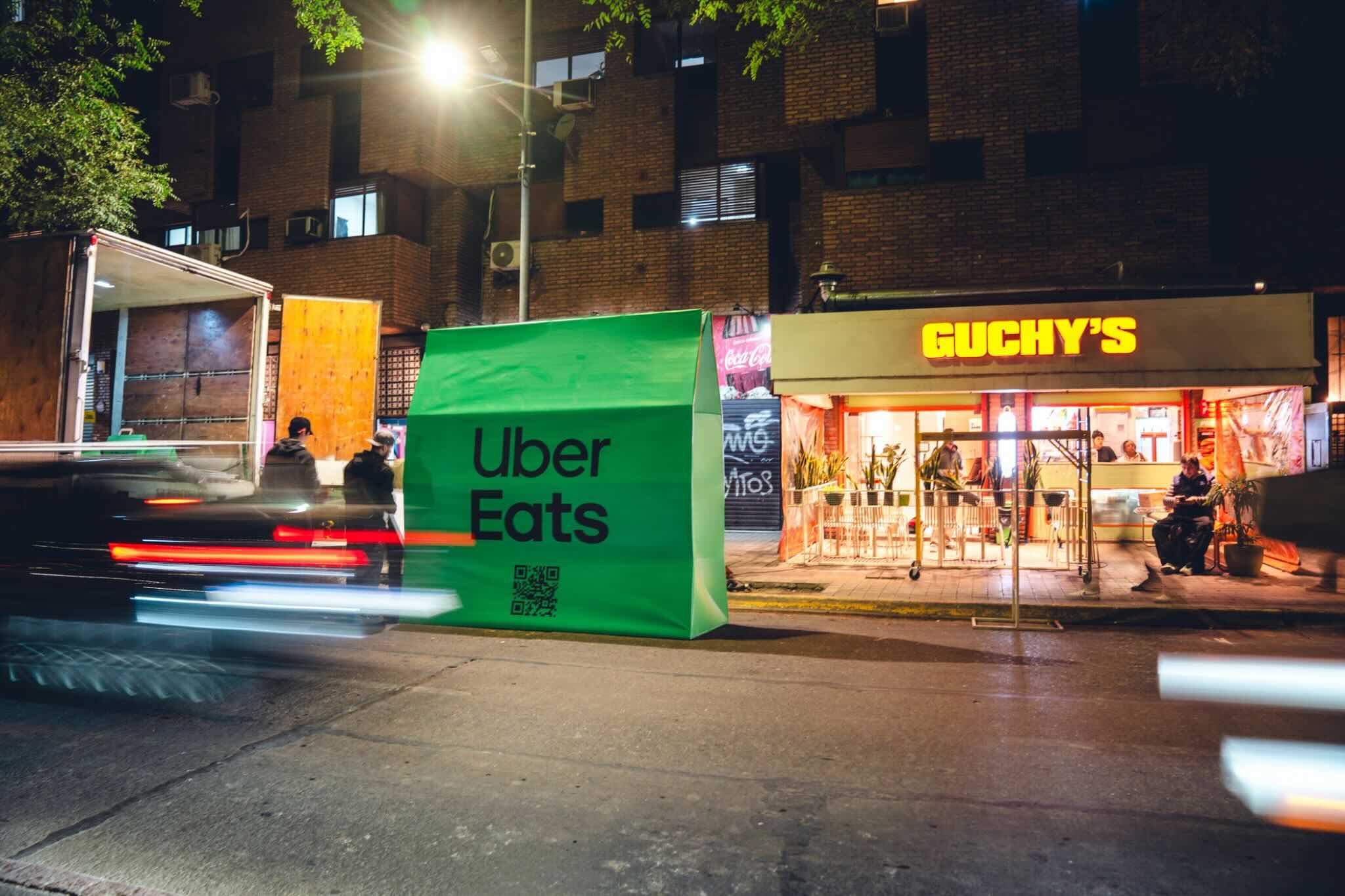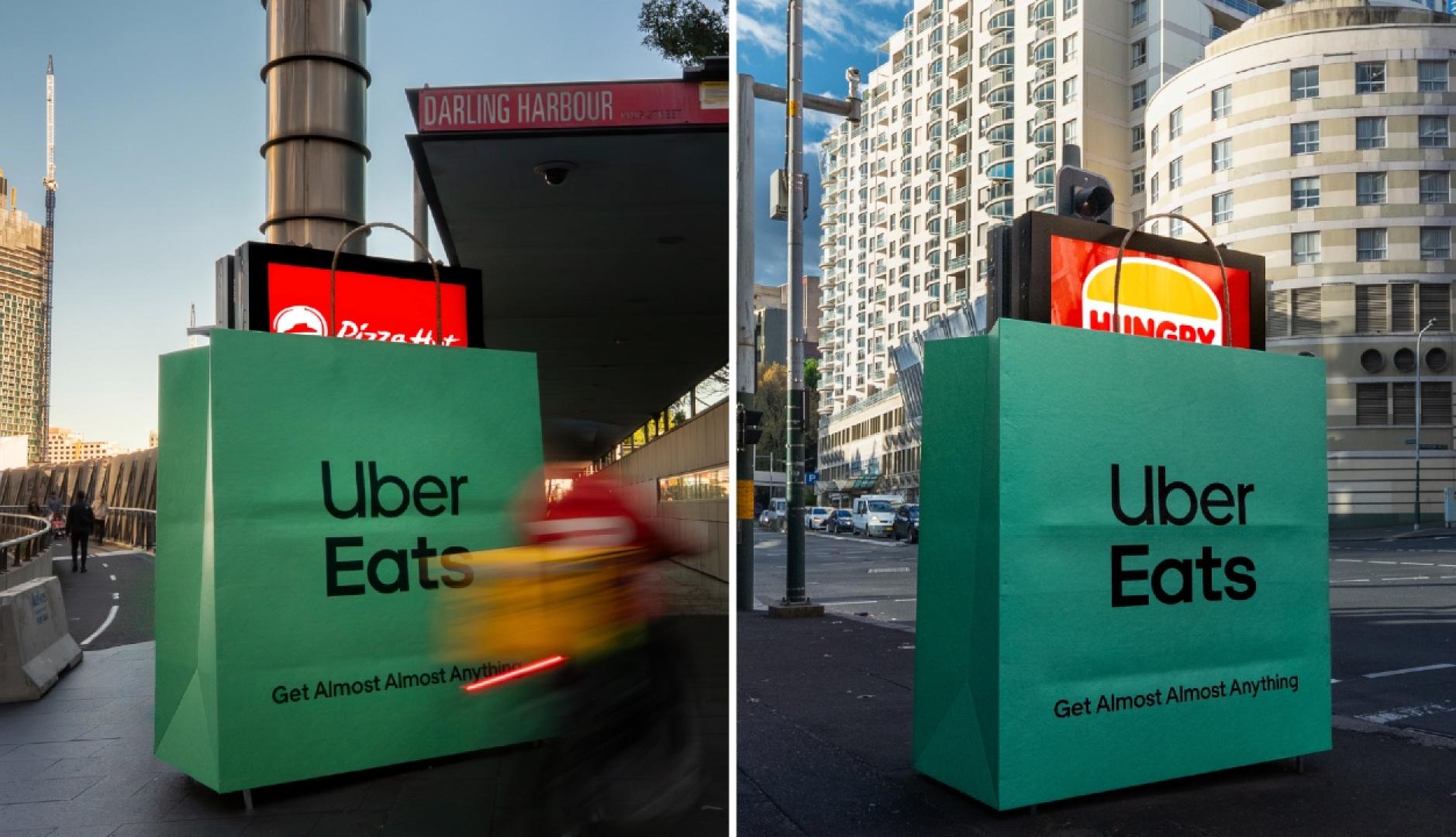
Uber Eats continues to explore the visual potential of its delivery bag as one of its most recognizable assets. After recently intervening on restaurant facades in Córdoba, Argentina, with giant versions of its packaging to communicate the return of the platform to the country, the company has now taken the idea to Australia with an outdoor advertising action that plays with the ads of other brands.
The new campaign, created by Special Australia, is part of the “Get Almost, Almost Anything” platform, with which Uber Eats has been communicating the breadth of its offer beyond prepared food. On this occasion, the idea is that the products that appear advertised on other brands’ outdoor supports can also be found on Uber Eats. The company has thus brought this reading to the urban space by covering advertisements for other brands with its characteristic delivery bags.
The action has been developed together with JCDecaux and EssenceMediacom, and consists of a series of special constructions in outdoor advertising that simulate that the advertised products have been bagged for delivery. Instead of only creating its own posters, Uber Eats intervenes in existing advertising and reinterprets it from its brand code, making the bag an immediate signal of availability, convenience and catalog breadth.
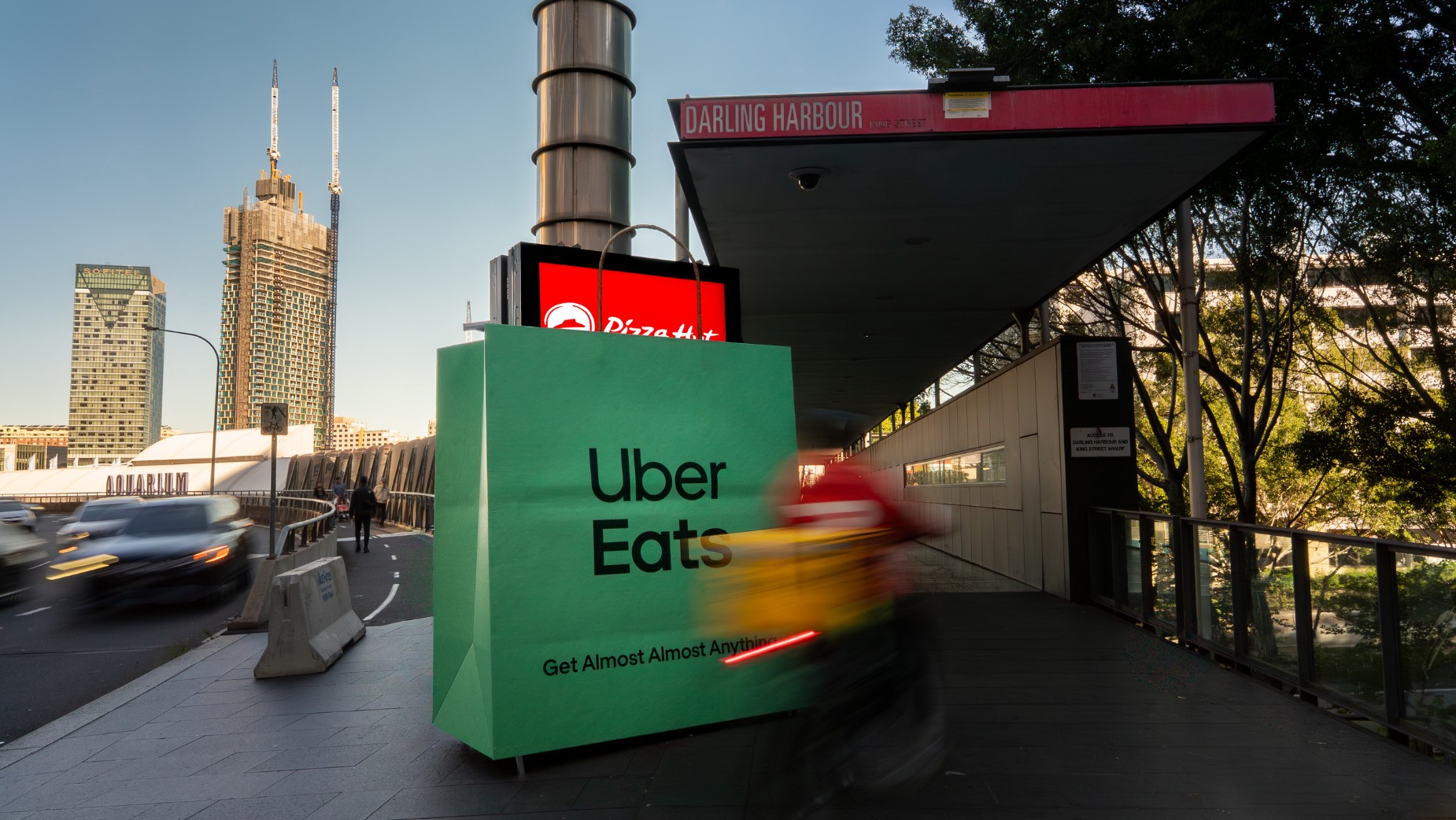
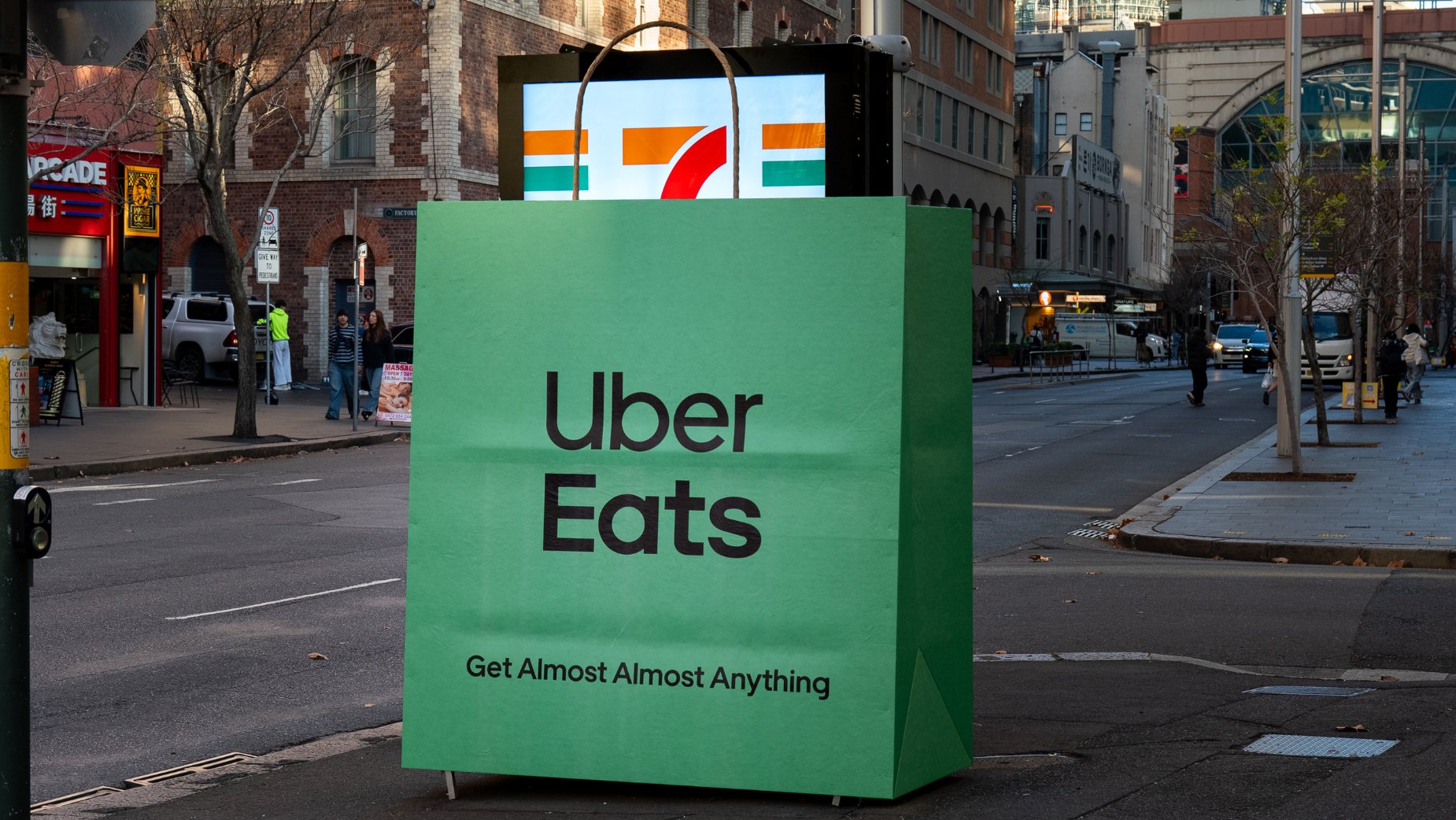
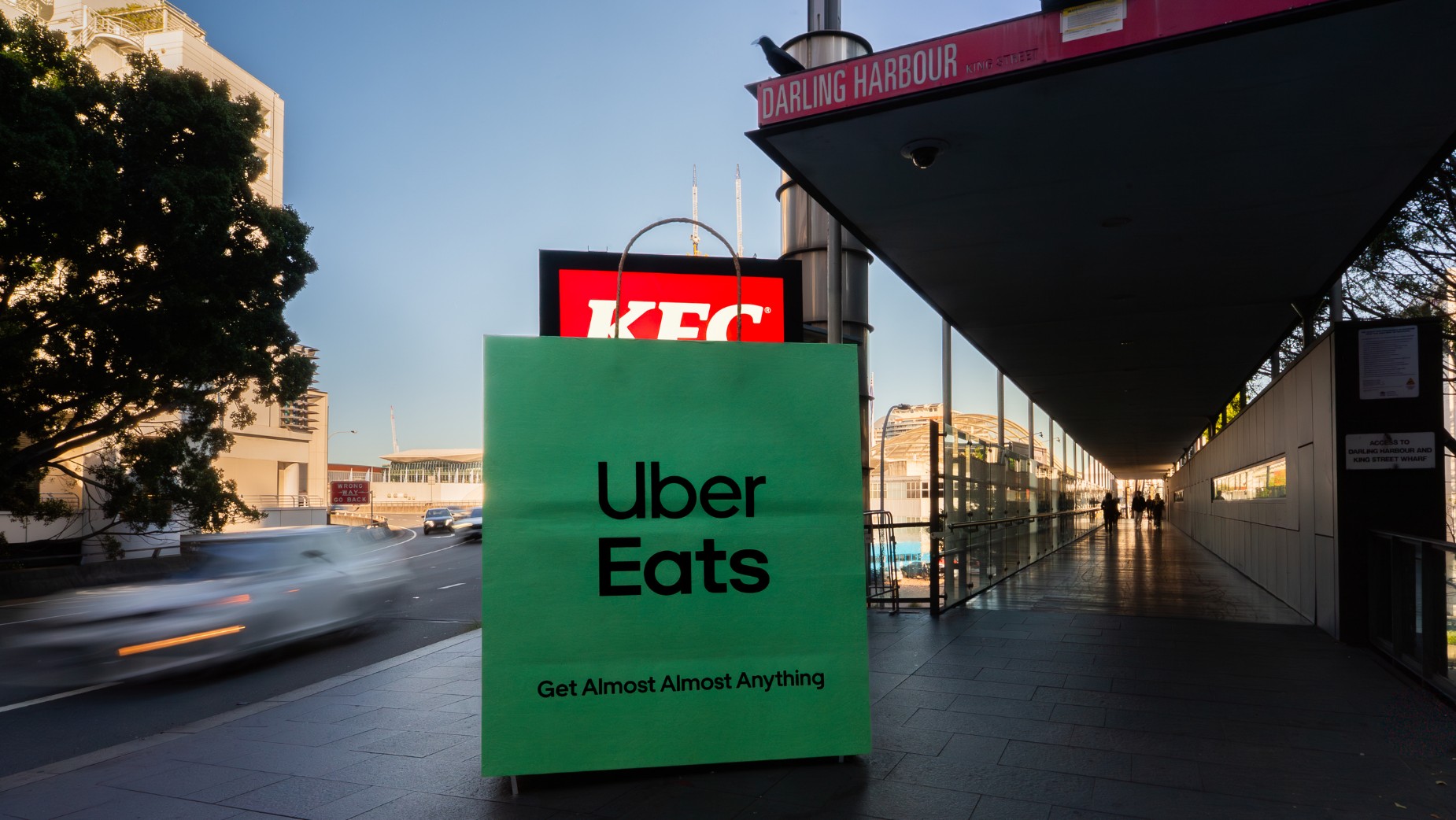
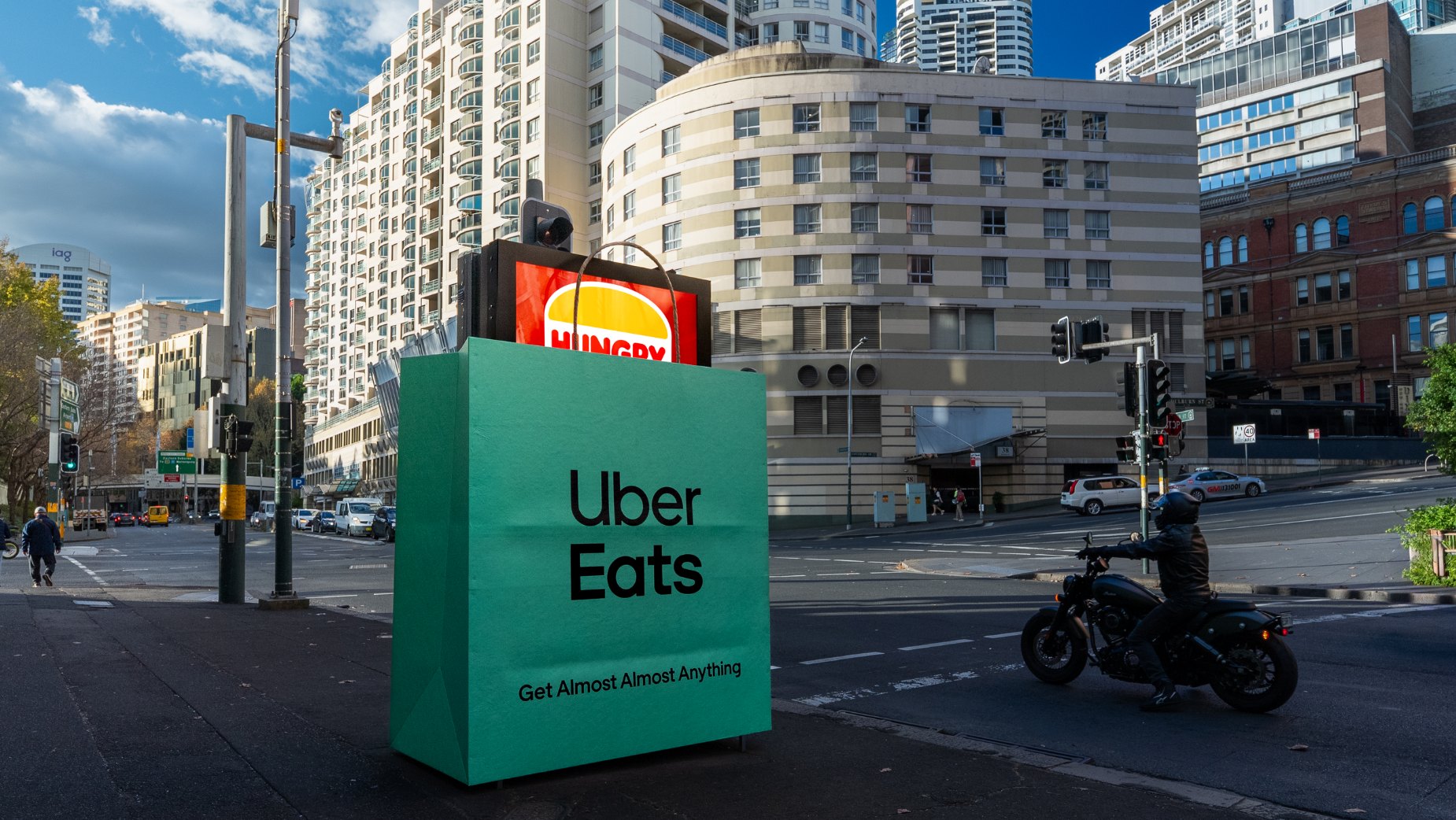
The campaign is based on one of the main communication challenges of Uber Eats: conveying that the platform is no longer limited to restaurant delivery, but allows you to order a growing variety of products.
In this context, the bag works as a particularly effective visual element, since it is directly associated with the service, but is also flexible enough to be applied to different products, categories and supports. By covering other ads with an Uber Eats bag, the brand does not need to explain too much: it suggests that everything the user sees in the city can be part of their shopping experience in the app.
The executions are being deployed in high traffic areas of Sydney and Brisbane between June 1 and 30. With this, the brand seeks to maximize the visibility of the action and reinforce the message of catalog breadth in urban environments where outdoor advertising is part of consumers’ daily journey.
The action thus reinforces the creative line that Uber Eats had already activated in Argentina. In Córdoba, the company installed giant versions of its green bag on the facades of restaurants and gastronomic establishments to communicate its relaunch in the market. That intervention turned the city into a kind of showcase prepared for home delivery.