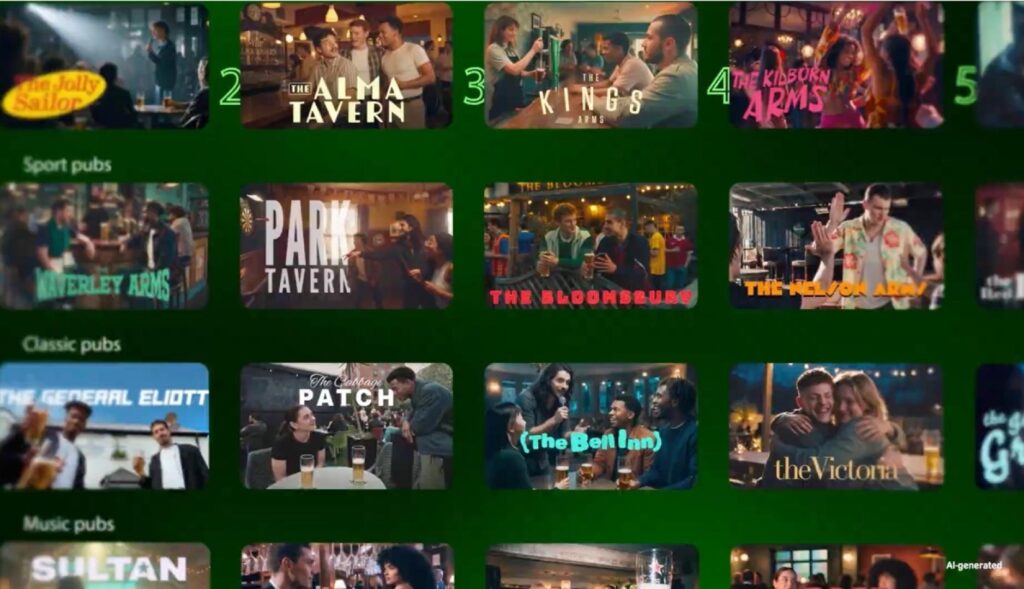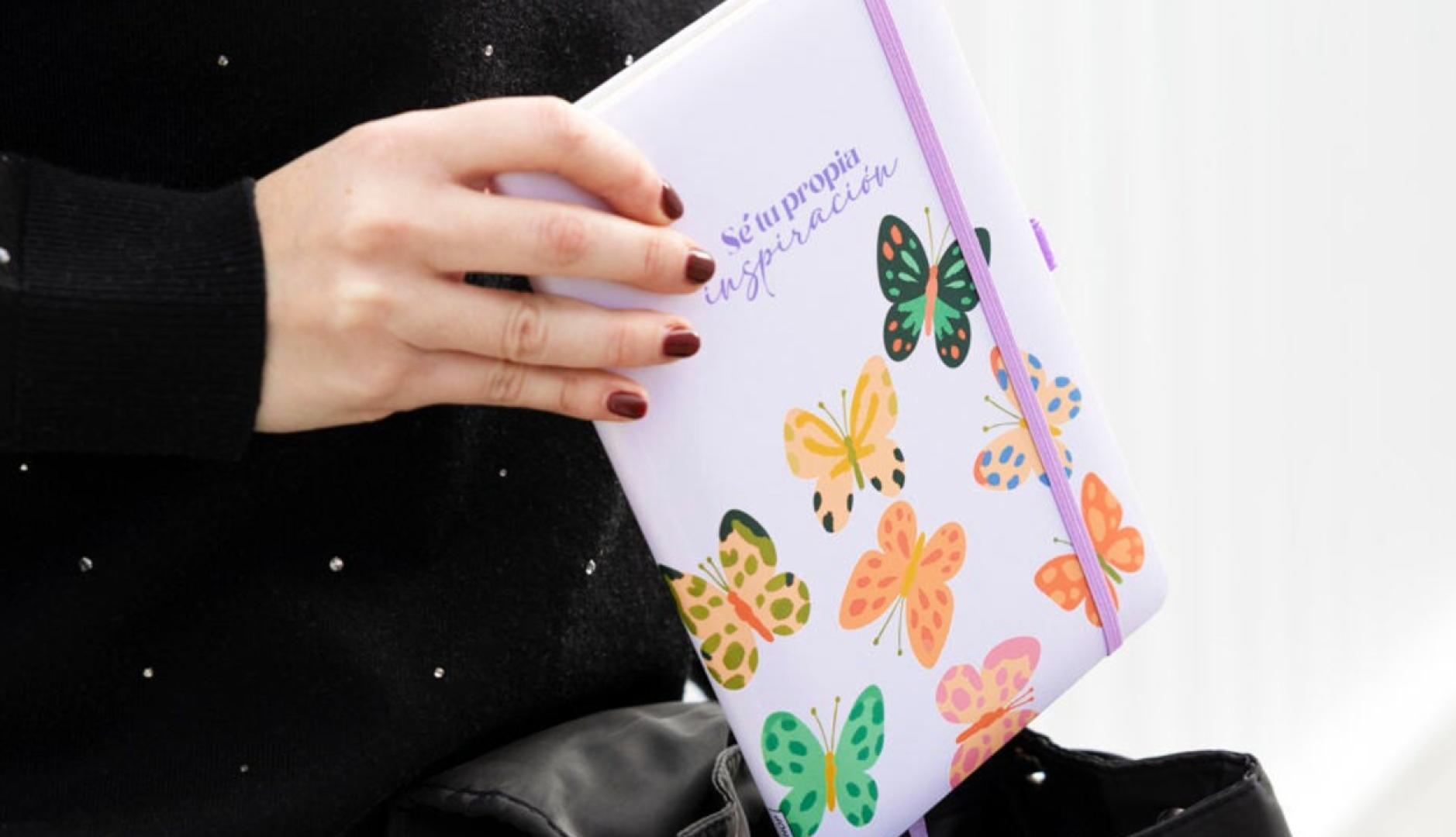
The Supreme Court has put an end to the judicial confrontation between Ale-Hop and Mr. Wonderful due to the similarity between some of their products. The Civil Chamber has rejected the appeals presented by Mr. Wonderful and has confirmed the previous resolutions that rejected that Ale-Hop had incurred in unfair competition.
The ruling thus resolves a procedure initiated in March 2021. Mr. Wonderful had sued Clave Denia and Clave Denia Canarias – companies linked to Ale-Hop – considering that there were acts of unfair imitation in gift products that combined drawings, humanized characters or objects and short messages.
The company demanded, among other issues, the cessation of these practices, the withdrawal and destruction of the products it considered imitations, as well as compensation for damages or, alternatively, the restitution of alleged unjust enrichment. The Commercial Court number 5 of Valencia dismissed the lawsuit in January 2022 and, subsequently, the Provincial Court of Valencia rejected Mr. Wonderful’s appeal in November of that year. The matter finally reached the Supreme Court.
Mr. Wonderful demanded the destruction of the products and compensation
The Supreme Court does not appreciate the risk of association between the brands
The controversy has been resolved within the scope of the Unfair Competition Law and, specifically, around acts of imitation. The ruling itself specifies that Mr. Wonderful did not invoke in this procedure the exclusive right derived from the industrial designs that it has registered, so the analysis focuses on determining whether the alleged imitation could generate an association between the companies, imply improper use of the reputation or efforts of others, or constitute a strategy of systematic imitation with predatory purposes.
The Supreme Court recalls in its resolution the general principle of free imitation and analyzes whether Ale-Hop had incorporated sufficient elements of differentiation so that the consumer could identify the business origin of its products.
The conclusion is favorable to Ale-Hop. The Court supports the Provincial Court’s assessment that the company had incorporated sufficient elements to limit the risk of association between both proposals and avoid confusion regarding the business origin of the products. Nor does it consider any improper use of Mr. Wonderful’s efforts or systematic imitation with predatory purposes proven.
This does not mean that the Supreme Court denies the uniqueness of Mr. Wonderful’s proposal. The ruling states that its way of combining drawings, colors and texts introduced its own characteristics into the market that allow consumers to recognize its products and that constituted one of the keys to its business success.
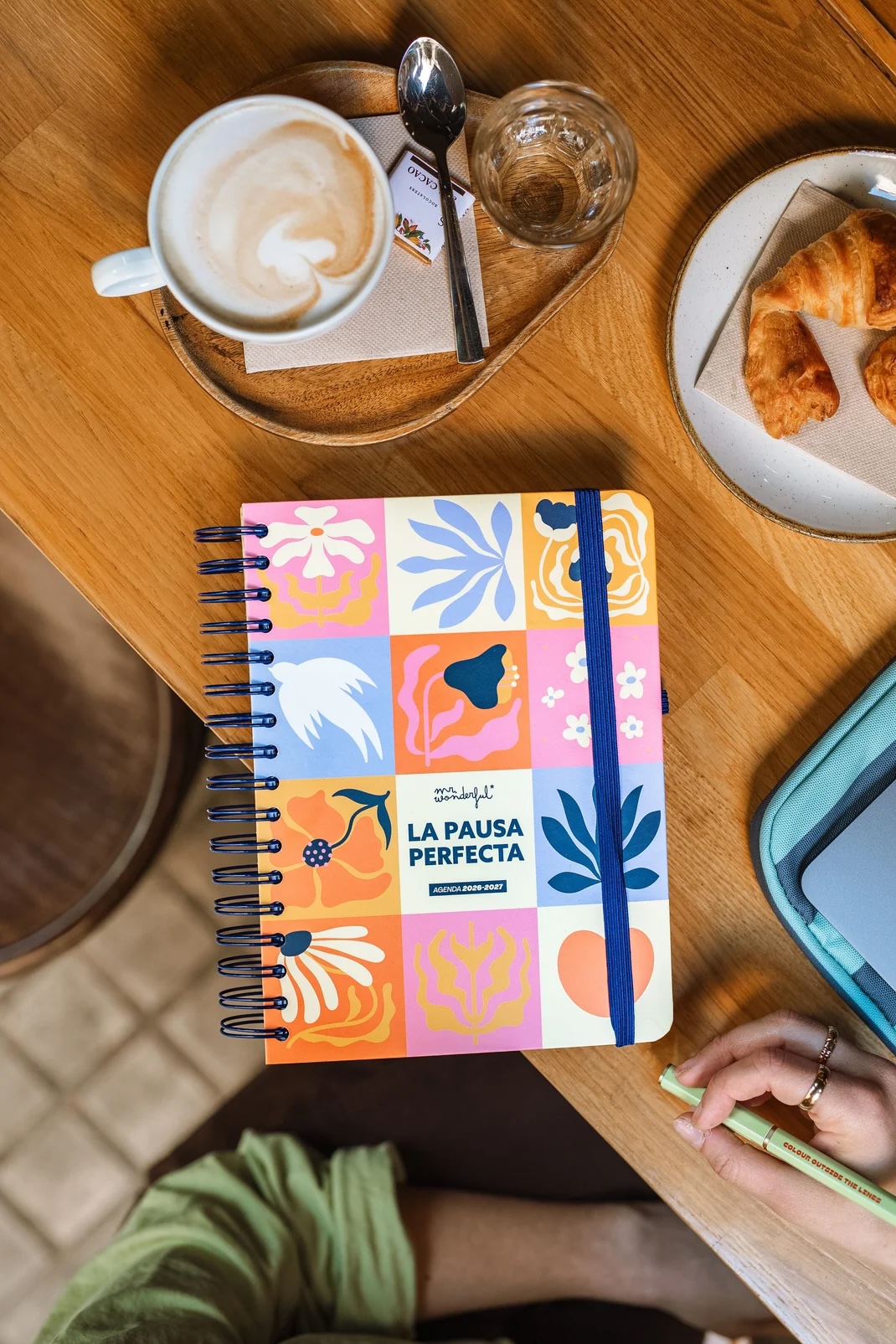
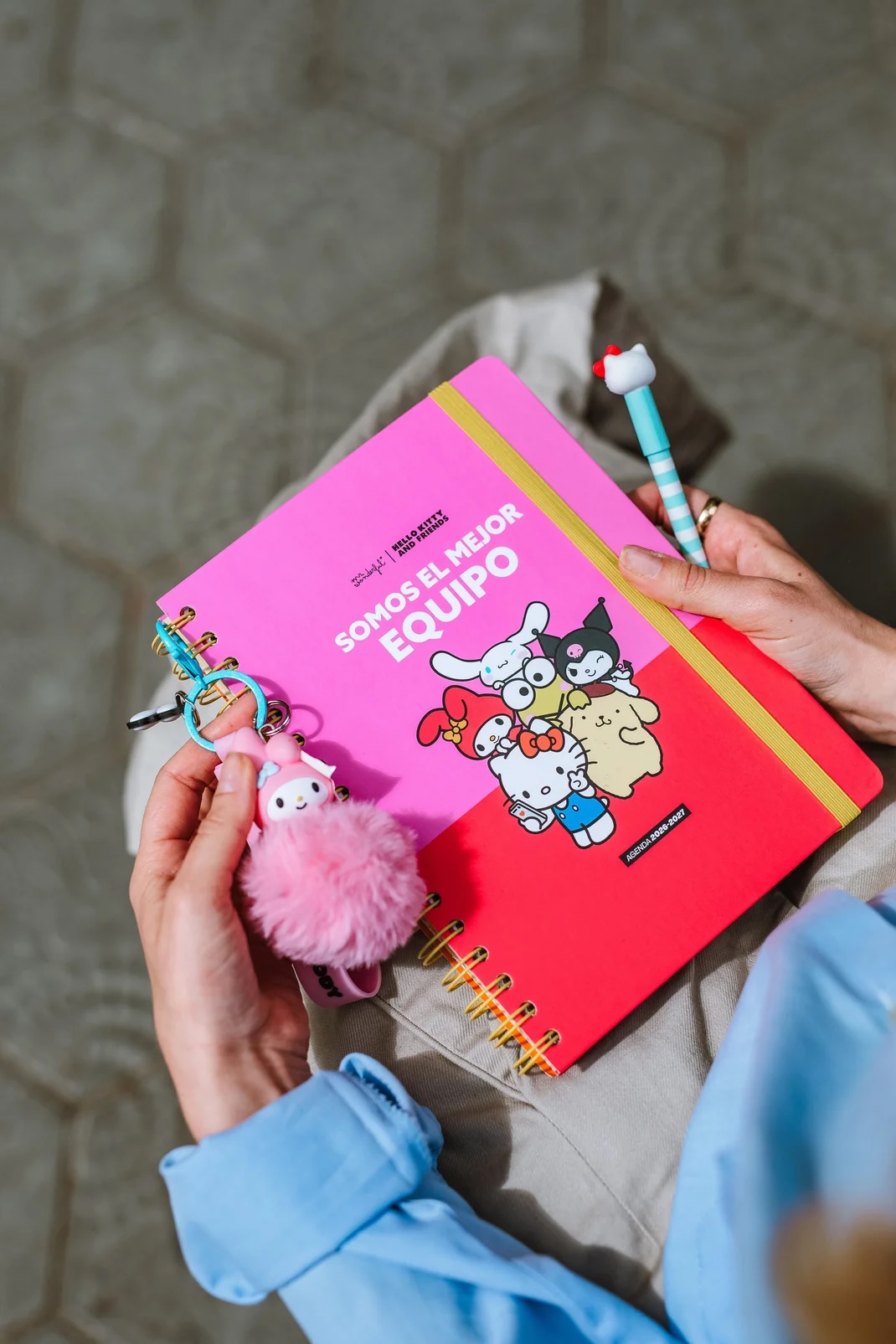
Several examples of notebooks that Mr. Wonderful has in its catalog
One of the elements that provides context to the case is Ale-Hop’s previous career. Among the proven facts included in the ruling is that the company was already using in 2009 and 2010, before the creation of Mr. Wonderful, designs that combined drawings and texts related to some of the elements discussed later in the procedure.
The Supreme Court mentions, for example, a product included in the 2010 Ale-Hop catalog that showed a personified cup of coffee and a churro next to a carton of milk, also humanized, accompanied by the expression “Good morning.” The ruling also places this type of resources within a market in which different companies used humanized drawings of food, stars, hearts, unicorns or other objects, sometimes accompanied by positive messages.
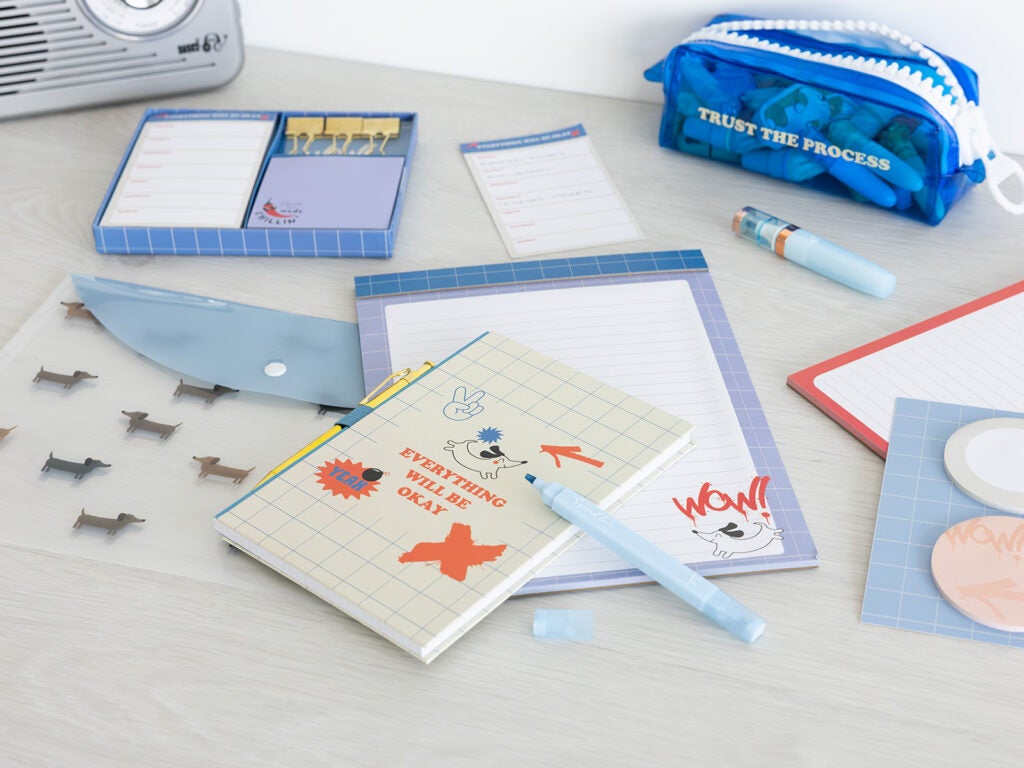
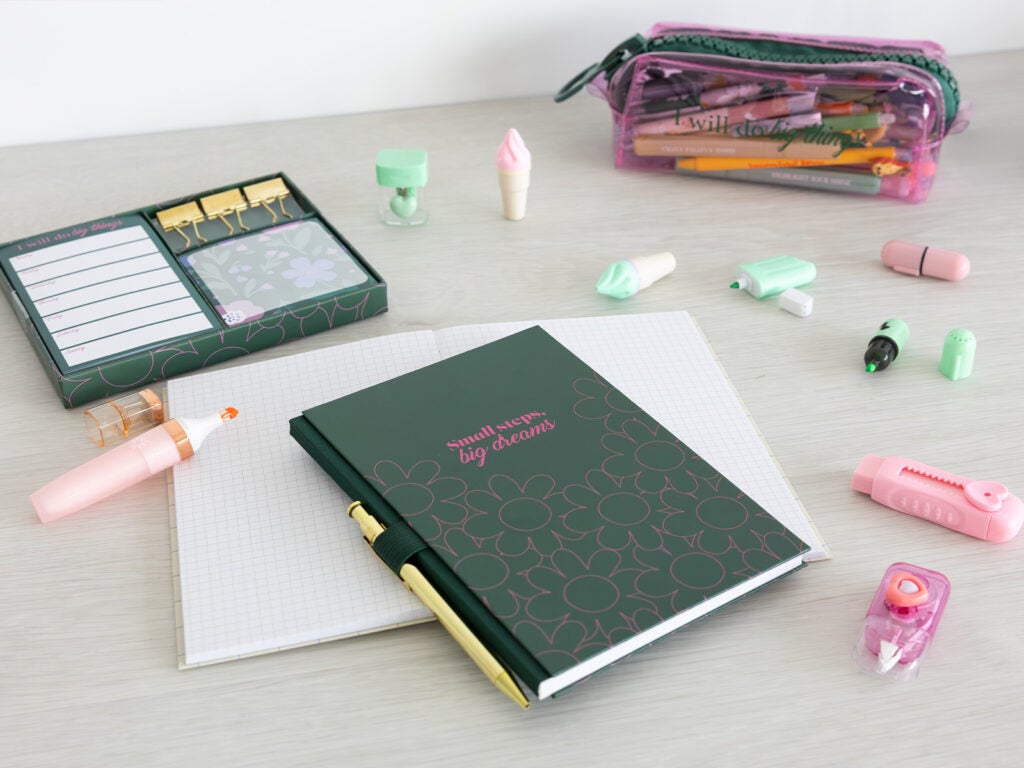
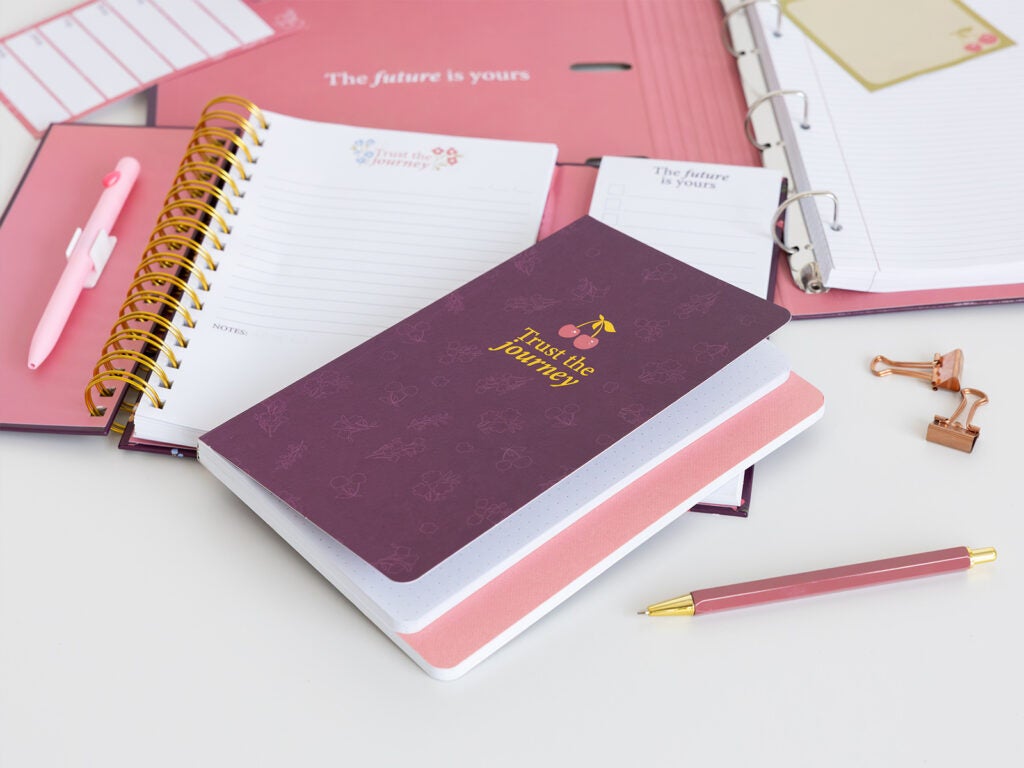
Several examples of notebooks that Ale-Hop has in its catalog
Ale-Hop has publicly celebrated the resolution and believes it recognizes the work of its design teams. “We appreciate this decision because we believe it does justice to our trajectory and to the work of all the people who have built Ale-Hop during these 25 years”the company’s management has indicated.
The company defends that its way of competing has been based on “design, improve and surprise from your own identity” and claims the coexistence between different proposals within a broad segment such as gift products. The resolution also coincides with the 25th anniversary of Ale-Hop as a brand, whose history began in 2001.
The Supreme Court’s ruling thus closes five years of judicial history and confirms the rejection of Mr. Wonderful’s claims, in a case that has forced the courts to delimit how far the similarity between aesthetic proposals within the same market can go before it can be considered unfair competition.