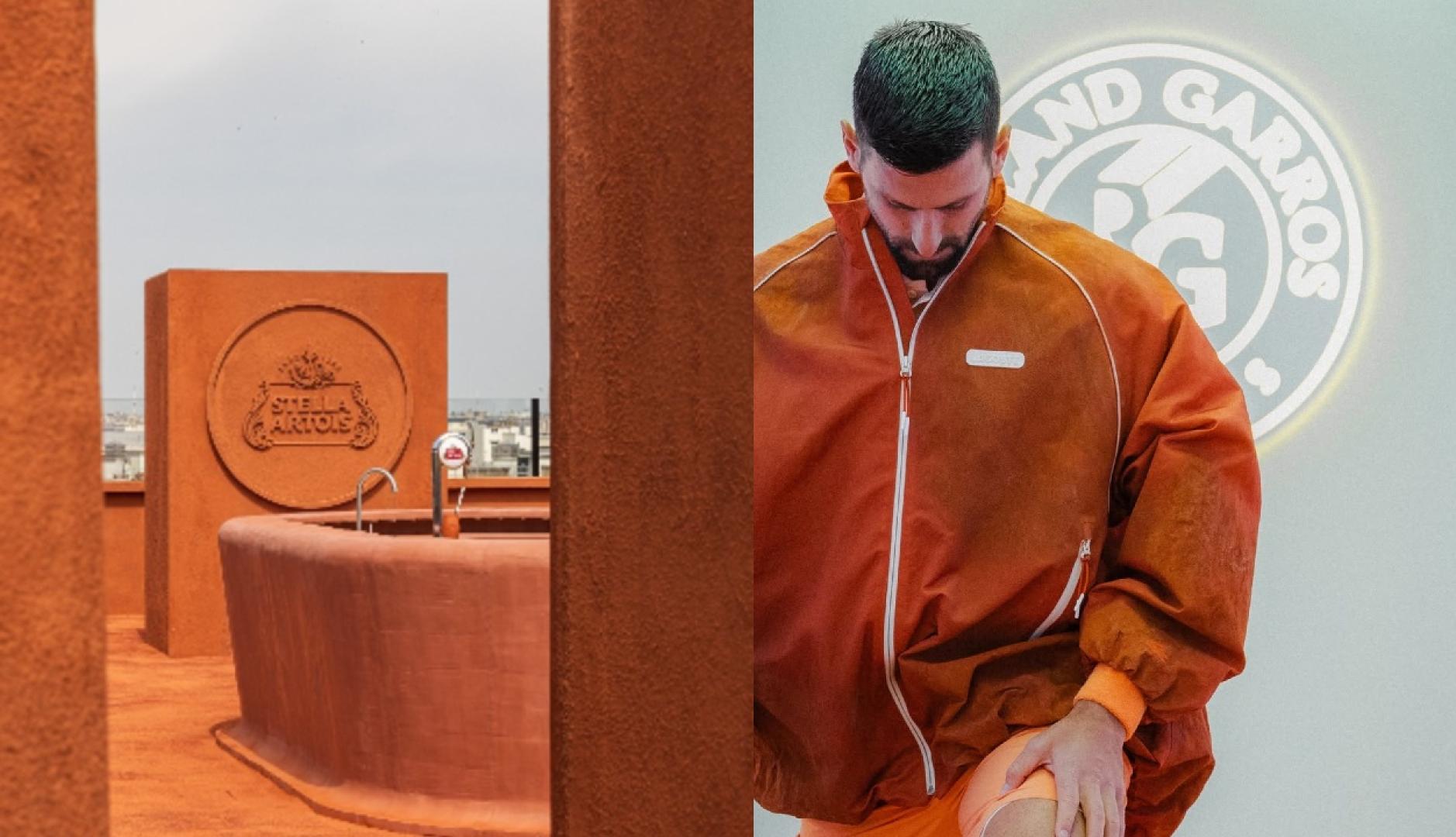
The Roland-Garros clay court is no longer just a playing surface but is becoming an increasingly attractive creative resource for brands. Its color, its texture and its ability to leave a mark condense a good part of the tournament’s imagination: effort, elegance, tradition and a certain physical imperfection that contrasts with the usual neatness of major sporting events. In the 2026 edition, Stella Artois and Lacoste have resorted to that same symbolic material to develop different actions, but connected by the same idea: clay is stepped on on the court, but it can also be inhabited, worn and transformed into a brand experience.
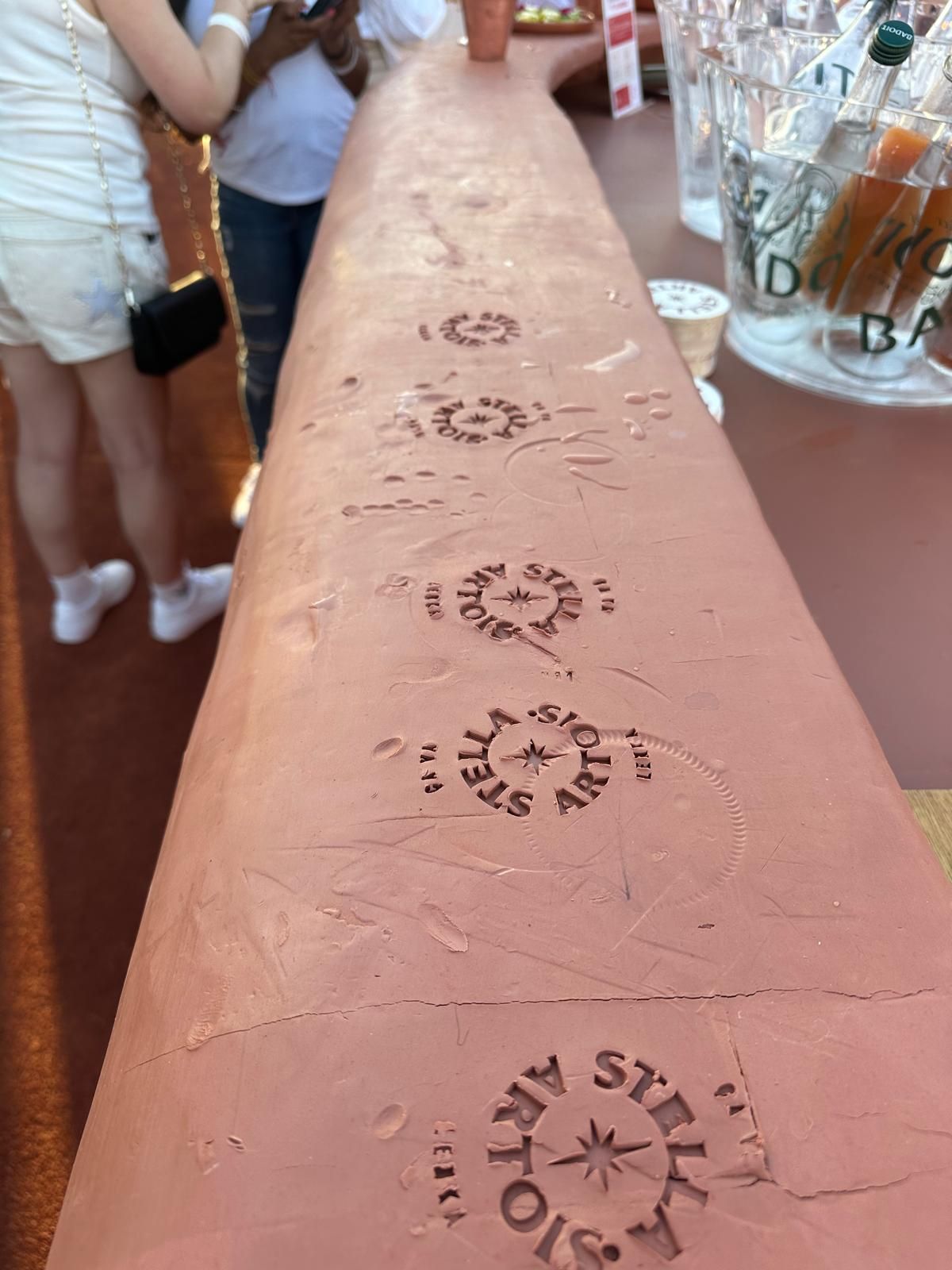
Stella Artois has done it with Stella Artois Clay Bar, an immersive activation installed on a private rooftop in Paris during the Roland-Garros tournament. The brand has recreated a covered clay environment inspired by the tournament courts and placed a sculptural bar made of wet clay in the center, designed to evolve as guests interact with it. The proposal, developed in collaboration with Wink and Gut São Paulo, plays with one of the most recognizable consequences of the tournament: getting dirty. But what would normally be an awkwardness becomes here a badge of participation.
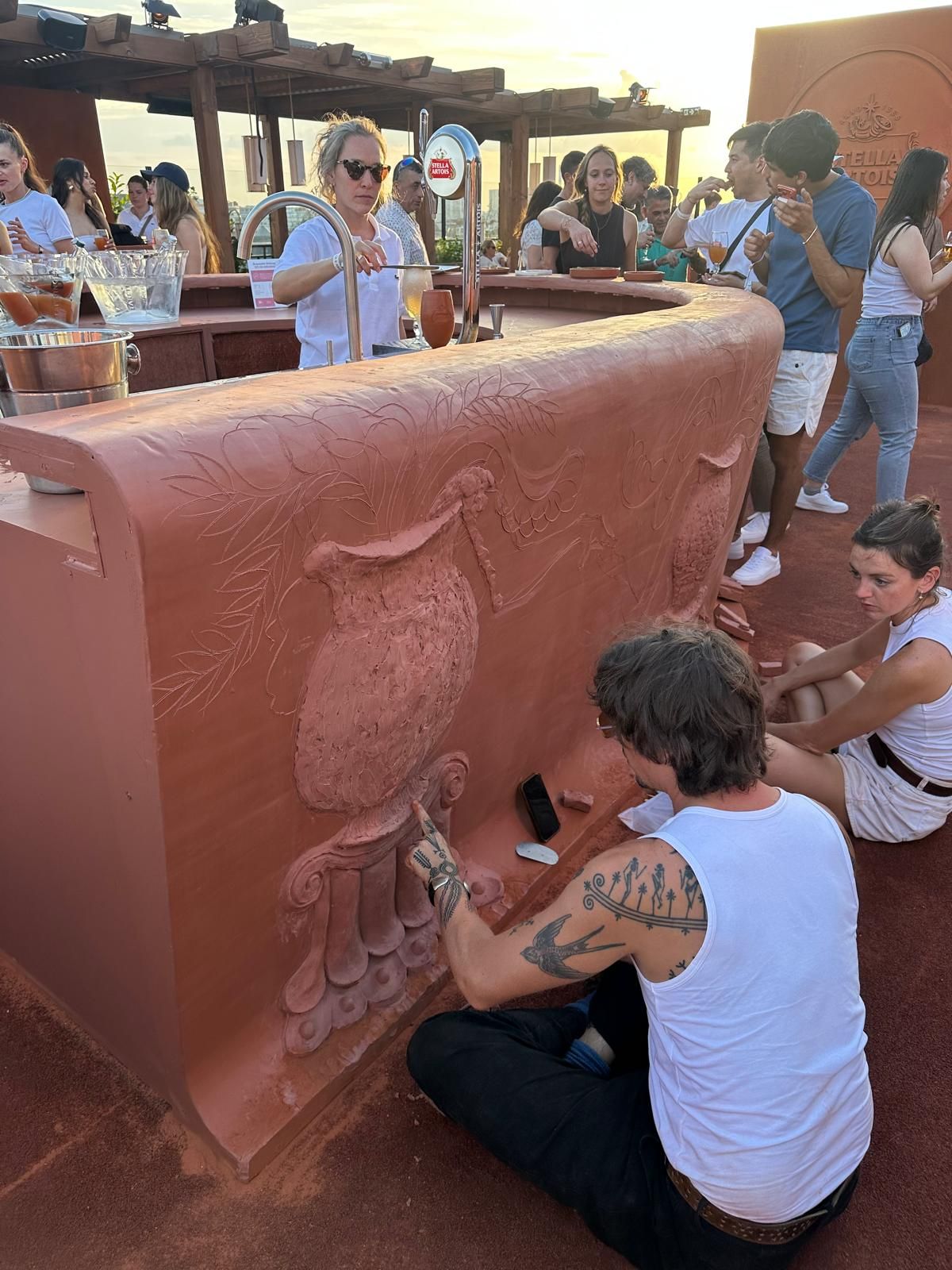
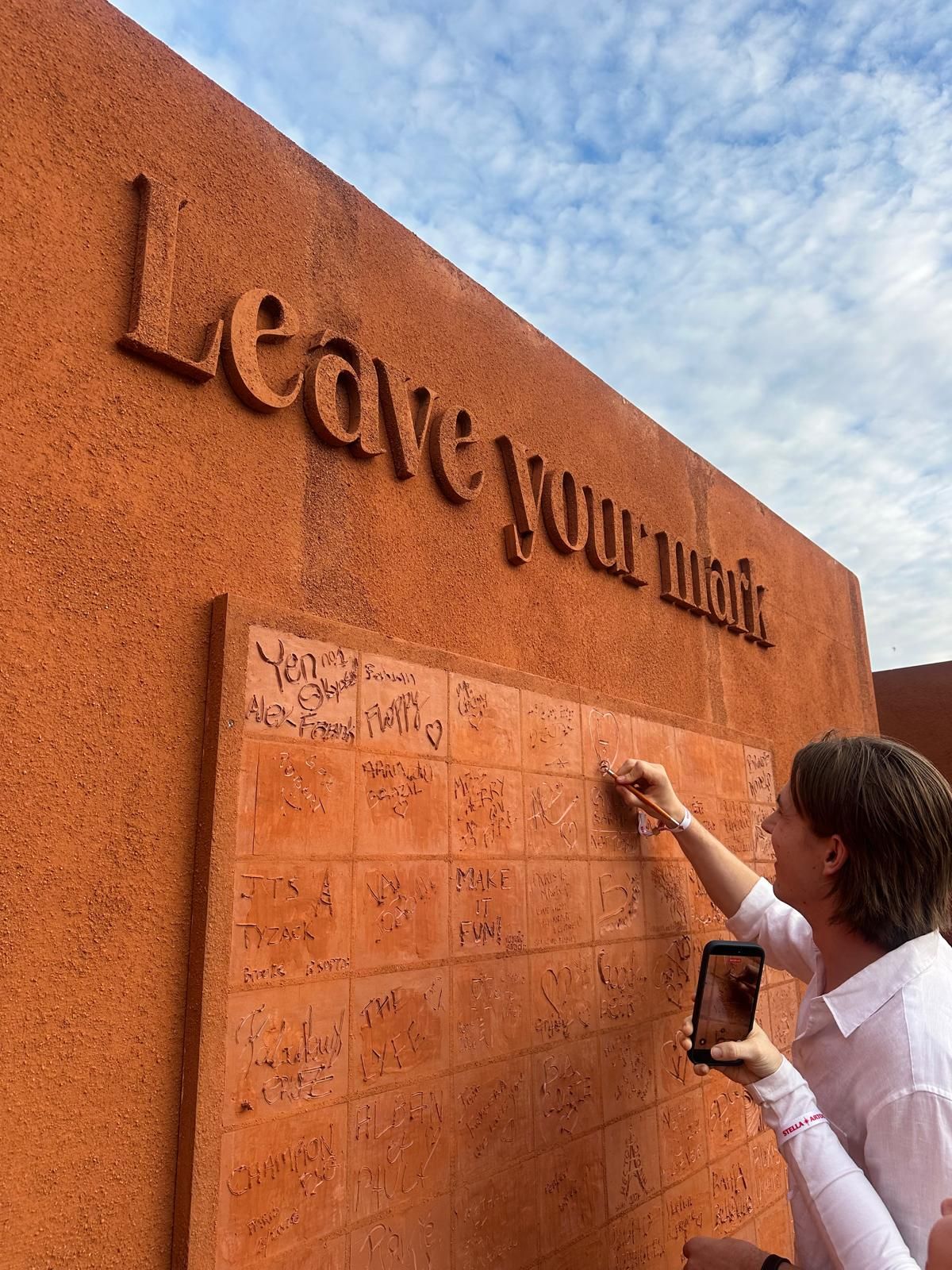
The space invited attendees to literally enter into the subject of the tournament. Upon arrival, they received personalized white Lacoste sneakers so they could move around the facility without worrying about style, a decision that sums up the tone of the experience: premium and sophisticated, but with permission to get dirty. The activation included artists intervening directly on the clay, private meetings to watch the matches in collaboration with The Ace Club and the presence of Stella Artois ambassadors such as David Beckham and Maria Sharapova.
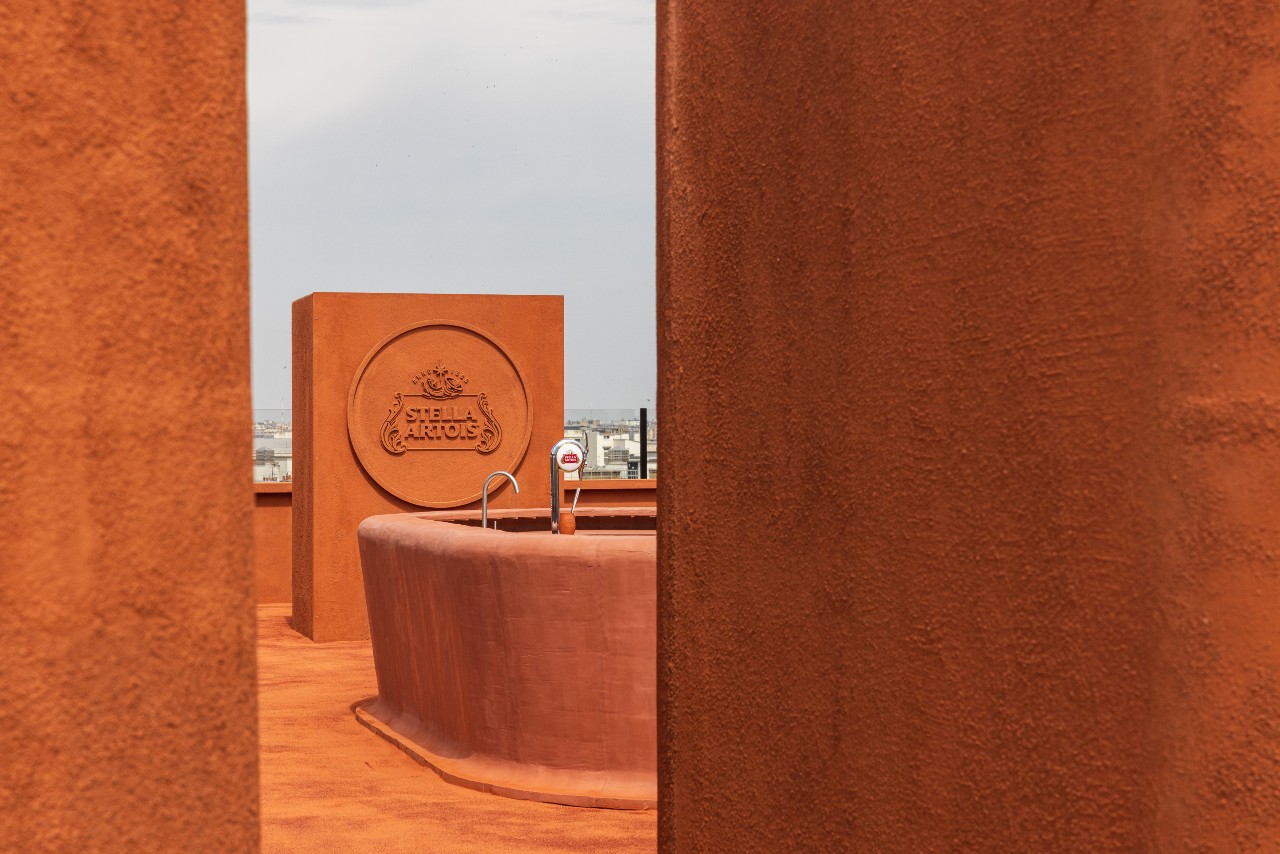
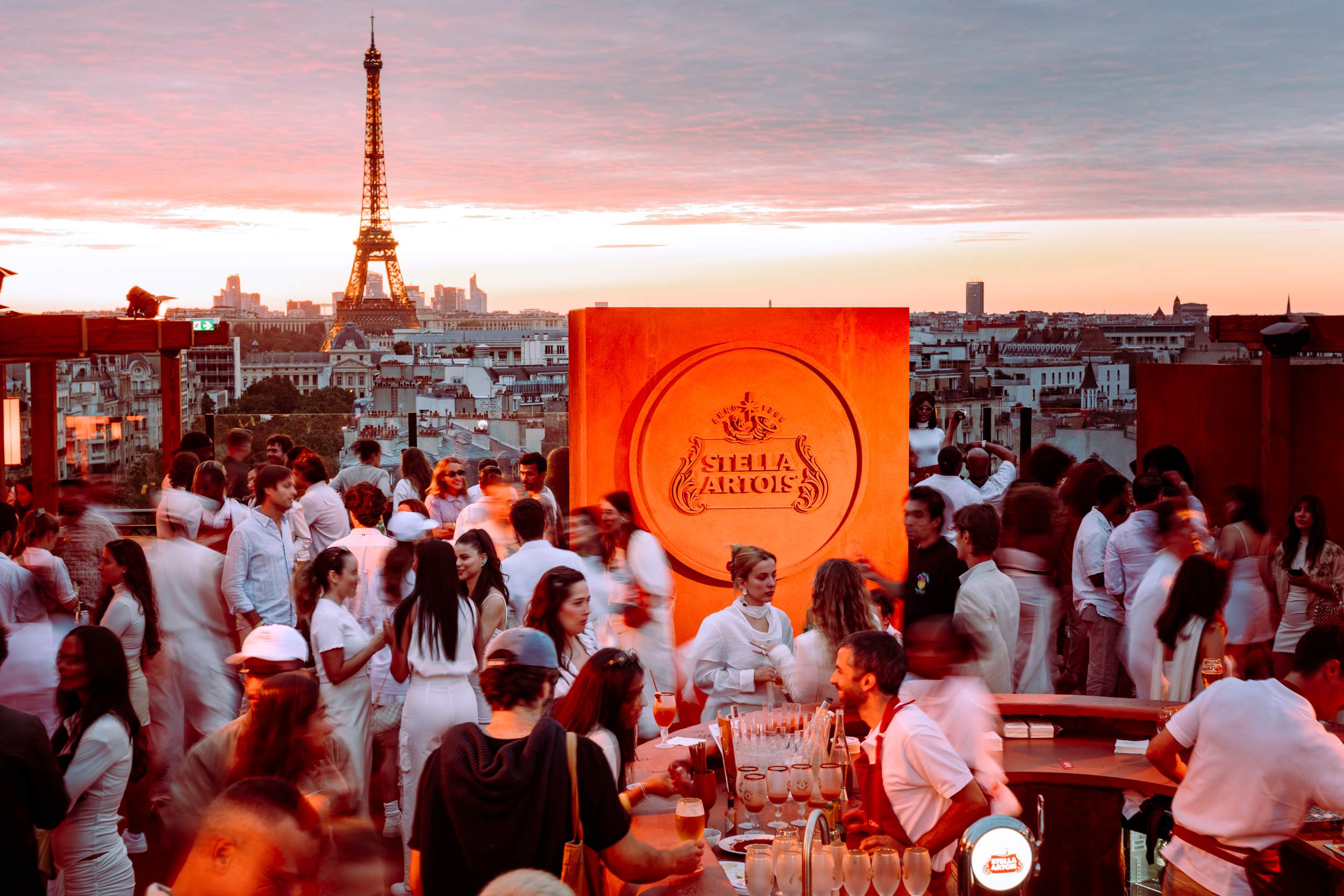
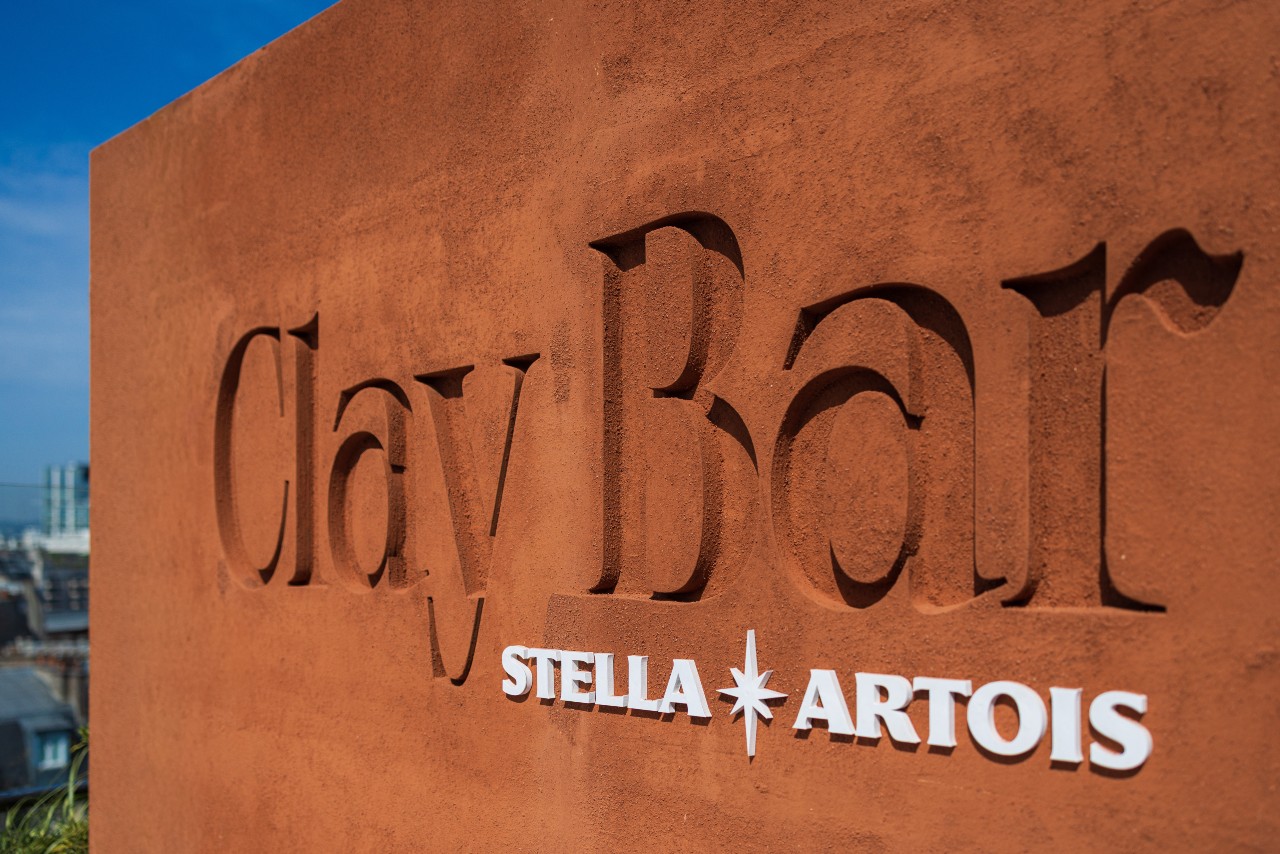
“When tennis fans come to the Stella Artois Clay Bar, we want them to experience the excitement and ritual of Roland-Garros in an unexpected way, so they can savor not only the tennis, but also the spirit and aesthetic of one of the most iconic events in the world”said Tim Ovadia, Global Vice President of Stella Artois. “Everyone will leave with a legendary badge of honor, the clay mark, proving that Stella’s flavor is worth even sacrificing the best Grand Slam styling.”
Video source: Adam Cross
The action is part of the “A Taste Worth More” platform, with which Stella Artois has been articulating its presence in relevant tennis venues such as Roland-Garros, Wimbledon and the ATP Tour. In this case, the brand does not limit itself to accompanying the tournament from the visibility of the sponsorship and takes one of its most recognizable elements to turn it into a social experience. The clay works as an atmosphere, a setting and as physical proof of having been there.
Clay also comes into fashion
The use of clay as a brand language is also seen at Lacoste. The firm has presented an exclusive jacket for Novak Djokovic at Roland-Garros 2026, designed by its Creative Director, Pelagia Kolotouros, and inspired precisely by the tones and textures of the clay season. The garment combines a catwalk silhouette with solutions linked to performance, 3D sculptural details and artisanal finishes that evoke the materiality of the Parisian runway.
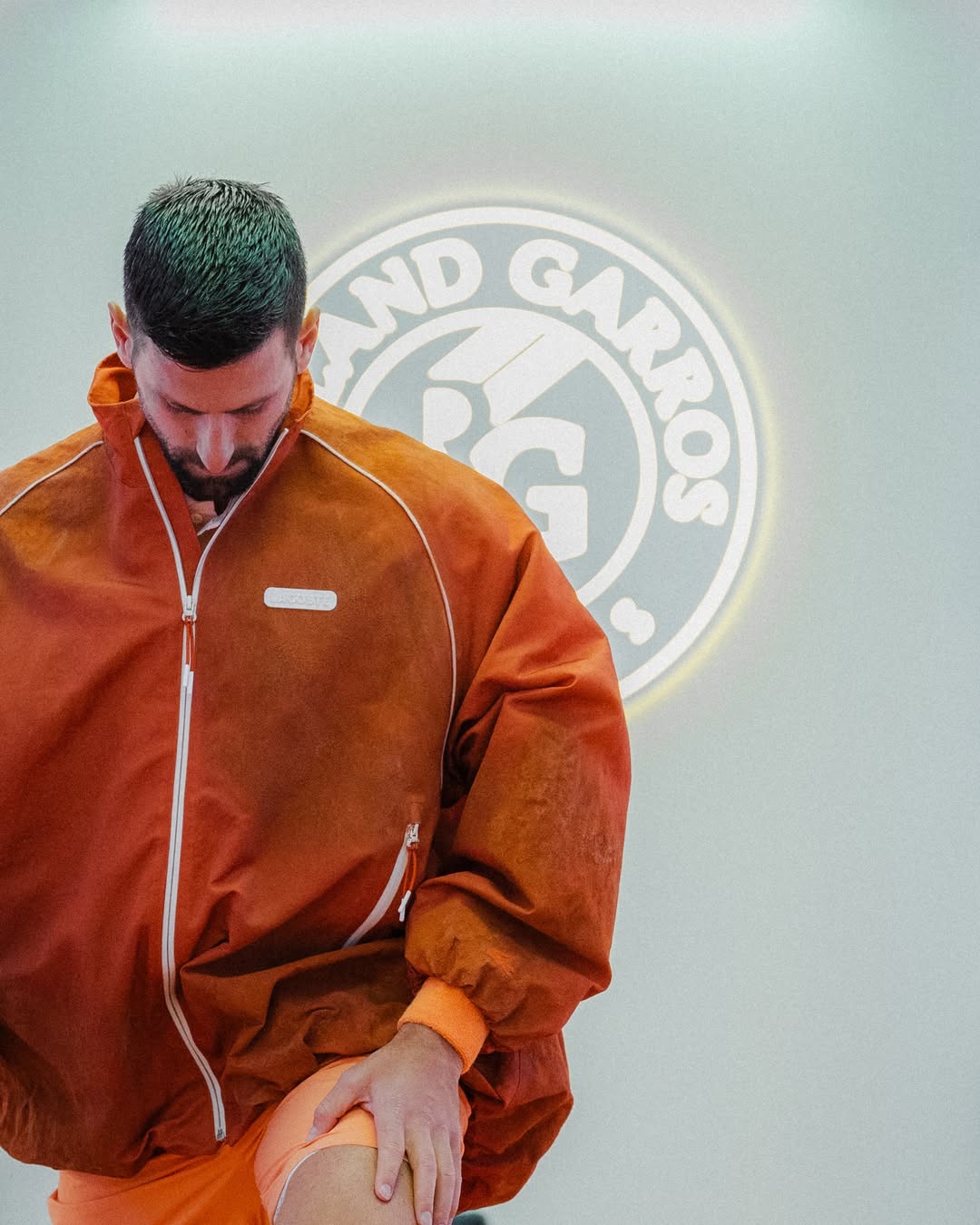
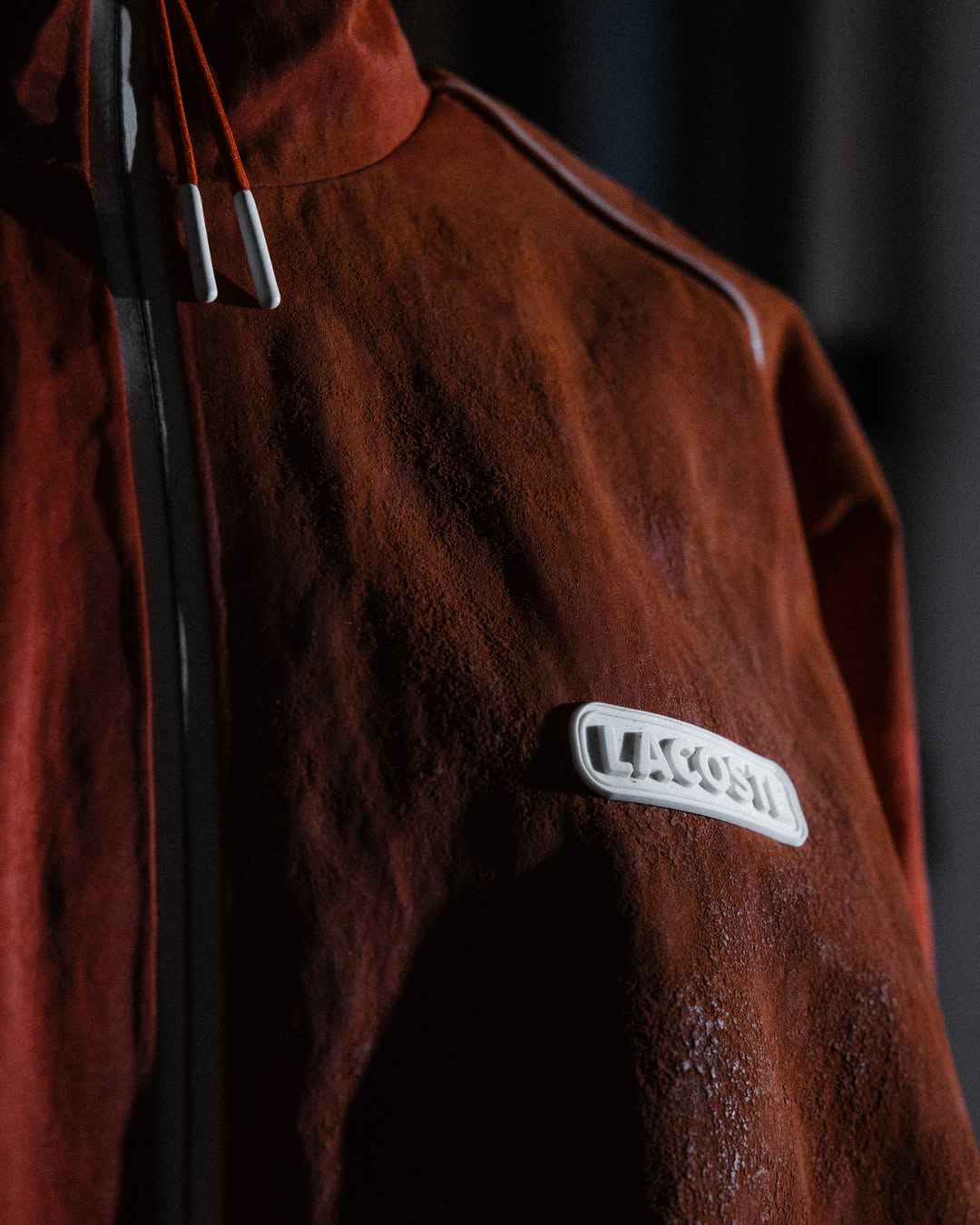
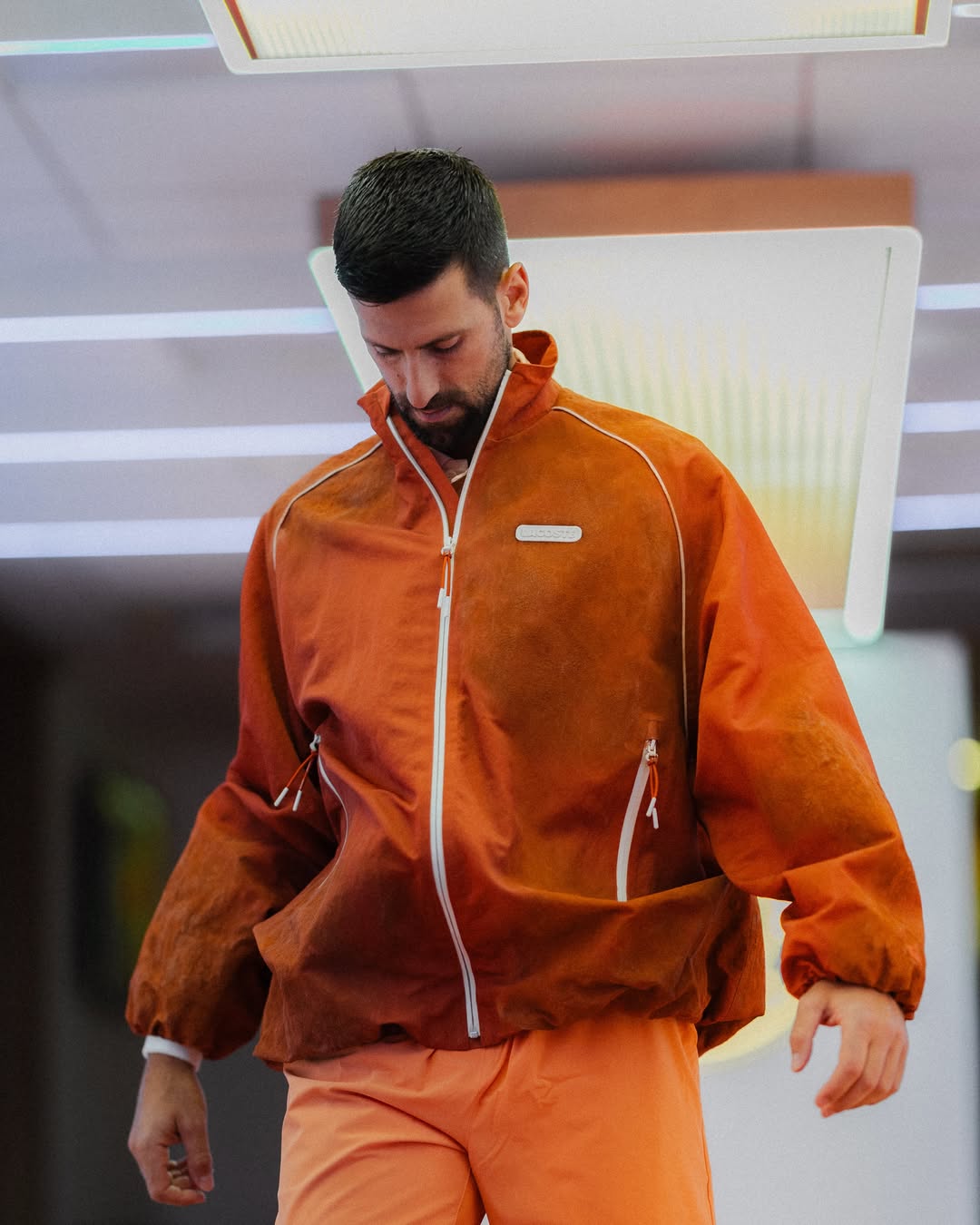
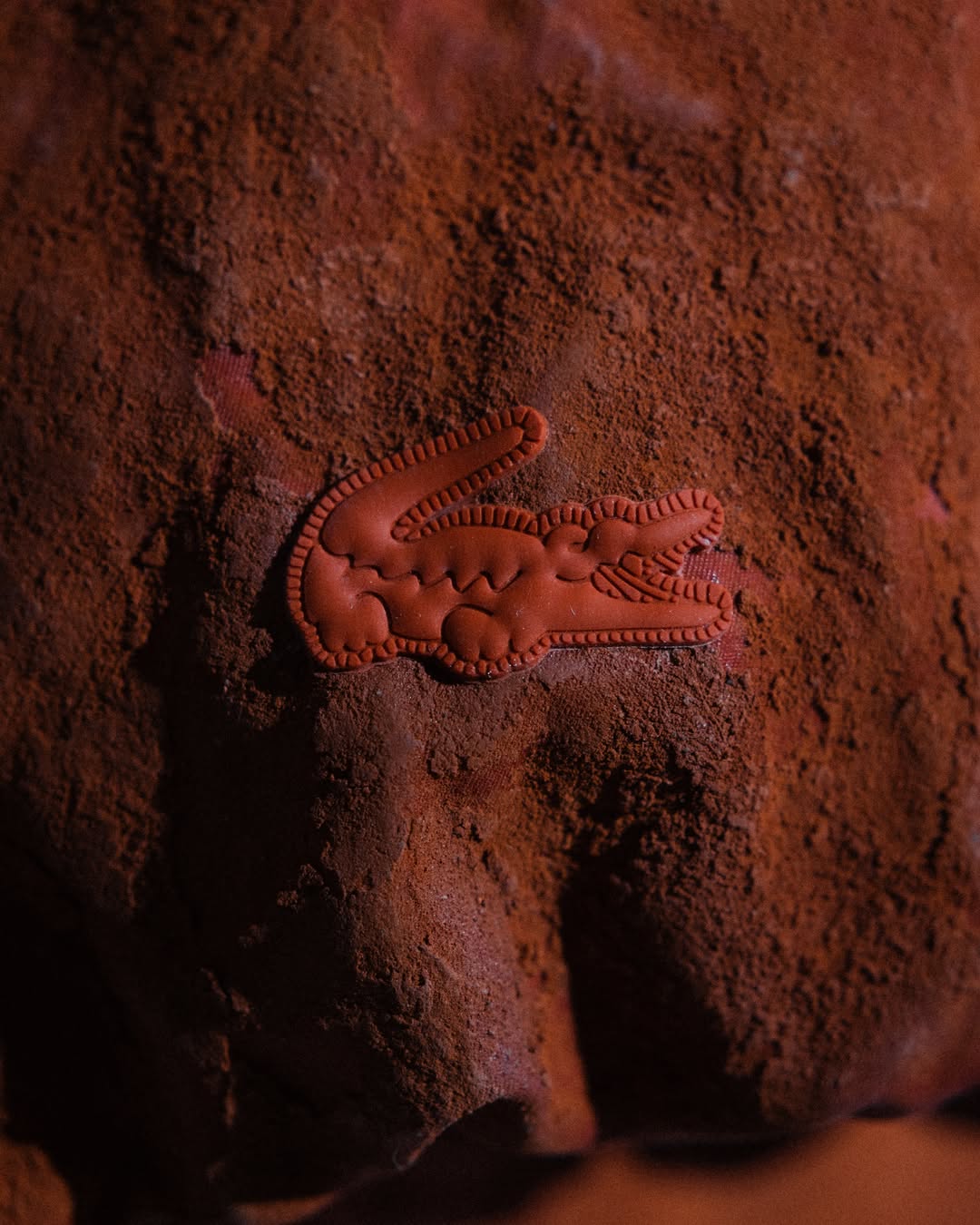
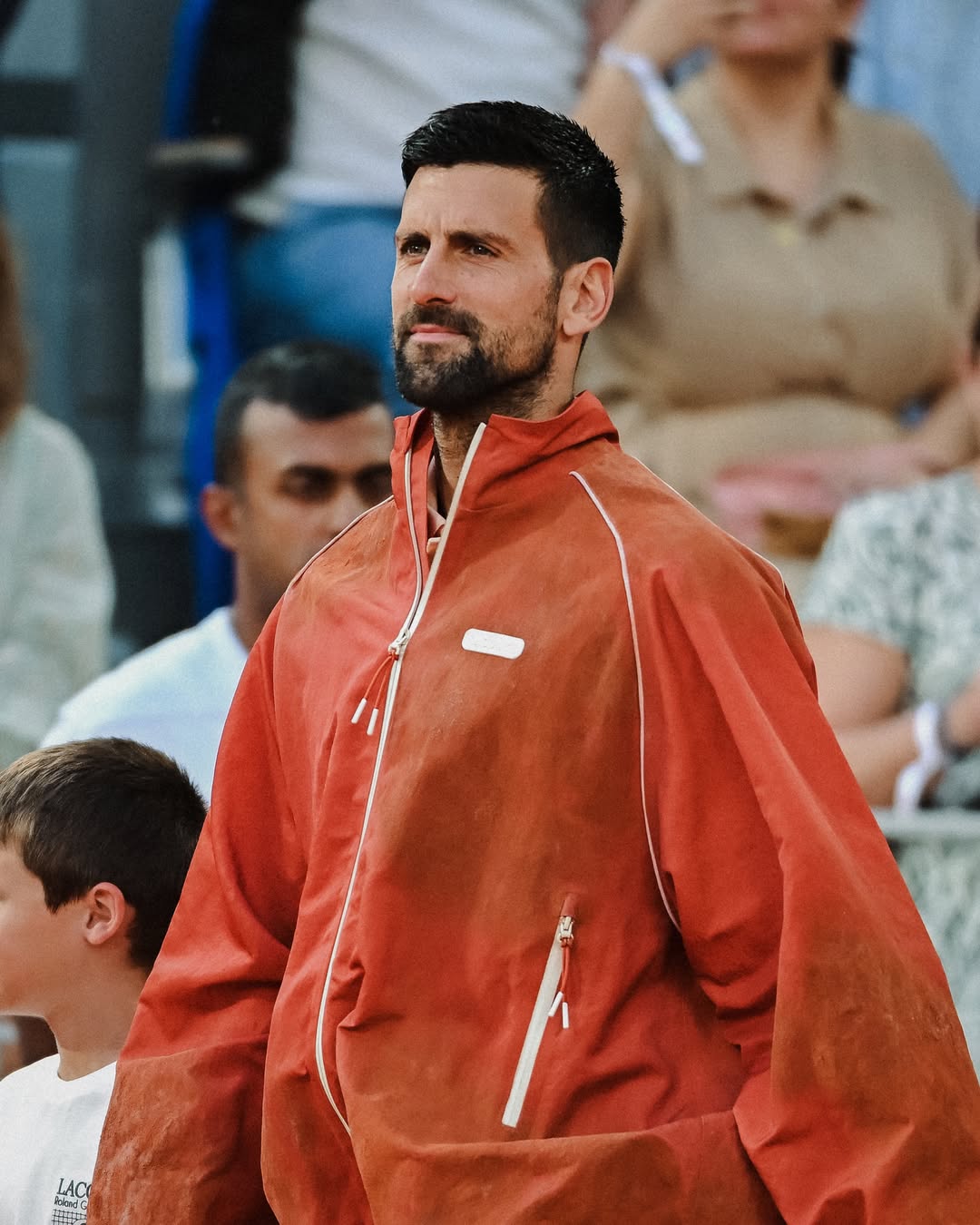
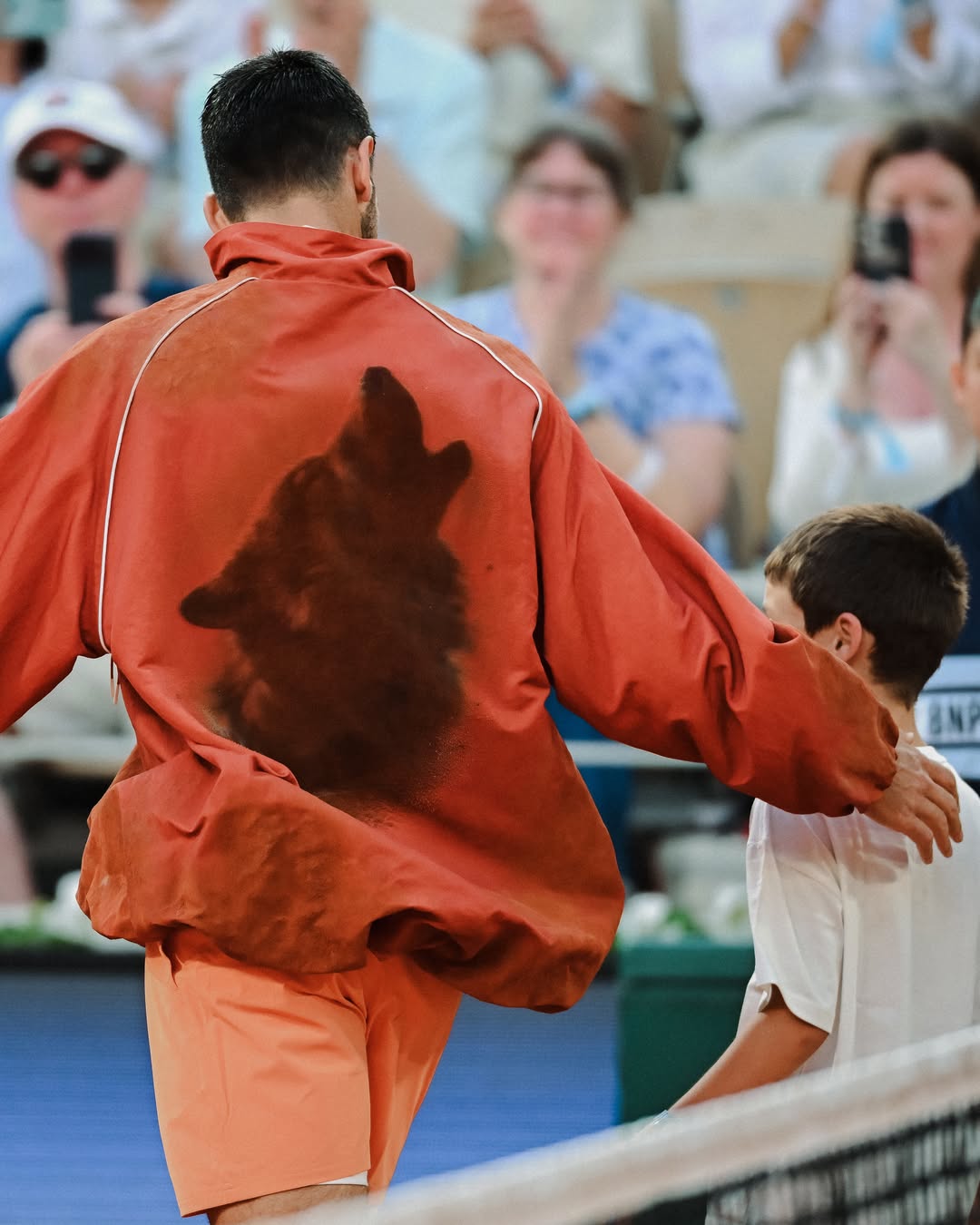
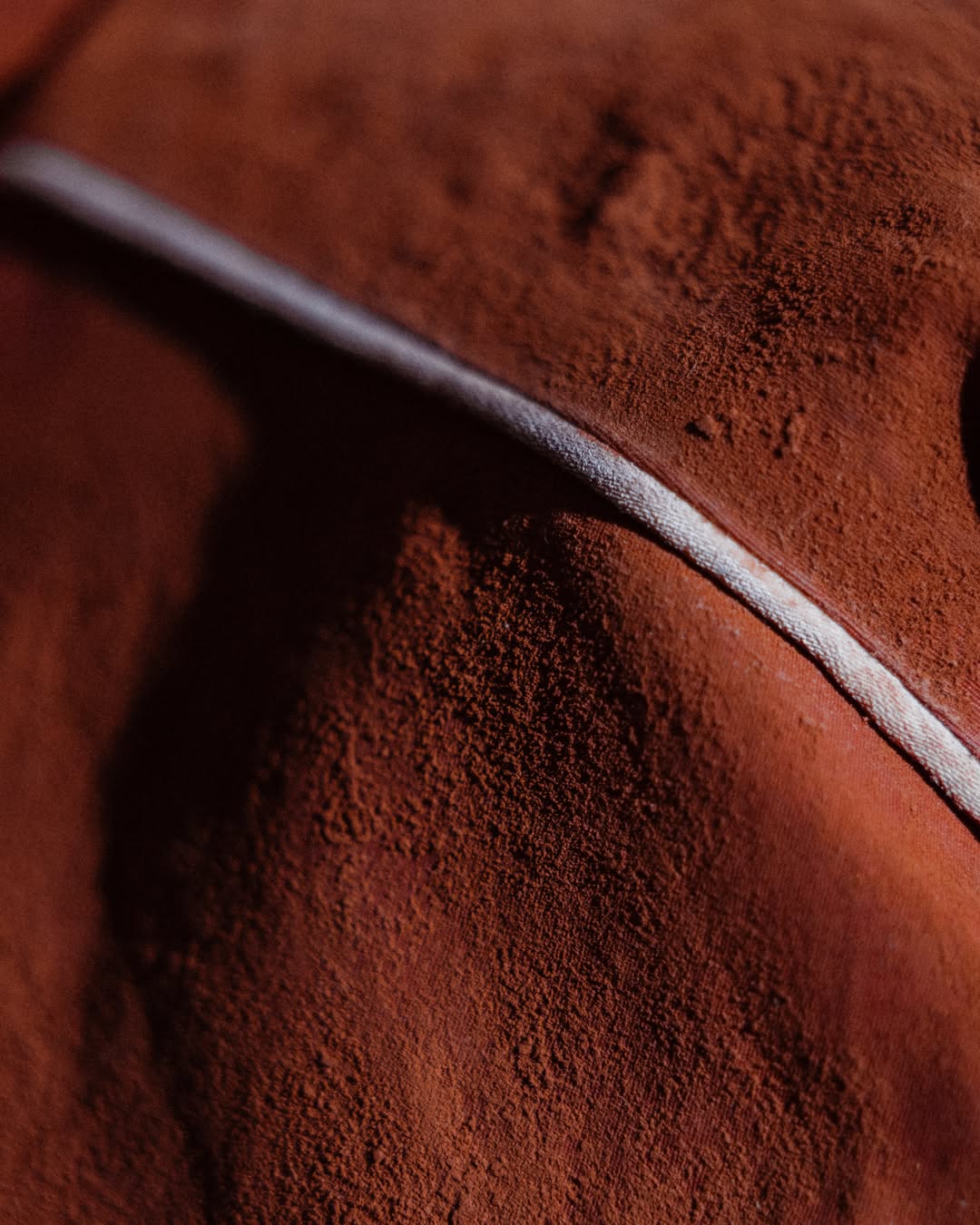
In this case, clay is used as an aesthetic code. Lacoste transfers the intensity of Roland-Garros to a piece that crosses fashion, sport and craftsmanship, and that places Djokovic as a figure associated with the tournament’s imagination. The jacket thus turns the playing surface into a design texture and reinforces the tennis’ ability to operate beyond competition.
The coincidence between Stella Artois and Lacoste shows how Roland-Garros offers brands a particularly fertile visual repertoire. Compared to other sporting territories more dominated by the grass, the stadium or the epic of performance, clay provides something less common: an immediate material identity. It is recognized by the color, the dust, the mark it leaves on the body and the way it modifies the game. This quality allows us to carry out actions with a more sensory dimension at a time when major sporting events concentrate growing competition for attention.