The OCU has launched GUIO, its own artificial intelligence assistant, a tool designed so that consumers can use the organization’s knowledge through a conversational interface when it comes to obtaining information, comparing alternatives and making decisions.
To present it, the Organization of Consumers and Users has launched “And who is he?”, a campaign that avoids explaining the technology from its technical characteristics and uses, instead, humor and a familiar situation.
The story begins with a woman smiling while checking her phone. Her husband begins to suspect that behind these conversations there is “another” and his daughter’s interventions fuel the misunderstanding. Finally, the mysterious “he” turns out to be GUIO, the assistant with whom the protagonist speaks from her cell phone.
The campaign has been developed by the OCU’s internal creative department and produced by hoOla Pelis!, and uses mockumentary codes, on-camera confessions and different points of view of family members to construct the misunderstanding.
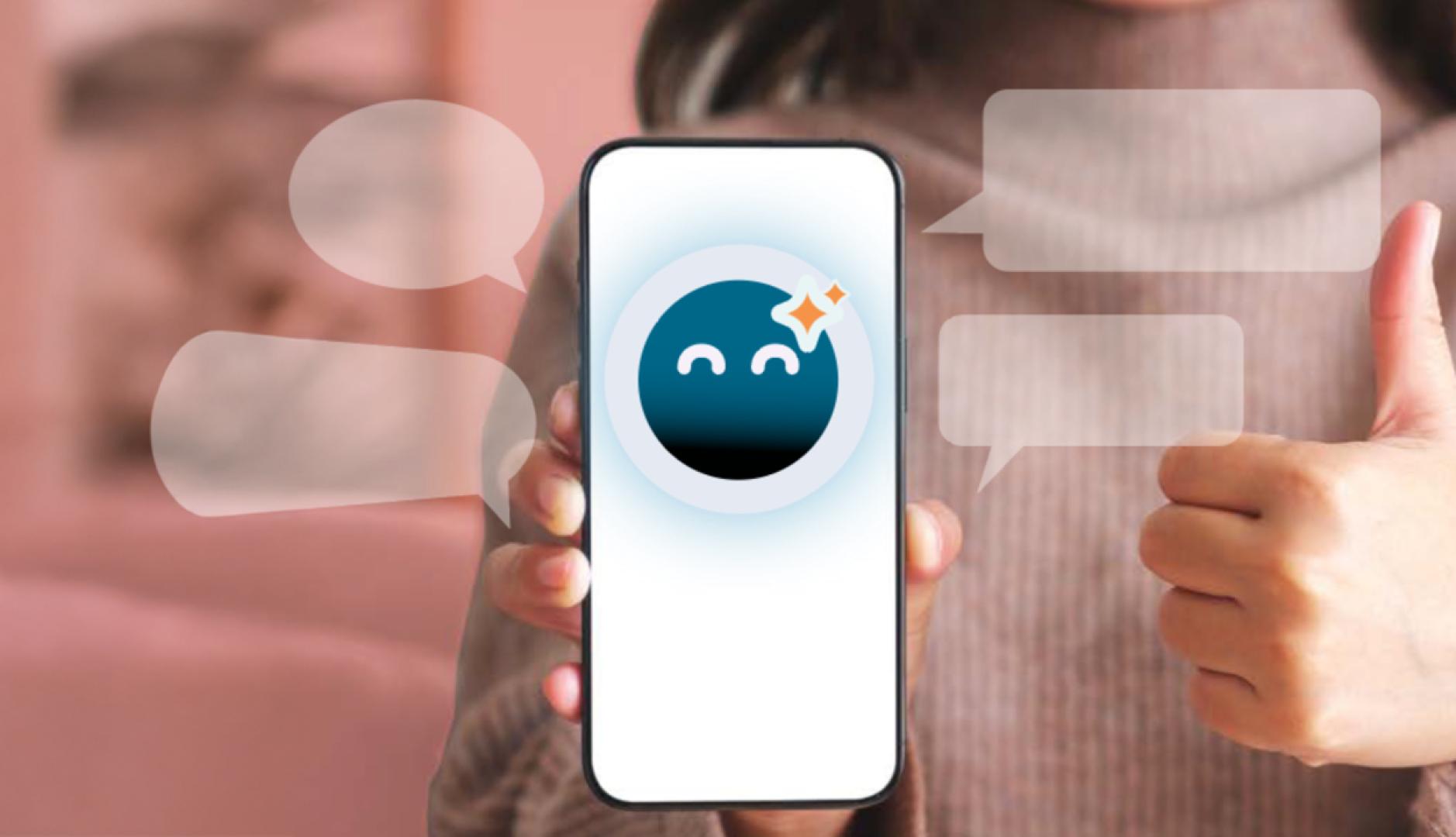
GUIO is presented as a new way to access OCU information. Instead of navigating directly between content, analysis or comparators, the user can state their needs using natural language and receive a response adapted to their query.
The campaign shows this usefulness with a very specific situation. The protagonist asks the assistant: “What headphones should I buy you for your birthday?” GUIO responds by proposing three options and showing for each one its score in OCU laboratory analyses, some of its main characteristics and the price.
In this way, artificial intelligence functions as a new gateway to the knowledge that the OCU has traditionally built through analysis, laboratory tests, comparisons and
A new gateway to purchasing decisions
Although the main objective of the campaign is to present GUIO, the example used to explain its operation also leaves a relevant reading for marketing, because the assistant is not limited to answering a question and selecting specific products based on a purchase intention.
In this case, the recommendations are linked to the analyzes and assessments of the OCU. But the scene simply illustrates a broader change that artificial intelligence is introducing: part of the discovery and comparison of products can be moved from search engines, marketplaces or websites to conversational interfaces.
For brands, a new point in the consumer journey thus emerges. If a person directly asks what headphones they should buy, the products included in the answer come into consideration even before a visit to a store or manufacturer’s website occurs.
The appearance of GUIO thus reflects two related movements: the OCU incorporates artificial intelligence as an interface to bring its knowledge closer to consumers and, in doing so, shows how assistants can acquire more and more weight in the process that goes from a need to a purchasing decision.