The expansion of generative artificial intelligence has facilitated the creation of visual content, but it has also contributed to the homogenization of aesthetics. Faced with this uniformity, personal expression, artisanal processes and technological experimentation will set the course of design during 2027, as Canva anticipates in its annual trends report.
Trends point towards interest in expressing one’s own identity
The company has identified the aesthetic and creative forces that will shape visual communication in the coming months based on the analysis of millions of searches performed on the platform, as well as the use of templates and graphic resources by its community. In general, the results point towards a growing interest in proposals that allow one to express one’s identity, recover tangible elements and explore new forms of creation.
The platform illustrates this by sharing data on some of the most notable searches on the platform. Thus, interest in the “whimsy” concept, which is related to the whimsical, fanciful and nostalgic, has grown by 720% in the last year; while those of “vibe coding”, which refers to a way of creating software by describing what you want in natural language to an artificial intelligence, has done so 334%. For their part, searches for “junk journal,” which is the practice of making creative journals based on memories or recycled materials, have grown by 249%.
These are the five big trends that will mark design in 2027, according to Canva:
Memory as a visual language
Memory will acquire an aesthetic dimension over the next year, driven by users’ concern to preserve memories and give them meaning in the face of the accumulation of volumes of photographs, videos and digital, but non-tangible, documents.
This trend is not only about reproducing a vintage aesthetic, but about using these materials to build visual stories that connect past and present. It is embodied in the use of faded Polaroid photographs, classic landscape paintings, marble sculptures and everyday objects presented as museum pieces.
For brands, it can translate into new ways of working on their legacy, recovering historical archives, documenting the evolution of their products or building stories from the experiences of their consumers. The archive stops functioning exclusively as a testimony of the past and becomes a contemporary creative resource.
“Slow burn” or the time of creativity
Craftsmanship, attention to detail and an aesthetic that makes human work visible will be key during the coming months. Faced with the speed that characterizes much of digital production, this trend vindicates the value of dedicating time to things and paying attention to processes.
It proposes an aesthetic in which craftsmanship, materials and small details become as important as the final result. Visually, it combines elements of traditional work with codes typical of editorial fashion photography. Cross-stitch embroidery appears integrated into portraits and typography, while lace, baroque frames and textile textures add depth to the compositions. The palette includes shades of burgundy, brick, mustard, olive green and dusty pink, colors associated with traditional materials and inherited objects.
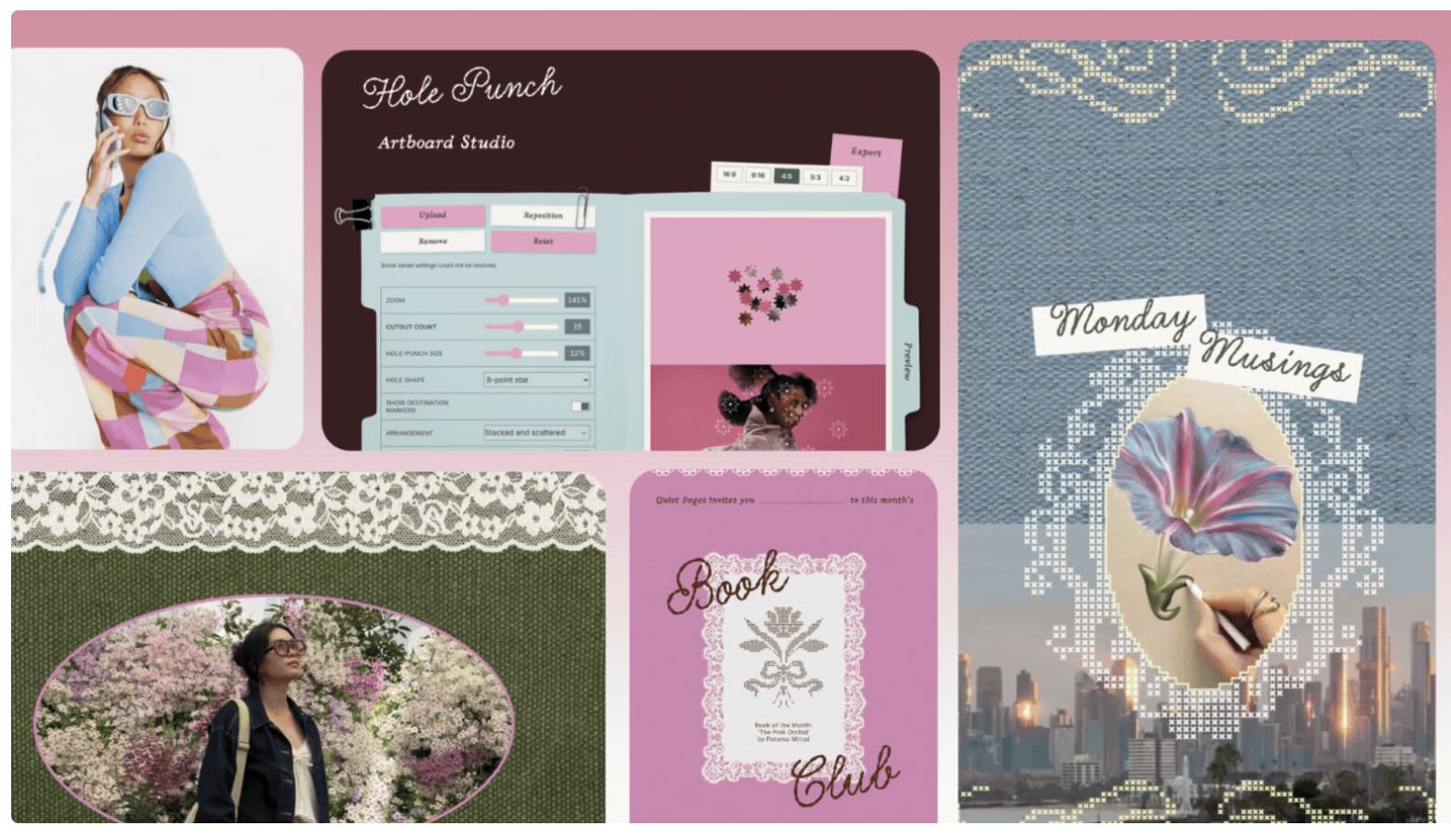
Applied to marketing, this trend could result in making the manufacturing process a relevant part of the perceived value of the product. In categories such as fashion, gastronomy, beauty or decoration, showing how things are made can provide differentiation and reinforce attributes such as dedication, specialized knowledge or quality.
“Codebreaking”: creative technology
The third trend identified by Canva explores the possibilities of technology and conceives programming as a means of personal expression. Instead of just using predetermined templates or functionality, users are beginning to experiment with creating video games, digital tools, quizzes, and interactive experiences.
Its aesthetics recover references from retro technology, such as pixels, loading screens, old interfaces and intense combinations of blue and green colors. However, it is not limited to computer nostalgia, as it also explores tactile, sound and visual experiences that use code as creative material.
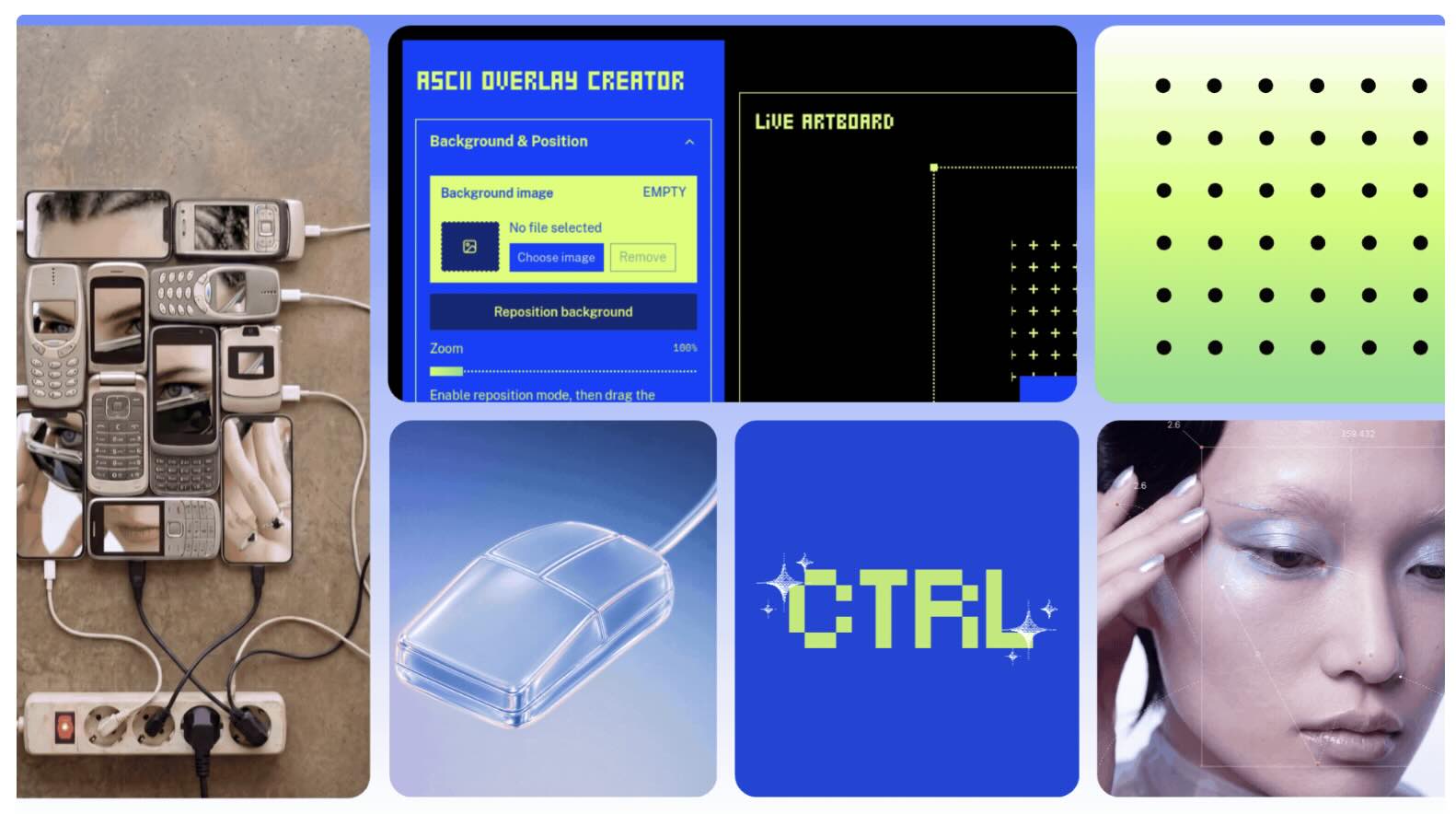
For brands, this trend is relevant because it expands the possibilities of interactive communication through small games, personalized experiences or participatory content, without necessarily having to resort to complex technological developments.
Rebellion against visual perfection
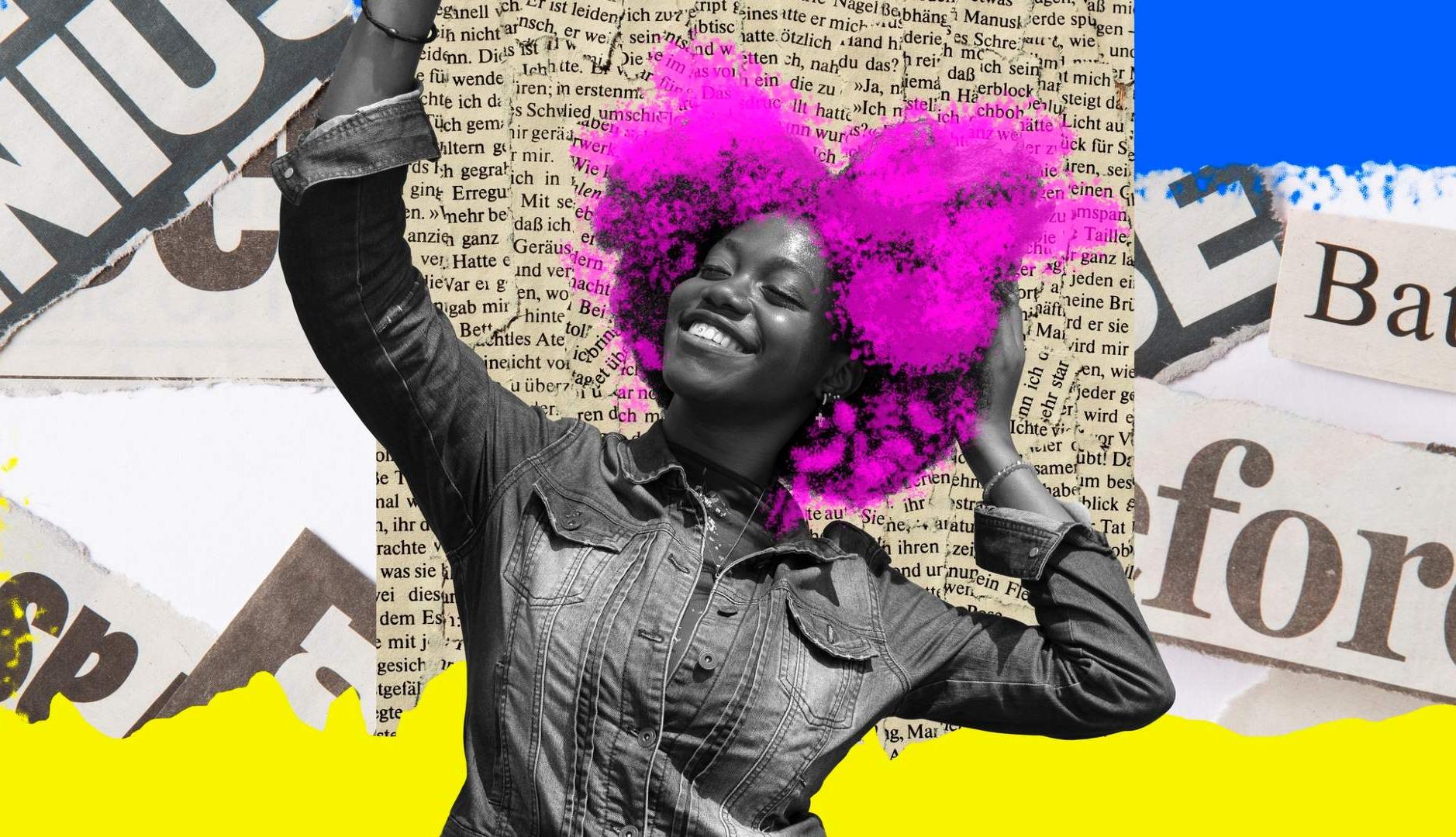
Before digital tools that offer polished images and balanced compositions, a rebellion emerges that is expressed in provocative and deliberately imperfect designs, intense colors and a graphic identity that seeks to differentiate itself.
Its aesthetic focuses on fuchsia pinks, acid greens and electric purples, combined with black doodles, grainy VHS-inspired photographs and digital distortion effects. The fonts range from rounded graffiti letters to worn characters reminiscent of concert posters. Glitch effects, superimpositions and seemingly chaotic compositions reinforce a visual identity that does not pretend to be impeccable.
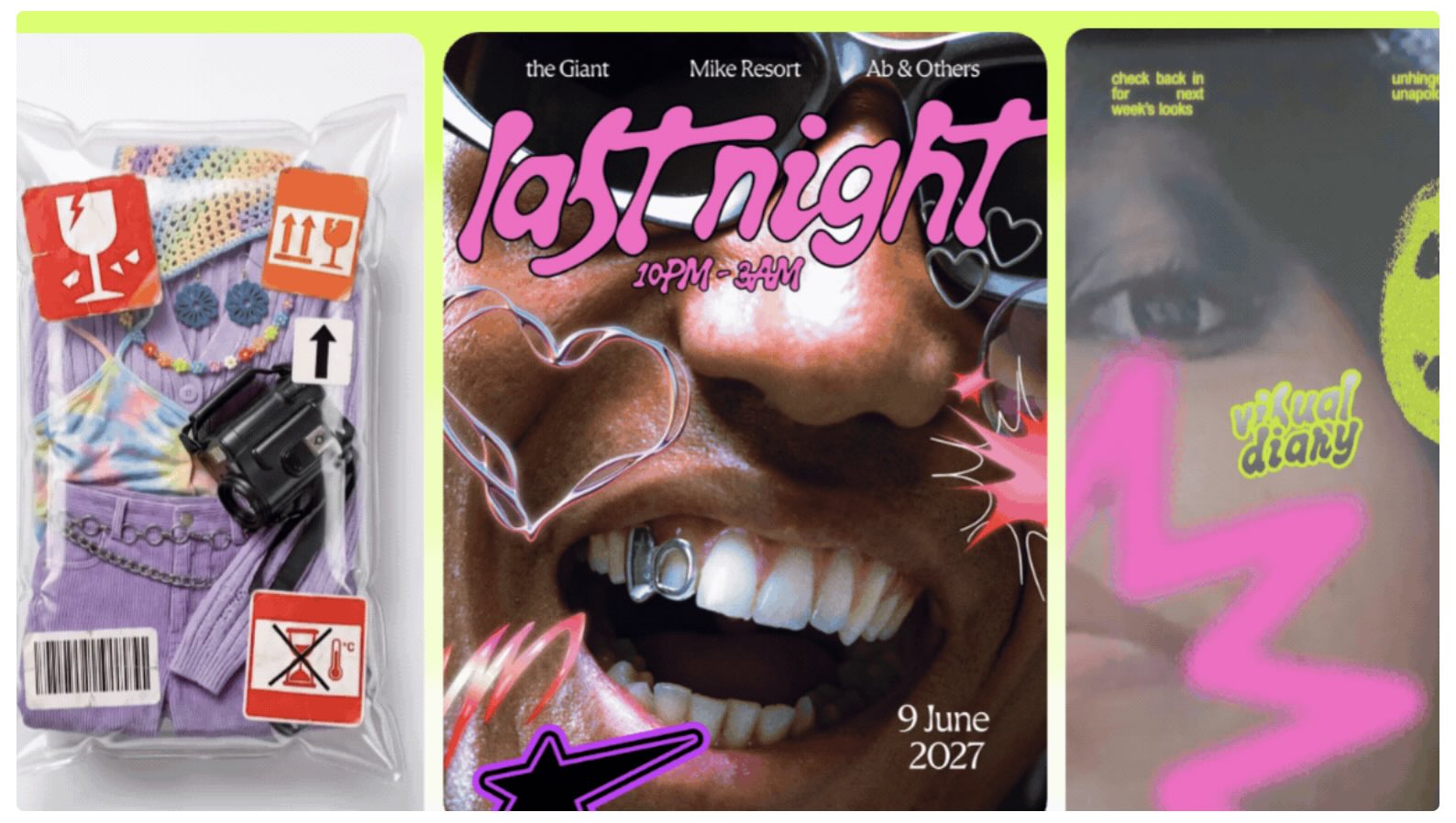
Applied to marketing, the trend is a reflection on the construction of recognition in the face of audiovisual communication that seeks to be technically correct. So, differentiation can be found in less conventional decisions, own graphic codes and a personality that does not seek to please all audiences. This does not mean adopting a transgressive aesthetic, but it does mean promoting uniqueness.
The fantasy of everyday life
The last of the trends identified by Canva proposes recovering the ability to find beauty and surprise in everyday situations. A walk at sunset, a family vacation or a quiet morning can take on an extraordinary dimension through photography, composition and visual treatment.
The proposal combines analog-looking images, slightly out-of-focus approaches and a palette of soft blues, lavender and warm amber. To these resources are added references to medieval fantasy, illustrated manuscripts, tarot and golden details, which provide mystery and a sensitivity close to stories.
The idea is to start from recognizable experiences to reinterpret them through an imaginative look.
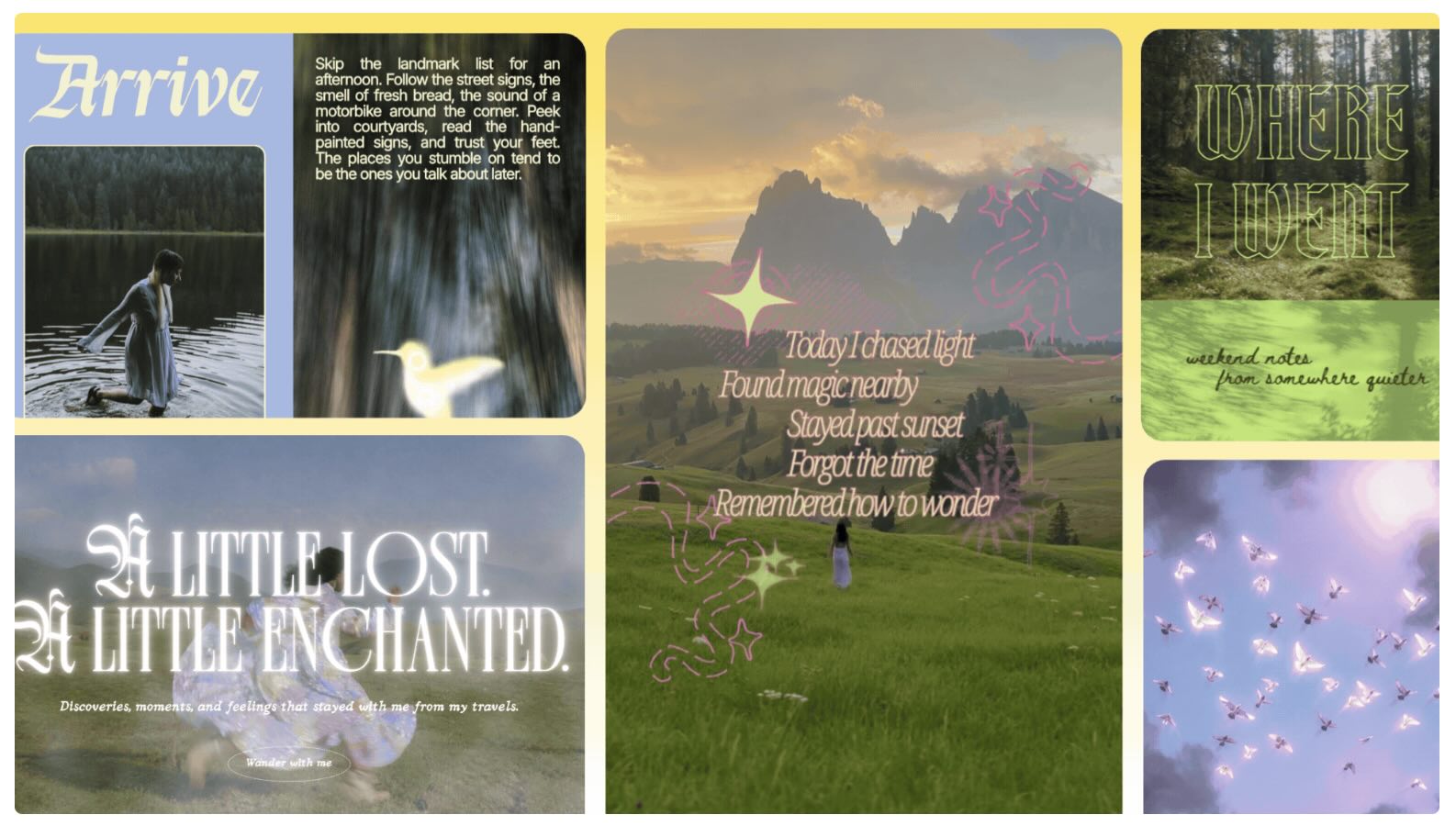
Its relevance for brand communication is in the ability to develop emotional narratives from simple and close experiences. Instead of necessarily resorting to big events or spectacular settings, brands can find narrative material in the small moments that are part of their consumers’ lives.