Recent reports and international organizations have pointed to severe restrictions imposed by Israel on the entry of humanitarian and medical aid into the Gaza Strip during 2025, which has exacerbated the health and supply crisis in the enclave, where thousands of children continue to suffer from preventable and treatable diseases. Faced with this situation, Caritas, which operates ten health clinics in Gaza, was looking for a way to make the blockade visible and, at the same time, provide medical care to the children. The answer came from the Differ agency, with the idea of transforming Pope Francis’ Popemobile into a mobile pediatric clinic.
The project was presented in Rome to Pope Francis, who gave his approval and blessed the initiative.
The proposal had an operational objective and enormous symbolic weight. Converting the pontiff’s most recognizable vehicle into an instrument of humanitarian aid necessarily required his approval. In November 2024, the project was presented in Rome to Pope Francis by Swedish Cardinal Anders Arborelius. A few weeks later, the pontiff gave his approval and blessed the initiative.
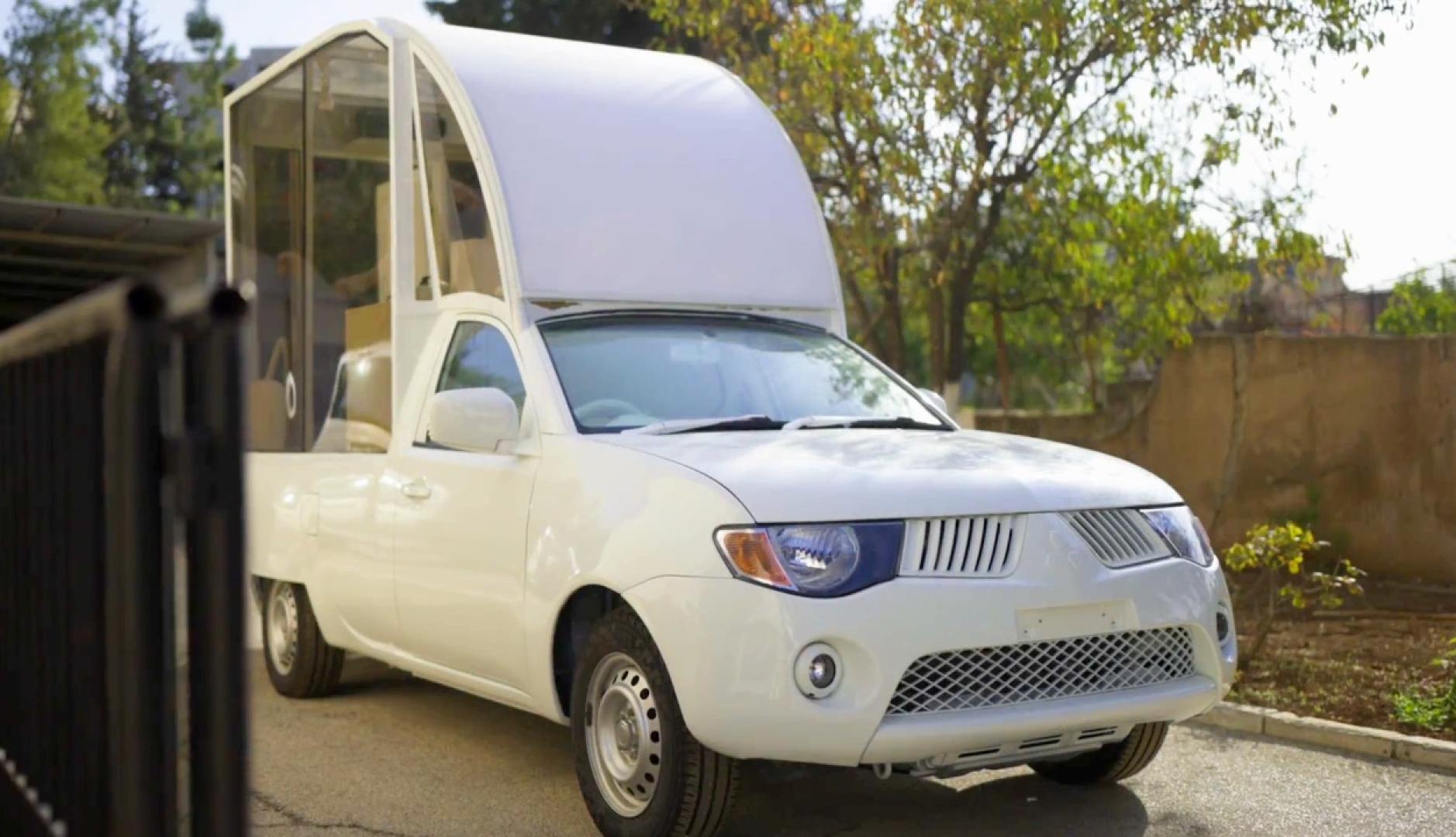
In February 2025, Caritas located the Popemobile used during Francis’ visit to the West Bank in 2014 and began its transformation in a garage in Bethlehem. Before the conversion was completed, Pope Francis fell ill and died. Still, the project continued until it was completed.
Named the “Vehicle of Hope,” the vehicle has become a symbol of children’s rights and the urgent need to allow humanitarian aid access to Gaza. From its conception, the initiative was designed to generate media impact at key moments: the announcement of the project, the public presentation of the converted Popemobile and, finally, its entry into Gaza – or the possible refusal of the Israeli authorities. The message remained clear and limited: the right of children to receive humanitarian aid.
Given the uncertainty about who would be the next Pope, the promoters decided to make the initiative public before the conclave. The New York Times It was the first medium to receive the project. On May 4, 2025, just a week after Pope Francis’ funeral, the newspaper published the story, triggering massive global coverage, potentially reaching 14 billion people in its first seven days.
As of today, the “Vehicle of Hope” remains waiting for authorization to access Gaza
The transformed vehicle was officially presented to the international press in Bethlehem on November 25. The mobile clinic is equipped with diagnostic instruments, oxygen supplies, vaccines and antibiotics, and has the capacity to provide primary care to up to 200 children a day.
The results of the initiative reflect the magnitude of the impact achieved. Between May and December 2025, the earned reach accumulated was 18.5 billion impacts, with more than 5,200 articles published, 2,800 appearances on television and radio, 103,000 mentions and 1.67 million interactions. Coverage extended to 187 countries and generated an estimated earned media value of $187 million, according to data from Meltwater.
Beyond the media impact, the project has had tangible consequences. The initiative has inspired other non-governmental organizations to develop seven additional mobile clinics for Gaza and has contributed to increasing international pressure to allow in humanitarian aid. As of today, the “Vehicle of Hope” remains awaiting authorization to access Gaza.