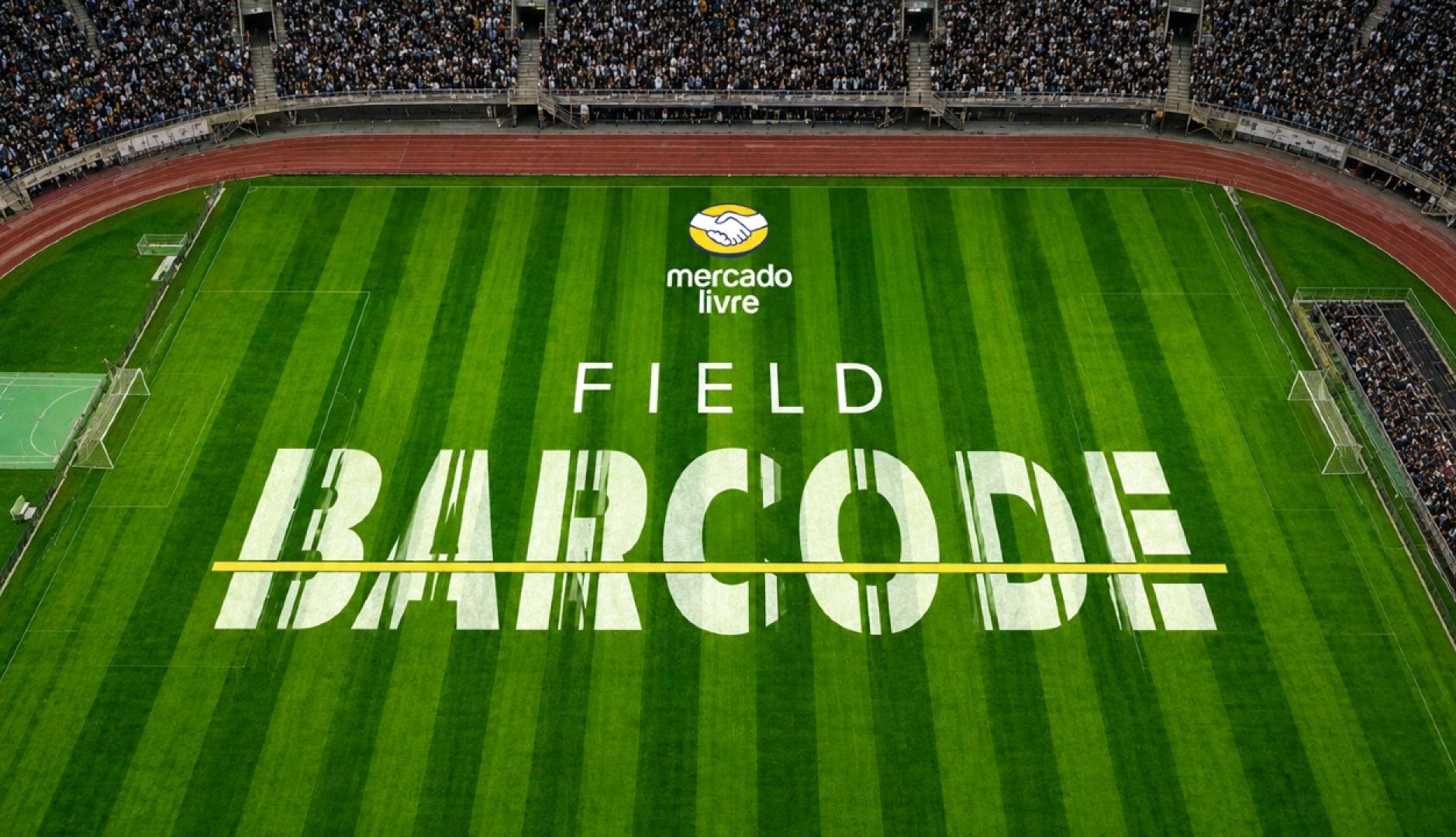
A football field converted into a barcode, the work of Gut’s office in São Paulo for Mercado Livre, has given Brazil the Grand Prix in the Cannes Lions 2026 Outdoor Advertising competition, whose record also includes 7 Gold, 13 Silver and 19 Bronze Lions. Spain’s result in the section is limited to the Golden Lion achieved by Lola and De’Longhi for their “Tiny coffee shops” campaign.
>> Follow the Cannes Lions 2026 Results live <<
The models that star in this work by the Spanish agency share the places of honor in the Cannes awards with campaigns that use the medium in a way that could be described as classic, such as those of Heinz, McDonald’s, Coca Cola and Heineken – although some of them are complemented with actions in other channels – and more innovative solutions in creation, as MyCar did in Australia, recreating human skin to raise awareness about the prevention of skin cancer.
By country, the greatest number of lions in the competition has been achieved by the United Kingdom, with 9. They are followed by Canada, with 7, and Brazil, with 5. France, the United States and Italy, with 3 lions in each case, complete the list of countries with more than one metal in this category.
The best Outdoor Advertising campaign_Cannes Lions 2026
“Field barcode”, by Gut São Paulo for Mercado Livre
A football field converted into a giant discount coupon is the idea that has won the top award this year in the Outdoor section of Cannes Lions. In 2024, the e-commerce site Mercado Livre had acquired the naming rights to the Pacaembú Stadium, located in the Brazilian city of São Paulo, a sports venue that has since been known as Mercado Livre Arena.
One of the many actions that the brand has carried out to capitalize on this initiative took place on July 5, 2025 when, on the occasion of an exhibition match between Corinthians Legends and Boca Legends, Gut São Paulo – the agency that owns the advertiser’s creative account – converted the playing field, taking advantage of the typical grass cutting lines, into a barcode.
A recognition system powered by artificial intelligence allowed the code to be scanned, even partially, through any means, which gave access to a 25% discount coupon on purchases made on the website.
According to data provided by the agency and advertiser, access to the promotion was registered from more than eight hundred different locations and 53,000 coupons were downloaded.
This is the third consecutive year in which the agency and client win a Grand Prix in Cannes: in 2024 they did so in the Media Lions section for “Handshake hunt”, and last year, in the Entertainment for Gaming competition for the “Call of discounts” campaign.
All Outdoor Golds at Cannes Lions 2026
- “Coincidence?”, by Rethink Toronto (Canada) for Heinz Ketchup
Heinz plays again, as it has done so many times in its campaigns, with its highly recognizable brand attributes and advertising codes. On this occasion, he has noticed the almost identical shape of his logo and the typical cardboard containers in which fries are served in fast food restaurants. There is nothing more to explain, and the campaign does not do it.
In 2025, the brand already won a Golden Lion in Outdoor, specifically with “It has to be Heinz”, a campaign created by Wieden + Kennedy London that also played with the great popularity and ubiquity of the brand.
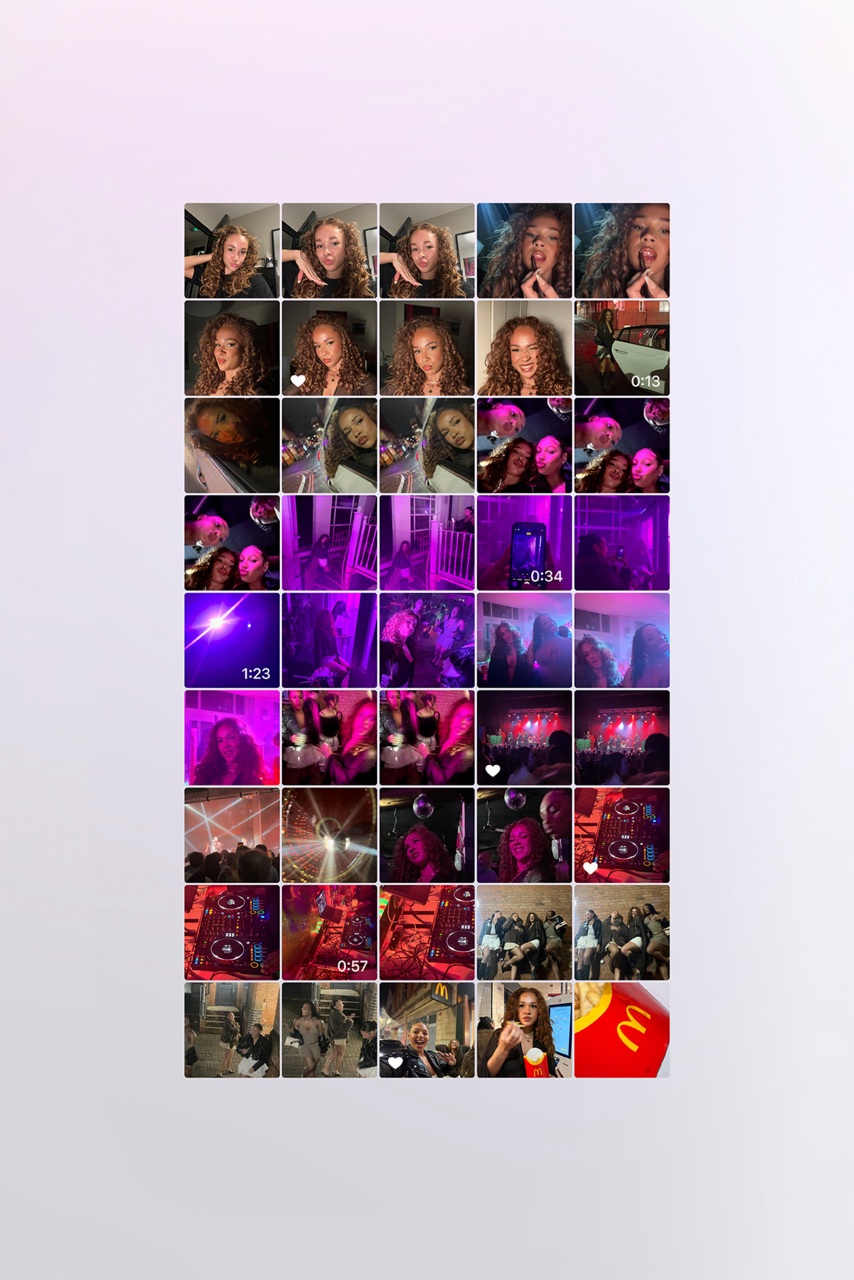
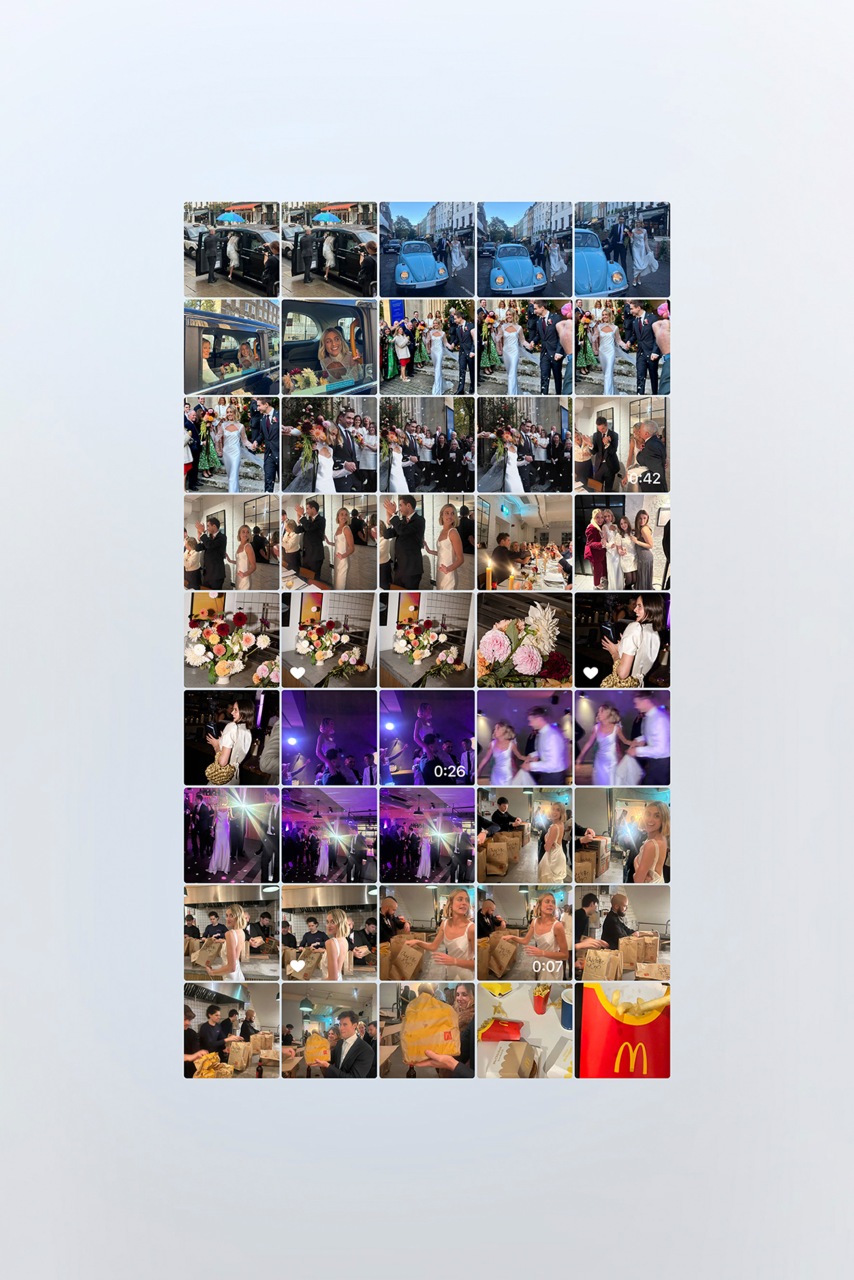
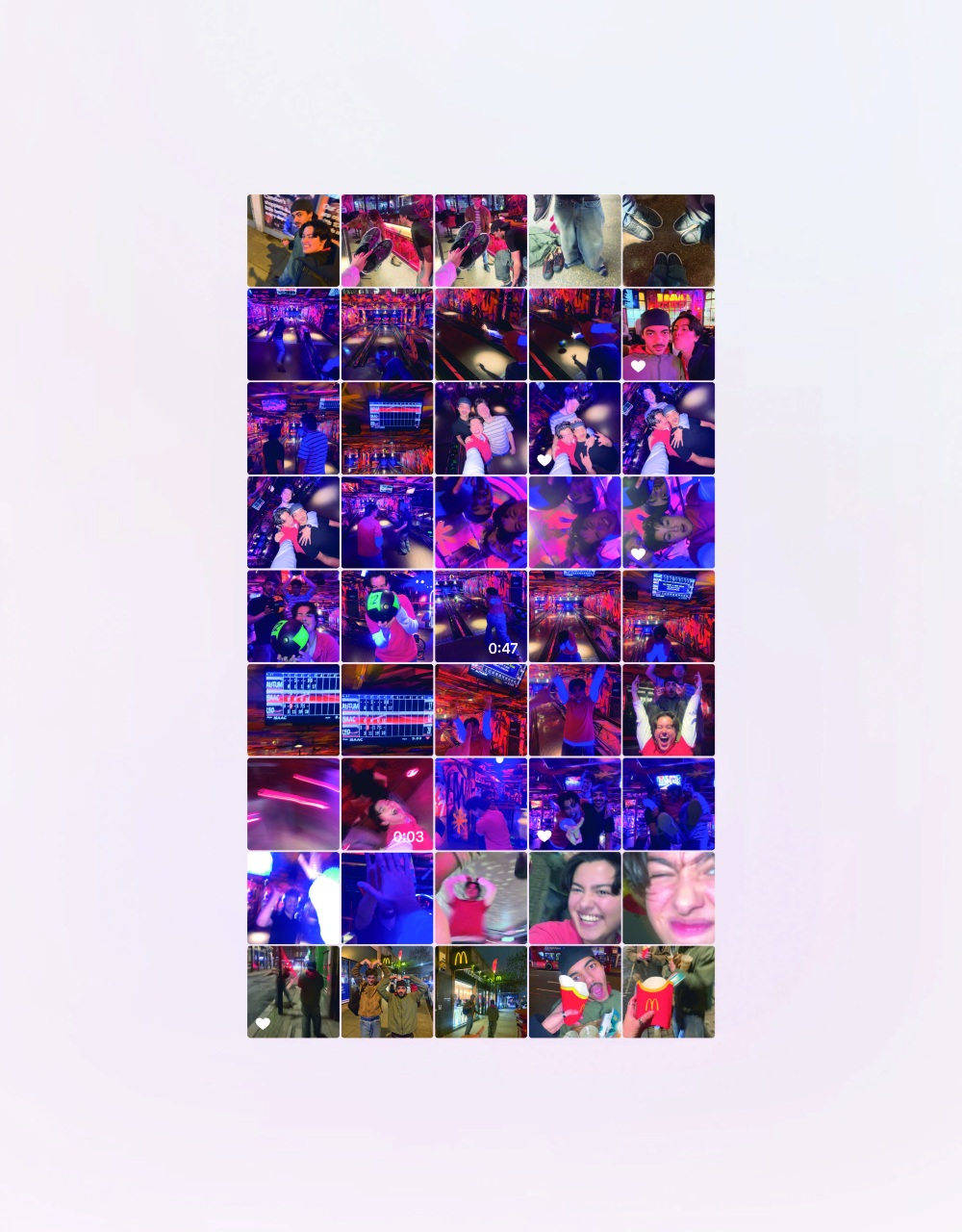
- “Gig”, “Wedding” and “Bowling”, by Leo London (United Kingdom) for McDonald’s
As in the case of Heinz, the strength of the brand and its symbols, and the forcefulness and simplicity of outdoor advertising, are put into play in this campaign. The typical photo mosaics on the mobile screen tell three festive nighttime situations that end with a McDonald’s menu. The campaign uses real images, according to the agency, and began on the night of the Brit Awards, after which the popular influencer GK Barry published her photos of the night on her social networks, with McDonald’s as the final protagonist. The brand’s followers took the example.
- “Tiny coffee shops”, by Lola (Spain) for De’Longhi
With the dual objective of proving that home-brewed coffee can be as delicious as that served outside and fighting the trend of specialty coffee shops, De’Longhi transformed five of his home coffee machines into as many miniature coffee establishments. Each one of them is inspired by a city with a great tradition of product consumption and all have been created by the famous miniaturist Simon Weisse and his team, frequent collaborators, as the brand highlights, of the filmmaker Wes Anderson. The unique coffee machines – completely functional despite their transformation – have been used in different activations and unboxing actions with influencers and have been the subject of an exhibition at Milan Design Week. The campaign adds this gold in Cannes to the Platinum Sun that won in the recently held edition of El Sol.
- “Let’s end fast tech”, by Marcel Paris (France) for Back Market
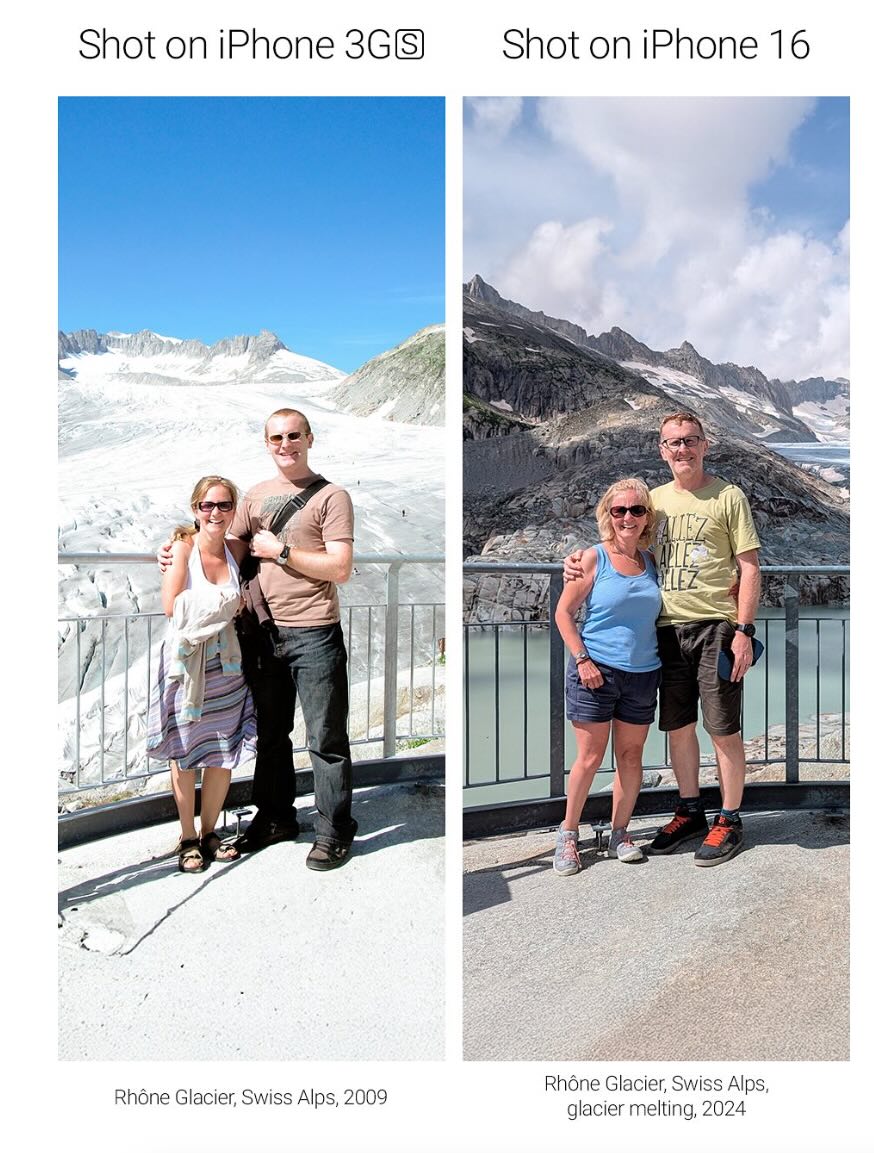
The high rate of renewal of technological devices for everyday use – mainly mobile phones – has a profound impact on the carbon footprint. To emphasize this situation, Back Market, a company specialized in the reconditioning and sale of second-hand mobile phones, has taken advantage of the popularity of Apple’s iconic “Shot on iPhone” campaign (which is precisely one of the companies whose successive renewals and improvements in its products generate the most desire among consumers).
Thus, Back Market has created originals in which, next to an image of a natural or urban space made with an iPhone years ago, another more current one is placed in which the effects of climate change in that place are evident. All this, together with the campaign slogan, “Let’s end fast tech” and a barcode with which information on repair and reuse of technological devices was accessed.
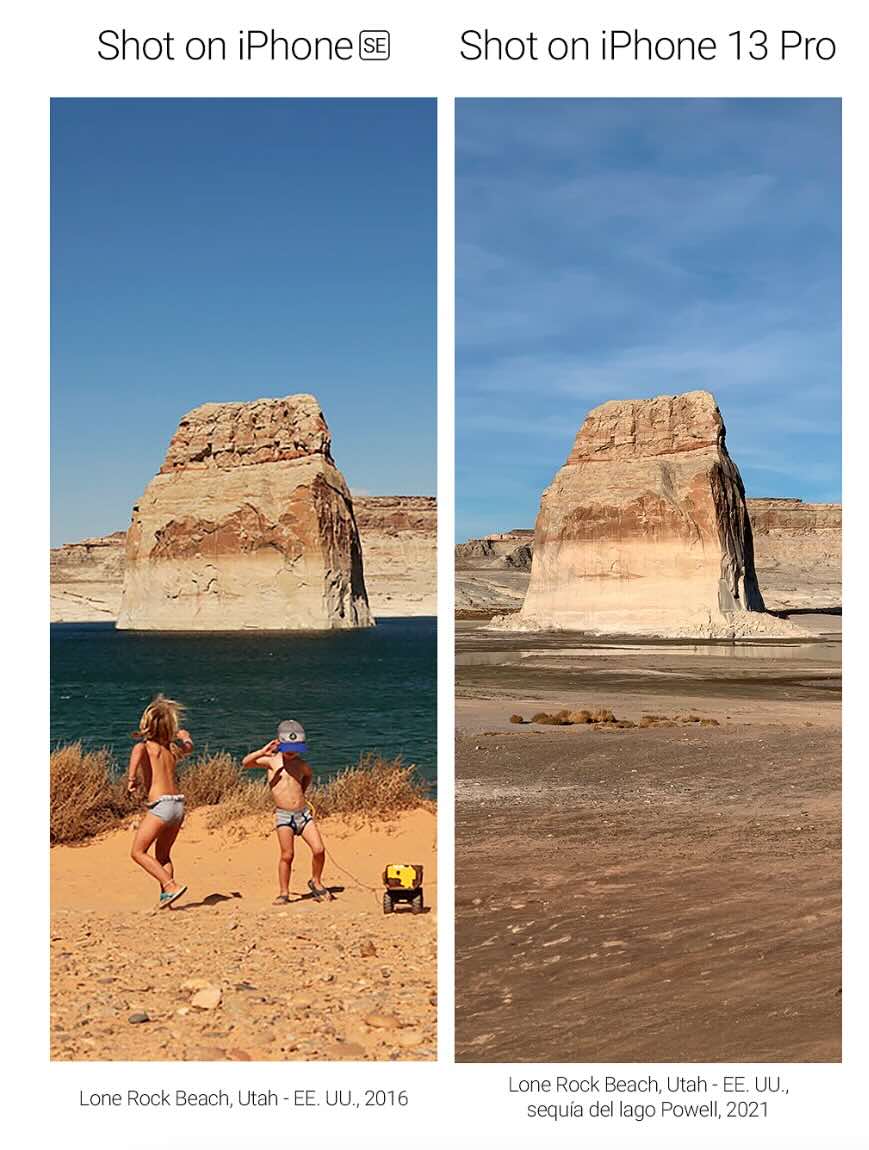
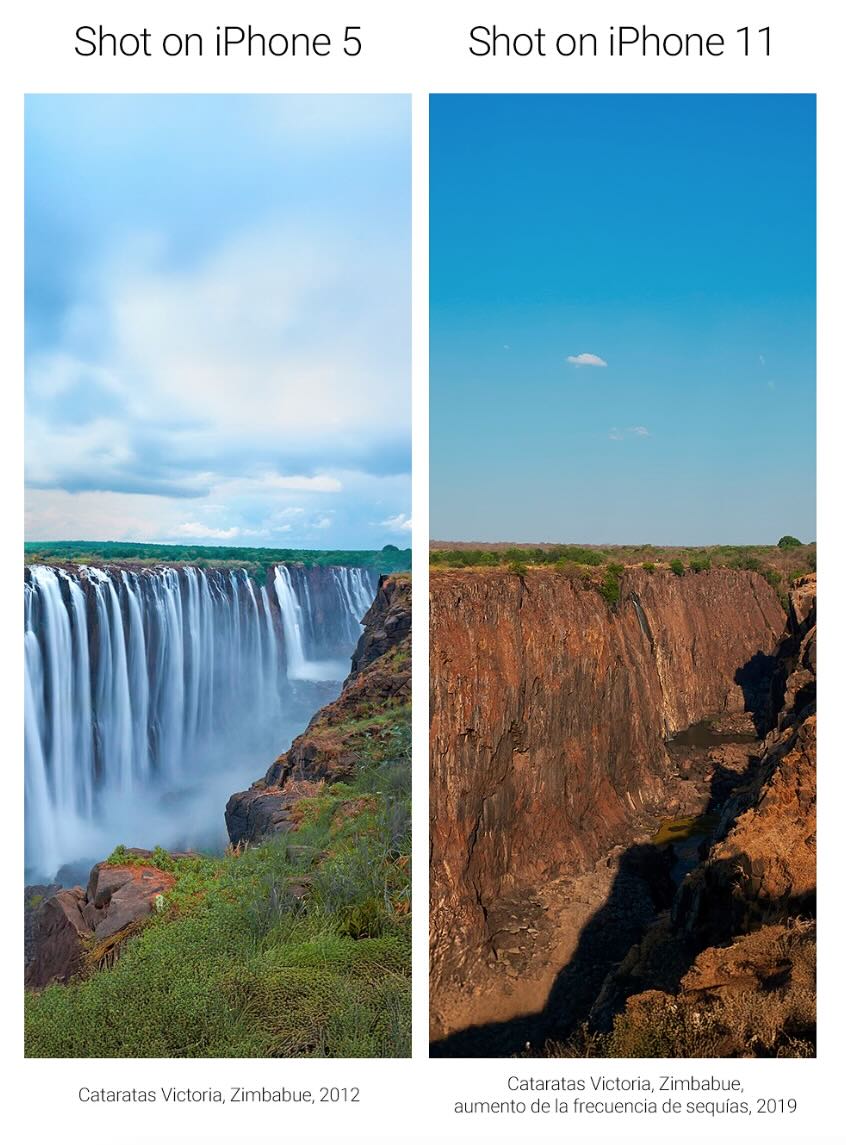
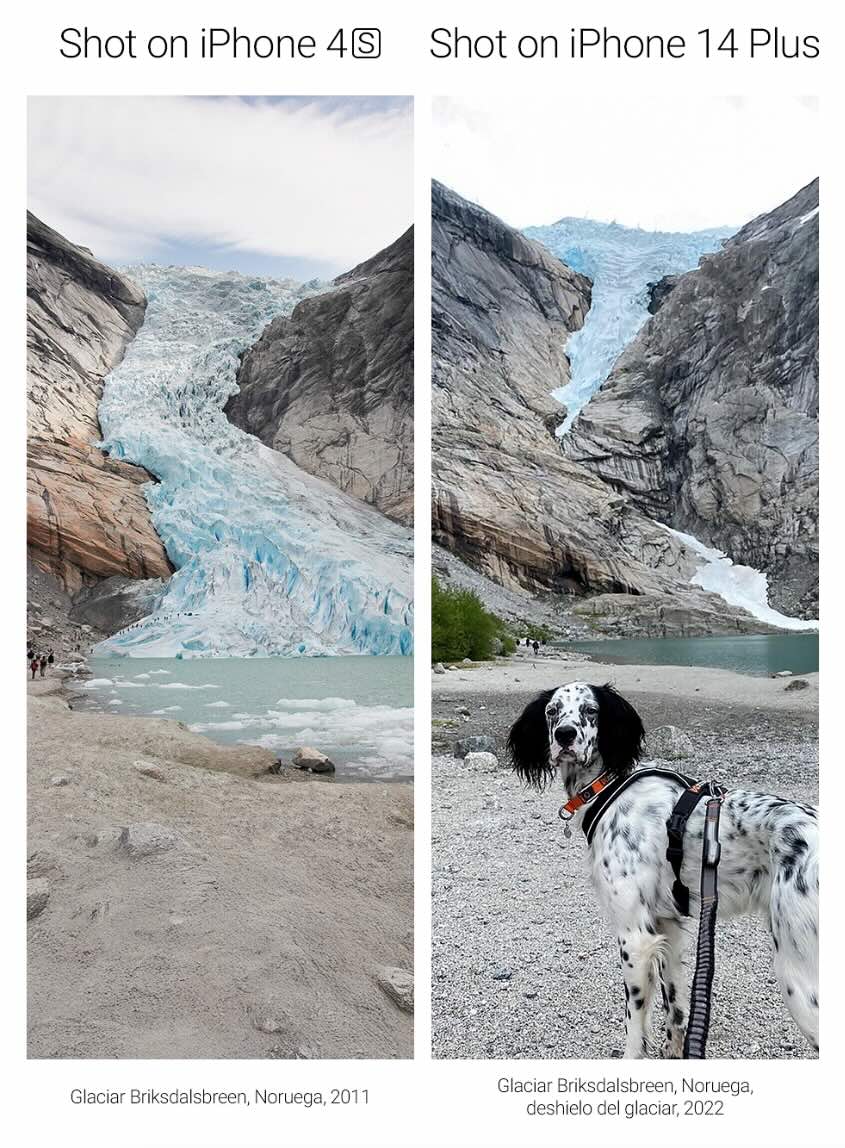
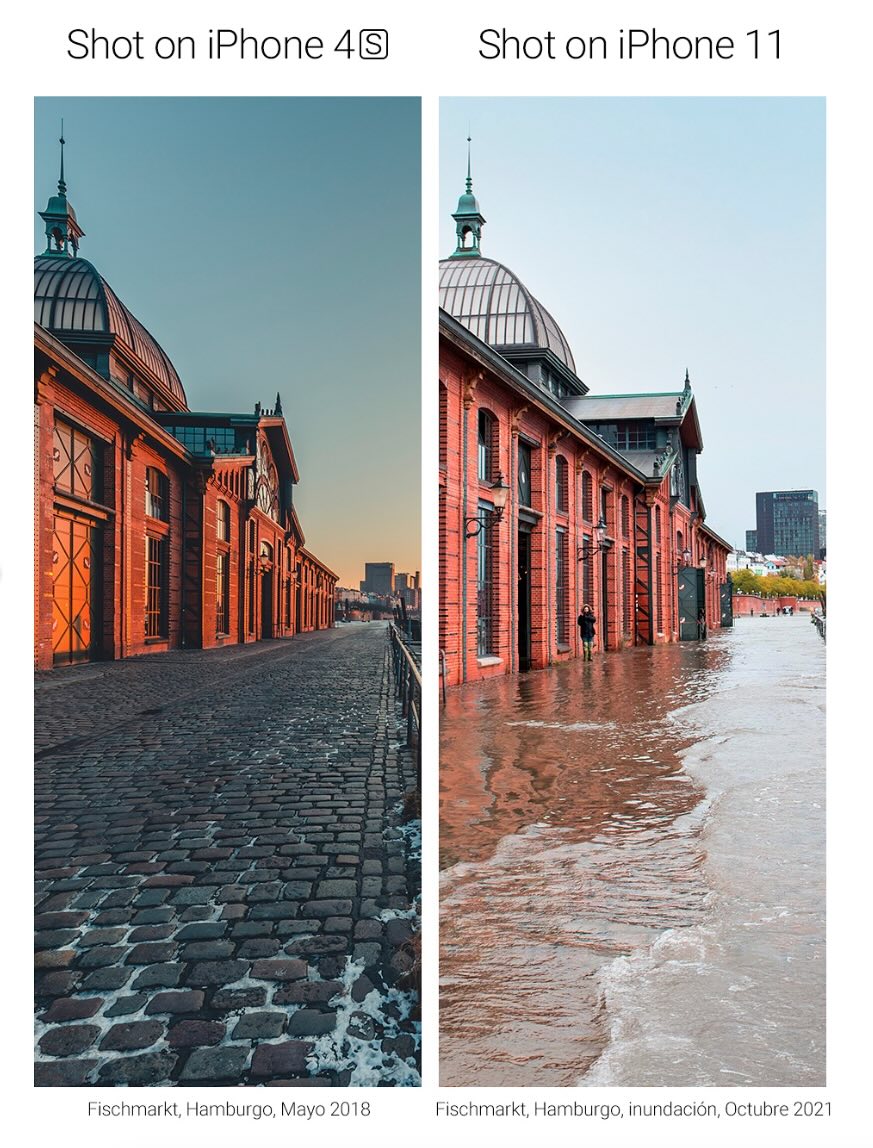
- “The last Coca-Cola in the desert”, by VML Mexico City, VML New York (United States) and VML São Paulo (Brazil) for Coca-Cola
Saying that oneself or another person is “the last Coca-Cola in the desert” It is an expression of vanity, or a form of praise, that the brand has used in Mexico in its most literal sense to honor the owners of businesses located in desert and remote places in the country who continue to serve a cold Coca-Cola to the customers who come to them. Coca-Cola has located them for this campaign but, instead of encouraging people to visit them, what the brand has done is take those people to the largest cities in the country through photographs that have been made known on outdoor media accompanied, precisely by a resignified “The last Coca-Cola in the desert.” As a complement to the outdoor campaign, the brand has shown the reality of these merchants through social networks and a documentary.
Coca-Cola México adds to this gold the one it won last year in the same Cannes Lions competition with another campaign that tried to strengthen its links with local culture: “Shades of red”, the work of David Madrid.
- “Sunburnt car”, by TBWA Sidney for MyCar
The Australian population is very aware of the need to protect their skin from excessive exposure to the sun and the impact of ultraviolet rays on the appearance of skin cancer. The MyCar workshop chain detected, however, that people feel protected against these effects when driving and, to make these effects visible, decided to upholster a car with the most perfect simulation possible of human skin, including its reactions to continued exposure to the sun. He placed the vehicle in Sydney Harbor so that passers-by could see and feel the effects first-hand. The manufacture of the synthetic skin was the work of Odd Studio, an Oscar-winning prosthetics company, which worked under the supervision of a burn surgeon.
- “Could have been a Heineken”, by LePub Milan (Italy) and LePub São Paulo (Brazil) for Heineken
WhatsApp voice messages are for many one of the great condemnations of the contemporary way of life. Those responsible for this campaign point out that people spend 150 hours a year listening to this type of communications, a reality that contrasts with the fact that everyone claims to not have time to meet up and have a beer with friends. From there, Heineken launched an outdoor campaign whose originals featured meters and meters of the characteristic green strip with the white sound bars that display the audio messages on WhatsApp along with the message “Could have been a Heineken.” To underline the message of the campaign, a QR code was included through which a Heineken promotion was accessed according to which, if the person forwarded an audio of more than 3 minutes in length to a bot of the brand, they would receive a voucher in exchange to exchange it for a beer at a nearby bar.
More info: Outdoor winners at Cannes Lions 2026