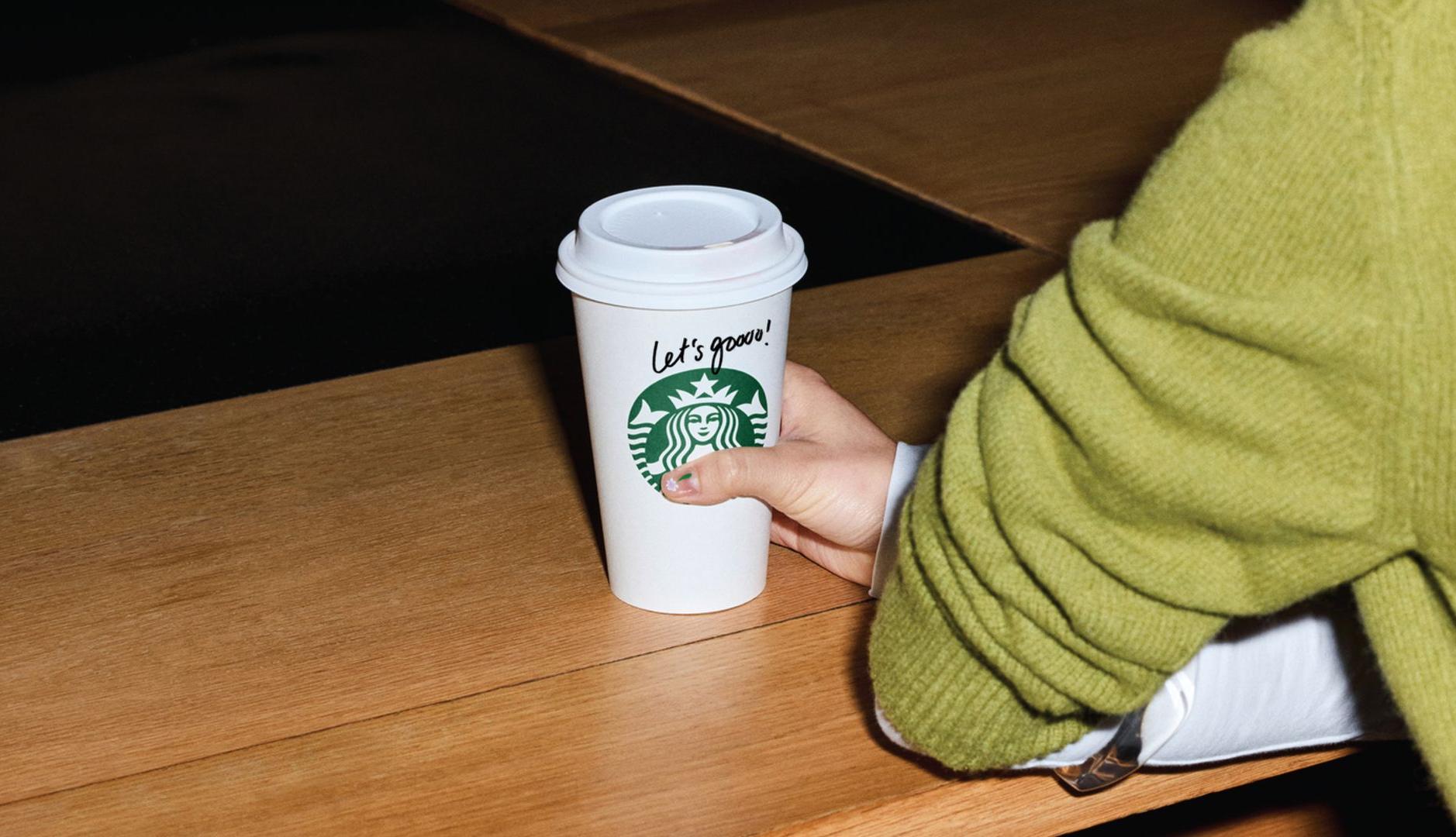
Artificial intelligence could help American consumers choose their next Starbucks order. And the company has launched a beta version functionality in ChatGPT to provide a new channel of inspiration for customers and discover the company’s products based on moods, sensations or even the outfit of the day.
Starting April 15, users can turn to the OpenAI chatbot to help them decide their next order. To activate the feature, simply tag @starbucks in a conversation with the tool and ask your questions or comments, or upload an image, so that it offers you drink recommendations based on your tastes, mood or cravings.
As Starbucks illustrates in a video, a user could write to ChatGPT “@starbucks, I’m looking for a refreshing drink” and the model could suggest an Iced Dragon energy drink, as well as five other options. It would also allow you to customize the size of the drink or the type of milk and other ingredients, or select the coffee shop, completing the purchase in the Starbucks application.
The company’s goal is to help customers in their choice process, as well as adapt to a purchasing inspiration of which ChatGPT is already a part. “People use chat tools to express their thoughts out loud: to describe the moment they are experiencing or imagine something they want to create. ‘I need something warm and cozy’ or ‘I need a pick-me-up.’ Or sometimes a picture says it better“commented Paul Riedel, Senior Vice President of Digital and Loyalty at Starbucks, in a post on the official blog. “We want to connect with customers right at that moment of inspiration and make it easier than ever for them to find the perfect drink.”.
In this sense, he points out that Starbucks’ functionality in ChatGPT is a step towards achieving that goal, and opening a new path in discovery driven by technology, but inspired by consumers. He also ensures that the initiative preserves the essence of the company, and defines it as warm, welcoming and with a strong creative component.
“We are always looking for ways to bring joy, comfort and creativity to everyday life”
“At Starbucks, we’re always looking for ways to bring joy, convenience and creativity to our customers’ everyday lives.“; adds Paul Riedel. “Today I’m excited to share something new we’re experimenting with, something I truly believe will change the way many of our customers discover their next favorite Starbucks drink.”.
He also defends a positive effect on the work of baristas in their cafes, pointing out that the new tool will mean that customers will arrive more prepared, more inspired and more enthusiastic about the drink they are going to enjoy, something that, he maintains, will create more enriching moments of connection.
However, some users do not understand it that way, judging by the comments they have left on the Instagram post in which the company explains the new tool. They have criticized the usefulness of the functionality when they can trust the company’s professionals, or the contradiction between Starbucks’ environmental positioning and the energy and water consumption derived from the use of ChatGPT.
“I would be very embarrassed to use AI to place my Starbucks order. How ridiculous!”; “Or, they could go to their nearest Starbucks and ask the barista instead of wasting thousands of gallons of water”; or “Why are they associated with the use of AI when Starbucks is a company that is proud of its contribution to environmental protection?” are some of the opinions expressed.
Starbucks’ integration into ChatGPT was already previewed earlier this year, when the company explained its roadmap regarding the application of artificial intelligence to “support the moments that matter“He then noted that his approach to technology was “practical and realistic”and aimed at helping its employees offer exceptional service, deepen the connection with customers and improve the atmosphere of the cafeterias.
Thanks to artificial intelligence, Starbucks has already presented tools such as “Green Dot Assist”, a virtual assistant to help baristas in real time in their work in cafes; or “Smart Queue”, for intelligent order management.
All of this is part of the “Back to Starbucks” strategy, promoted by its CEO, Brian Niccol, in 2024 with the intention of recovering the chain’s positioning, customer trust and boosting sales and business growth. The plan would be bearing fruit based on the fiscal results of 2025: net income increased by 3%, reaching $37.2 billion.