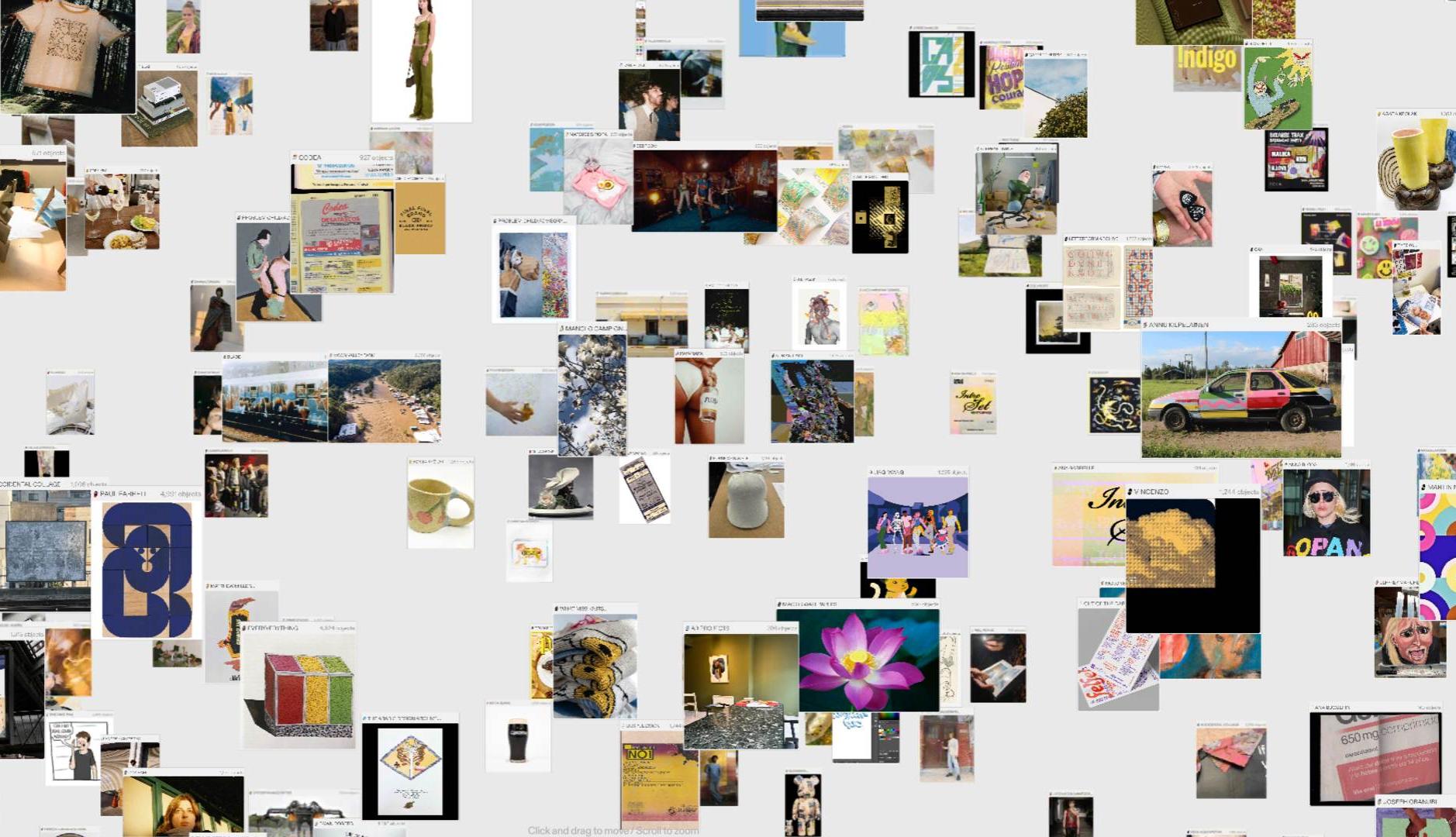
It is the year 2025 and we continue to sail and access information and archives as more than three decades ago: traditional systems that order documents by name, date and format and feeds based on vertical displacements that pile up publications one on top of each other. The situation could change if the proposal of SOOTbased on exploration interfaces by visual maps, it is consolidated.
The platform is making a hole in the digital environment thanks to a disruptive vision on how to present the information. Instead of showing only one or several images at the same time, Soot shows dozens and hundreds of images on the screen simultaneously creating a dynamic and interactive map by which to move.
It is an approach that challenges the conventions of both operating systems and social networks and user experience.
At the time of its launch, Soot was defined as “An interconnected canvas with the purpose of self -expression and infinite discovery. Inspired by the self-organized principles of nature”Its objective is to break the traditional file system, stagnant for decades in straight lines and lists networks.
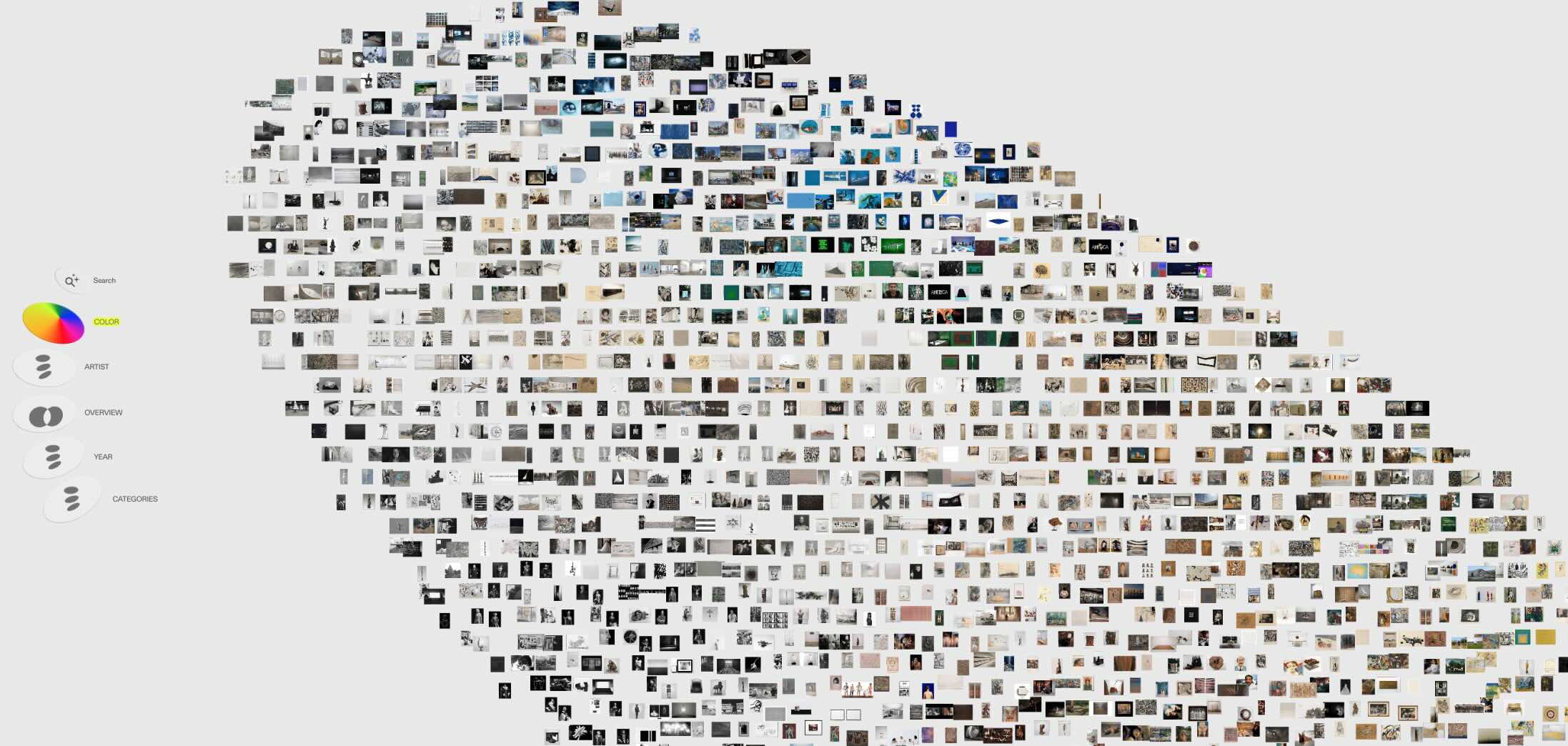
Instead, proposes a Visualization system of data that orders and organizes the documents in different ways: visual similarity, chromatic tone or metadata such as the user’s name. Currently, the set of publications present on the platform can be seen in a general view ordered by colors and in the form of equis, in an ellipse or by name.
Currently you can only create an account on the invitation platform, or subscribe to be notified to access. Once an account is created, each user has their personal space in which you can Publish multimedia content (Images, Gifs, Videos, etc.) In various ways, either by direct ascent, links or social media accounts.
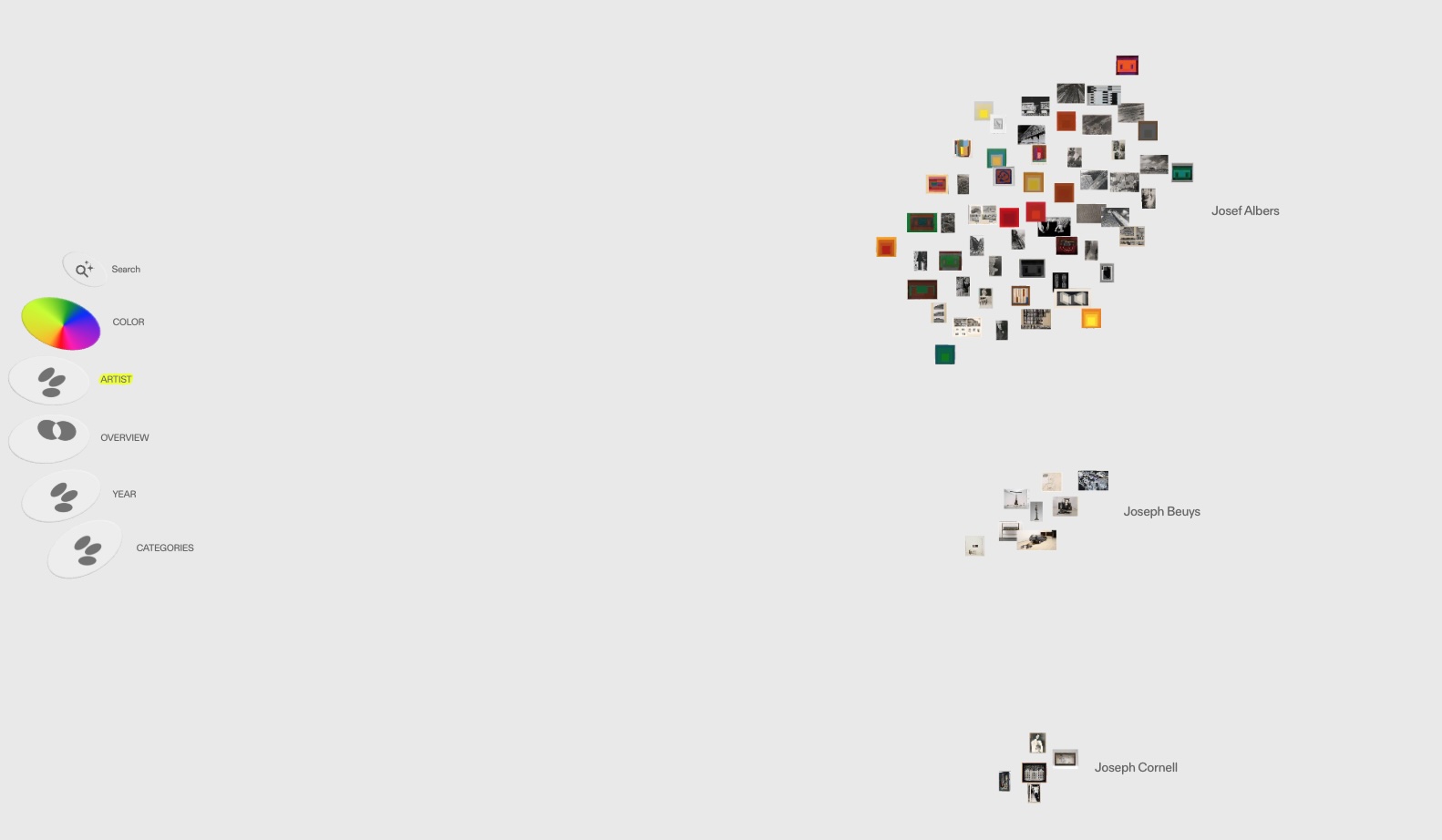
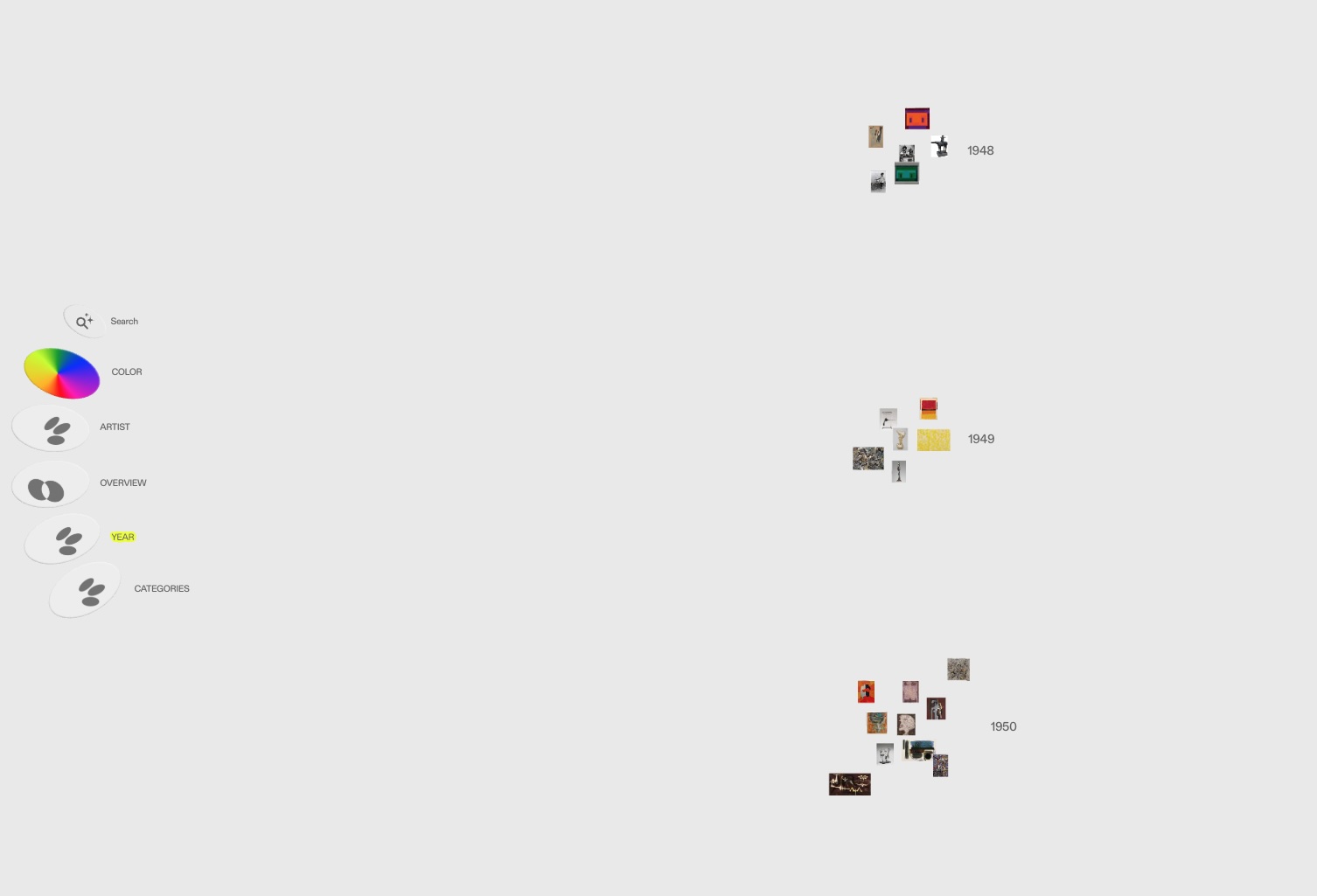
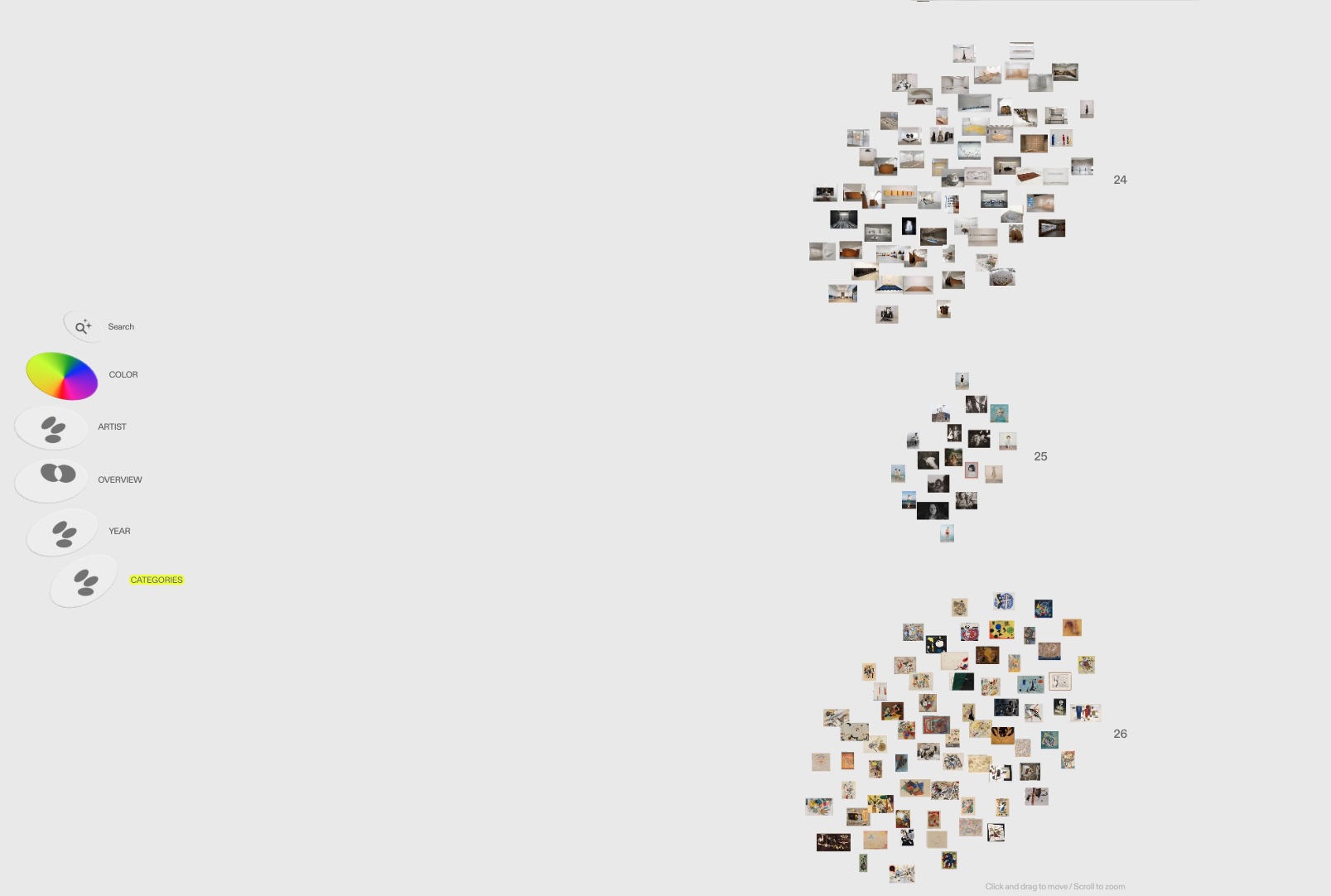
Soot’s proposal is difficult to explain with words, but a visit to the map created by the Guggenheim Museum in New York helps discover the vision of the platform. In this case, the different works are presented in a general view created by the institution, but can be ordered by color, year or artist.
Soot was founded five years ago by Jake Harperwho began his career as a sound designer in Soundwalk Collective before joining Zoox, the Amazon Autonomous Vehicle Company in 2020. Last year he achieved an investment round of 7.2 million dollars, according to Fortuneled by Upfront Ventures, and that included, among others Michael Mind, co-founder and co-zo co-lunch of Fashion Marketplace Revolve.
According to Fast Companycurrently has 4 million multimedia pieces from the 25,000 users that brings together in the private beta version. It is being used mainly by particular consumers, especially Creative profiles that seek to expose their works, and is understood as an evolution of the Pinterest or Behance boards. They use them to create moodboards or organize portfolios.
However, there are also brands and companies whose approach is to exhibit its product catalog or present new collections. Those responsible for the platform also point, as reported Fortunethat SOOT could be used internally in companies that work with fundamentally visual items.
It is also charging impulse as a social network, since SOOT allows to comment in the publications of other users, as well as follow their updates. While the platform has not been born with this will, but as a new file presentation model, its innovative vision of information disposition can raise a new concept of social space online.
Especially when considering the development of new environments driven, for example, by virtual reality, which proposes many more interactive and dynamic interfaces than those known so far. On the other hand, side, the disruption posed by artificial intelligence for the search for information could also be accompanied by a new data visualization and SOOT’s proposal could open an exploration path.