Rimowa has decided to move away from the conceptual clarity of luxury brand advertising and take the opposite path. Its latest campaign, starring Nicholas Braun – known for his role as Cousin Greg in “Succession” – has a deliberately disconcerting narrative tone.
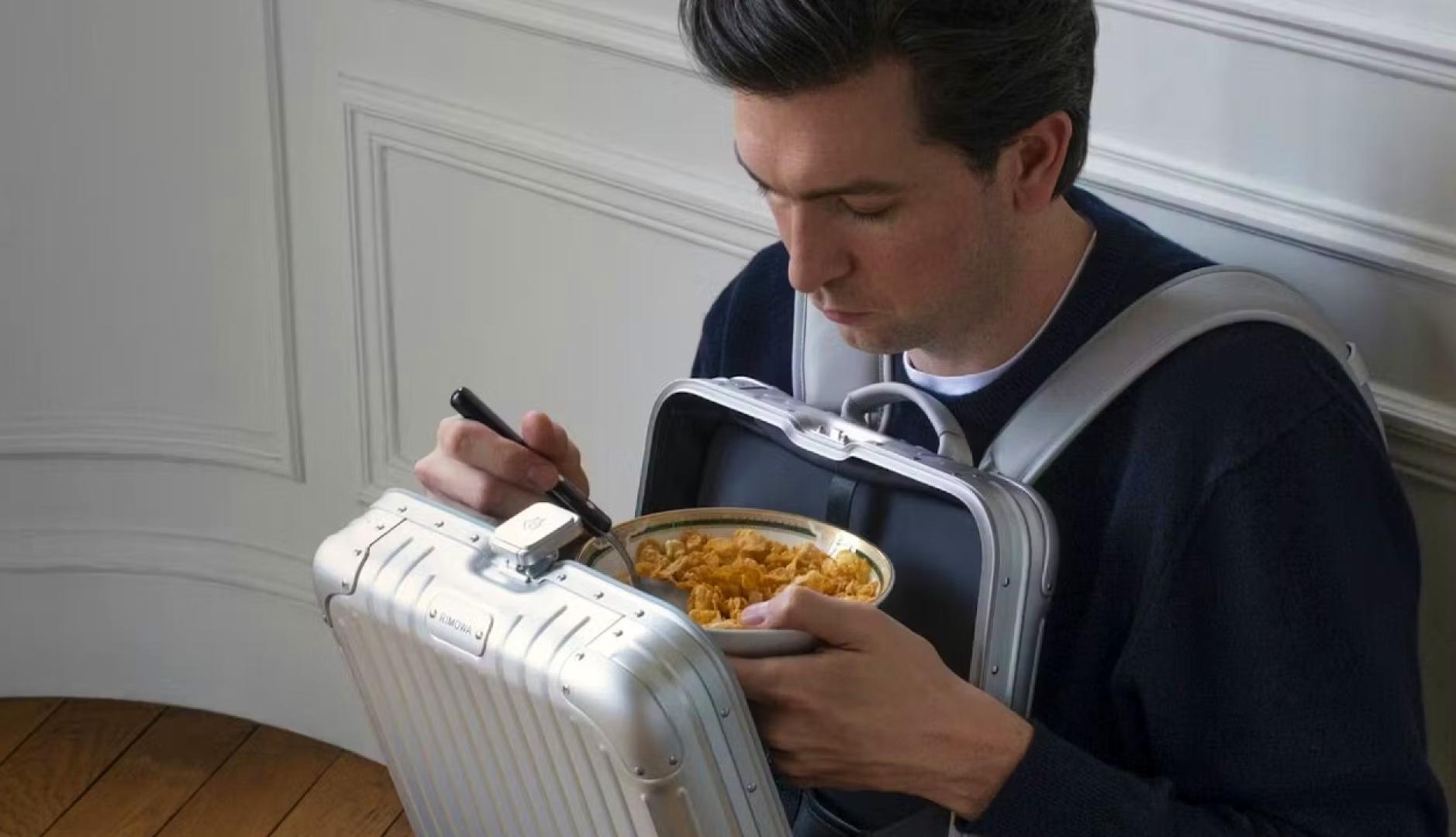
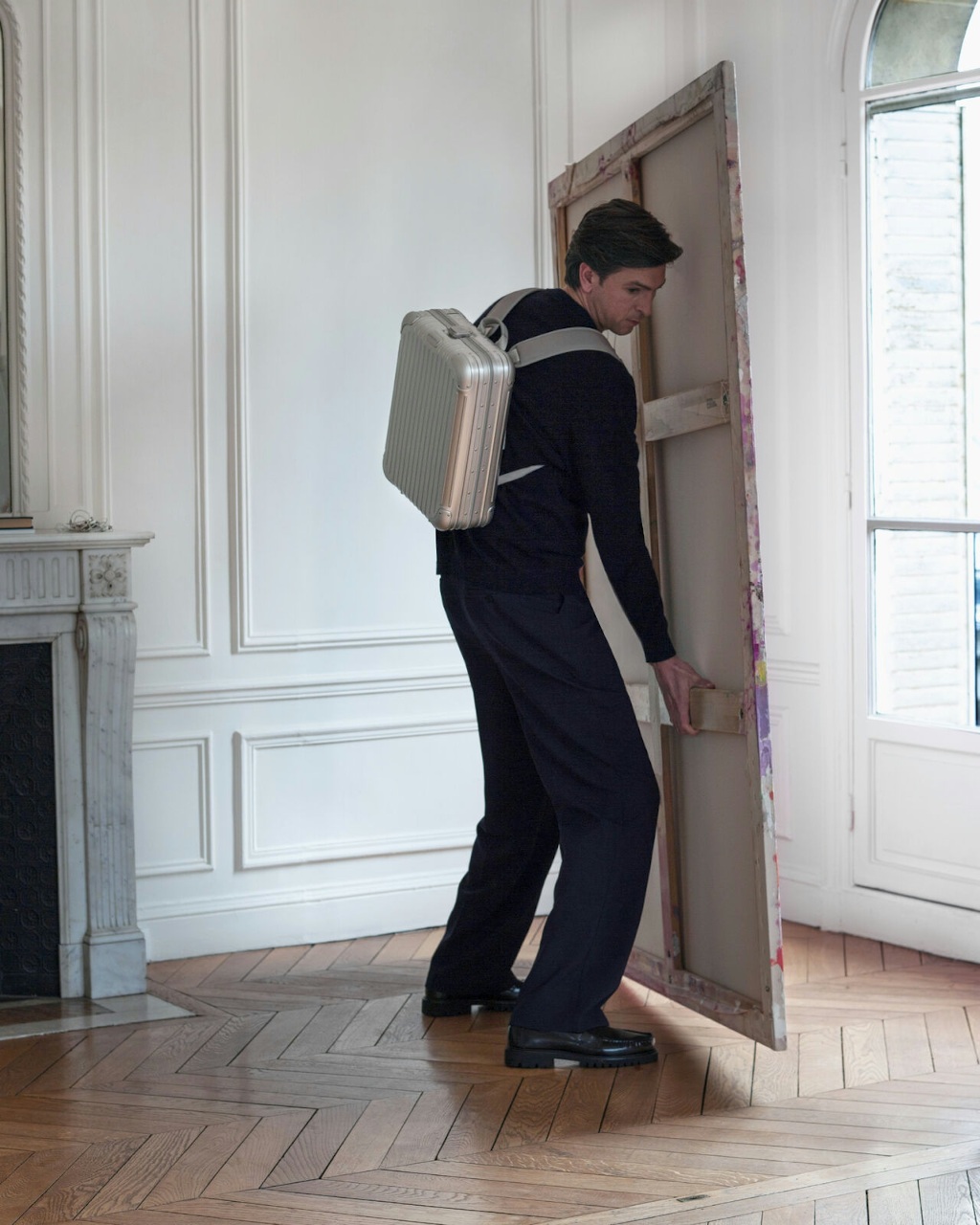
The actor appears hugging a silver aluminum backpack shaped like a rigid suitcase. She wears it while practicing yoga. While painting a door. Even while eating cereal for breakfast straight from the inside of the luggage. The scenes do not explain anything about the product and that is precisely where the brand’s intention lies.
The series is signed by the British photographer Nigel Shafran, whose work has been described as an accumulation of images connected to each other, apparently everyday sequences where an internal logic that is difficult to verbalize always underlies. In this campaign, that logic seems to orbit around the idea of attachment.
And Braun doesn’t simply carry the backpack; He clings to her as if she were an object of security. A luxury accessory treated as an emotional object.

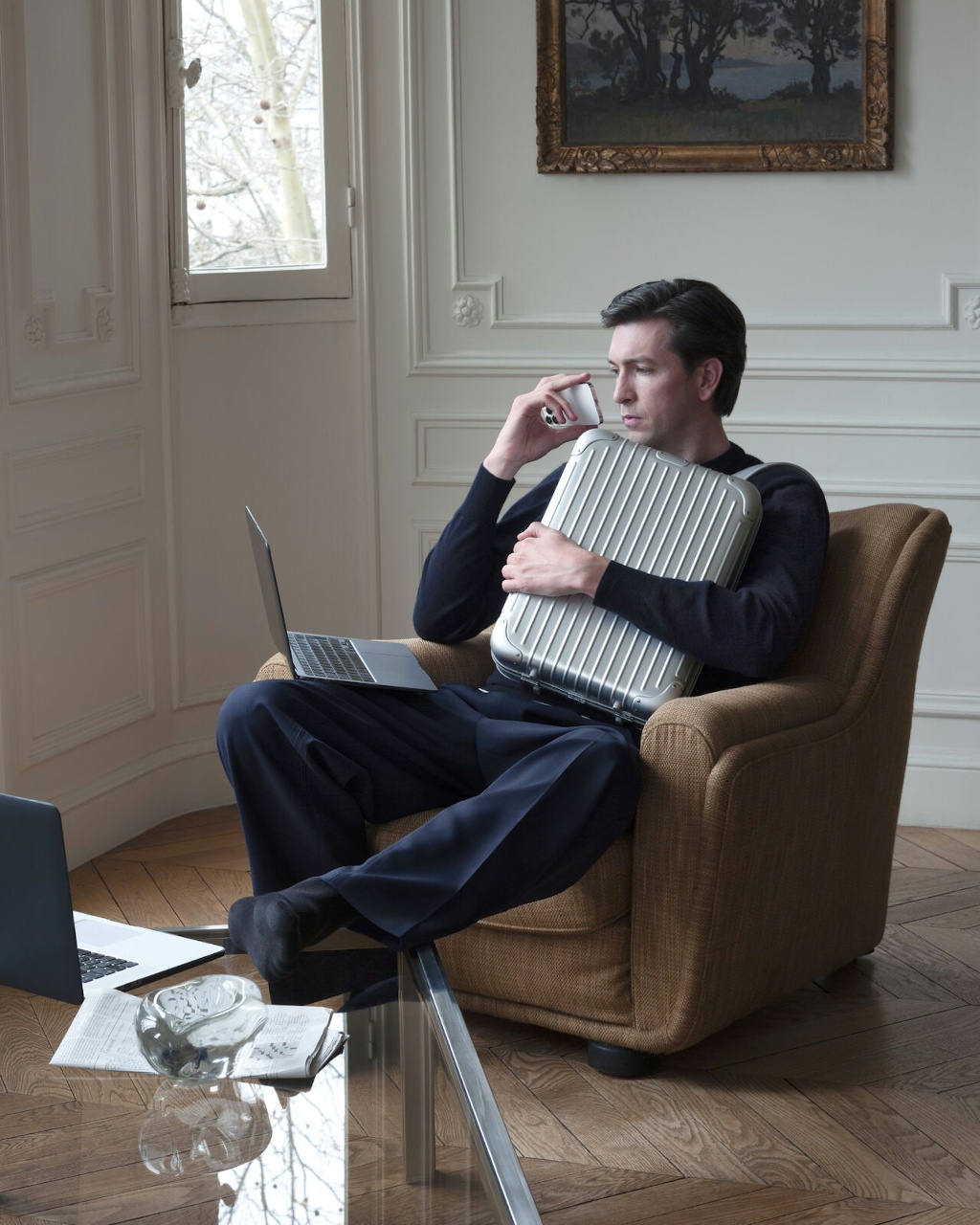
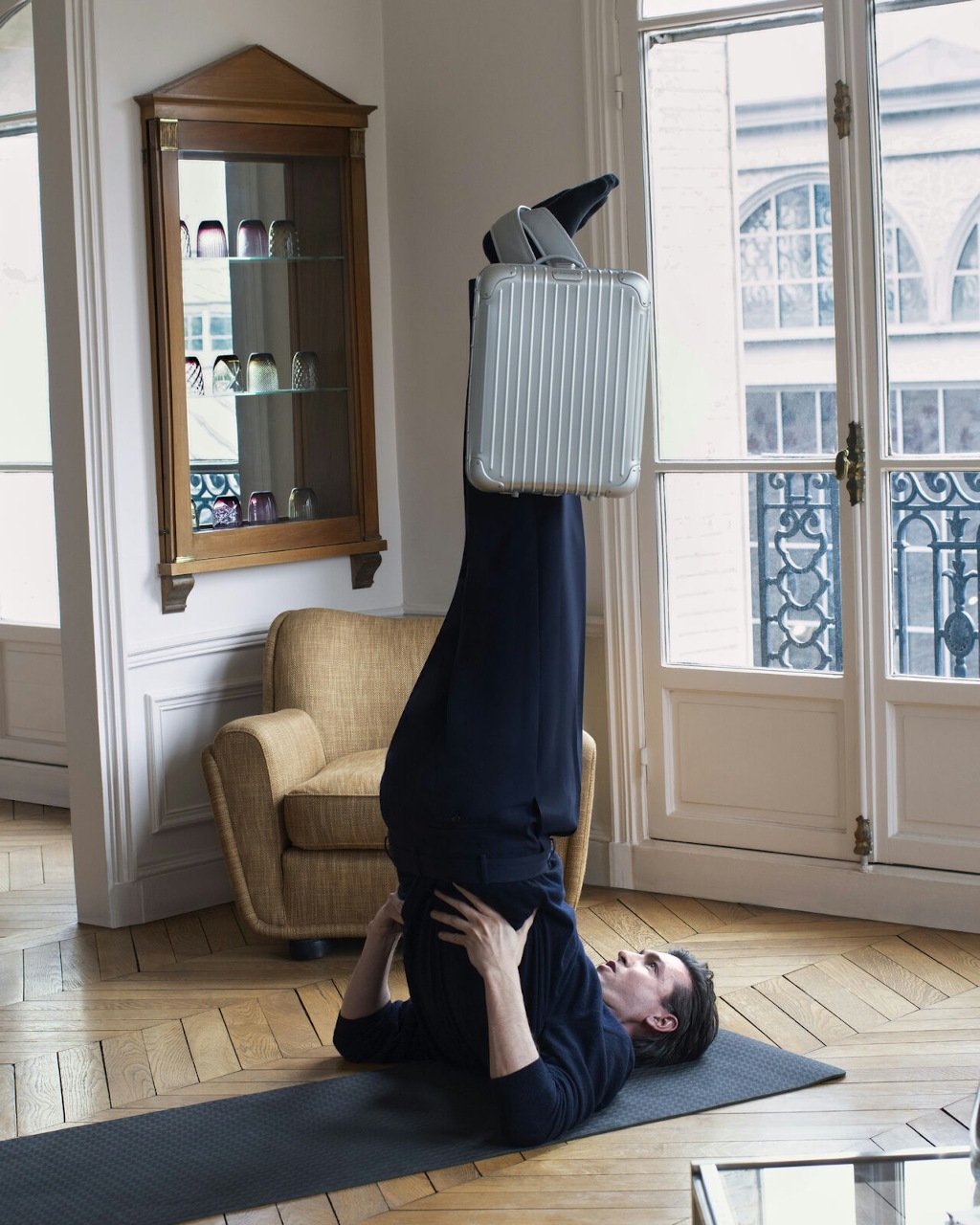
The campaign is reminiscent of certain fashion advertising from the late 20th century: beautiful, uncomfortable or absurd images that did not seek to explain the product, but rather to elevate it to a cultural category. In that sense, Rimowa seems to recover a tradition where rational narrative is replaced by a subtle atmosphere.
The piece can be read as a conscious exaggeration of the bond that consumers establish with certain luxury objects. Because, beyond its functionality, a suitcase or backpack like this also represents identity, travel, status or memory. Turning it into a kind of domestic talisman, placing it in scenes such as painting a door or having breakfast, is taking that logic to the extreme.
Nigel Shafran’s work has been described as images of “shocking everyday simplicity” that always contain a degree of playful irony but no one knows exactly if the joke is directed at the viewer. This ambiguous tone also runs through Rimowa’s campaign. By presenting the backpack as an object that cannot be separated from, even in absurd situations, Rimowa shifts the discourse of travel towards the territory of attachment.