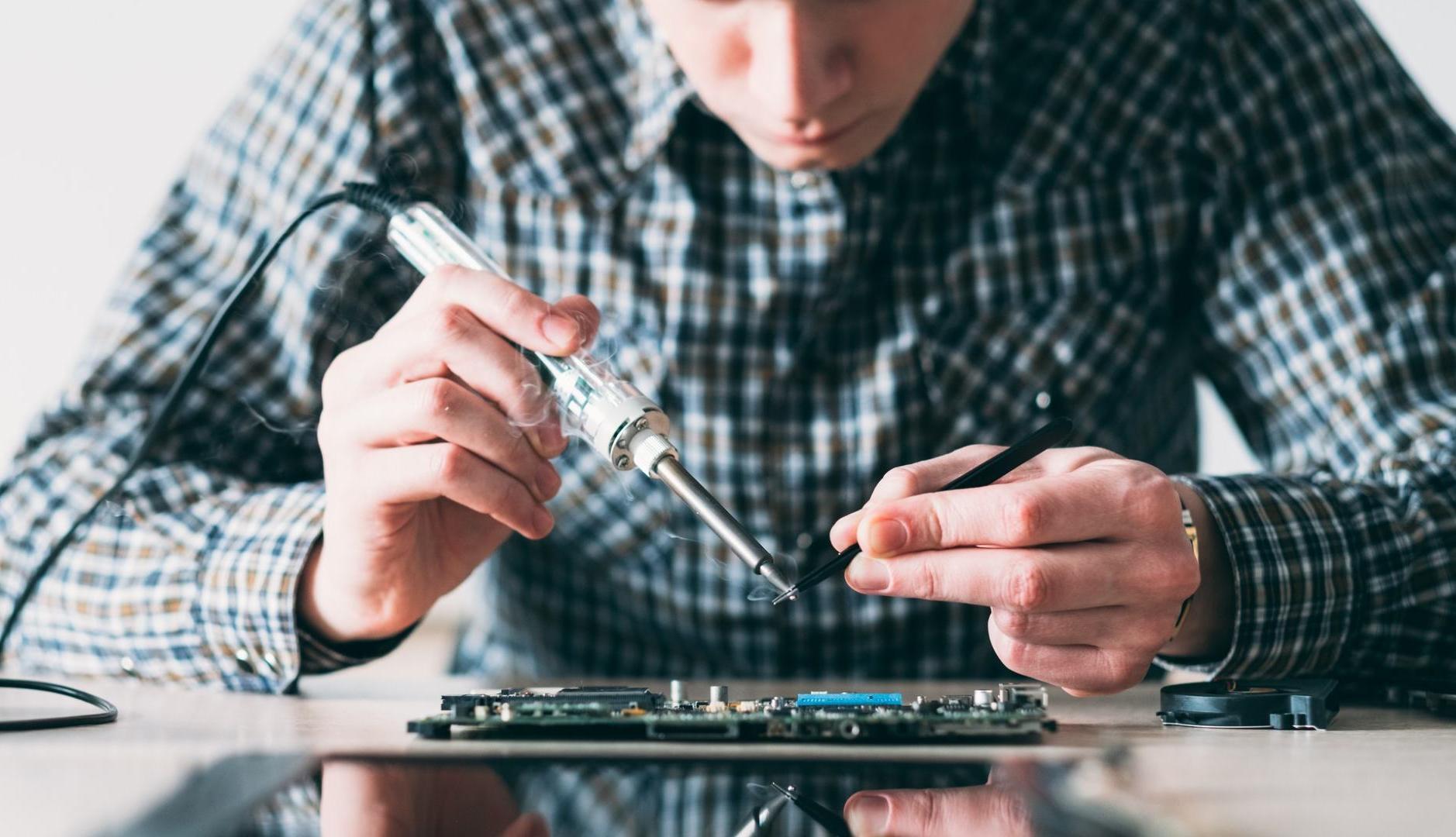
Televisions with damaged screens, stuffed animals chewed by a dog or phones whose microphone does not work. All types of objects can be examined and repaired in the hundreds of Repair Cafés that have proliferated throughout the world in recent years and that promote a culture of reuse and repair against the trend of excessive consumption.
These are neighborhood and collaborative meetings aimed at repairing small items of daily use. They are made up of volunteer repair specialists, who put their experience and skills at the service of users with objects to repair. It does not consist of a technical service, since the philosophy of the initiative lies in the exchange of knowledge and learning to promote the circular economy and more sustainable and respectful behaviors.
In this sense, the repairs are carried out by the visitors themselves with the help of experts. The meetings are open access and free of charge, as are the repairs, unless the use of new materials is required, in which case they must be assumed by the user. However, donations are accepted, which are mainly intended for the acquisition of tools and work utensils or for the refreshments offered during the sessions.
The project was launched by environmentalist Martine Postma, who held the first meeting in Amsterdam in October 2009 under the name Repair Café. It emerged as a meeting of people interested in repair, maintenance and the practice of “do it yourself” in the face of consumerism and the tendency to constant replacement and the purchase of first-use products.
Currently, Repair Café has become an international movement with a presence in dozens of markets, including Belgium, Germany, France, the United Kingdom, the United States and Spain. In our country, there is Repair Café in Madrid, Barcelona, Toledo, Malaga or Santiago de Compostela, among many other cities. In the capital, meetings are usually held every Saturday from 6:00 p.m. to 8:00 p.m. in Matadero, although sessions have also been held at the Círculo de Bellas Artes or the Ateneo La Maliciosa.
Movements against excessive consumption
According to the initiative’s website, Repair Café currently has almost 4,000 meetings around the world, and a network of more than 59,000 volunteers. In addition, it is estimated that through its meetings more than 71,000 items are repaired per month, which would be preventing tons of still usable items from ending up in the trash and replaced by new ones. Consequently, this activity would be generating savings in raw materials and the energy necessary both to manufacture new products and to recycle old ones.
However, the main motivation of Repair Café is to consolidate a repair culture that is not yet sufficiently rooted, especially among new generations. This is mainly because the knowledge to fix everyday items is gradually disappearing, also driven by the commercial interests of manufacturing companies.
Repair Café meetings have been favored by the expansion of concern about climate change and the environmental footprint of human activity, both collective and individual. However, its popularization has also been increasing as a result of the crises in the supply chain experienced in recent years as a result of the pandemic or geopolitical conflicts, such as the current war in Iran; or the global economic situation, marked by inflation and the high cost of living and housing.
They move away from capitalism to offer an alternative to mass production
The interest in this type of initiative is also part of a current of thought that moves away from capitalism and that tries to offer an alternative to the mass-produced disposable products that have dominated the world economy for the last half century. This mentality has been reflected in recent years in different movements, such as “No-Buy”, which encourages reducing spending on non-essential products; or “disinfluence”, which opposes the traditional models of influence based on the promotion of consumption.
Community through exchange
This has favored the consolidation of second-hand purchases and the use of platforms such as Wallapop or Vinted; or participation in communities of exchange of goods. This is supported, for example, by Buy Nothing Project, a free object exchange platform that already has 14 million members in more than 50 markets.
Through an application and local Facebook groups, it connects neighbors to exchange free, voluntary items or services, saving money, reducing waste, and strengthening community ties. Users can post the items they offer, or ask their neighbors if they have something specific that they can give or borrow. They can also offer their time and talents to those who need them.
Both initiatives, as well as many others that have emerged both globally and locally and that are not necessarily new, are structured by a strong feeling and desire to connect with the community. Beyond a common interest in alternatives to excessive consumption, those who participate in these movements seek a more collaborative, human and authentic lifestyle with a real positive impact on people.
Both Repair Café and Buy Nothing Project reflect the consolidation of new perspectives on the way of relating to consumption, something that, again, can serve as inspiration for brands when defining their marketing and communication strategies, but also their commercial dynamics and the way of relating to their audiences.