It’s no secret that Millennials and Generation Z have a penchant for experiences. After several years of excessive screen consumption and social distancing, they have developed a renewed interest in live in-person events, a trend also fueled by digital fatigue or demotivation with dating applications. They seek to create authentic connections in physical spaces, but in a context that values emotional well-being and mental health, they are increasingly leaning towards relaxed and shared activities. It is the so-called soft socializing.
This is informal or gentle socialization, focused on sharing activities rather than demonstrating social skills. From hiking to board game sessions to painting workshops or reading clubs, the idea behind it is to generate relaxed interactions and spend time with other people without the need and expectations of constant conversation.
And for many people, traditional social environments, such as a night out at a pub, dates resulting from a “match” on an app, or professional networking meetings, can be intimidating and exhausting; and meeting new people and engaging in small talk can lead to nervousness, or even stress and anxiety. With an activity through, the focus of attention is transferred to it, instead of the interaction itself, reducing the negative emotions that it may cause.
Jasmine’s original post on TikTok
From floral workshops to walks around the city
What’s more, 58% of young people say that socializing is important, but they do not want it to be the center of attention, according to the Eventbrite platform’s trends report for 2026, prepared from surveys of more than 4,000 individuals between 18 and 35 years old in the United States and the United Kingdom. Besides. 45% prefer to control how and when they interact.
According to Eventbrite, flower arranging events grew by 282% in the United Kingdom during 2025
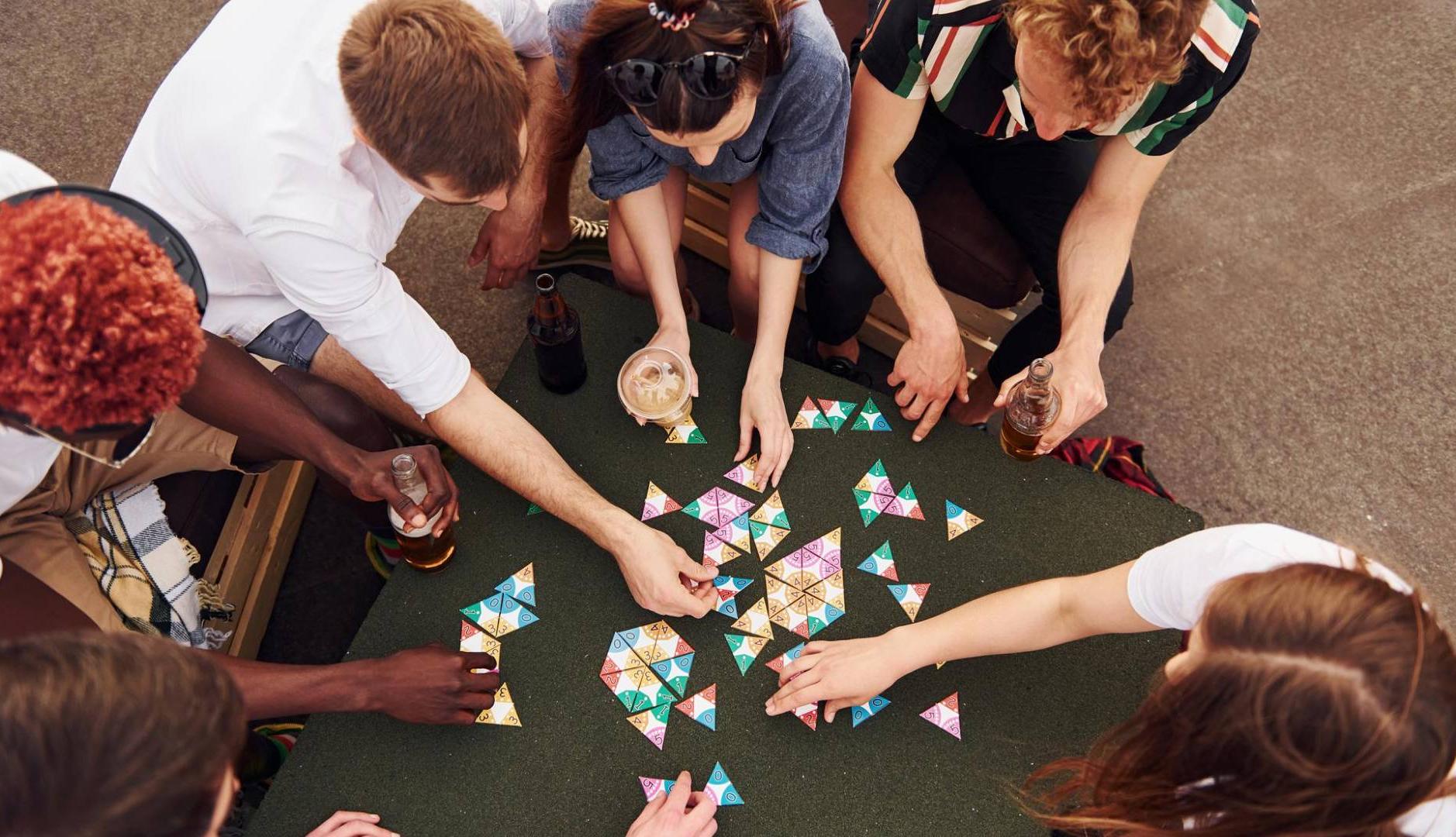
This is what has caused the popularization of relaxed and shared activities such as chess or bird watching. According to Eventbrite, flower arranging events saw a 282% increase in attendance in the UK during 2025, while puzzle competitions increased by 151% in the US. Coffee or tea tastings have also proliferated, which in the United Kingdom experienced an 80% growth in events and 49% in attendance; musical bingo or, on the other hand, silent activities, such as silent discos or reading meetings, calls reading parties.
The idea, however, is not really new and draws on the so-called “meet up”, that is, meetings and gatherings with groups of strangers to carry out activities and meet people, and which were enabled as a result of the consolidation of the Internet. For example, the Meetup platform was born in New York in 2002 and already has 52 million registered members and organizers in more than 193 countries.
The difference is mainly found in the incorporation of the nuance associated with “soft”, which is born from the ambition of many people to lead a more leisurely, calm and connected lifestyle in the face of the frenetic pace of life and excesses of consumption. So much so that concepts such as “soft girl” or online communities dedicated entirely to this type of entertainment have emerged, such as “Girls Who Walk”; a social movement present in different cities that promotes outdoor activities and meetings between women to get to know each other in pressure-free environments.
Girls Who Walk London post on TikTok
Socialization, mental health and disconnection
The trend finds its explanation in the traits that define Generation Z and the events that have shaped it. They are the first generation of true digital natives and have grown up in an era where communication is practically constant. They are also among the most frequent users of social media and digital platforms, which has transformed the way they build relationships.
In this sense, for many young people, the exchange of information that occurs through traditional socialization is already carried out digitally on a regular basis through social networks and instant messaging applications, which is why they also consider face-to-face encounters with activities as a special entertainment and socialization experience.
The popularization of soft socializing It also occurs in a context of economic complexity, with Generation Z and millennials being the groups most affected by the increase in the cost of living or difficulties in accessing housing. Many of the activities linked to this “soft socialization”, such as walking around the city, hiking or observing fauna and flora, can be done for free. And other factors also influence, such as the search for hobbies and forms of leisure that are conscious and respectful of the environment.
He soft socializingwith its combination of activities and socialization, is also conceived as a solution to mental health issues that concern new generations. Multiple studies conclude that participating in creative and practical activities reduces physiological stress and contributes to relaxation. Likewise, positive social interactions also reduce cortisol levels, which can help calm the body, and promote relationship building.
Genuine connection opportunity for brands
The trend cannot be considered something new, nor is it considered a passing fad, like the many that flood social networks. Rather, it is perceived as the recovery of a behavior that for multiple reasons has been forgotten or deprioritized, which is that relationships are built through small moments.
In this regard, the soft socializing opens up a space of interaction that brands can explore and capitalize on to enhance genuine connection with their audiences. From Eventbrite they recommend designing experiences and creating spaces with different levels of interaction, and that include quiet corners, practical activities and optional interactions that respect different comfort zones.
It also advises collaborating with local businesses, such as cafes, breweries or bars, to create welcoming, pressure-free opportunities to connect, while strengthening the community and local economy. However, events can also be held outdoors, providing spaces to breathe, walk and share moments of tranquility.
Consciously or unconsciously, some brands have already begun to embrace the soft socializing. For example, the hotel chain Only YOU, together with the creative company Lavidita, have organized reading parties in their hotels; while Decathlon has its “camping experiences”, with workshops and sports activity sessions. The Oysho clothing brand, for its part, has an Oysho Community, which offers an agenda of sports activities to its members.
Brands, if they do not have the possibility of promoting their own initiatives, can also consider the possibility of helping and supporting local initiatives in the role of sponsors, and providing financial resources, human talent, or even products and materials to carry out the activities.