There is a widespread idea that electronic cigarettes, also known as “vaping devices,” are less harmful than traditional tobacco. However, multiple organizations worldwide, including the WHO, warn that its components, such as additives, flavors or chemicals, can be harmful to health. To demystify these devices, the regional government of Rio de Janeiro launched an impressive awareness campaign that gave prominence to their effects.
The strawberry, mango or pear appear in the process of putrefaction and in the shape of lungs
With the help of the creative agency Propeg, the government of the Brazilian city launched a graphic campaign last September to warn citizens, especially young people, about the risks and harms of electronic cigarettes and their consequences for the smoker’s health. Furthermore, the intention of the communication initiative is to remember that the marketing, import and advertising related to “vapers” has been prohibited in the country since 2009.
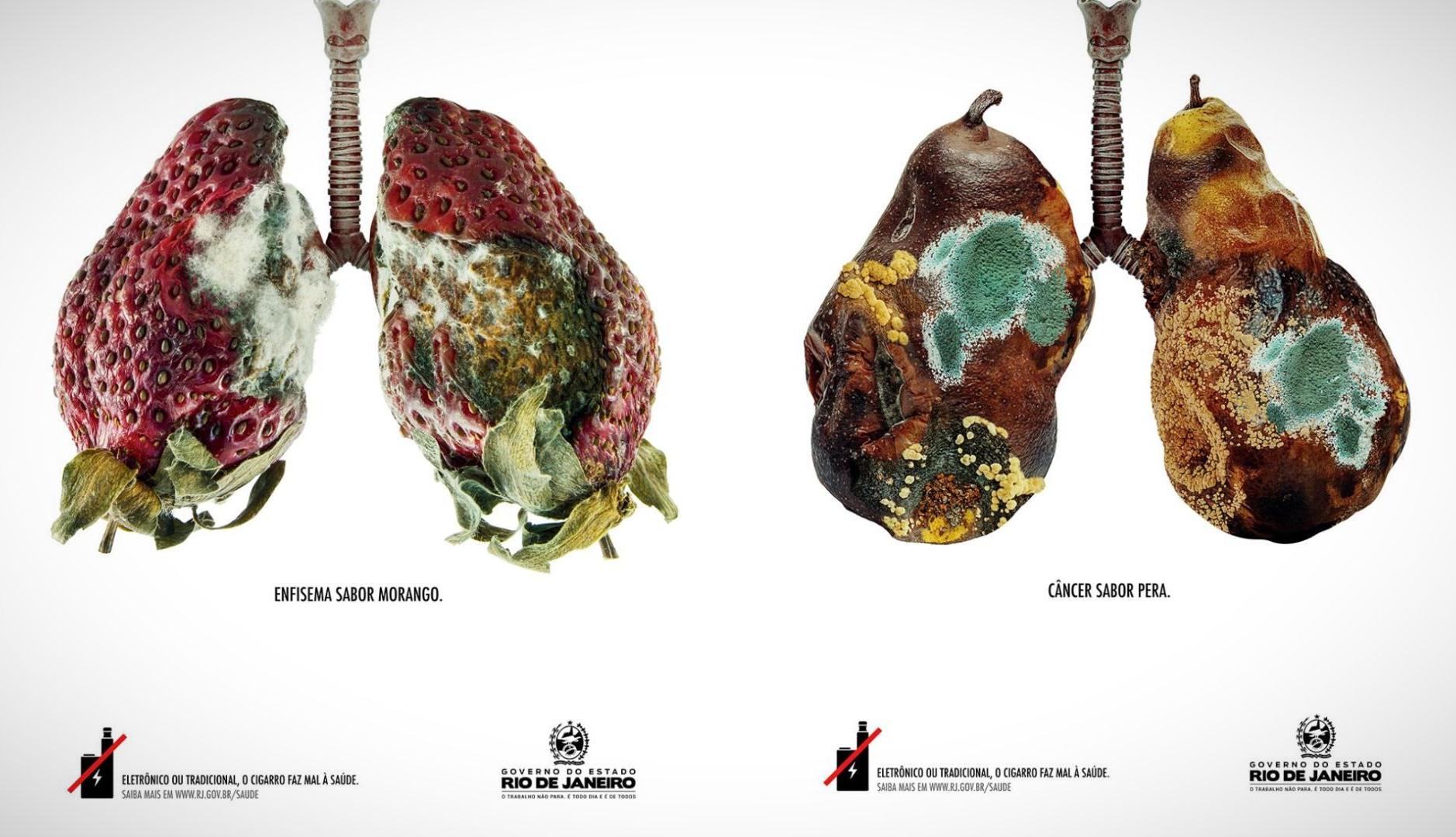
To achieve this, the strategy has focused on generating visual impact through creative pieces that establish a direct connection between the attractive flavors of electronic cigarettes and the physical consequences of their consumption. In this sense, the graphics show fruits such as strawberry, mango or pear, which refer to some of the best-selling flavors and aromas of these devices, but in the process of putrefaction and in the form of deteriorated lungs.
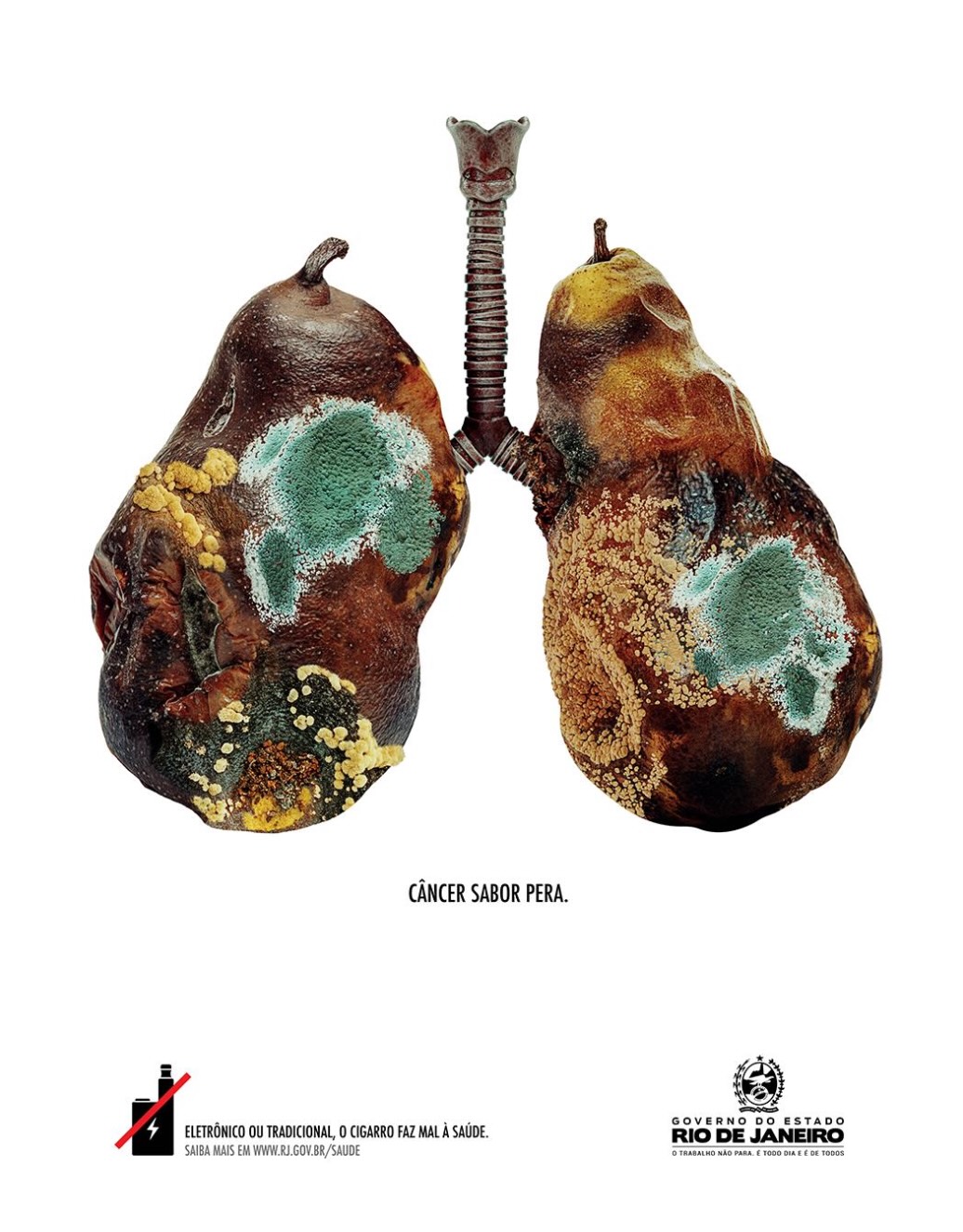
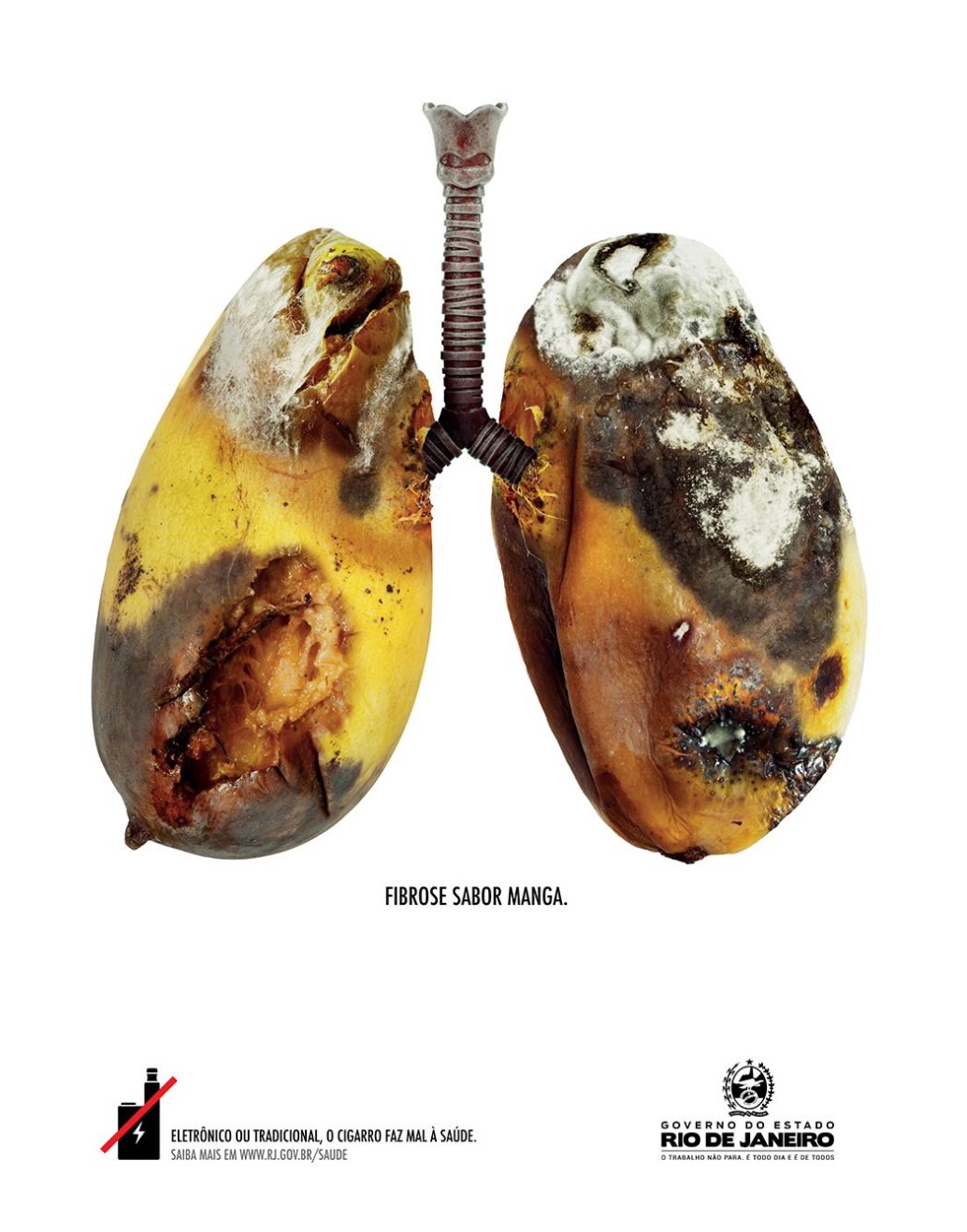
In addition, each graph refers to possible diseases derived from smoking. The pieces include the phrases “Strawberry flavor emphysema”, “Mango flavor fibrosis” or “Pear flavor cancer.” They are accompanied by the claim “Electronic or traditional, cigarettes harm your health”, and a link to the health section of the Government of the State of Rio de Janeiro for more information.
Despite the limitations, “vapers” can be purchased on the black market, which increases the risks associated with their purchase and consumption. That is why both the agency and the administration have opted for clear and direct images to make a public health message impossible to forget.
The campaign was disseminated in the printed press and street furniture throughout the city of Rio de Janeiro.
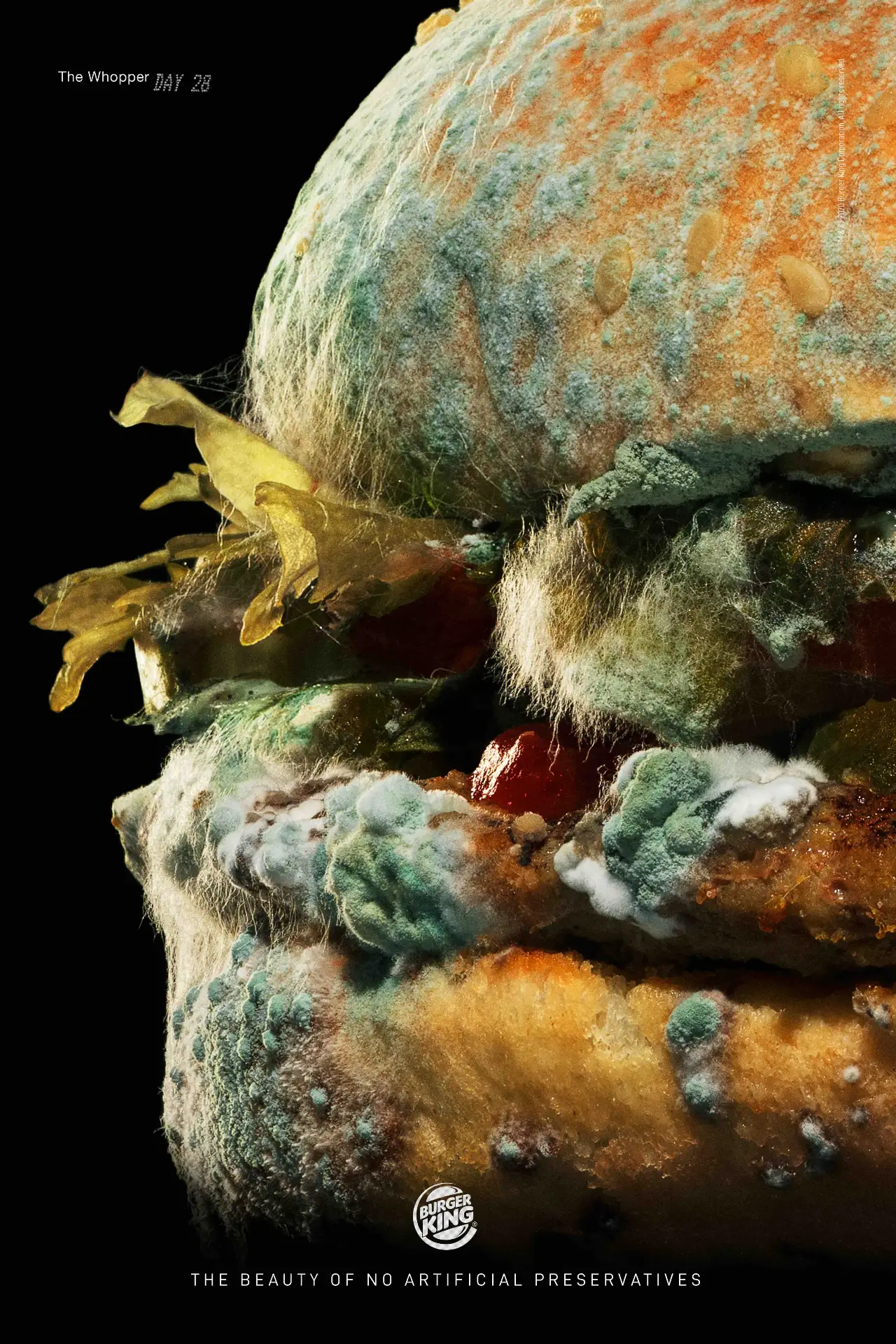
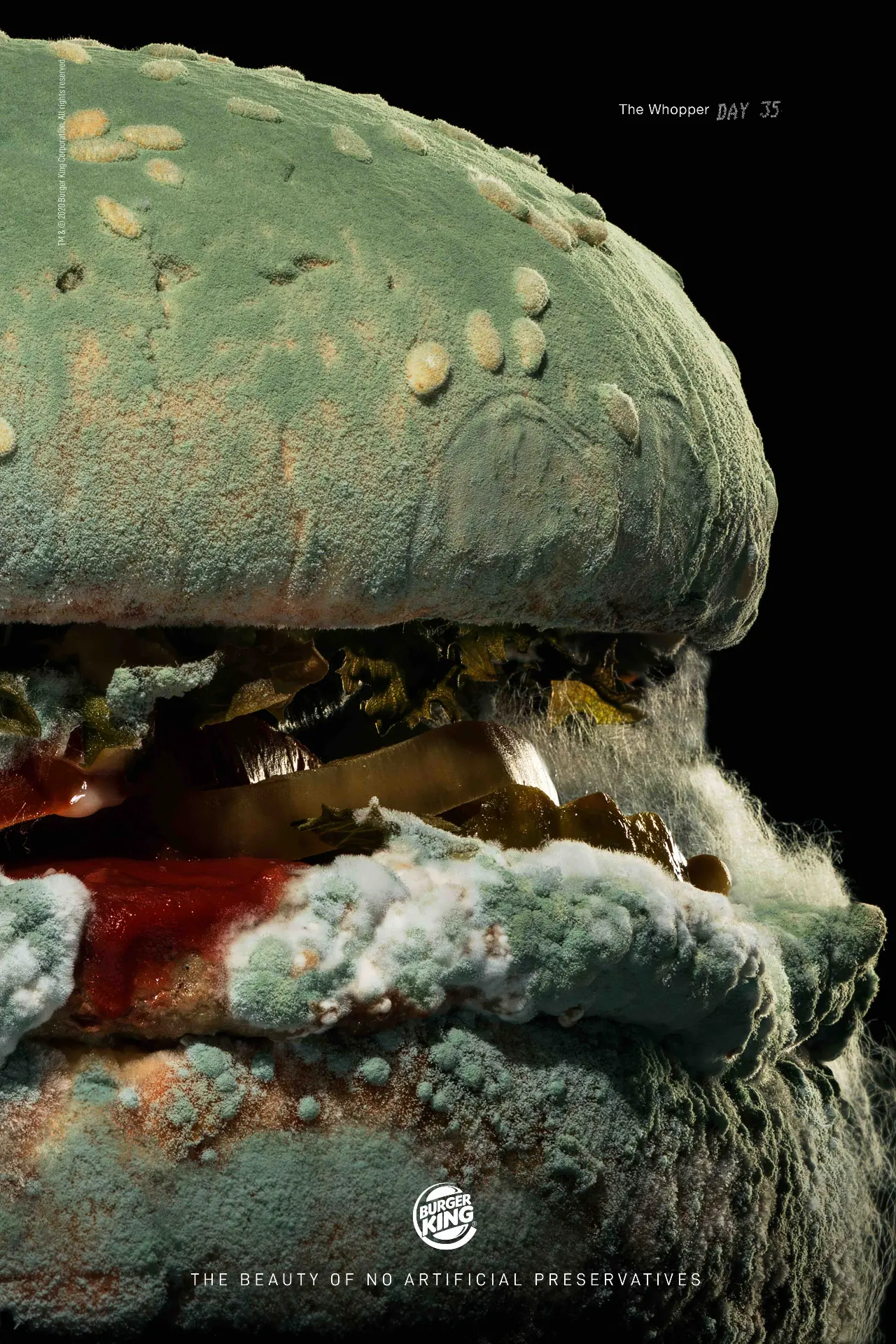
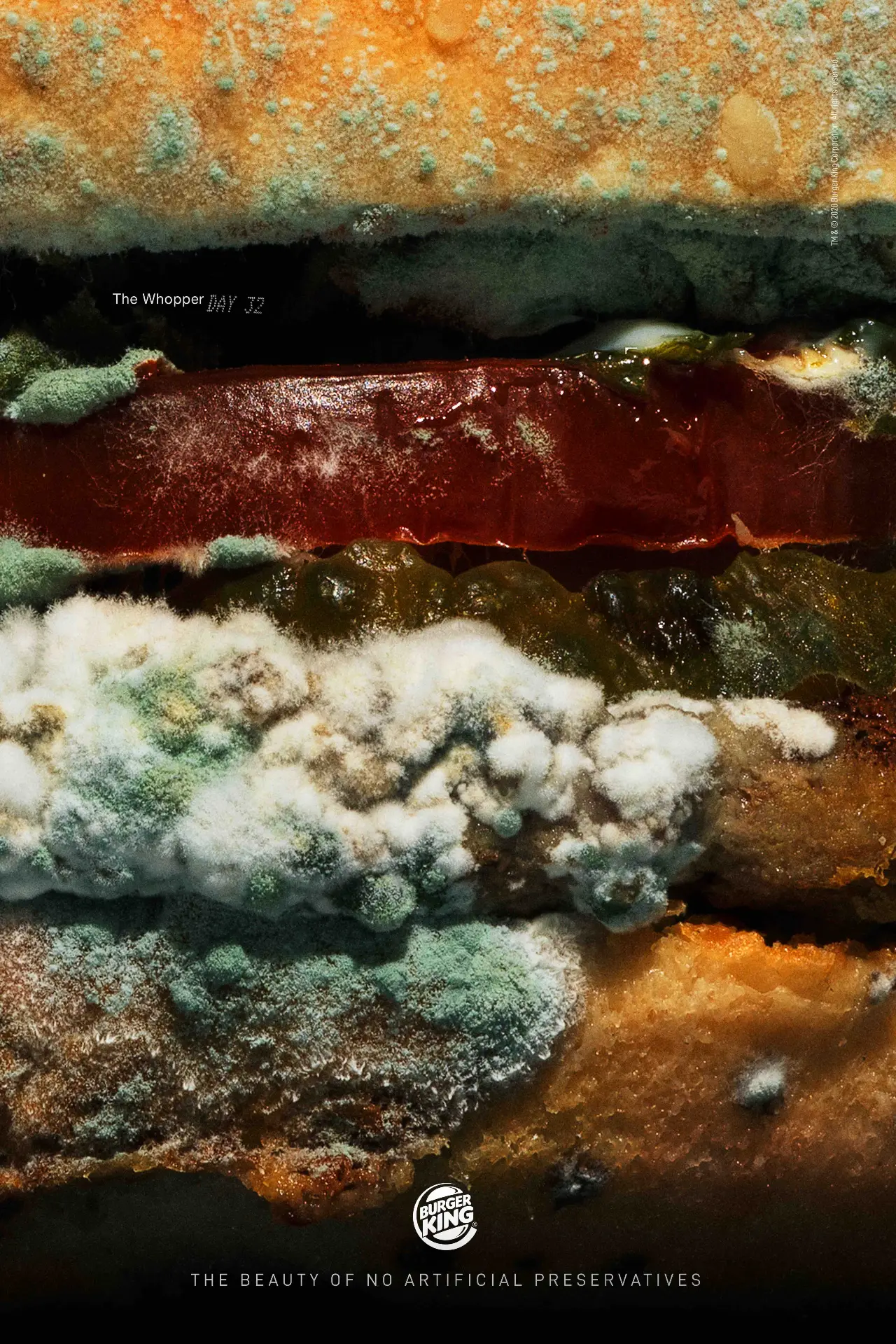
The resource of mold and decomposition brings to mind the “Moldy Whopper” campaign that also used the narrative and visual resource, although to send a different message. On that occasion, the agencies David Miami, Ingo Stockholm and Publicis used it to highlight Burger King’s move away from preservatives and artificial ingredients in its star product, the Whopper burger.