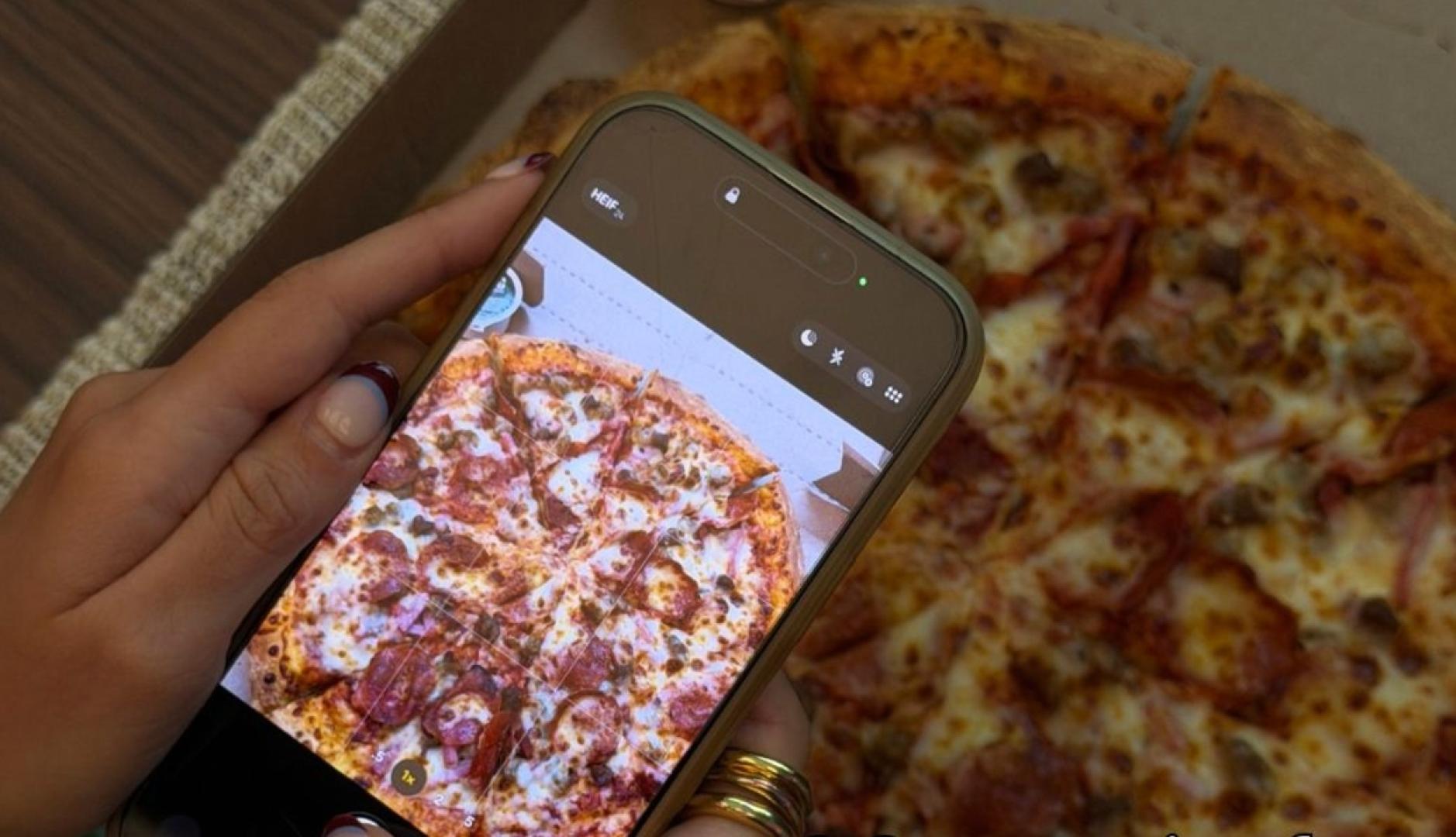
An overcooked pizza, an irregular cut or a dough that does not meet the brand’s standards may seem like small defects, but when they are repeated in a network of thousands of restaurants they become a business problem. Papa John’s wants to use artificial intelligence and the participation of its own customers to identify these inconsistencies, and has launched an initiative that rewards those who send a photo of their order and share their rating with a free pizza.
Its objective is to collect real images of pizzas delivered to your home
The action began on November 9 and will be active until the 20th. Its objective is to collect real images of the pizzas delivered at home and analyze them using artificial intelligence tools, with the purpose of detecting possible deviations from the company’s quality standards.
As explained by Todd Penegor, CEO of Papa John’s, in statements to Reutersthe initiative responds to one of the chain’s main operational challenges: guaranteeing that consumers receive a consistent product, regardless of the establishment that prepares their order.
The proposal thus combines commercial promotion with an information collection system that will allow the company to better understand the state in which its products reach homes.
Customers become part of the quality control system
Participating consumers submit a photo of the pizza they received, accompanied by comments about their experience, and receive a free pizza in return. The images are incorporated into an analysis system that uses artificial intelligence to identify possible problems related to the preparation and presentation of the product.
Among the aspects that the company seeks to evaluate are the cooking point of the cheese, the regularity of the cuts, the distribution of the ingredients and the shape of the edges of the dough.
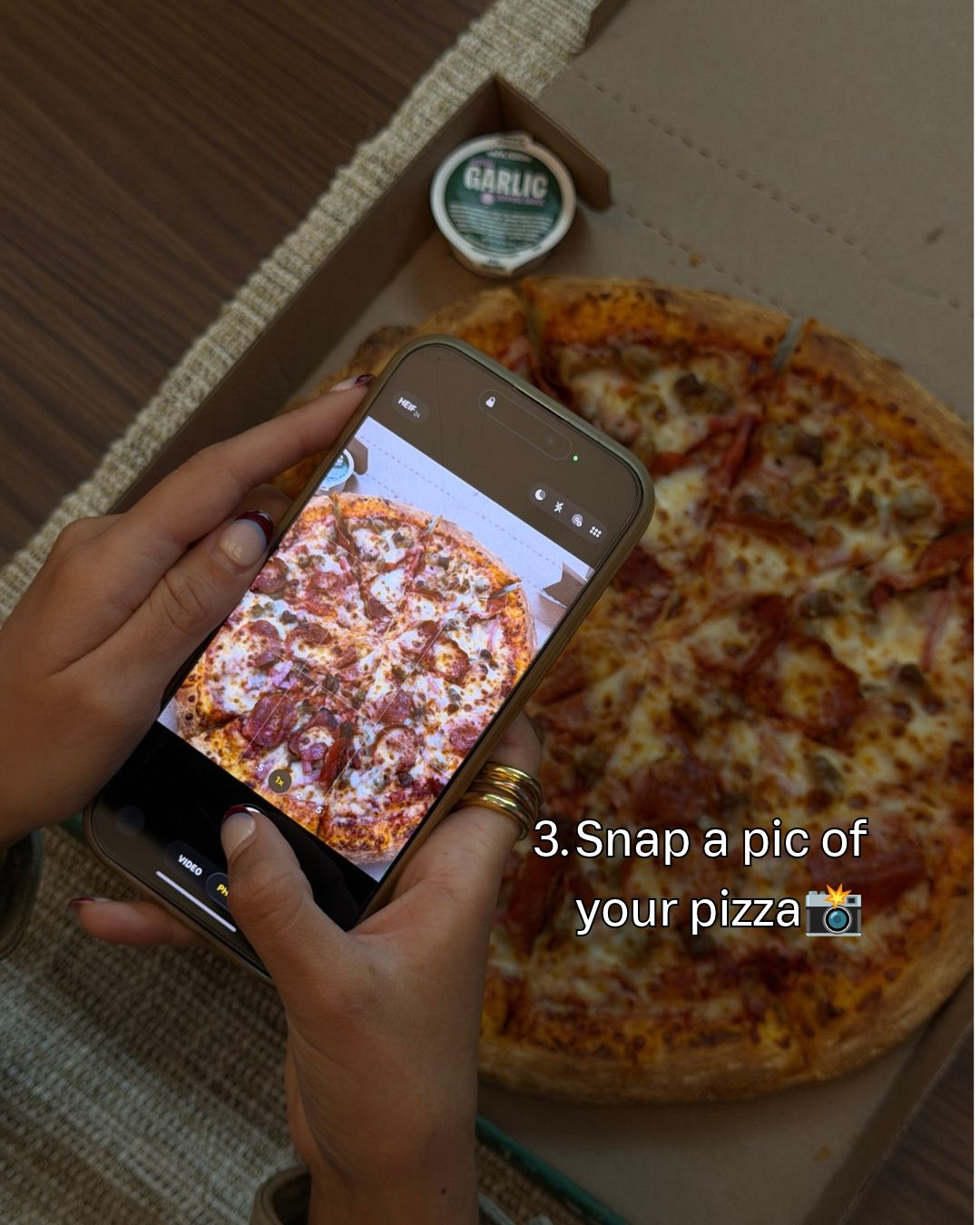


Papa John’s already has cameras equipped with artificial intelligence in some of its restaurants, capable of inspecting pizzas before they leave the establishment. However, this technology is only present in a few hundred stores in a network that exceeds 6,000 stores worldwide. Extending the installation of cameras to the entire network would require a considerable investment, so photographs provided by consumers offer an alternative to expand the scope of inspections without relying exclusively on new devices installed in restaurants.
However, Penegor recognizes that images sent by customers still do not offer the same level of accuracy as those captured by internal systems. Differences in lighting, framing or photographic quality may limit your ability to analyze. Therefore, the company combines photographs with consumer ratings, so that the system does not depend solely on automated interpretation of images.
The information received is centralized in a panel that allows you to observe the set of photographs and comments, identify recurring problems and locate the establishments in which deviations from the brand’s standards could be occurring. According to the company, the initiative managed to gather thousands of photographs during its first days of operation.
The launch of this system coincides with a time of commercial pressure for Papa John’s. On November 5, the company reported a 6.5% drop in its quarterly comparable sales on a global scale.
In this context, improving product quality and consistency becomes especially relevant for a chain that operates through an extensive network of franchises.
Improving quality takes on special relevance for a chain that operates through franchises
Penegor has gone so far as to describe the inconsistencies in the preparation of pizzas as “Achilles heel” of the brand, a weakness that the company aims to address through more precise knowledge of what happens in its restaurants.
Artificial intelligence will make it possible to analyze large amounts of information and detect patterns that could be difficult to identify through traditional monitoring procedures.
For example, if images from certain establishments repeatedly show cooking or presentation issues, the company can use that data to guide corrective actions and provide franchisees with specific information about areas that need improvement.
However, the system does not replace the intervention of the teams responsible for food preparation, but it can help establish priorities and make operational decisions based on evidence collected directly from the consumption experience. In addition, it incorporates a dimension that internal inspection systems cannot always observe: the appearance of the product once delivered to the customer.
For now, Papa John’s has not detailed whether it will maintain the participation program once the November 20 promotion ends. The information collected during this first phase will be used to evaluate the possibilities of the tool and determine which problems should be addressed as a priority.