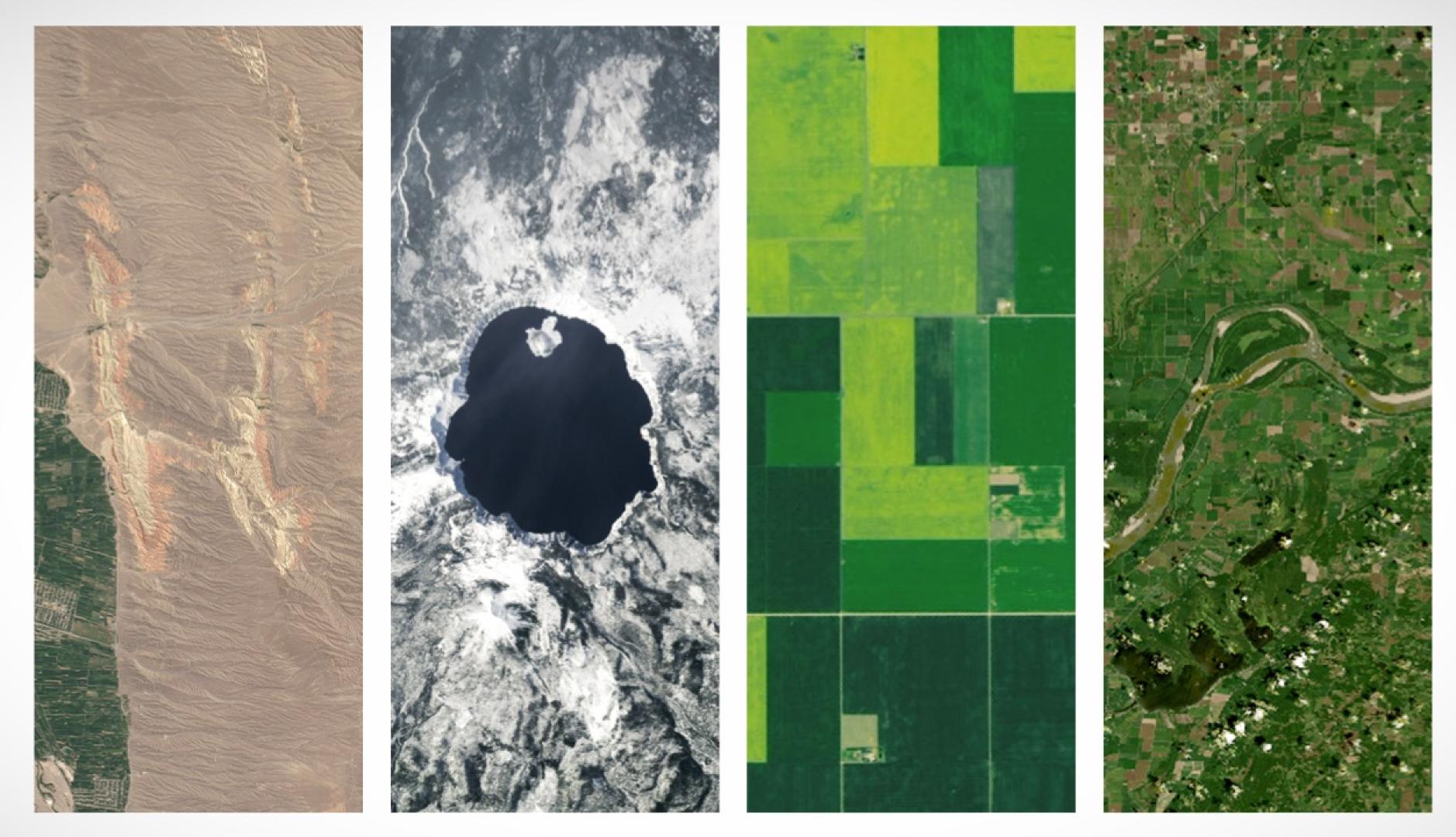
NASA has developed a digital tool that transforms satellite images of the Earth into a typographic system. Under the name “Your Name in Landsat”, the generator allows users to write any word using real photographs of rivers, lakes, fields or natural formations captured from space. The initiative, shared by the Kennedy Space Center on the occasion of Earth Day, proposes a visual and accessible way to explore the planet through design.
When entering text, the tool builds each letter from a database of images
Although its current diffusion responds to this anniversary, the tool is not new. NASA presented it for the first time in August 2024 within the framework of Camp Landsat, a virtual summer camp promoted by the agency. Since then, it has built on the archive of the Landsat program, the longest-running Earth observation mission, started in 1972 and with more than 50 years of records, to offer an interactive experience that converts scientific data into visual language.
When entering text, the tool builds each letter from a database of images. And by interacting with each character, the user can learn the exact location of the landscape, as well as its coordinates, turning the experience into a combination of visual exploration and geographic learning. However, not all letters have the same representation. Some have multiple variants depending on the abundance of similar forms in nature. This is the case of “A”, which offers up to five different options, with landscapes ranging from the Yukon Delta, in Alaska, to Lake Guakhmaz, in Azerbaijan. Other letters, however, are rarer. The “G”, for example, currently only has a single representation in the gallery: an image captured in Fonte Boa, in the state of Amazonas, in Brazil.
reason.Why written with the “Your Name in Landsat” tool
The project seeks to highlight the role of satellite observation in understanding the planet. The images that feed the generator constitute a critical basis for decision-making in areas such as natural resource management or environmental planning. The tool translates this volume of data into an understandable and shareable experience, bringing science closer to new audiences.
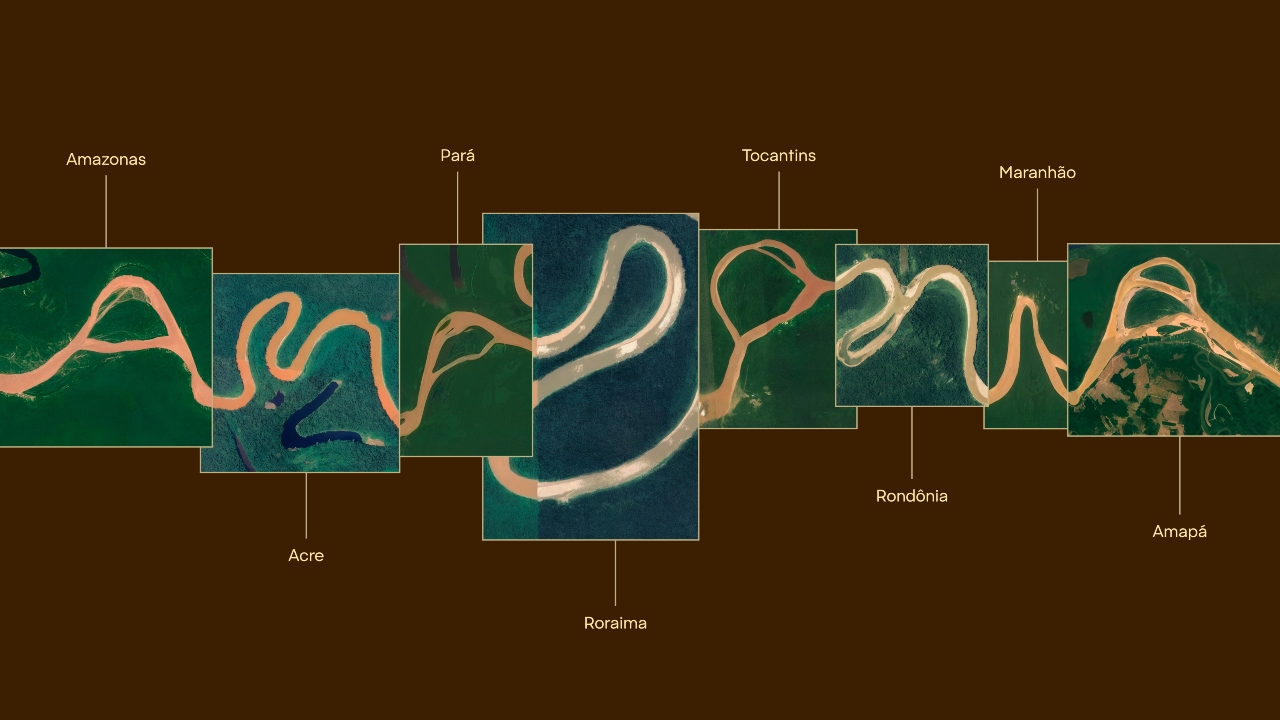
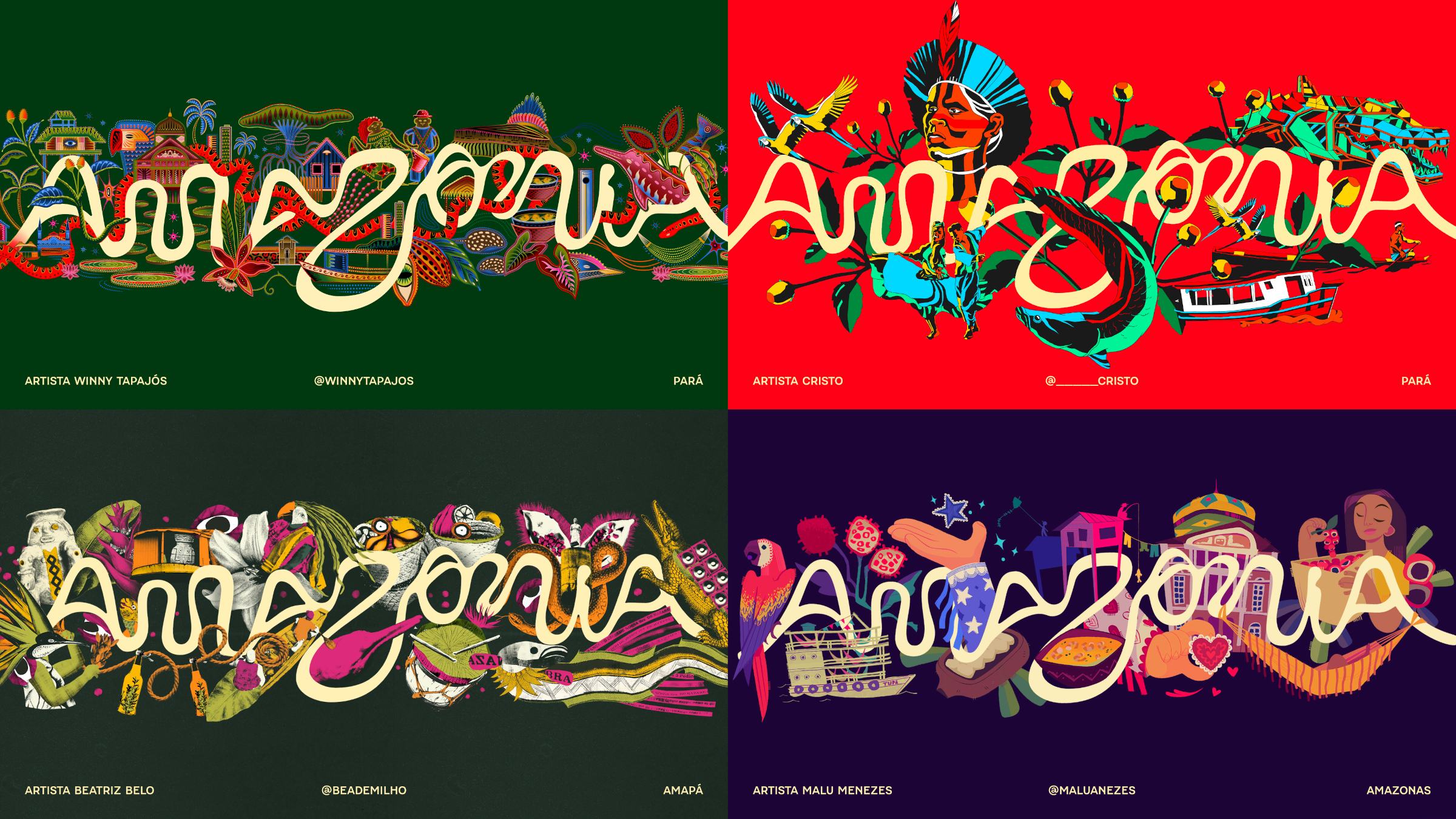
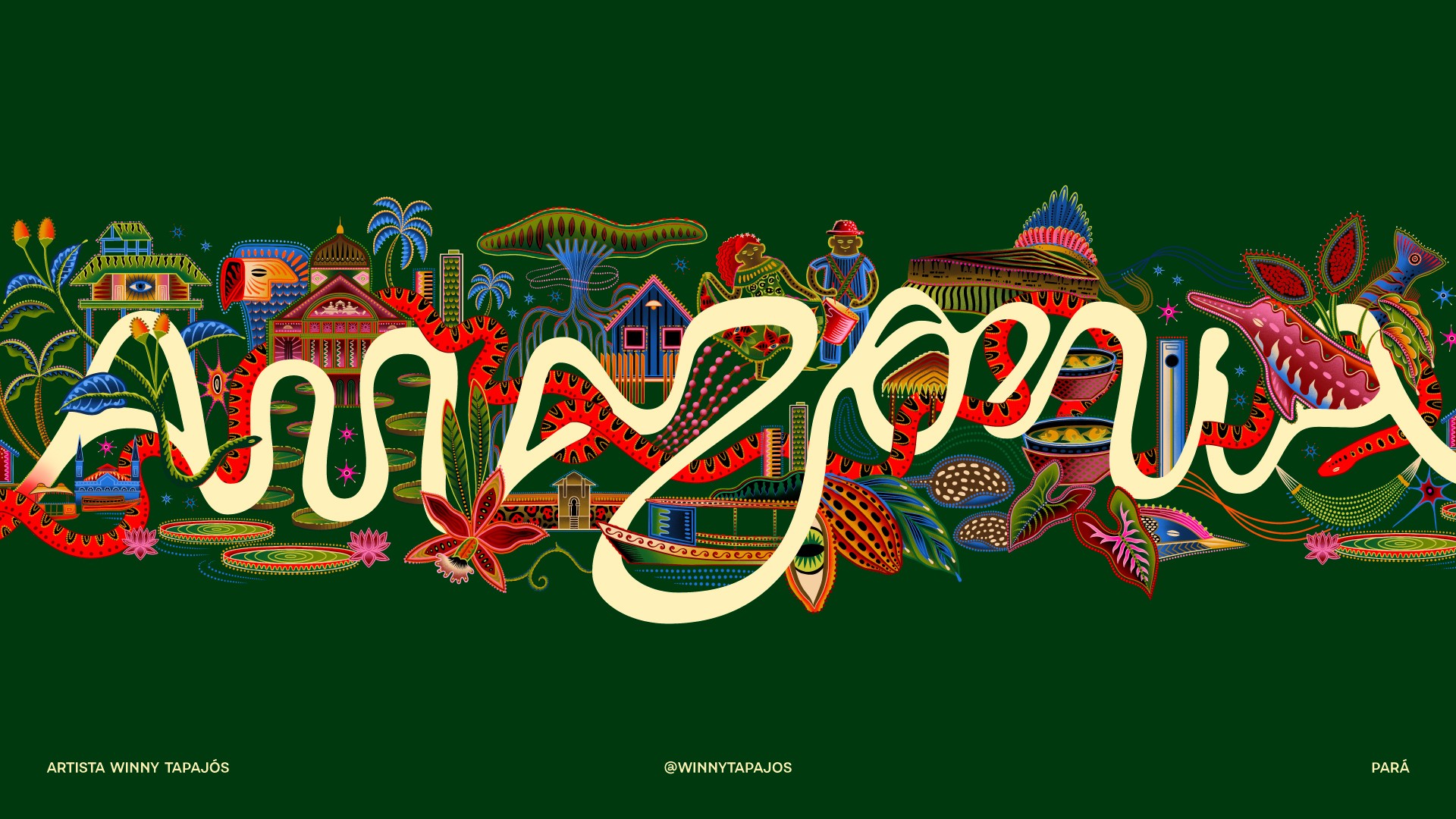
In this sense, the proposal connects with recent initiatives that use satellite images as a basis to build visual identity and territorial narrative, such as the development of the brand of the Brazilian Amazon, which has also used natural patterns and real coordinates to generate a graphic system. In both cases, the territory stops being just context and becomes creative raw material.
The reception of “Your Name in Landsat” has been immediate on social networks, where the original publication has exceeded 50 million views in less than a week.
This post has generated thousands of interactions, including those from brands like Xbox that have used the tool to create their own messages.
This scope reinforces the initiative’s potential as a dissemination vehicle, by converting scientific data into cultural and participatory content.
More info: Your name in landsat