Meta introduced Muse in early September as its new personal AI agent. Unlike assistants who essentially hold conversations or answer questions, the company’s proposal is for AI to take action: it can send emails, fill out forms, negotiate, book trips or make purchases on the user’s behalf.
But explaining what it really means for an artificial intelligence to “do things” for a person also poses a communication challenge. And Meta seems to have found in a small character with a fluffy appearance, rounded shapes and friendly expression a way to make it more tangible.
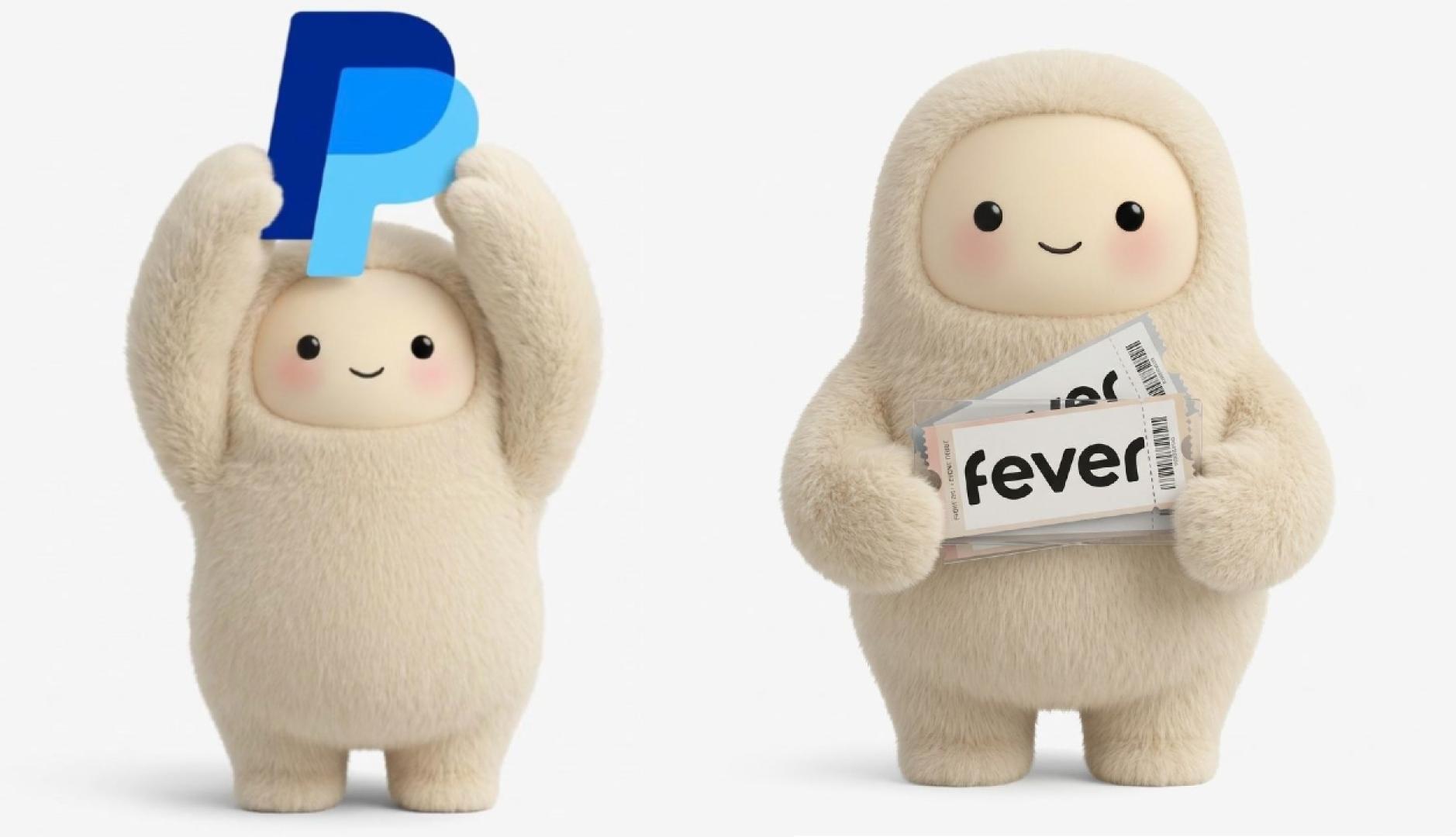
The figure already appeared in the Muse launch communication, visually accompanying some of the tasks that the agent can execute. Now it’s getting a second life as different companies announce their deals with Meta: PayPal has shown it holding its logo; Fever, with tickets in hand; and Expedia, along with a travel suitcase.
The strategy is useful for communicating complex technology. Thus, instead of explaining an integration between systems, APIs, payment platforms or e-commerce infrastructures, each image directly represents the result: Muse can pay, find a plan or help organize a trip.
A mascot to make agentic AI more understandable
The visual choice fits with the way Meta is presenting Muse itself. The company claims to have designed it so that using it is as natural as sending a message to another person. The agent runs in a dedicated virtual machine, can use its own browser and continue working even when the user has closed the application. When you need authorization for a sensitive action, like sending an email or completing a purchase, you request it again.
This leap from an AI that responds to one that acts requires that users understand not only what the system can do, but also when it is working and what role it plays in their digital life. That’s where the character becomes interesting from a brand point of view. Anthropomorphic representation transforms an invisible infrastructure into something that can appear when shopping, traveling or searching for tickets. Technology stops communicating exclusively through interfaces, chat windows and functional demonstrations to acquire a visual code that allows its capabilities to be told through situations.
The specialized study Notso.ai has reflected precisely on this decision. For the company, which works on creating digital characters for brands, the appearance of a figure next to the agent raises a broader question about how the relationship with an artificial intelligence should feel: distant or close, purely instrumental or endowed with a certain character. Notso considers the choice of Meta a sign that technological capacity and personality can begin to be designed together.
Personification, furthermore, is not necessarily limited to this corporate persona. Muse allows each user to name their agent, create an avatar and personalize the way they communicate, reinforcing the idea of artificial intelligence conceived as a personal companion and not only as a tool.
PayPal, Shopify, Expedia and Fever join the Muse ecosystem
The use of the mascot by the brands coincides with a succession of agreements that allow us to understand Meta’s true ambition. And the value of Muse will largely depend on the services you can access and the actions you can execute on them.



One of the most relevant movements has occurred in electronic commerce. Shopify has announced a collaboration so that Muse can explore the merchants on its platform and complete purchases through Shop Pay. The integration will allow the agent to find products and execute the purchasing process on behalf of the user.
PayPal has also announced its incorporation into the ecosystem. The company will allow its customers to use Muse to shop and checkout at participating merchants around the world.
In travel, Expedia has announced that it will work with Muse so that the user can tell them where they want to go and delegate part of the organization, such as finding accommodation. And Fever has announced that it will integrate its leisure and entertainment catalog so that the agent can respond to requests such as “What can I do this weekend?” either “find me something fun nearby tonight,” offering concerts, exhibitions, movies, museums and other experiences tailored to the user’s interests.
On a different note, Amazon has blocked Muse from purchasing on its platform.
These latest collaborations have been communicated by the companies themselves and their managers on social networks, precisely using the Muse character as the protagonist of the creatives.
Meta had already announced at the launch that Muse could use Stripe’s Link to make payments and then anticipated the future incorporation of Shop Pay and 1Password. The expansion, however, is not being accepted by all Internet actors. Amazon has blocked Muse from purchasing on its platform, considering that access by unauthorized AI agents violates its conditions. The position contrasts with that of Shopify, which has chosen to build a specific integration for this new commerce model.
The difference points to one of the great debates that will accompany the development of agents: whether the platforms will allow artificial intelligence to be placed between them and the consumer and end up managing decisions, searches and transactions that until now occurred directly in their interfaces.
Muse is backed by Wall Street
The speed with which Meta is deploying the ecosystem comes accompanied by a strong market reaction. Muse reached first place among free iPhone applications in the United States just a few days after its launch and Reuters notes that it has already accumulated more than 2.5 million downloads.
The enthusiasm has also been transferred to Meta’s price. The company’s shares rose about 11% in a single session on September 21, their best day since April 2025, driven by expectations around Muse and the possibility that the company has found a more tangible path to translate its multibillion-dollar investments in artificial intelligence to the consumer.
Muse has a free option and payment plans of $20 and $100 per month. For Meta, it is both a consumer product and a possible new source of income beyond its advertising business.
Its rapid growth is also posing challenges. Amazon has closed its platform to the agent and Meta has had to address security issues around some of its capabilities. The very nature of Muse implies a particularly high degree of trust: to truly act as an assistant you need to access, always with the corresponding permissions, services that may include email, calendars, purchases or financial information.
And that is why the small figure that accompanies Muse is especially significant. Meta is not just communicating a new artificial intelligence, but trying to build a way to relate to it. While the integrations explain what Muse can do, the character helps represent who is doing it.