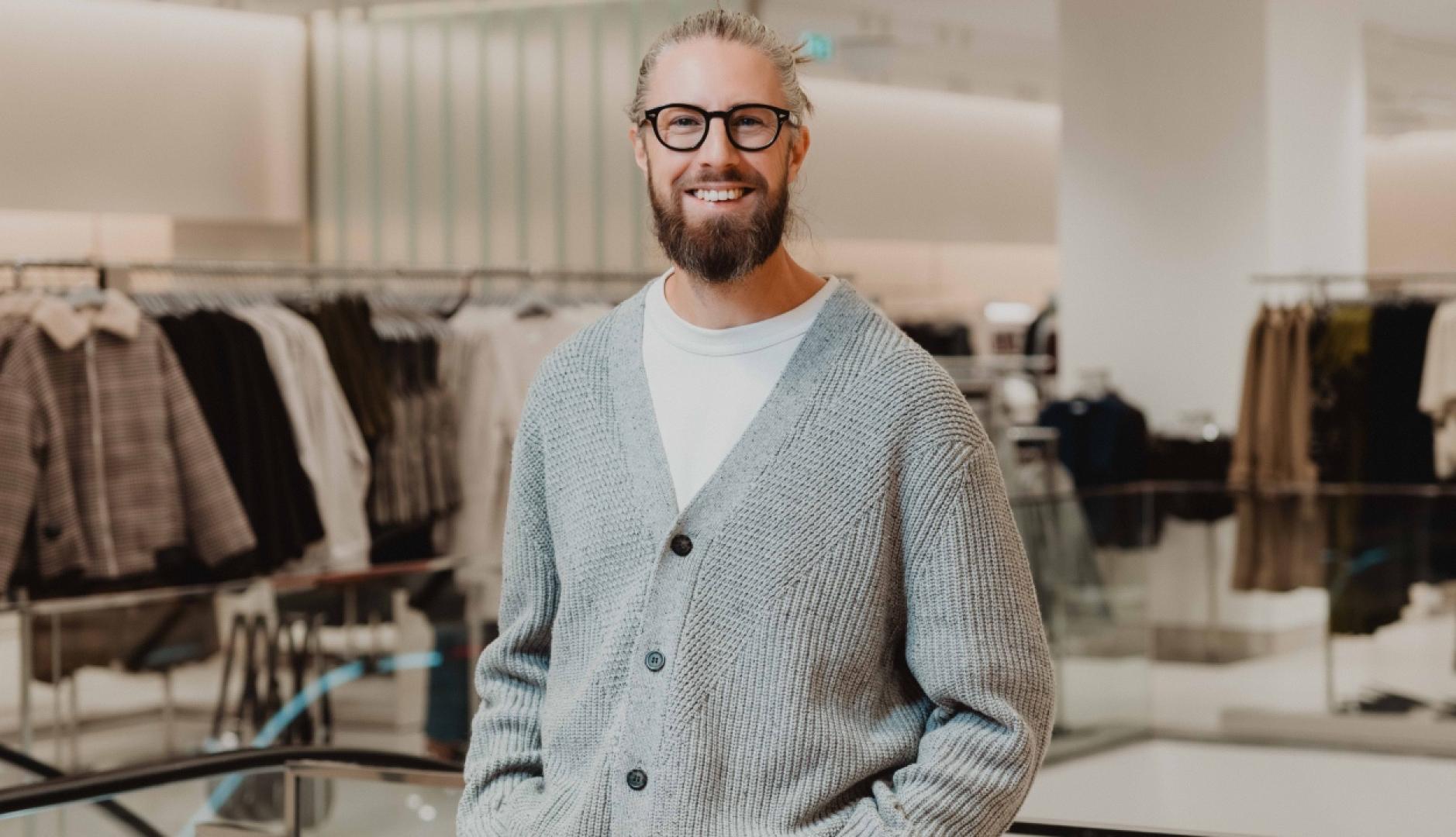
Johan Lindelöw is H&M Sales Manager for Spain, Portugal and Italy. Based in Barcelona since October 2024, it leads sales operations, business development and commercial strategy for southern Europe. His profile is rare in retail: before assuming this position he occupied financial management roles in Hong Kong and Stockholm, and was Global Head of Controlling – Sales. This combination of finance, sales and organizational leadership gives you an especially valuable perspective to understand how investment decisions are made or how the inventory turn in very different markets is managed.
Taking advantage of his visit to Madrid for the reopening of the H&M Flagship in Gran Vía, we talked exclusively with Johan about the role of large stores such as growth engines and how to measure their impact beyond sales. We also talk about the new layer of experience in retail, the weight of tourism or what learning from China are useful for Europe, for example in relation to social commerce. The circularity-with its Pre-Loved section-, the store as a content platform or how to get to generation Z, also have their hole in this conversation.
RW. Johan we are here for the reopening of your flagship in Gran Vía, but we are also going to talk about other things …
Clear! Although first of all: have you had time to visit it?
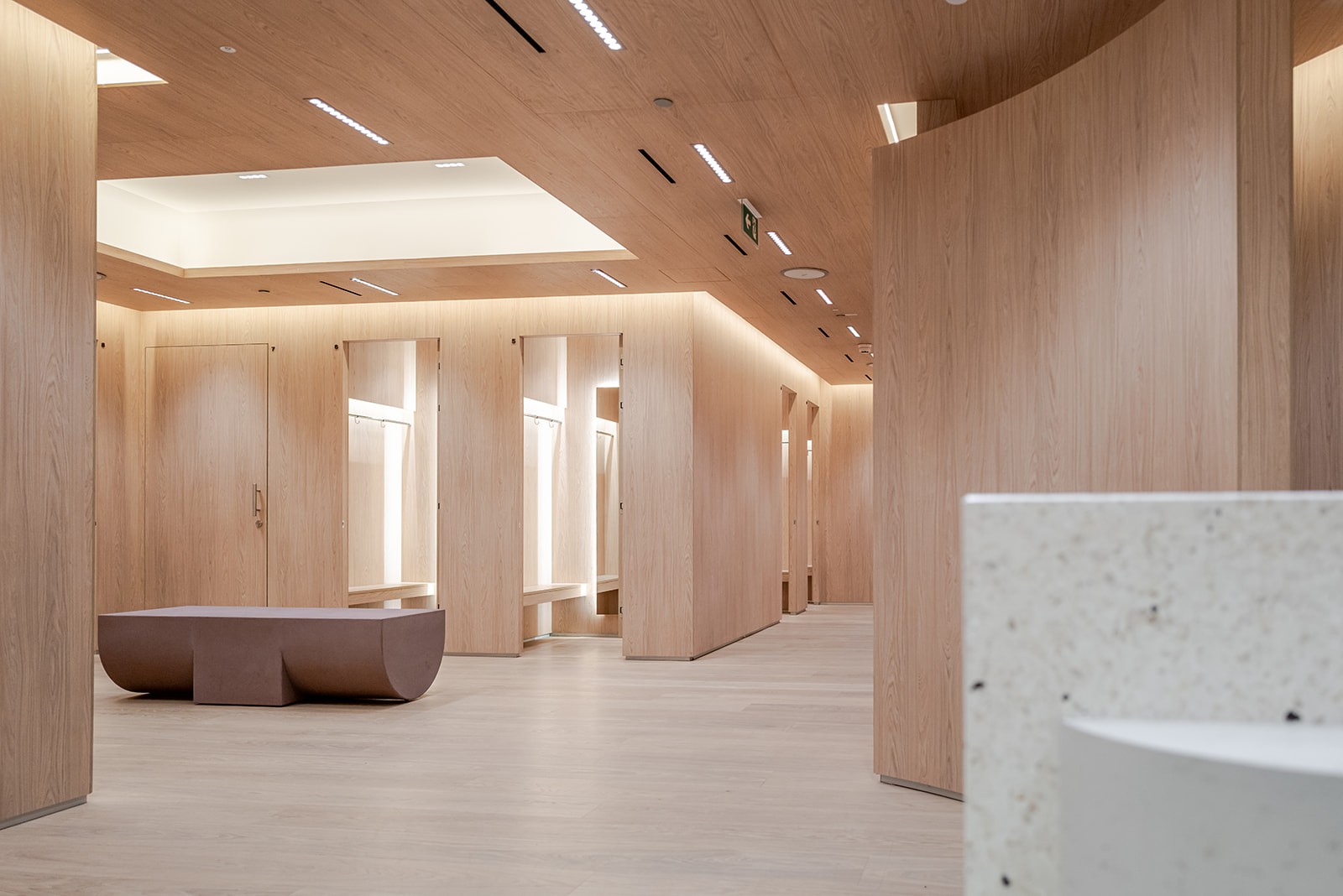
RW. We have visited it and have caught our attention, for example, its new testers. They are like “a door to the future” because you enter with the garments and are identified on a screen.
I really like it. Not only because of intelligent functions, but also by the Look & Feel. Relax. And that is the objective of a tester.
RW. Let’s talk about flagships as a growth engine. Because, beyond sales per square meter, or the time of permanence and use of the app in store, what will you look first with this bet?
Flagships are exciting. And the physical retail, too. We are putting a lot of emphasis on its importance. Our online channels are key, but the point of sale is the intersection between what we can offer on the app or the web, combined with what you can only live in store. And the tester is a good example: that experience does not exist in an app. It doesn’t matter if it is a flagship or a more familiar store, there is the exciting physical retail.
“The Flagship of Gran Vía is a showcase from Madrid, Spain and the world”
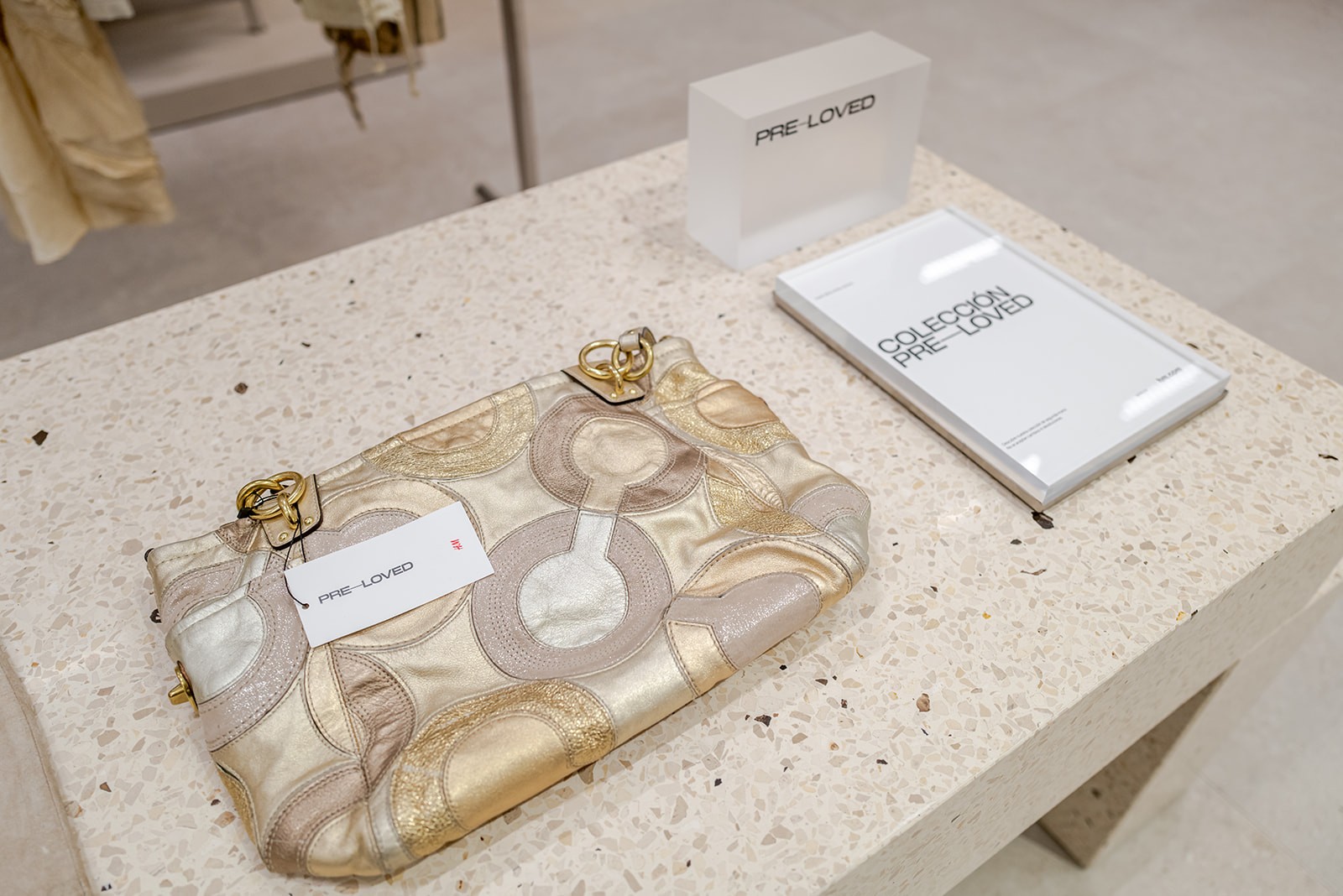
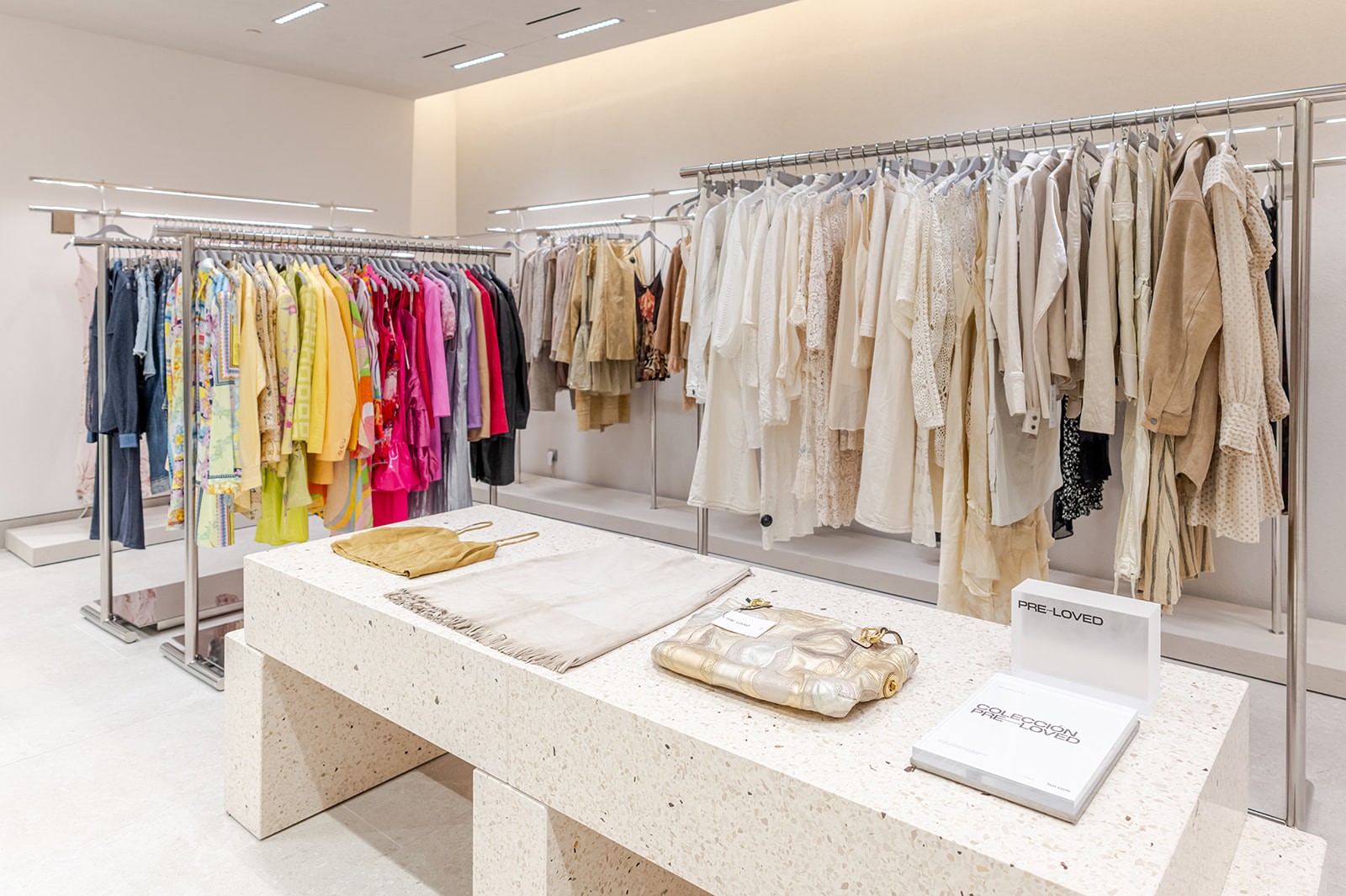
In the specific case of Gran Vía, Flagship is a showcase of Madrid, Spain and the world. Madrid receives about 10 or 11 million tourists a year. It is a great opportunity to show who we are: assorted, the first pre-loved space in Madrid or technological functions such as smart testers. It allows us to learn, try and climb. Pre-Loved, for example, is the second store in Spain in which it is available. And the smart tester is the first in southern Europe, so it is a large test bank.
RW. It is undeniable that Madrid is adding fashion experience layers: Zara with Zachoffé or “The Apartment” in Serrano. Wow concept in Gran Vía with a very personalized retail. How far will H&M carry hospitality and culture against commercial productivity in its flagships?
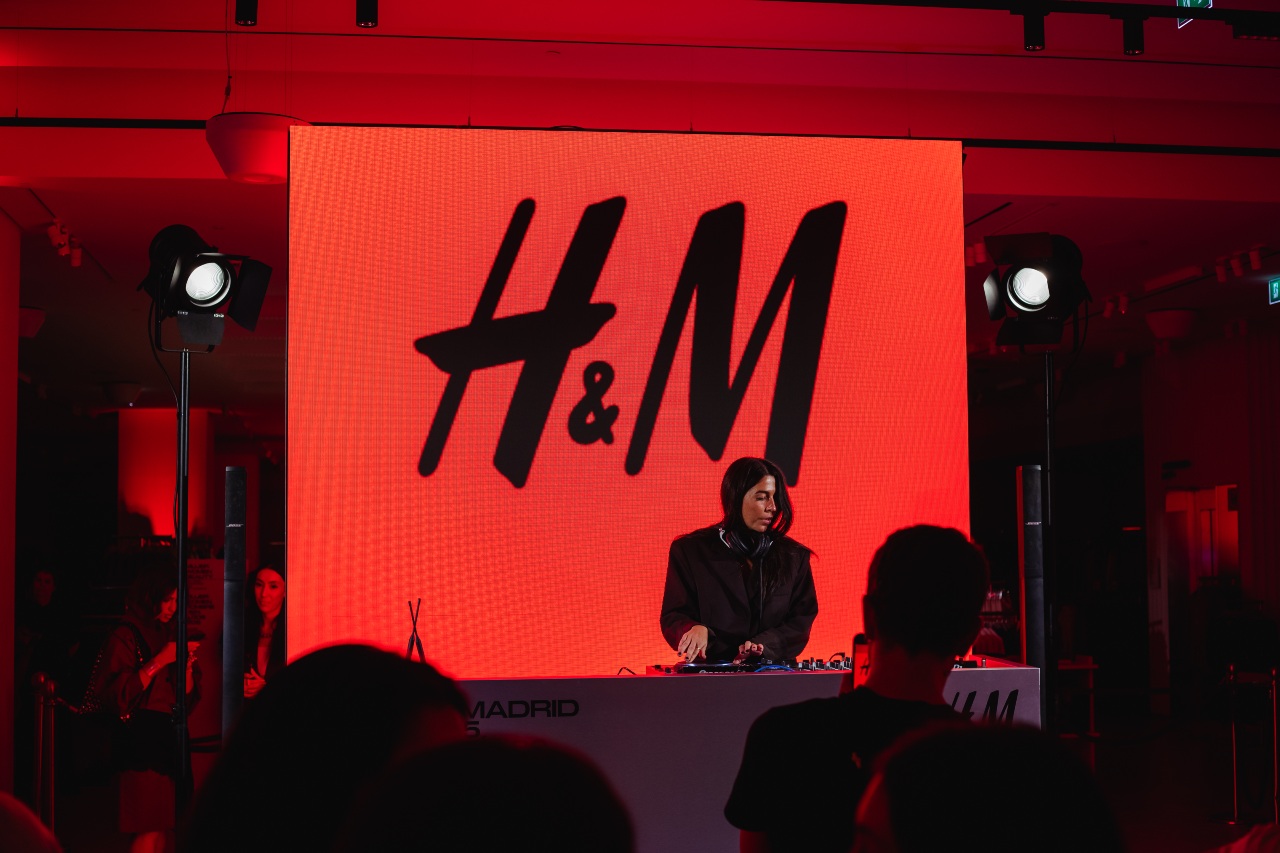
The time and the client will say it. Part of what retains me in this sector is that it changes without stopping. What was wanted ten years ago will not be the same within another ten. We are exploring with the client. And that experience can take many forms: from Charli XCX in Times Square with a free concert, to DJ sessions in Madrid. And not everything has to be huge, it can be small and very relevant.
H&M and music fit very well, but coffee can also be a good match with fashion.
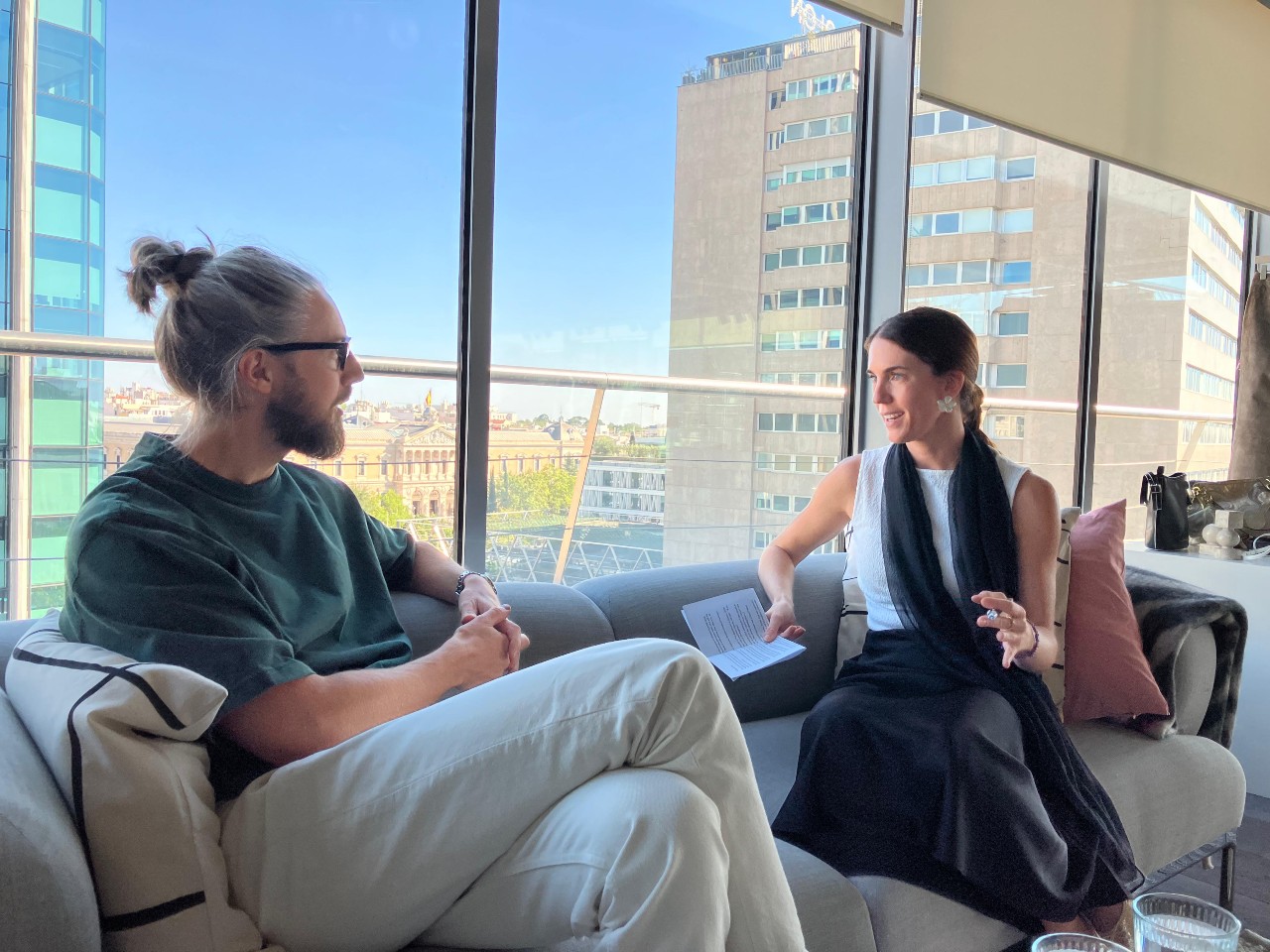
A moment of the interview with Johan Lindelöw at the H&M showroom located in Madrid.
RW. Gran Vía is like a magnet for tourists. What weight do you expect from visitors in sales and how will it affect aspects such as assortment?
The first time I came to the Flagship of Gran Vía early, I was already darker. And in the afternoon I was more. The Gran Vía is alive and you hear all languages. That is why this store is so important: it is the window to the world.
In assorted, we show a great amplitude. In Parquesur, for example, you will see similarities, but in Gran Vía the experience is more complete. We offer pre-loved for the first time in Madrid and we cure the assortment for a client who hopes to see a lot of fashion. But to inspiration is added convenience: in locations of great influx, when you decide to buy you want speed and fluidity. There they enter Check-out with RFID and frictionless processes.
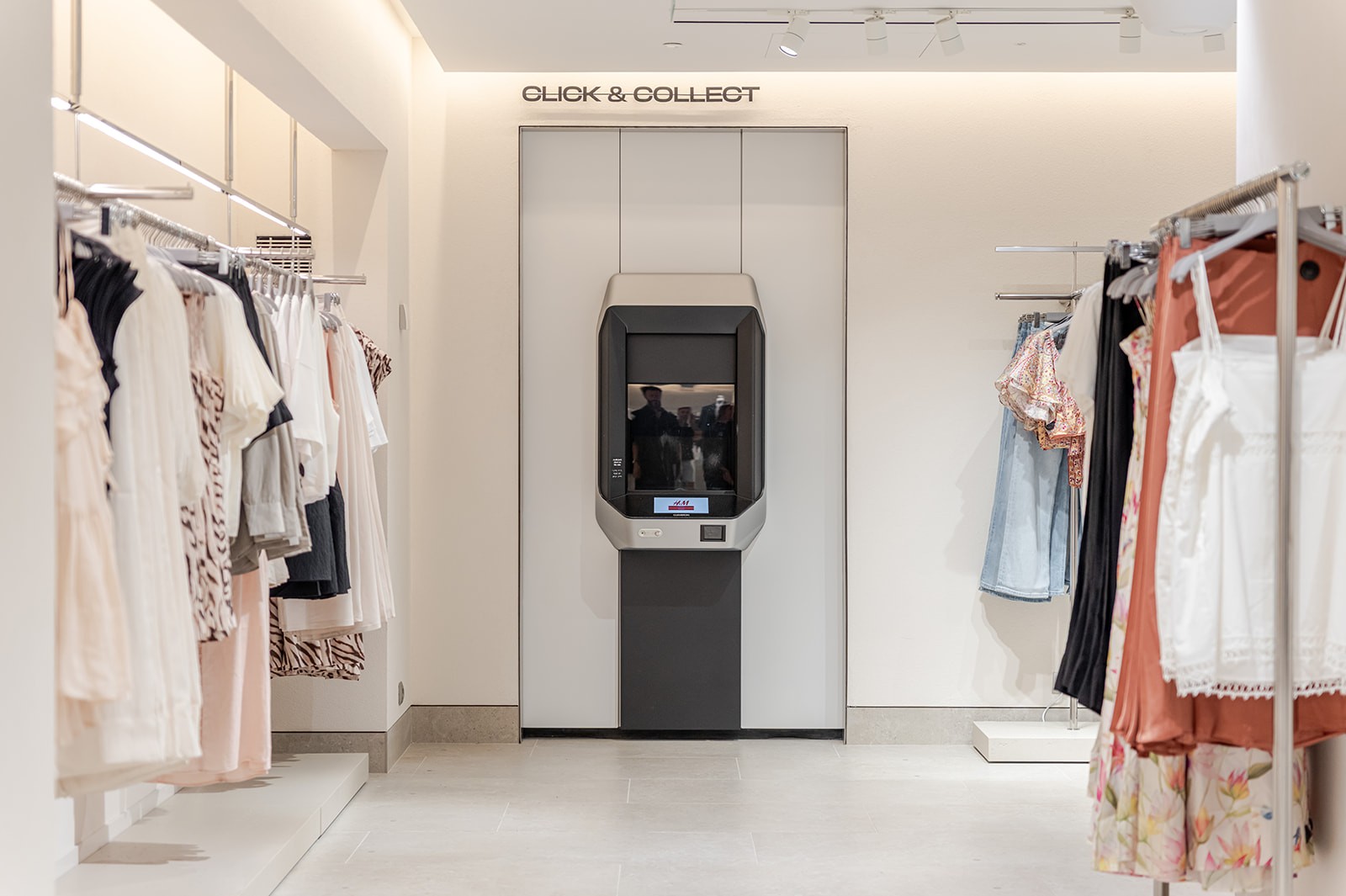
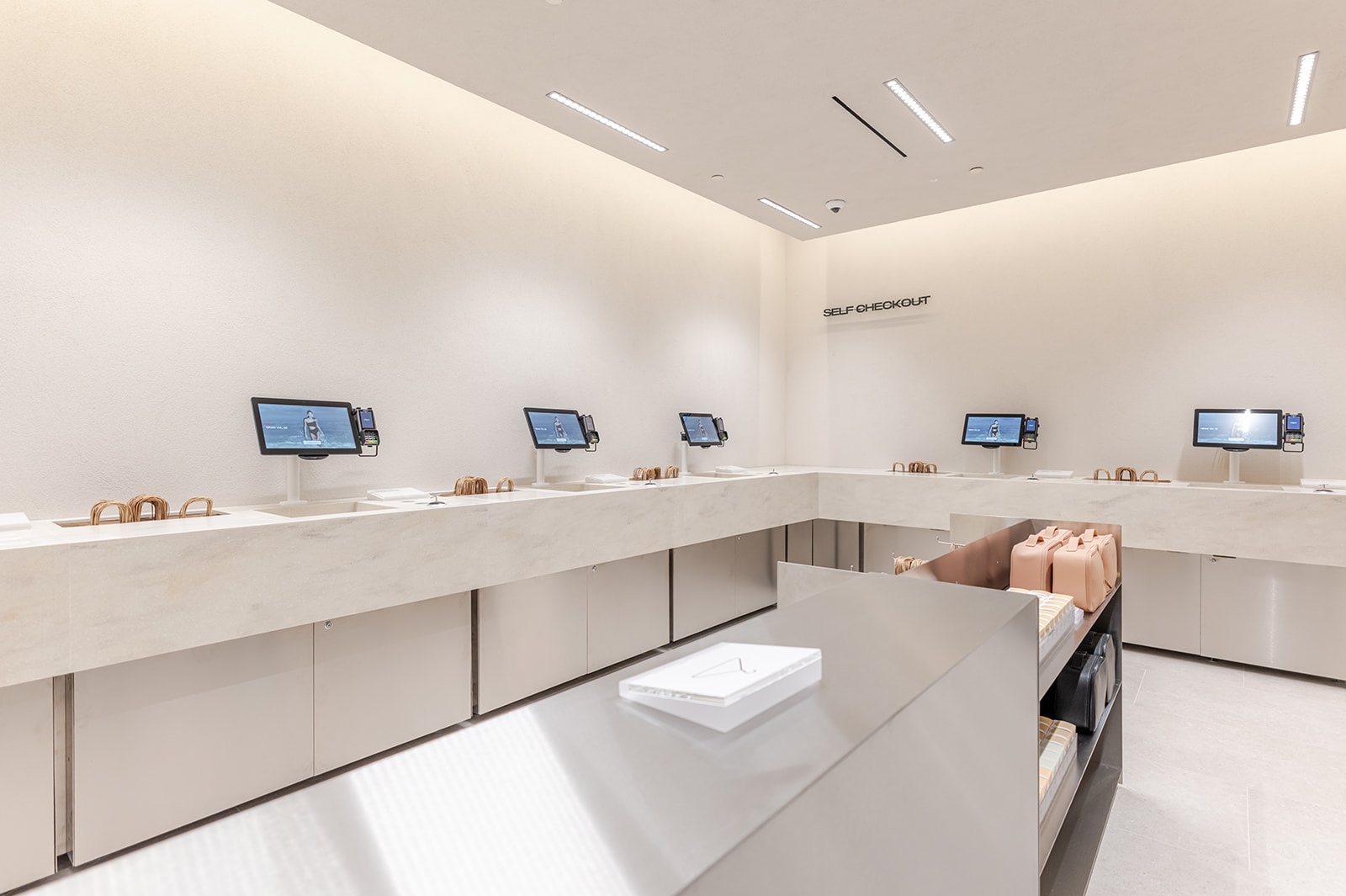
The Gran Vía store incorporates RFID technology, intelligent testers with interactive mirrors, self -service boxes and a click & collect robot.
RW. On store technology, will it change roles or need Gran Vía training? Does people’s policy affect?
What makes physical retail unique is emotion and, above all, interaction with our teams. Ask for help, inspiration, feel the energy of the team. Our colleagues are key.
The technology is at the service of that conversation, through mobile devices to locate sizes in room or stock, intelligent testers that allow you to ask for another size or color and that a partner approaches you in two minutes. It is about freeing time for the equipment to be with the client and eliminate friction. There is the differential value of the physical store.
RW. You have a trajectory that is financial: How do you condition your investment decisions in store or stock management for points like this flagship?
Understanding that whoever decides is the client. We must be where he wants and in the way he wants. In Gran Vía we show the latest, in more familiar formats such as Parksur you recognize the same DNA, but with an experience adjusted to the context. The client is the one who, in short, defines the format and the proposal.
“The more markets I see, the more I am surprised how well the model of democratizing fashion works”
RW. You have led teams in China and Europe. What aspects of the Chinese market work in Spain and what to reinvent for southern Europe?
I have worked directly or indirectly with many markets. Asia and Europe are very different, but our fashion and quality business model at the best price sustainably, fits equally well in China, Portugal or Spain. That translates as is. Then change the execution, based on the weather, the calendar … but the more markets I see, the more I am surprised how well the model works. We democratize fashion with responsibility, that is the idea we execute.
RW. The social-shopping grows unstoppable. Tiktok Shop arrived in Spain in December 2024. How are you going to connect the economy of creators and live-shopping with visits to store and physical stock, to demonstrate that it adds sales instead of cannibalizing them?
Again, it is about finding ways to interact with the client, inspire him with the assortment and connect both worlds. Tiktok is another way, but we have several and must work in parallel.
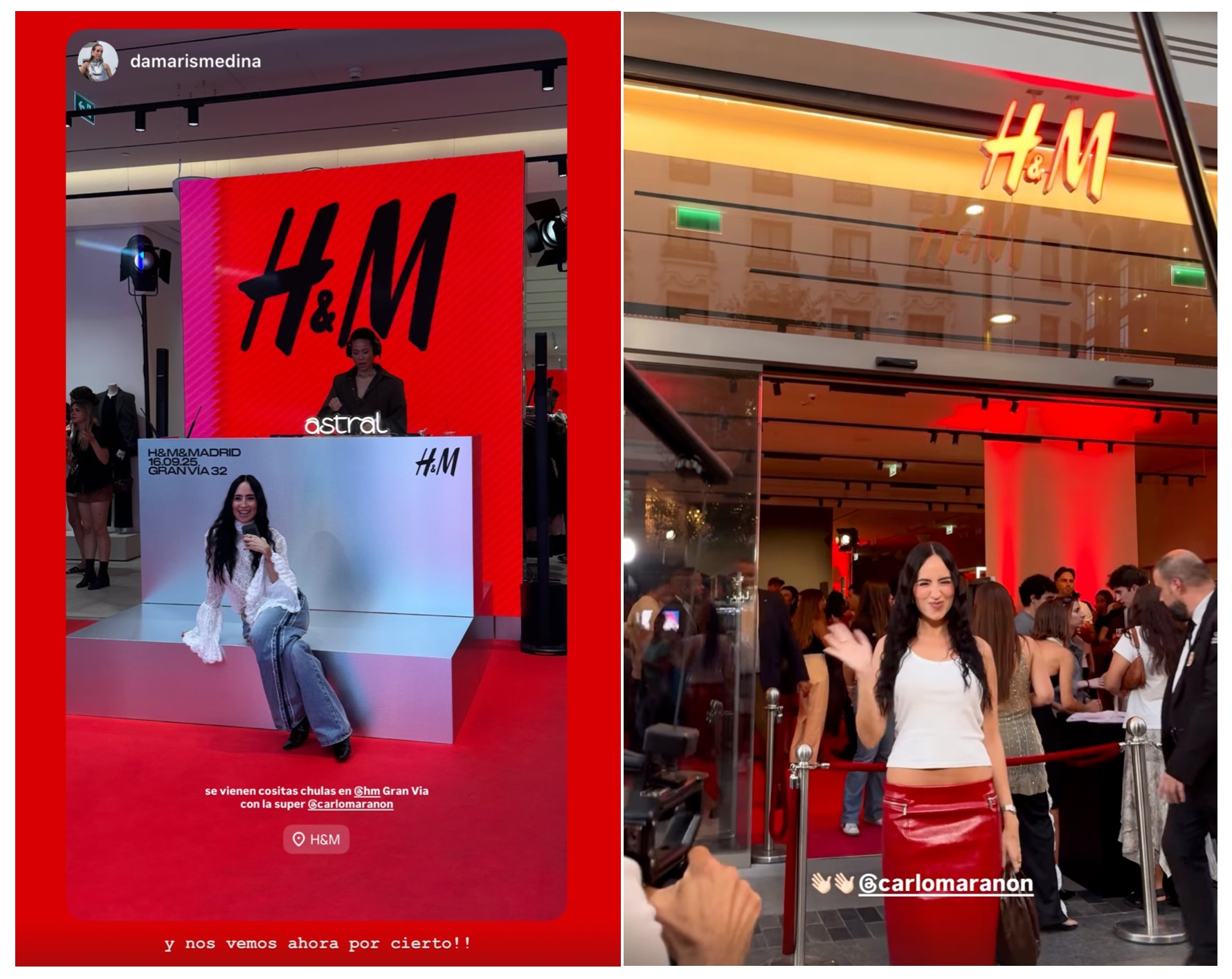
For the reopening of the flagship in Gran Vía, for example, we have had Carlota Marañón, which will make a direct from the store connecting with its followers and with our visitors. It is a tangible form, not only to watch a video on the mobile, but also to be part. It is his interpretation of H&M and we are comfortable with ambassadors like that. We do not impose a mold, we allow their brand reading.
RW. Generation Z uses Instagram and Tiktok to discover and buy, they want immediate gratification, but they also seek transparency and value. What service do you think will value more in store?
Pre-Loved is a good example, because sustainability makes accessible, which is something very important for them. Also close the circle: bring stores to recycle and create a circular flow. And there we do not charge, we reward. They are ways to facilitate responsible consumption, expand the assortment and let them express themselves without typecast. We give clues, but the choice is yours.
RW. Let’s talk more about Pre-Loved, because this concept is already in the mainstream of the fashion industry. Does the new store model make circularity work?
In Barcelona we incorporated it two years ago in the Passeig store in Gràcia and now comes the first in Madrid. They are two physical examples, but we also climb it digitally throughout Spain. We are starting to explore the model to see how to grow and the reception is being very good.
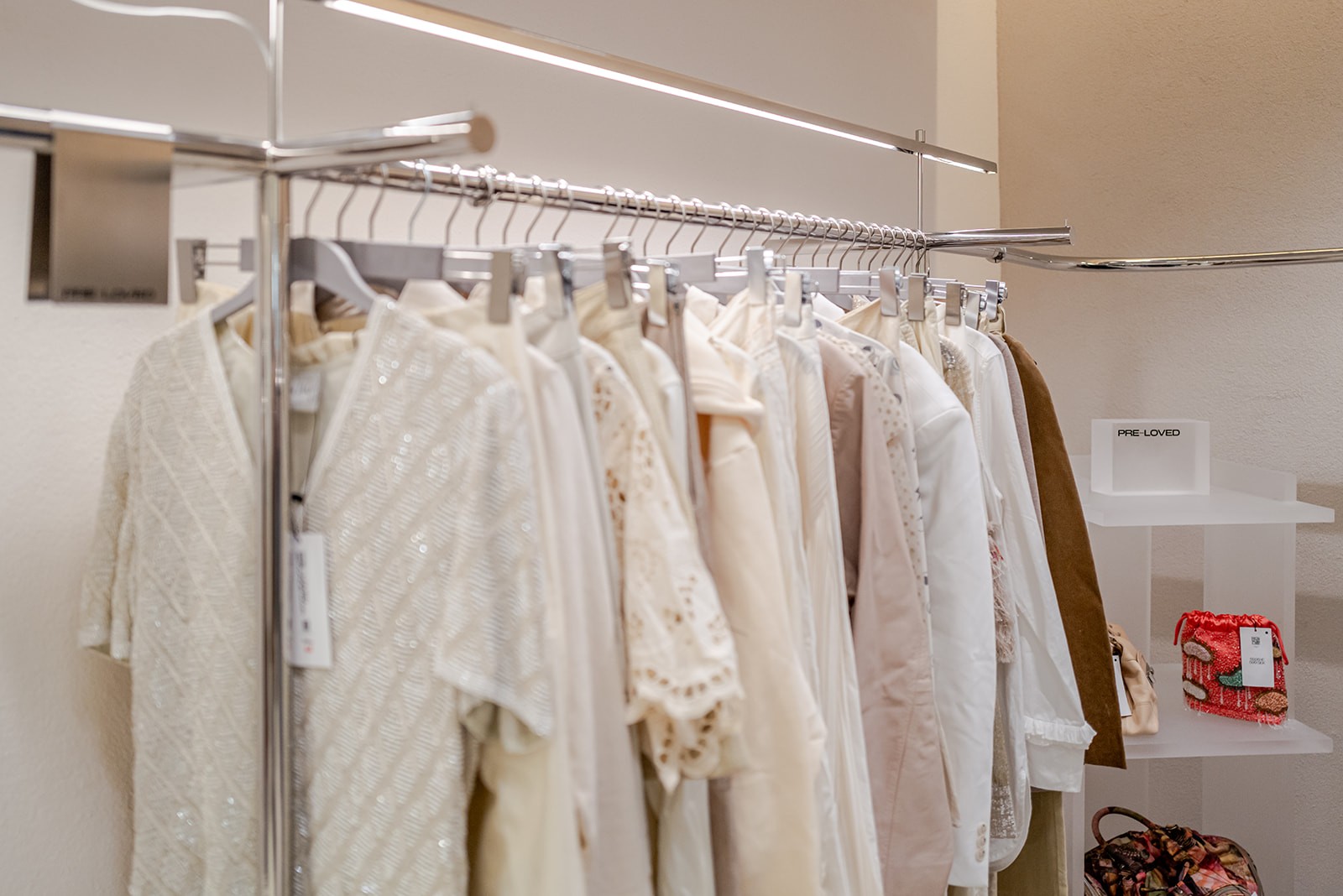
The key is the curatorship of the second hand. It is not a “trail” where to search without a guide. We think the selection to combine well, and we even offer garments that have never been in H&M. Sometimes they ask me why we sell competitive brands: because it makes sense to the client and for our model. We do not put the customer in a box, we give a “Candy Store” well edited. We will see how Madrid responds, but the first weeks have been very promising.
RW. The price pressure is strong throughout the “Fast Fashion” sector, although you may not define yourself as such …
Depends. But I wouldn’t say it that way.
RW. What then is your price architecture in southern Europe? How do you protect the perceived quality, maintaining speed and value, with so much competition?
The client here is very demanding, in good sense. There is a passion for fashion. For me, value is not the lowest price or the highest isolated quality, or just the last trend or only sustainability. It is nailing four at the same time. When we do well, we do better than anyone. There is the value, to make it accessible together every day.
RW. Will you try Gran Vía first before climbing to the region?
Yes. Smart testers are the first in southern Europe, clearly a test. Pre-Loved is the second store in Spain that includes it. Other functions, such as RFID technology or friction check-out, are already more widespread. But Gran Vía is spearhead: a Look & Feel high and many novelties that we will present first here to learn and climb.
RW. Do we talk about Drops, collaborations or community events?
For reopening we have held an intimate concert, which is the first community event. So this store is a canvas with many forms of activation. As for Drops, the autumn -winter collection for example has been divided into two releases. We are in a few very interesting weeks.
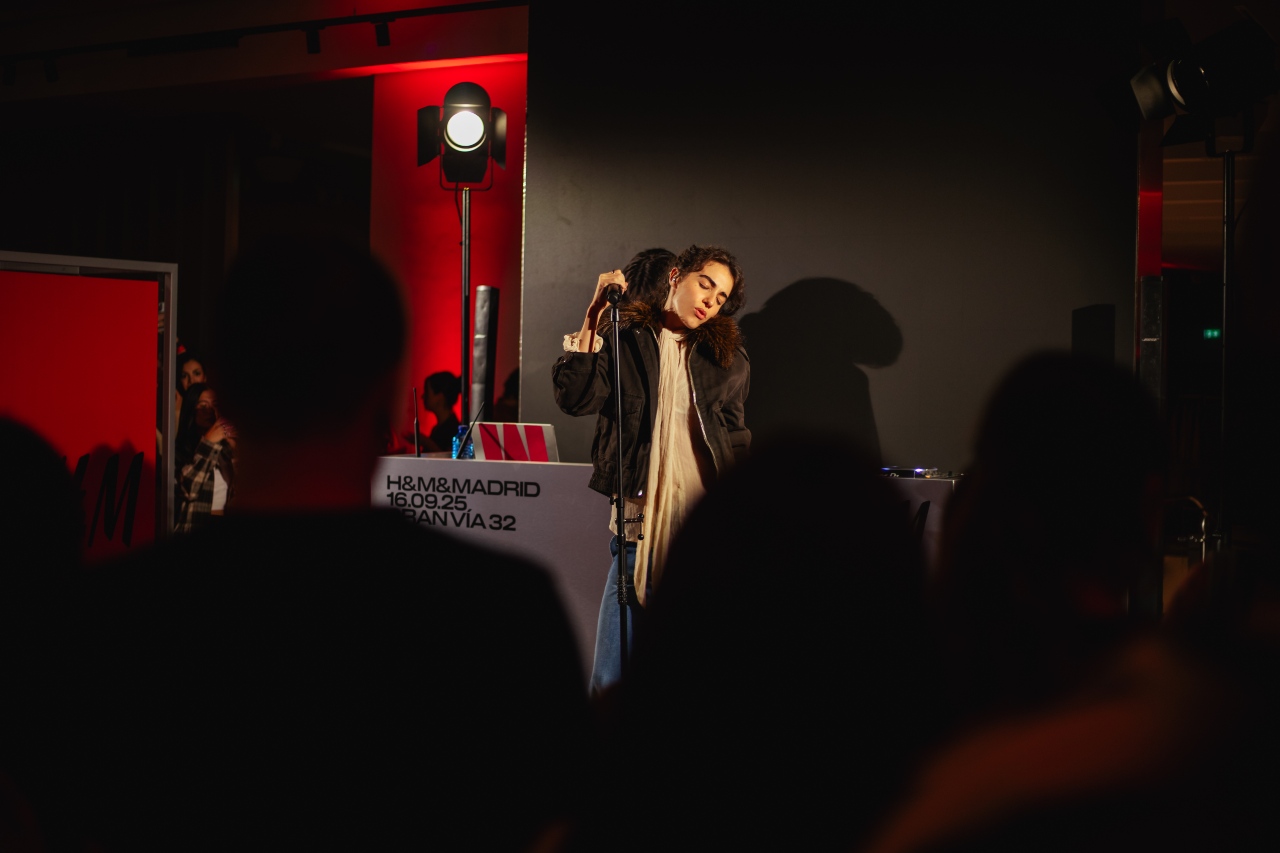
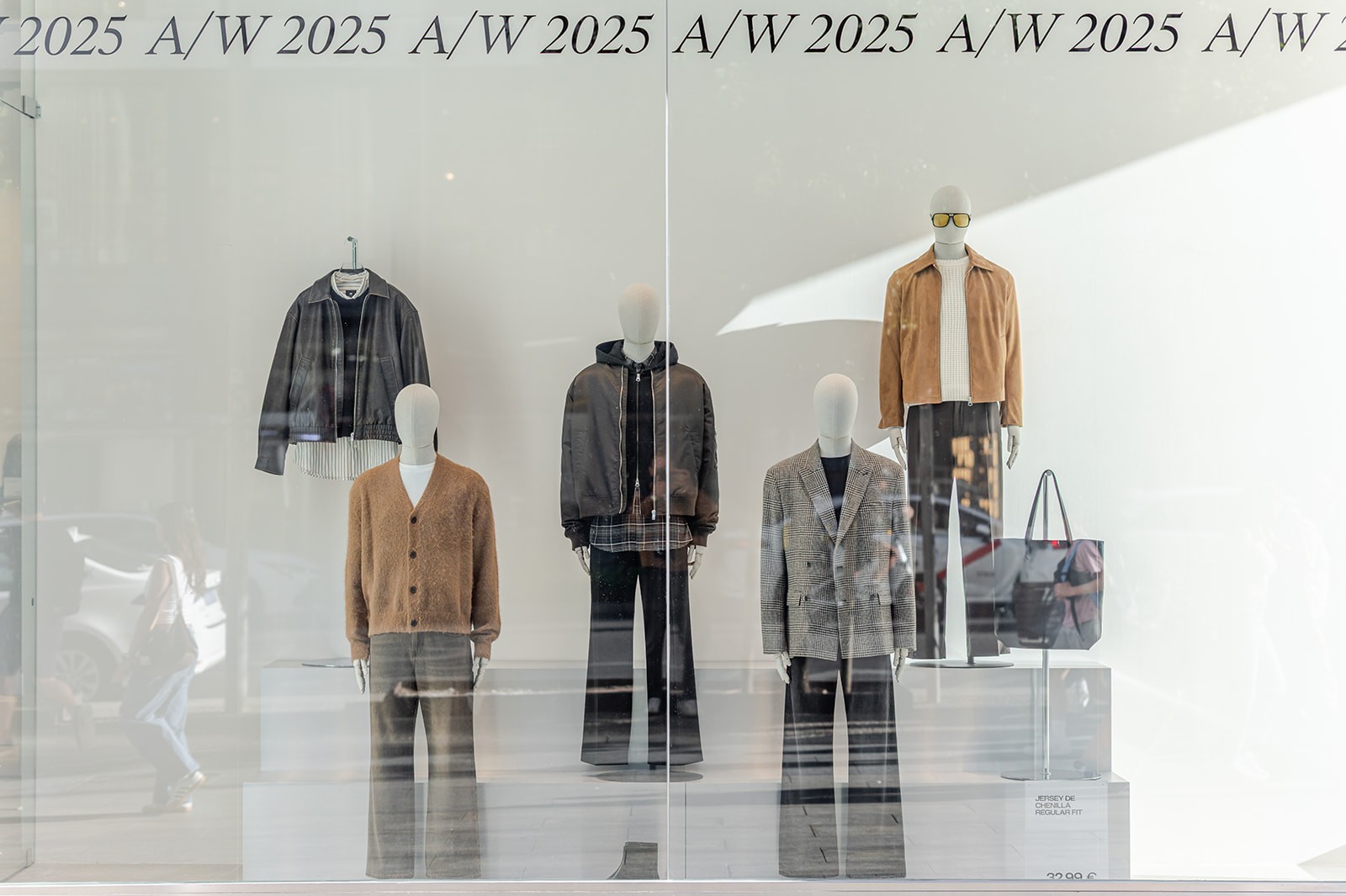
This renovation in Gran Vía adds to those already made in the stores of Velázquez street,
Orense, Castellana and Parquesur, reference spaces for the brand in Madrid. Or openings
Like that of September 4 in Le Marais (Paris), with a new store concept of 1,000 square meters and an inner courtyard. Projects with which H&M wants to strengthen your commitment to offer attractive experiences that go beyond customer expectations.