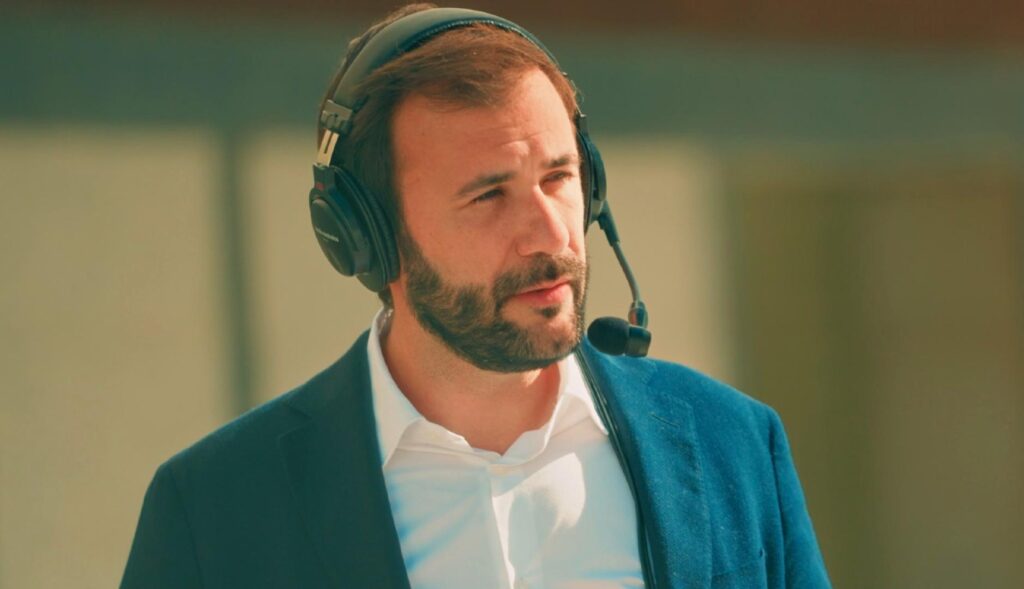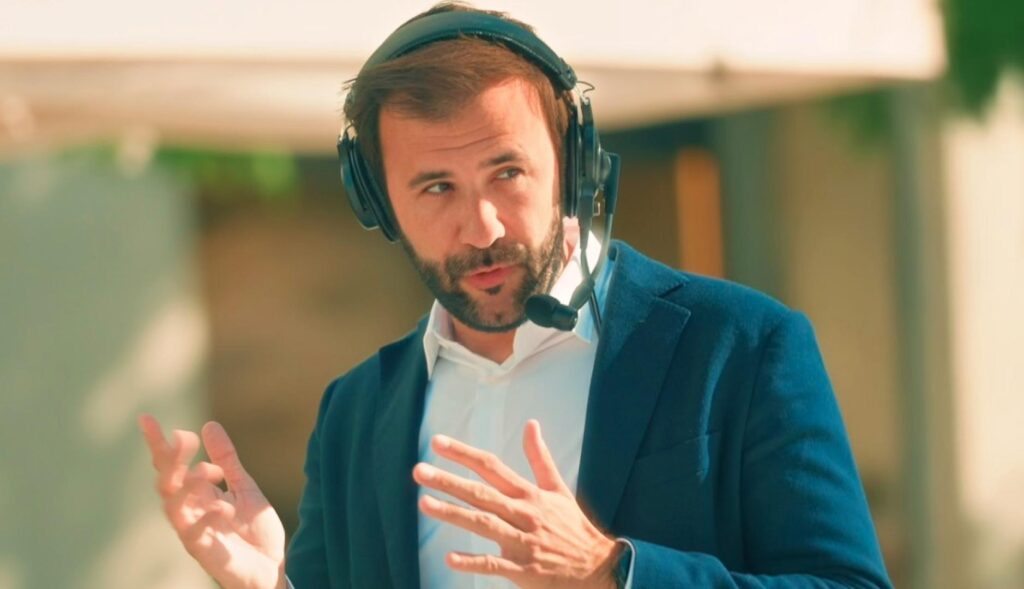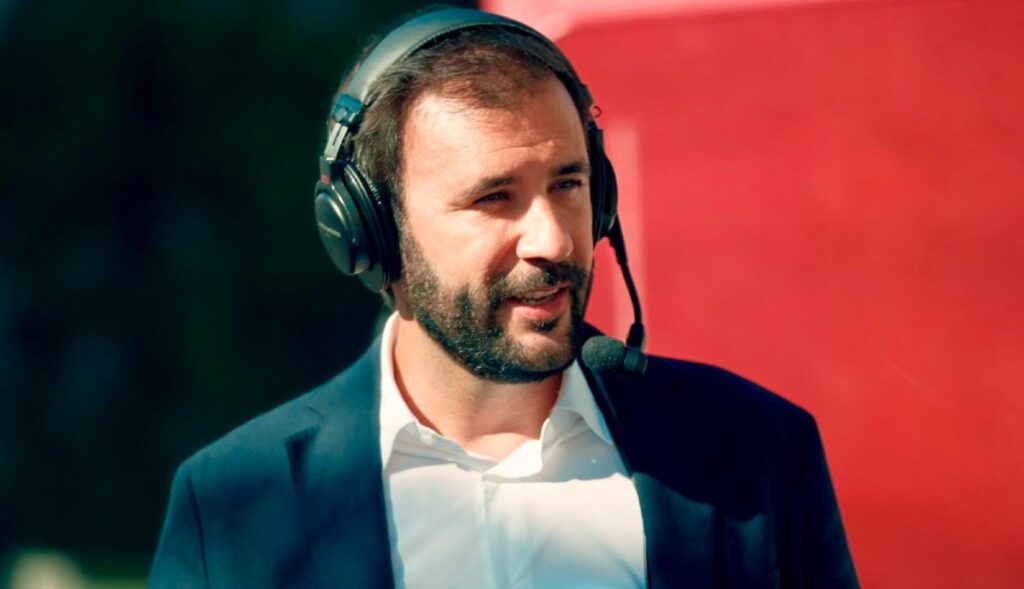
Photos: @fit-aitana and @imma.gram
Instagram has proposed putting a stop to profiles generated with artificial intelligence as part, as the platform expressed in a statement, of its efforts to improve transparency and help users better understand who or what is behind the content they see. The measures include a new identification label and limiting the scope of accounts.
Instagram has introduced the “AI-generated profile” tag, which is actually a renaming of the existing “AI creator” tag; and has also assured that it will reduce the reach of profiles that are generated by artificial intelligence and do not add the label. The goal is to more clearly communicate to users when a profile features an AI-generated figure rather than a real person.
“Users want to know when a profile features an AI-generated person”
“As generative AI becomes more integrated into artistic creation, we’ve found that users don’t like seeing a profile that looks human, only to discover later that the person appearing is generated by AI”; they explain from Instagram in a statement. “They want to know when a profile features an AI-generated person”.
The platform specifies that creators who use AI tools as part of their creative process do not need to add the label, and explains that accounts that initially added the “AI Creator” label will now see the new name. It also invites AI content managers to review the label, confirm that it is still appropriate, or remove it if it is no longer appropriate, but warns that it will limit the reach of profiles that are not labeled correctly. This means that your posts will not be recommended to non-followers via Reels or search.
Since generative AI burst onto the market at the end of 2022, it has rapidly transformed the social ecosystem, with the proliferation of artificial personalities as one of its greatest exponents. Technology has shaped a new generation of influencers and content creators who do not actually exist, but who post very similar to those of humans.
Aitana López, created by the AI modeling agency The Clueless, is one of the main references in our country. With almost half a million followers on Instagram, he has collaborated with brands like Llongueras.
Alba Renai, the digital influencer created by VIA – a division of the Be A Lion agency, a subsidiary of Mediaset Spain, has also made a name for herself in the category, already accumulating almost 20,000 followers. Among other things, she has served as host of a digital content space associated with the reality television show “Survivors,” or collaborated on a Hyundai campaign.
The movement of the platform responds, among other things, to the growing frustration of users with the excess of content generated by artificial intelligence, as well as functionalities recently launched by Meta. Last July, the company launched Muse Image, developed by Meta Superintelligence Labs, its unit specialized in AI, and which allowed users to generate images by mentioning the public Instagram accounts they wanted to reference. Users criticized the tool for its ease of using real people account images and because it did not include a notification system to inform the user if their photos had been used.
Furthermore, recently The New York Times conducted research that concluded that on the platform, as well as other social media, there are hundreds of AI-generated profiles of doctors and wellness influencers on social media, promoting the health benefits of certain products, especially supplements, to American consumers. Many of these accounts have a hyper-realistic appearance and in their messages they promise practically miraculous solutions, but deceptive and with lucrative ambitions.
The announcement of the new measures by Instagram also takes place after the agreement reached by Meta in the United States to pay almost $17 billion in fines to avoid a trial over the negative impact of its platforms on children and adolescents. The company has also committed to establishing new tools to allow parents to limit their children’s access to Facebook, Instagram and WhatsApp.