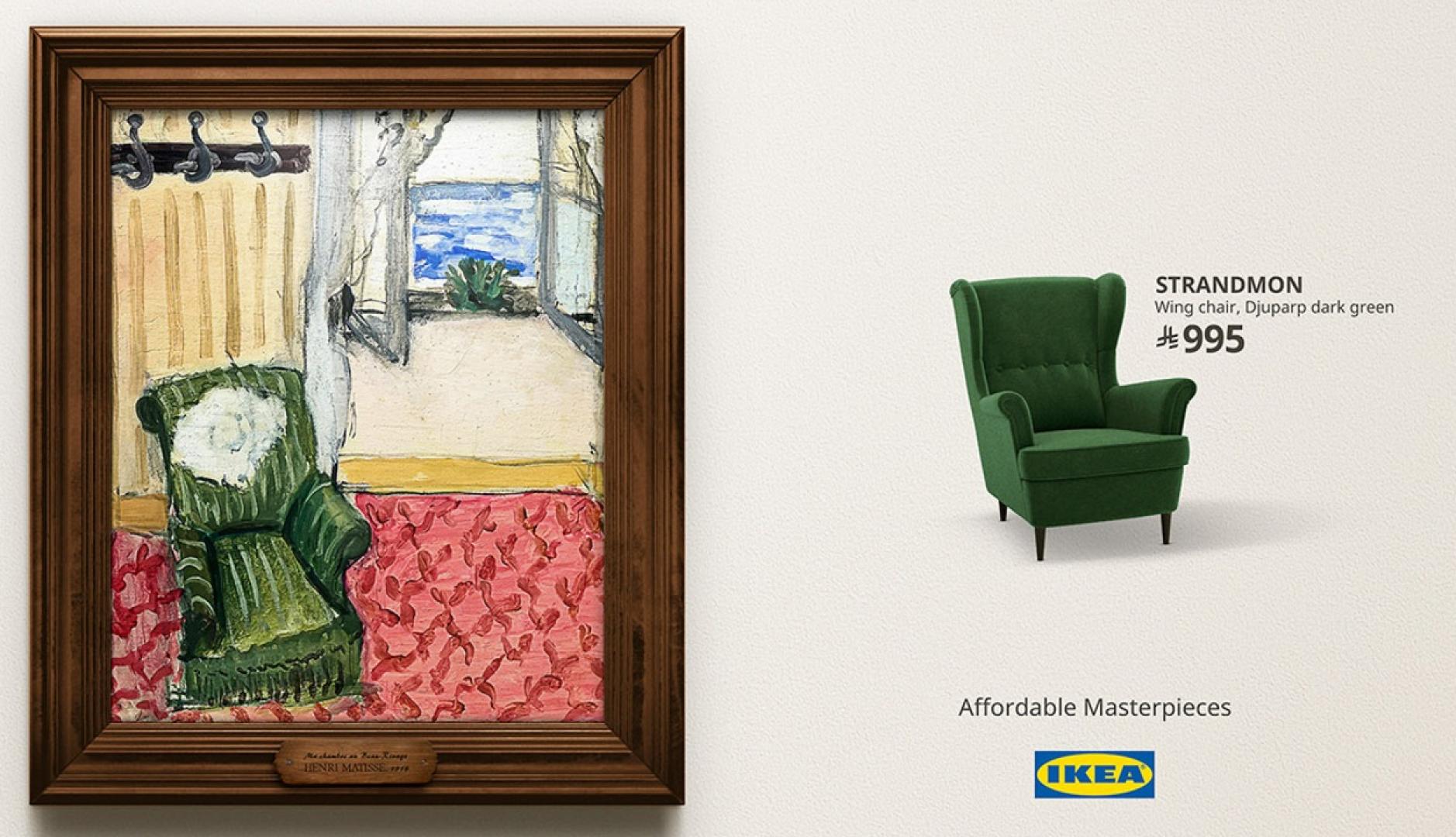
Ikea has launched, together with Memac Ogilvy, the “Affordable Masterpieces” campaign in Saudi Arabia and Bahrain with the aim of dismantling the still widespread perception that affordable is synonymous with lower quality or less durable design.
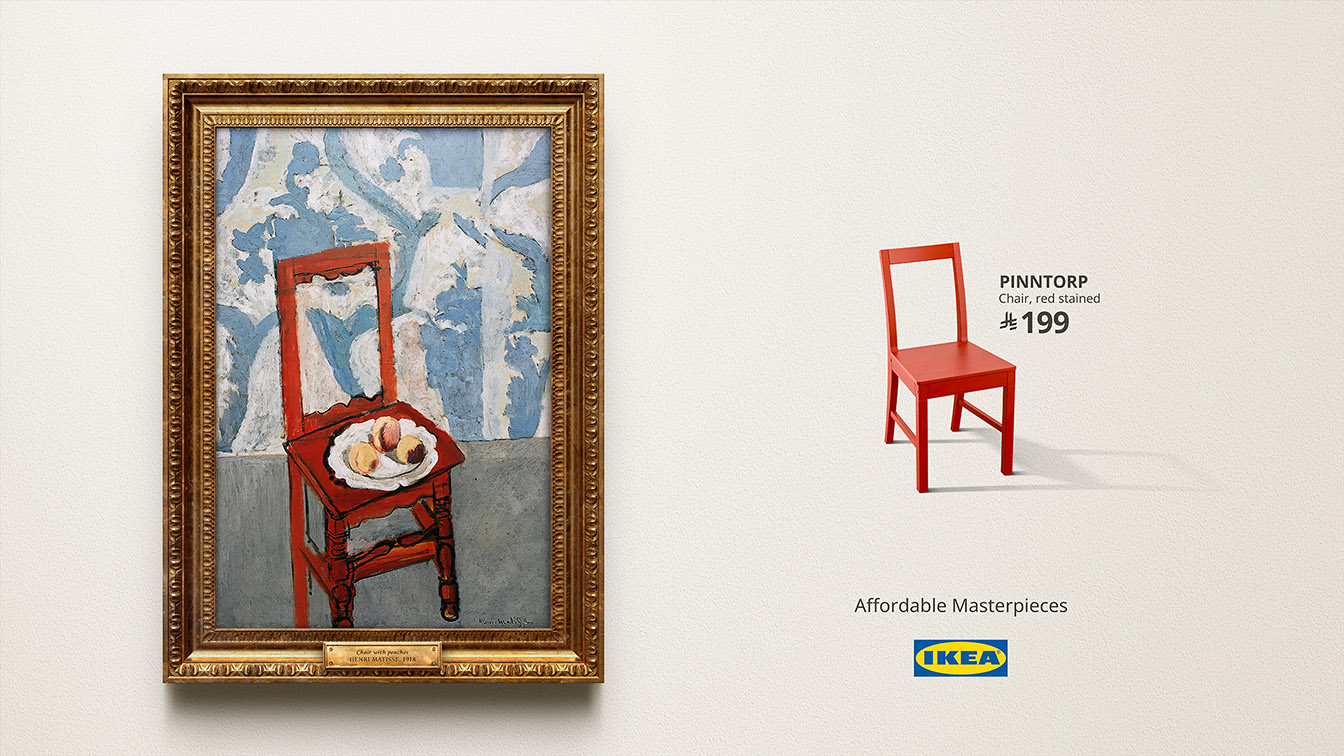
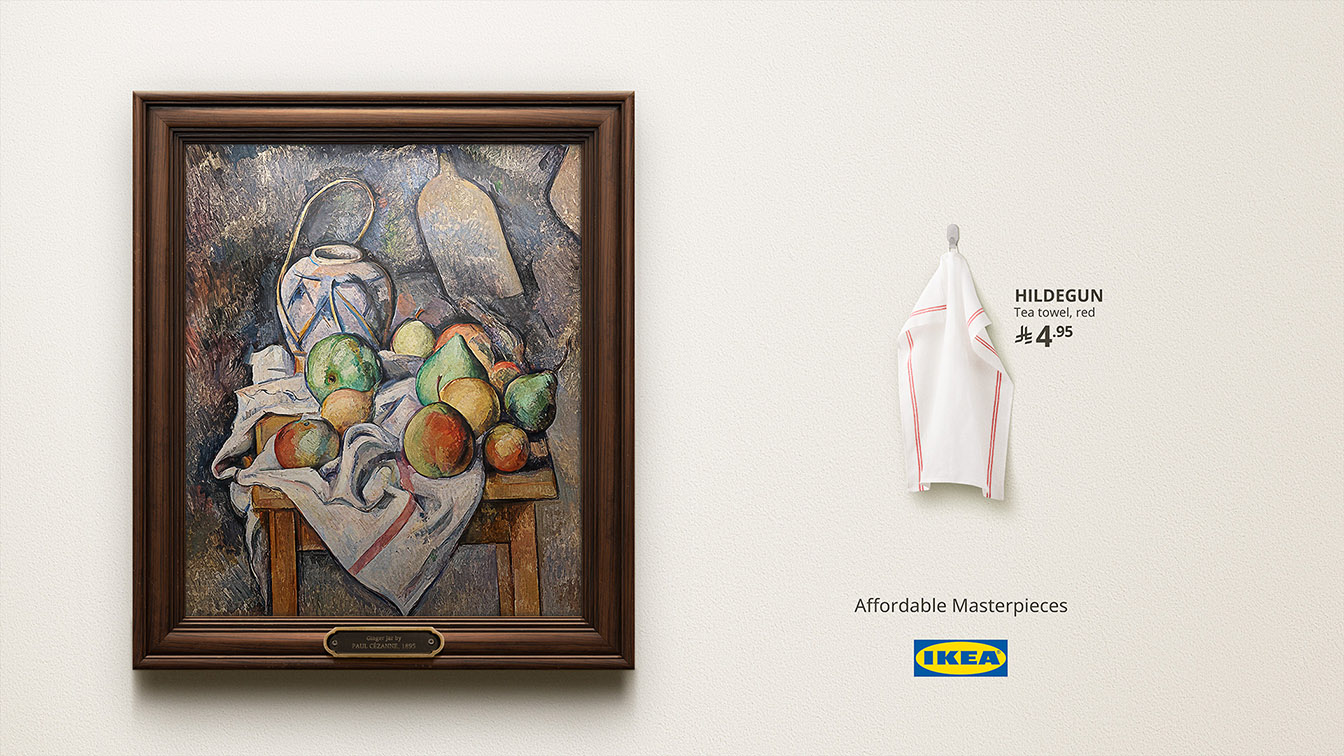
The idea comes from the fact that in some well-known works of art history, pieces of furniture appear that bear a great resemblance to iconic Ikea designs. Paintings signed by artists such as Henri Matisse, Paul Cézanne, Edvard Munch, Hugo Simberg or Dario Barbosa include chairs, tables or shelves whose shapes are reminiscent of current products from the Swedish brand’s catalogue.
Based on this observation, the campaign proposes a twist in the usual narrative about price: if these objects fit naturally in works that have spanned generations, perhaps the true value of the design is not at odds with its accessibility.
The campaign combines different formats. In addition to audiovisual pieces for social networks and digital media in stores and shopping centers, Ikea has developed an in-store activation that adopts the language of a museum. Reproductions of the works, accompanied by audio narrations with the brand’s recognizable tone, invite you to take a tour and reinforce the comparison between art and everyday furniture.
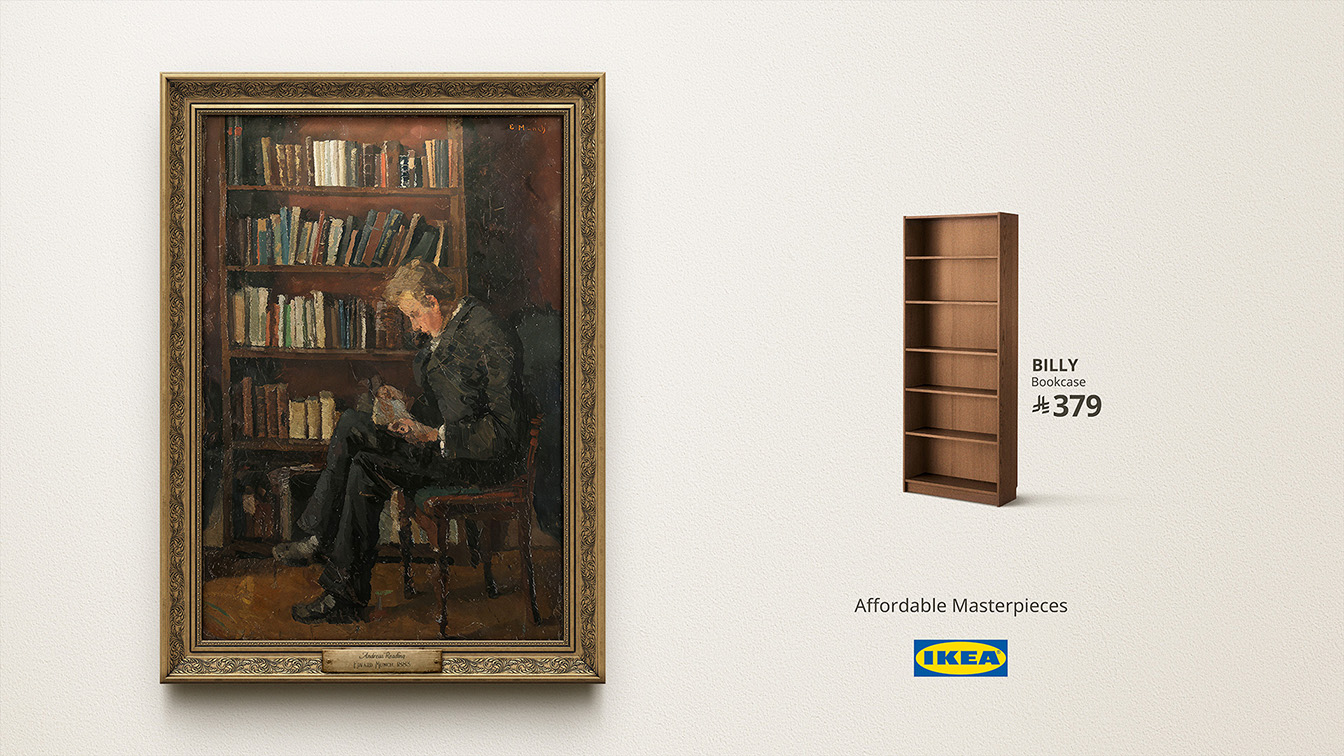
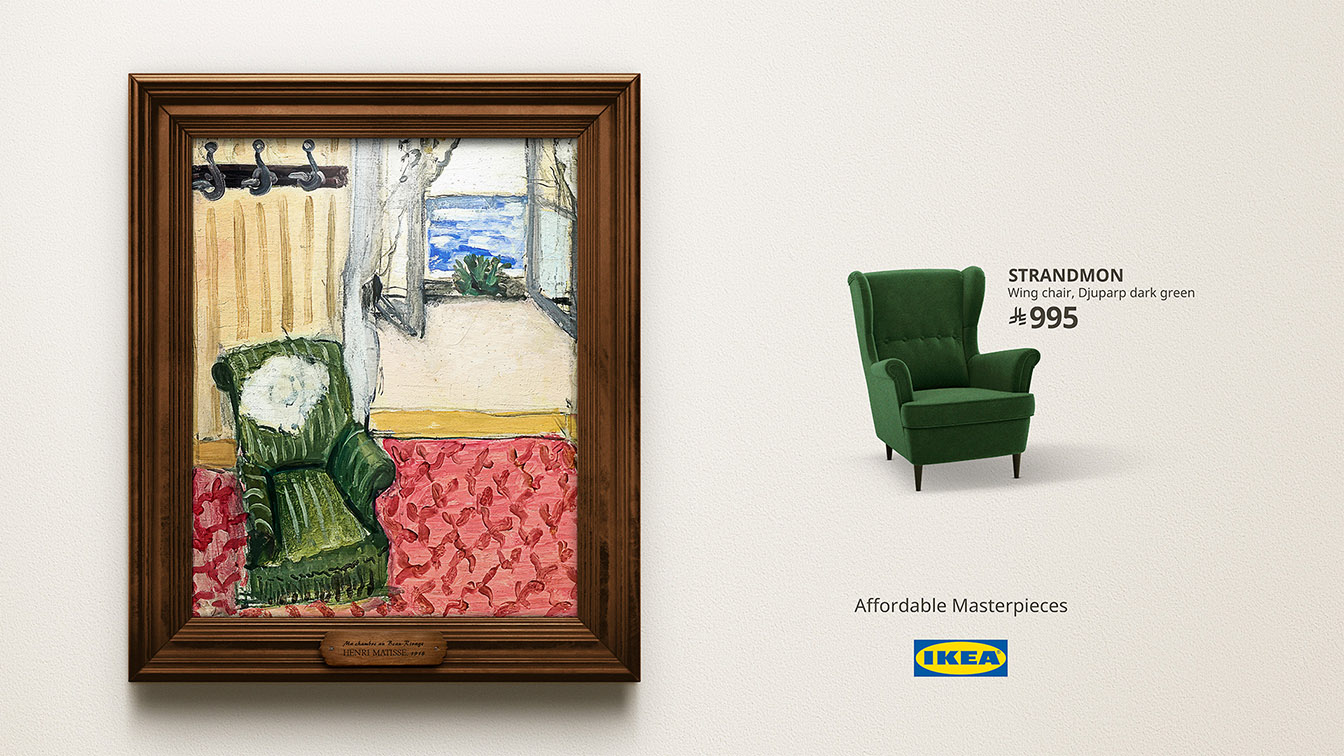
The brand explains that the campaign seeks to recover the original meaning of the word “affordable.”
“At Ikea we have always believed that good design should be within the reach of many, not just a few”says Rami Rihani, CMO at Ikea Alsulaiman in Saudi Arabia and Bahrain.
For Memac Ogilvy, the key was to reformulate a deep-rooted prejudice. “Affordability has unfairly become synonymous with commitment”says Gautam Wadher, Chief Creative Officer of the agency. “When you discover that Ikea-like shapes have been present in great works of art for decades, the conclusion is that good design never goes out of style.”