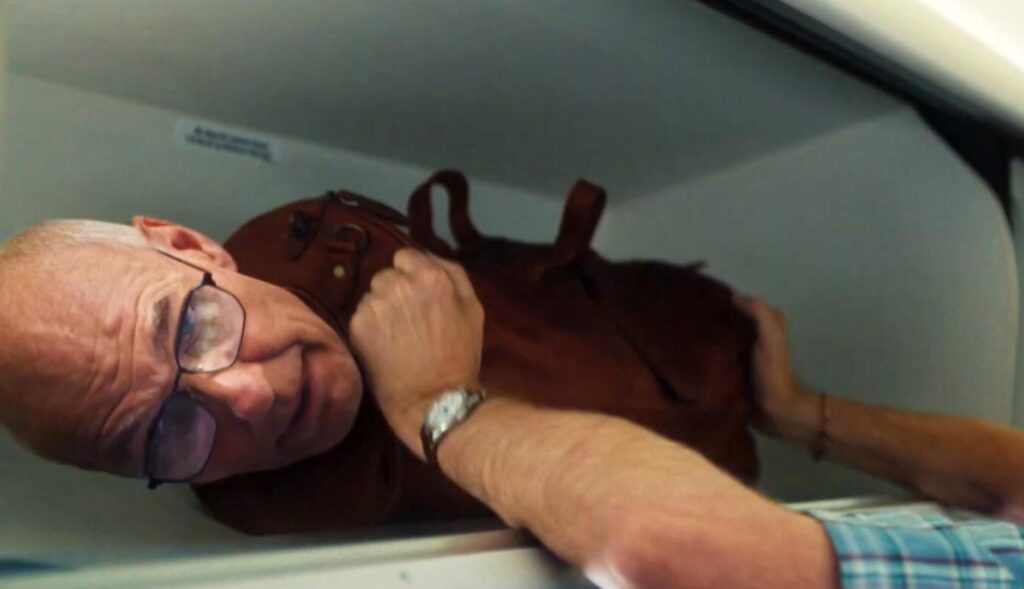
Weeks after going viral, the video of Chris Kempczinski, CEO of McDonald’s, presenting and testing the new “Big Arch” burger continues to generate conversation in the business territory. Beyond the fast food category, users are calling on the leaders of other large companies to test their products.
After Kempczinski, Tom Curtis, President of Burger King for the United States and Canada, also starred in a video testing a Whopper; and Pete Suerken, President of Wendy’s, imitated the video, which has now become a meme, entering the chain’s kitchens to cook his own hamburger and serve himself one of the brand’s popular ice creams.
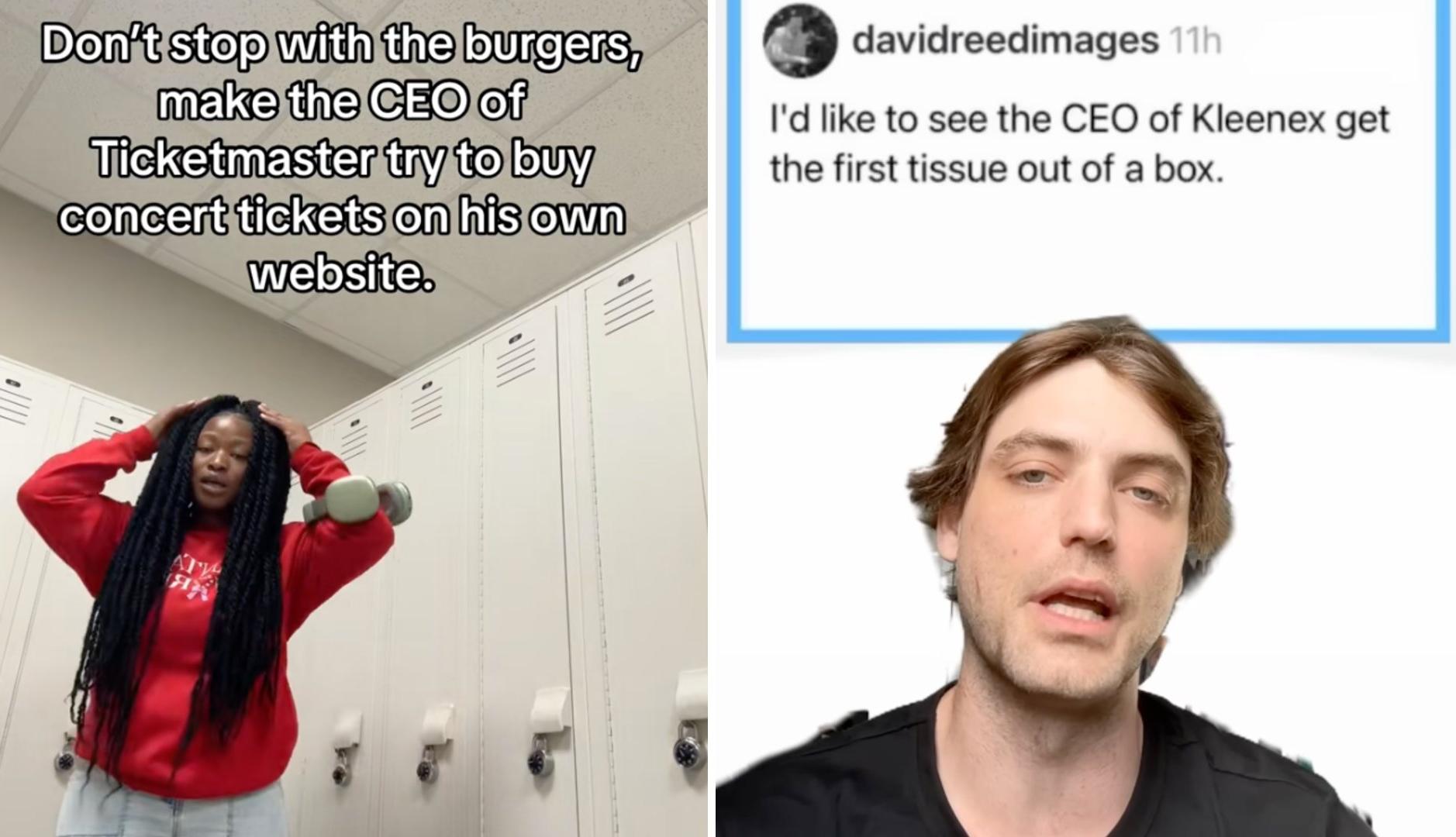
However, on social networks the audience is now asking, in a humorous tone, to broaden the spectrum and for other CEOs to join the trend and try the products and services marketed by the companies they lead. “Don’t stop at the burgers, make the CEO of Ticketmaster try to buy tickets for a concert on his own website”, pointed out the video of a user published at the beginning of March that has already accumulated almost 900,000 views.
All social networks are witnessing comments and publications of this type, which refer to all types of companies. “We need to see the CEO of Microsoft trying to use Teams, Outlook, and OneDrive without getting an aneurysm“, comments one; while another says “I would like to see the CEO of LinkedIn successfully finding a job through LinkedIn”.
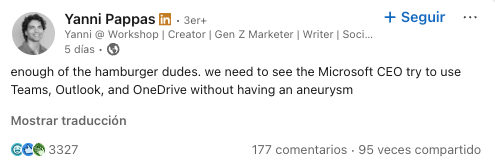
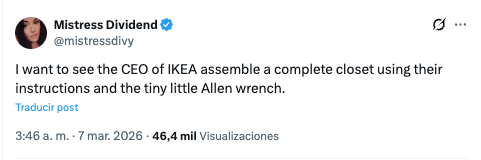
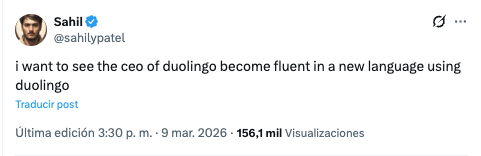
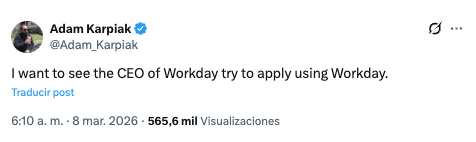
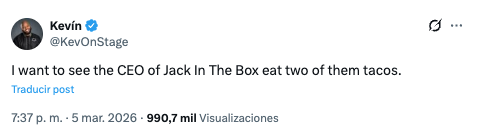
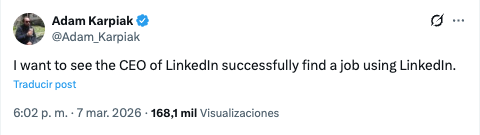
Some users have created content based on the trend itself. They have collected some of these comments and react to them as if they were jokes. This continues to feed back into the trend that also goes beyond specific brands and broadens the focus to denounce points of friction in current corporate work, such as salaries or working conditions. “I want to see the CEO of any company trying to survive on the lowest salary they pay their employees.” is one of the responses to this video.
Beyond humor, the trend leaves reflections and learnings regarding business communication, one of them being the perception that users have of corporate leaders as distant from the reality of the market. After the video was published, users criticized Chris Kempczinski for referring to the burger as a “product,” pointing out that it made the brand seem clinical and distant; or by your tone of communication. “Get out of the insularity of senior management and talk like ordinary people do!” commented one user.
In this regard, the trend provides keys regarding the familiarity and connection that the CEO and senior management must have with the product sold by the company they lead. From the comments it is inferred that users experience friction with the brands’ products and services in their daily lives and suggest that these would not exist if executives truly knew what they marketed.
Many of these frictions are related to the design of the product itself, or to the user experience of technological tools or computer programs; all of them, presumably, solvable through tests, product tests or focus groups that can help companies collect opinions, impressions and feedback to apply improvements.
This is something that Burger King has recently made visible in its marketing and communication strategy. The company created a telephone line staffed personally by Tom Curtis to respond to suggestions, comments and complaints from users and optimize processes and proposals based on that feedback. The manager has also been the protagonist of several pieces in which he can be seen becoming familiar with the product and the way it works, in an attempt by the company to work on credibility and authenticity.
Taking advantage of the trend, the brands cited by users or others could join the conversation by giving prominence to their managers, and in this way, enhance closeness to an audience that prioritizes the relationship through social networks and digital platforms. The strategy, however, requires knowing, using or consuming the products and services of their brands to be able to communicate all their virtues in a genuine way.
However, it involves risks, since if it goes well, it can be a great success, but if not, it can lead to a reputation crisis, as has been the case with McDonald’s.
Yet the trend “I would like to see the CEO of….” It demonstrates, on the one hand, the value of giving visibility to business leaders to connect with consumers; and on the other hand, the importance of knowing and attending to the product, service and brand experience at all levels of the organization to satisfy the needs of users.