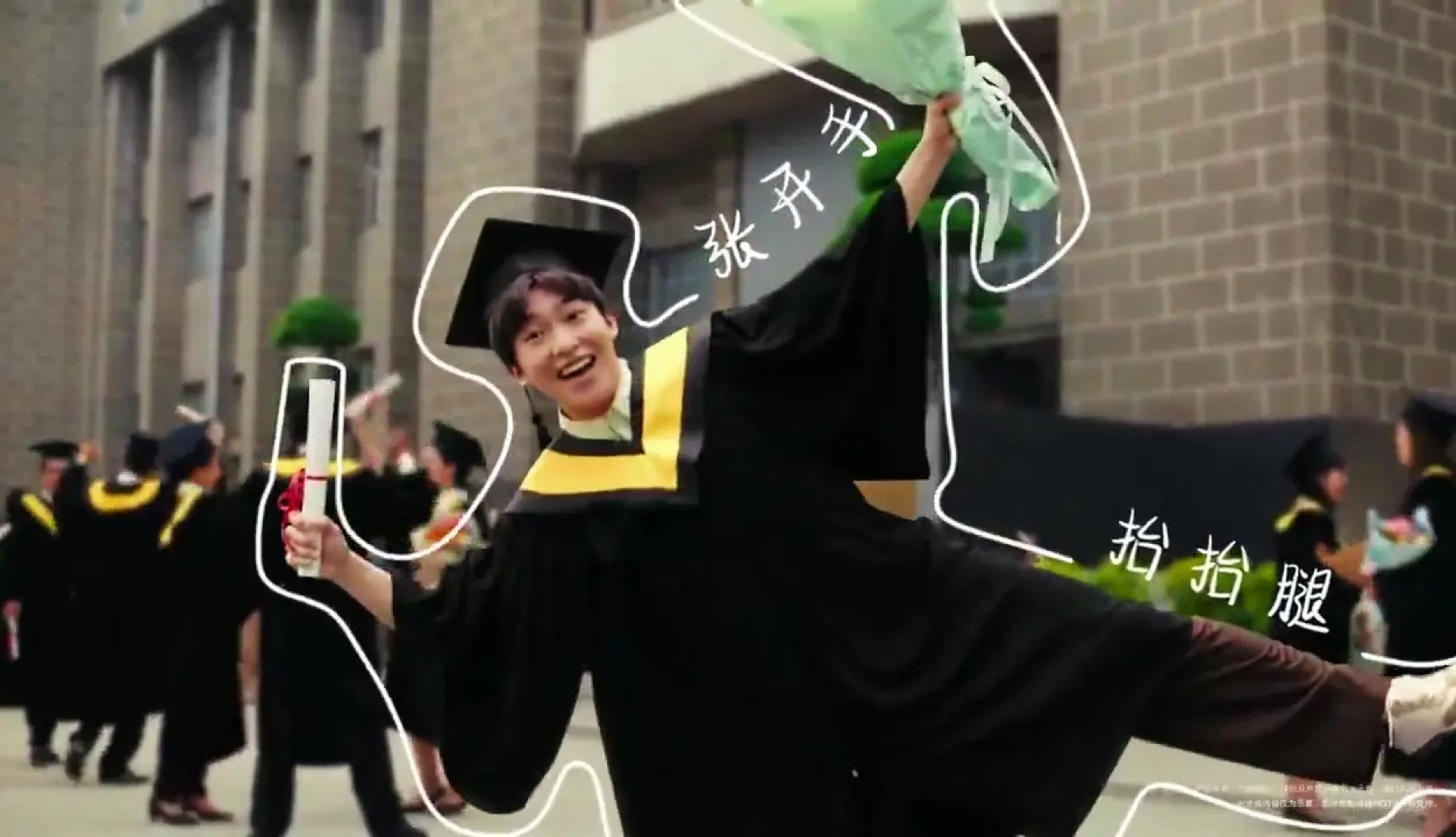
Huawei will introduce in its next Pura 90 series a new functionality based on artificial intelligence that redefines the role of the smartphone in mobile photography. Under the name “AI pose suggestions”, the device will be able to recommend the user how to position themselves before taking an image, analyzing the environment and proposing postures adapted to each situation.
The tool, accessible from the camera interface, displays visual guides on the screen – such as silhouettes or position references – that guide the subject’s posture in real time. The objective is to solve one of the most common limitations in everyday photography: the repetition of gestures and frames. Faced with recurring poses such as the victory gesture or conventional selfies, the brand proposes expanding the visual repertoire without the need for technical knowledge in composition.
Huawei’s proposal is part of a broader evolution of the smartphone. The device stops being a passive tool and becomes an active agent within the creative process, intervening before the image is even captured. If until now artificial intelligence had focused on improving the result through filters, retouching or automatic adjustments, this advance acts on the origin of the image: the posture and construction of the scene.
The movement also responds to a widespread behavior in the social use of photography. The homogenization of gestures, frames and expressions has generated a repetitive aesthetic on social networks, where much of the content responds to similar visual patterns. With this functionality, Huawei seeks to introduce variety and facilitate the creation of more differentiated images.
The Pura 90 series, scheduled to launch on April 20, will integrate functionality within a broader set of imaging innovations. The company has announced that its Pro models will incorporate a 200 megapixel main sensor supported by multispectral technology, designed to improve light capture and precision in color gradients, especially in complex scenes such as sunsets or urban environments. Added to this is the evolution in zoom capabilities, with a double telephoto system that would allow up to ten optical magnifications, as well as improvements in sharpness and image processing that seek to consolidate the brand’s positioning in mobile photography.
These innovations are part of Huawei’s strategy to differentiate itself in photography. While other manufacturers have focused artificial intelligence on post-processing, such as removing elements or generating content, the company shifts the focus to the moment before capture, combining it with improvements in sensors and optics.