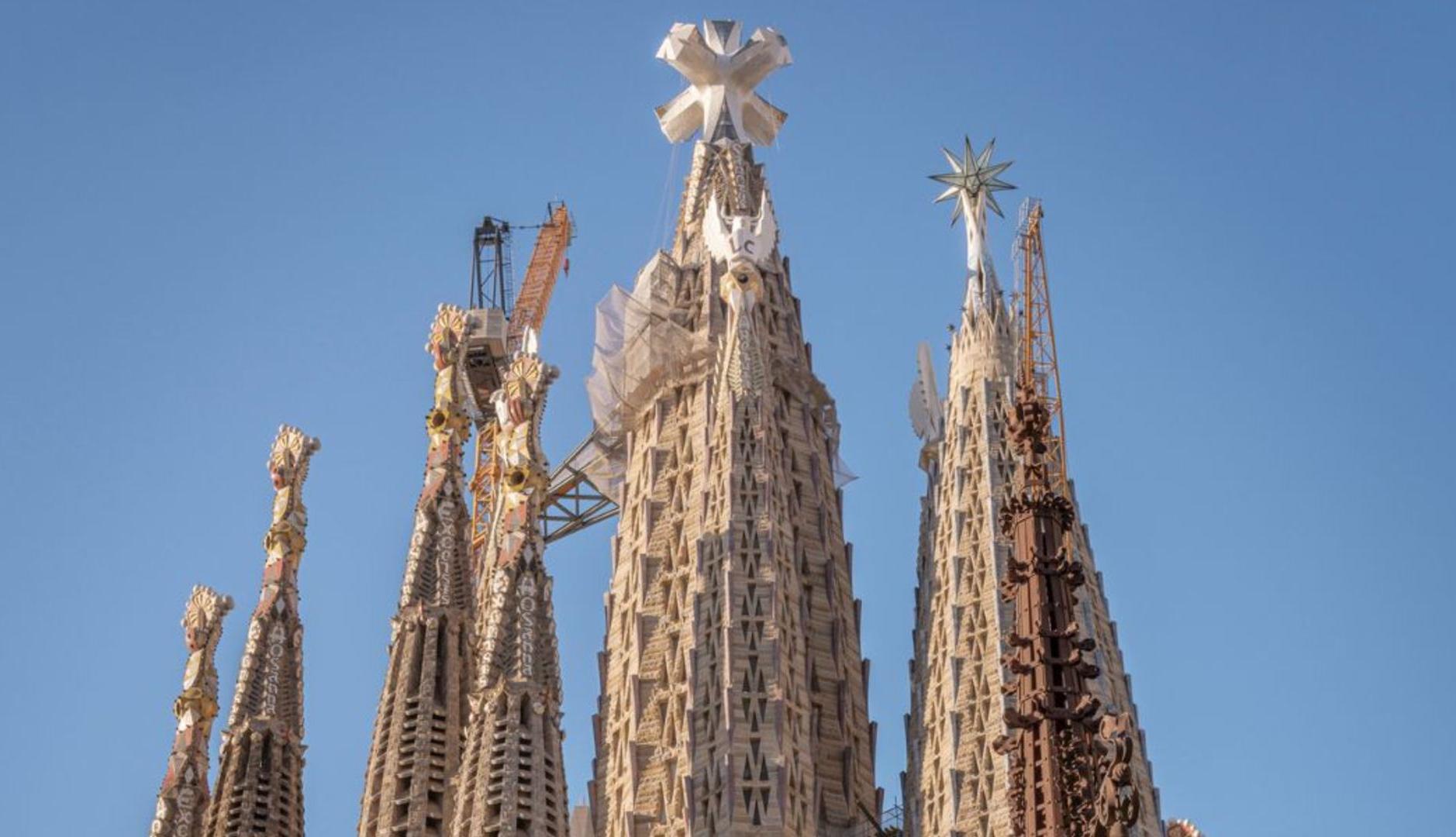
The construction of the Tower of Jesus Christ of the Sagrada Familia, which was inaugurated on June 10 during the visit of Pope Leo XIV to Spain with a majestic spectacle, has been possible, in part, thanks to glue. And Henkel has revealed that its technology and the advanced adhesives of its Loctite brand have helped assemble and complete the central towers of what is now the tallest religious temple in the world.
The company has shared the details of its contribution, the result of a collaboration of more than ten years with the Fundación Junta Constructora del Temple Expiatori de la Sagrada Familia. In addition to its product, Henkel claims to have contributed to the project with testing and validation, specialized technical support and continuous supply adapted to the evolution of the works.
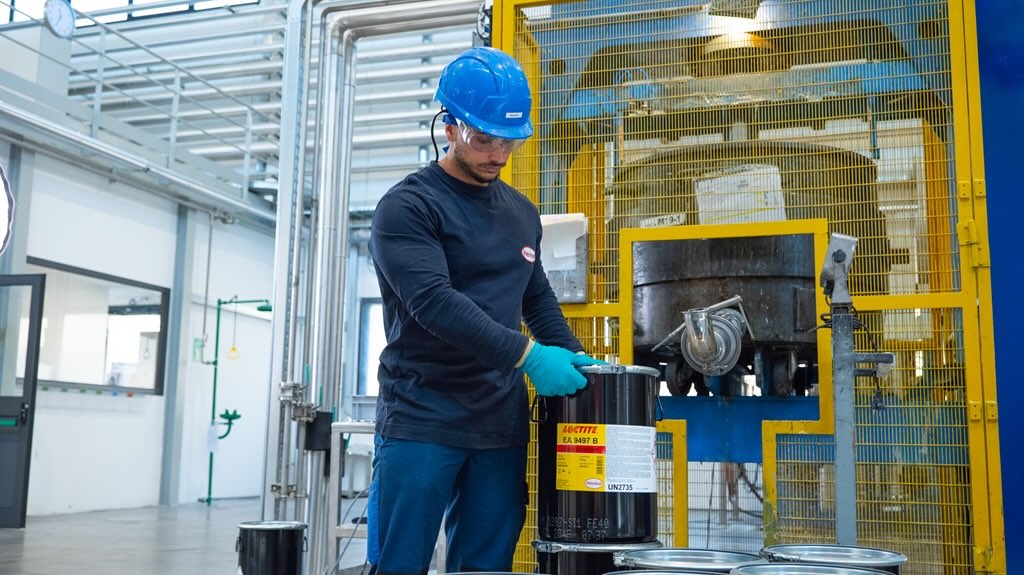
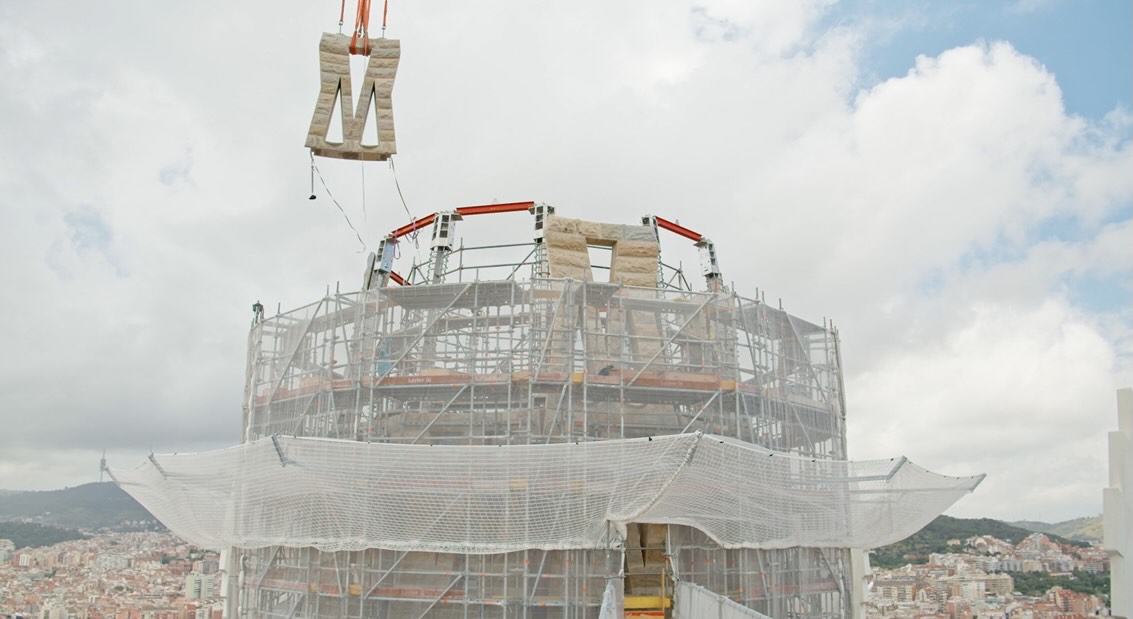
The high-performance structural adhesive Loctite EA 9497 is present in six central towers of the building, and has allowed assembly using tensioned stone panels, which combine stone and steel. Henkel’s product has allowed both materials to be united and function as a single structure, thus allowing a modular construction system that has made it possible to complete one of the most complex milestones in contemporary architecture, as described by the company itself.
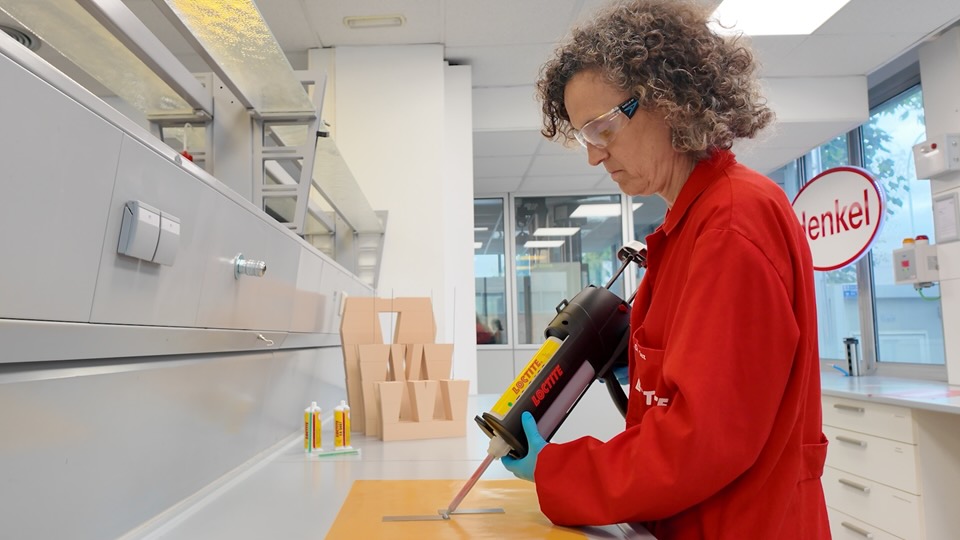
In a statement, Henkel explains that it has been applied in a liquid state, which allows it to adapt to the contact surface and fill cavities, ensuring the union between the stone and the metal elements. In total, 24 tons of Loctite adhesive were used, with about 30 kilograms per panel. The towers required 826 panels and more than 2,100 stone elements.
As reported by the company, the system has allowed processes to be accelerated up to 10 times compared to traditional methods, and without compromising the security or integrity of the monument. Resistance to the demanding conditions of the Sagrada Familia has been a fundamental element when working with the product. According to Henkel, the Loctite EA 9497 adhesive is reliable against humidity and salt in the environment, as well as against the significant thermal variations in Barcelona’s climate.
The product is also designed to maintain its capabilities against the vibrations caused by the two metro lines that run around the basilica and which are transmitted to its structure. The company points out that the bond provided by the adhesive can withstand loads of up to 100,000 people per square meter.
“This project highlights how innovation and collaboration continue to drive progress“; commented Adrian Orbea, President of Henkel Ibérica. “At Henkel, we work hand in hand with our customers to make initiatives of this magnitude a reality, providing solutions that offer performance where it is needed most.”.
The initiative represents a new milestone for Henkel, which puts its product at the center of one of the most outstanding architectural works of modernity, highlighting both the capabilities of its adhesives and its brand philosophy around innovation and the drive for progress. The presence of Loctite in the Sagrada Familia expands Henkel’s history in the field of highly demanding projects: in 1987, Henkel’s Ceresit brand was used in the restoration and renovation work of the Great Wall of China; while in 2009 it provided adhesives for the construction of the Burj Khalifa skyscraper in Dubai.