There are ocular pathologies that compromise such everyday actions as distinguishing the colors of clothing or recognizing the faces of loved ones, and whose impact, in addition to physical, is psychological and emotional. Roche Farma explores all of this in the documentary “Essay on the Look”, in which it collects the experiences of more than twenty healthcare professionals as they experience, in first person, some of the difficulties that their patients go through.
The documentary collects the testimonies of health professionals when experiencing pathologies
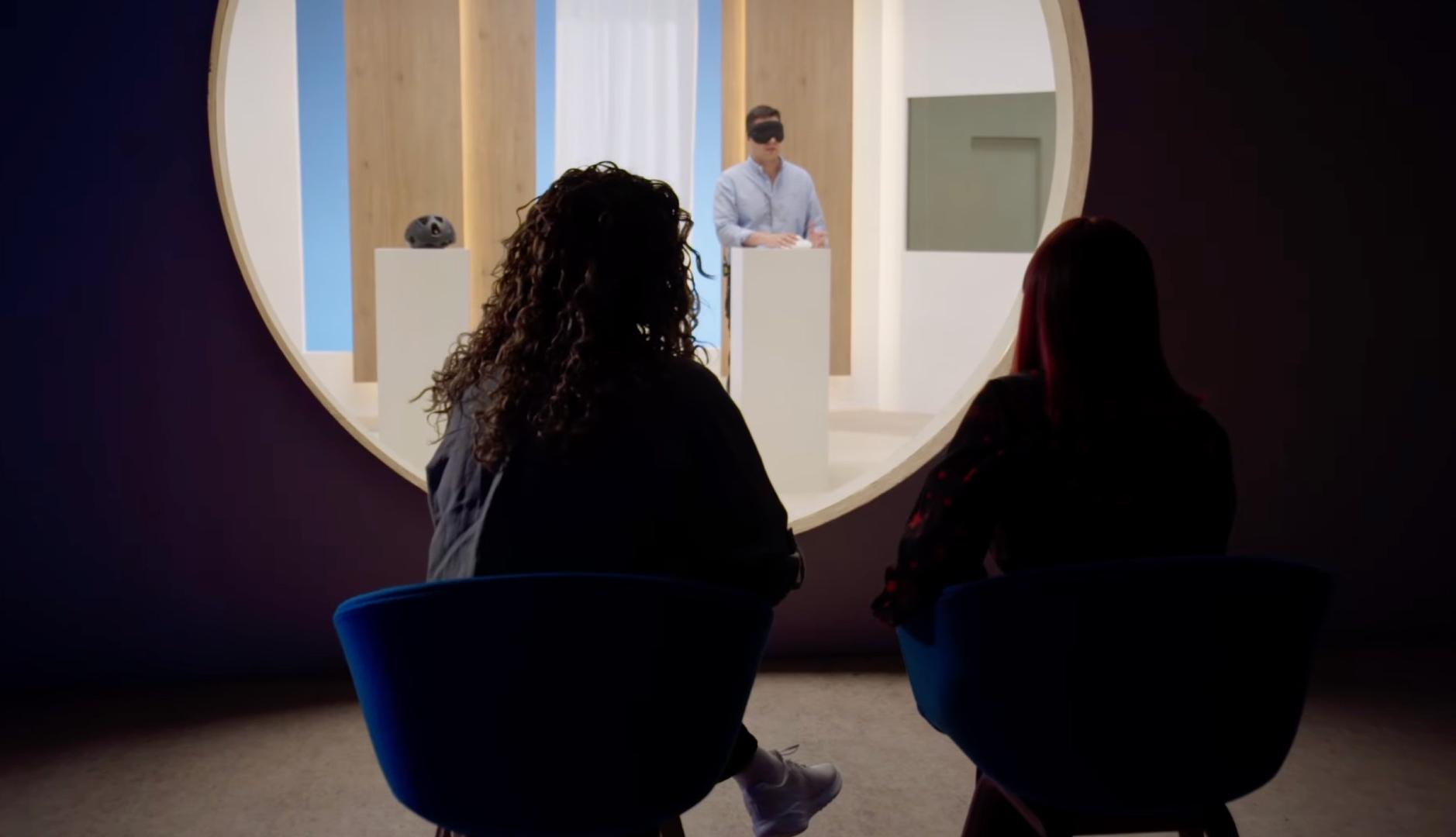
The piece, worked together with TBS, the creative production company of the Telefónica Group, collects the impressions and evaluations of ophthalmologists and hospital pharmacists when experiencing, through guided immersive tests, the symptomatology of retinal diseases, especially age-related macular degeneration (AMD) and diabetic macular edema (DME).
In addition, the documentary also collects the testimonies of six patients with these pathologies and who witness, through a hidden camera, the emotions of the specialists, thus proposing a complete overview of the issue with the aim of making eye diseases visible, generating social awareness, and promoting a change of outlook in clinical practice.
“Essay on the Look” was presented last November and is now available both on Roche’s YouTube channel and on demand on Movistar Plus+. It has, as detailed by the company, the scientific endorsement of the Spanish Society of Retina and Vitreous (SERV); and the collaboration of Acción Visión España and the Spanish Diabetes Federation (FEDE).
The branded content is developed over five chapters and an epilogue, which correspond to some of the symptoms suffered by these patients. They are the following:
- “The faces”: specialists face the identification of emotions in portraits under distortion simulations. This leads to errors of interpretation, underscoring the impact of central vision loss on human relationships.
- “The letters”: places clinicians before a soup of letters that is impossible to solve for those who live with deformed vision or fixed spots in the central field. The experiment gives rise to a reflection on the importance of early detection and regular follow-up
- “The coins”: specialists try to handle money and calculate exact amounts, showing how low vision compromises ordinary tasks, generating vulnerability in patients
- “Memories”: professionals face the idea of not being able to recognize a beloved face in the future
- “The objects”: healthcare workers must identify objects by touch or sound, evidencing the patients’ need for support
- “The meeting”: the epilogue brings together specialists and patients, opening a conversation about empathy, clear information and teamwork
From Roche Farma they point out that, although technology and research allow us to have very precise treatments today, it is still necessary to support awareness initiatives, such as the documentary that the brand has developed. He considers that they are essential to improve the underdiagnosis of retinal diseases, since they are silent and can be confused with normal aging.
“These types of diseases are not just an individual health problem; represent an enormous socioeconomic burden for our society and our health systems“commented Patrick Wallach, General Director of Roche Farma Spain, in a statement. “Its impact is very significant, not only due to health costs, but also non-health costs, such as loss of productivity and the implications it has on the daily lives of the patients’ families and their caregivers.”.
For its part, the production company positively values Roche’s commitment not only to the cause, but also to the creative process. “We have been able to create, produce and distribute a format sustained by the quality of the story and with a clear editorial criterion: the genuine interest of the audience in what we wanted to tell, while the brand accompanies it naturally, without taking center stage.”; said María Cubero, director of customer services at TBS. “That is not something easy to achieve, nor do all brands dare to do it”.
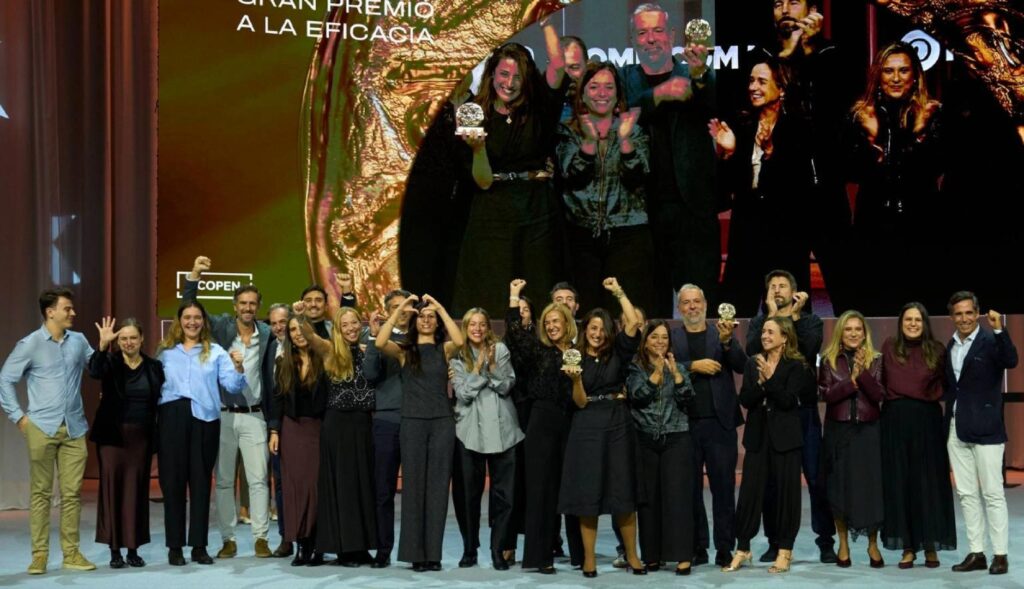
Roche Farma has shared the making of the documentary, sharing details and moments of the creative process. The documentary has been directed by Noelia Bodas, screenwriter and director, in collaboration with a team of more than 60 professionals. Filming took place over three days on the sets of TBS headquarters in Tres Cantos.