Dior has also chosen hand-drawn animation for its 2026 Christmas campaign. Just a week after Prada presented a proposal created with traditional illustration techniques, the French brand has released “Christian Dior’s Night in Color”a short film that recovers the procedures of animated cinema from the 1940s to tell a fantastic story starring its founder. Both initiatives point to the same creative direction in luxury communication, which involves vindicating artisanal work and human intervention when artificial intelligence is transforming audiovisual production.
Dior’s proposal bears the signature of French filmmaker Sylvain Chomet, known for films such as “Welcome to Belleville” and “The Illusionist,” and nominated for an Oscar for his work in animation. The project has been developed under the creative direction of Jonathan Anderson and brings together a voice cast made up of some of the fashion house’s best-known ambassadors and collaborators, including Rihanna, Robert Pattinson, Josh O’Connor, Greta Lee, Louis Garrel and Camille Cottin.
The story takes place in Paris in 1949, in the historic Dior headquarters.
The result is a film that combines Christmas fantasy with the history of the brand, using its emblematic designs and its relationship with cinema as narrative elements.
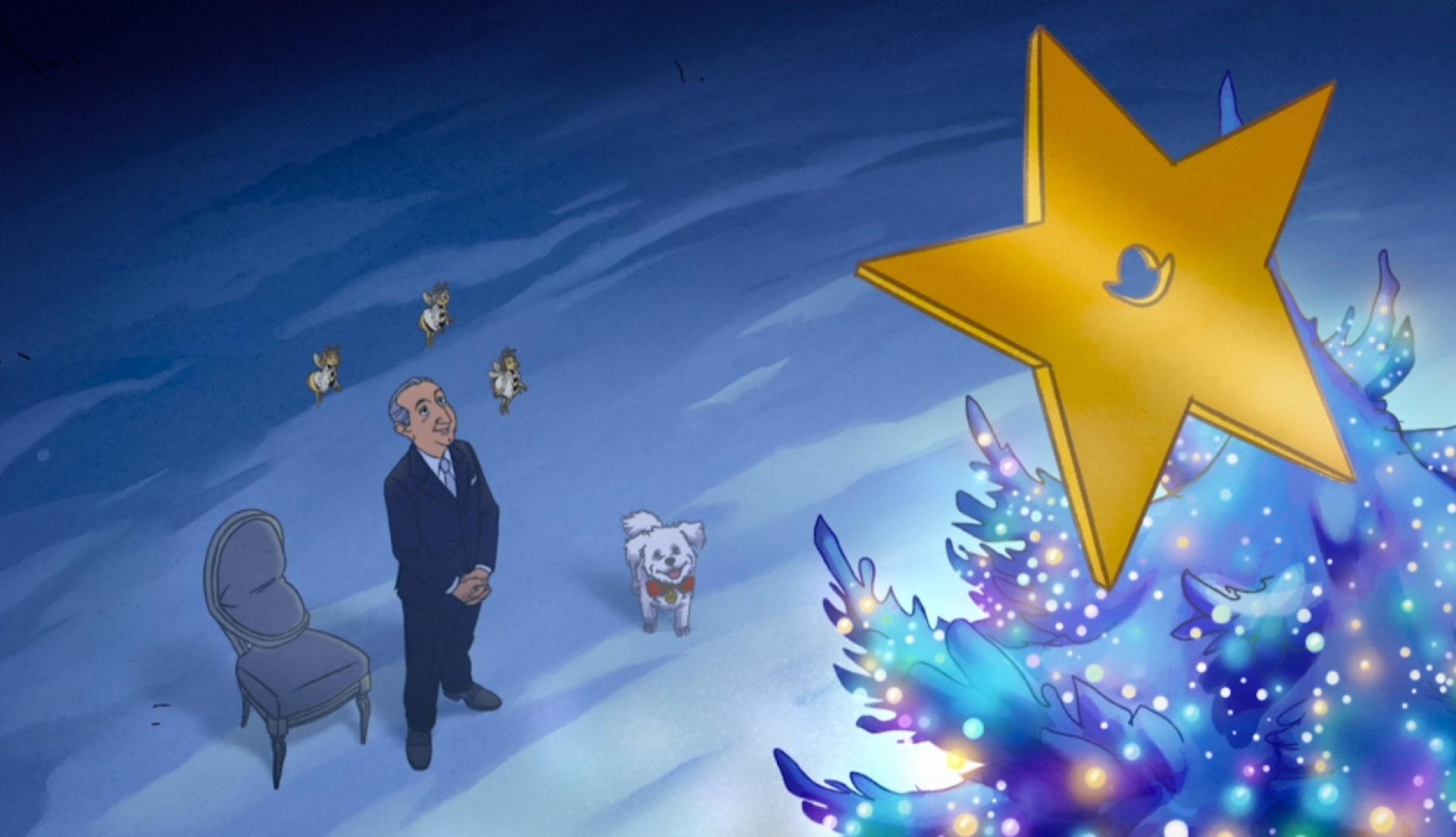
The story takes place in Paris in 1949, in the historic Dior headquarters at 30 Avenue Montaigne. On Christmas Eve, the designer and his team of seamstresses receive an urgent call from Hollywood because actress Marlene Dietrich needs a dress for a film that, unexpectedly, has gone from being shot in black and white to being shot in color.
The request triggers an adventure in which Christian Dior, played by Louis Garrel, must find the inspiration to create an extraordinary dress. The story is inspired by the real relationship between the designer and Dietrich, one of his most famous clients, who even demanded to wear the firm’s designs to participate in “Scene Panic,” the film directed by Alfred Hitchcock in 1950. His well-known statement, “No Dior, no Dietrich”appears recovered in the short film.
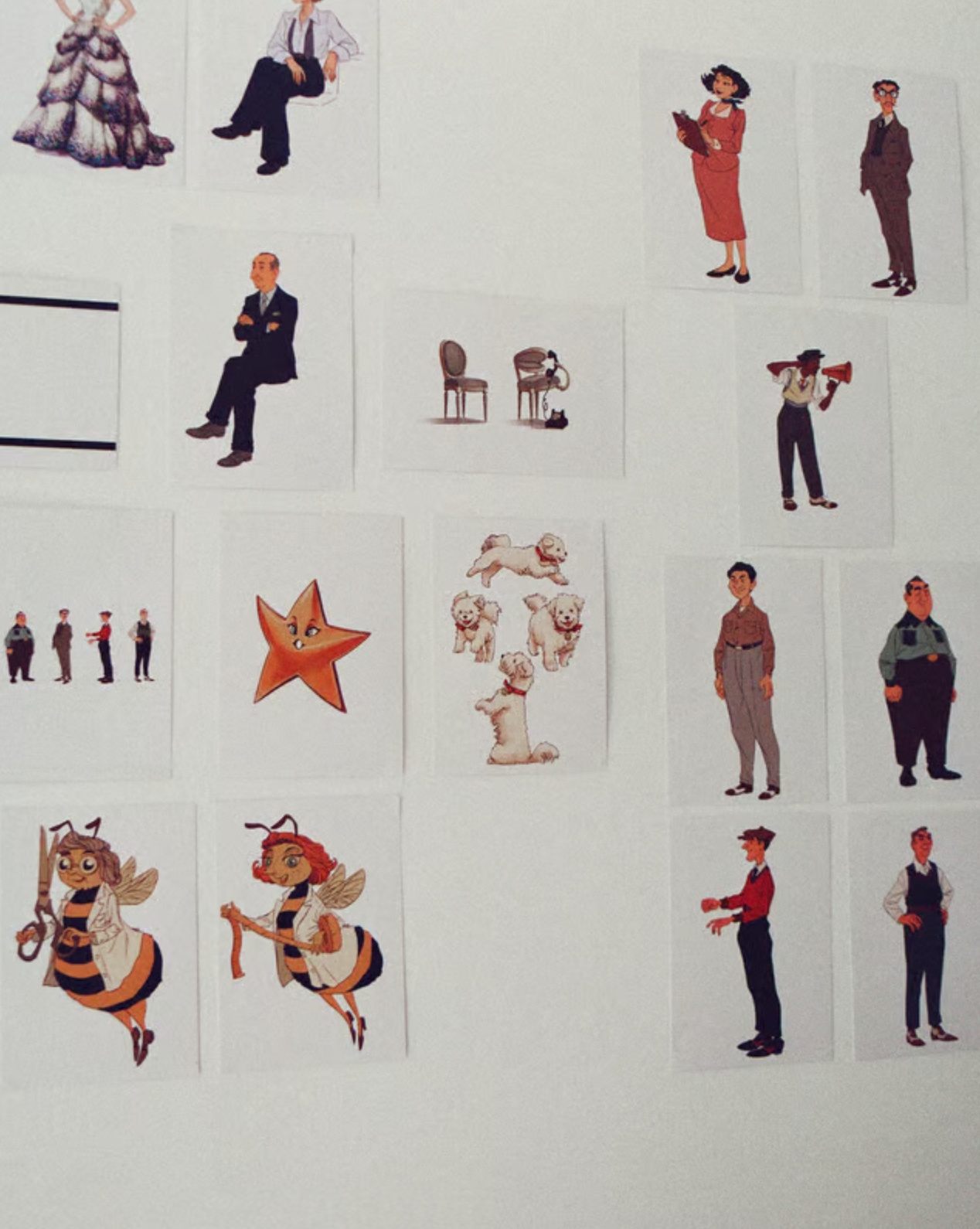
In this fantastic version, the designer is helped by a series of characters that represent recognizable elements of the Dior universe. Three bees symbolize the house’s seamstresses, whom the founder affectionately referred to in that way; a gray chair inspired by the Médaillon model comes to life; and a lucky star, placed at the top of a Christmas tree, ends up providing the decisive inspiration.
The star’s character is voiced by Rihanna, while Josh O’Connor plays the chair, Camille Cottin voices Marlene Dietrich and Robert Pattinson serves as narrator. Also participating are LaKeith Stanfield, Greta Lee, Nine d’Urso and Nadia Tereszkiewicz.
The adventure culminates with the creation of a dress inspired by Junon, one of Christian Dior’s most recognized haute couture designs, originally presented in 1949 and characterized by its overlapping petal skirt. Although Dietrich never wore that specific piece, the creative license allows us to connect two fundamental elements of the brand’s legacy: its historical relationship with Hollywood and the technical sophistication of its workshops.
Traditional animation as an expression of craftsmanship
The choice of Sylvain Chomet responds both to his cinematographic career and his particular visual language. The director has developed a recognizable style for its expressive characters, detailed settings and animation that recovers the aesthetics of classic productions.
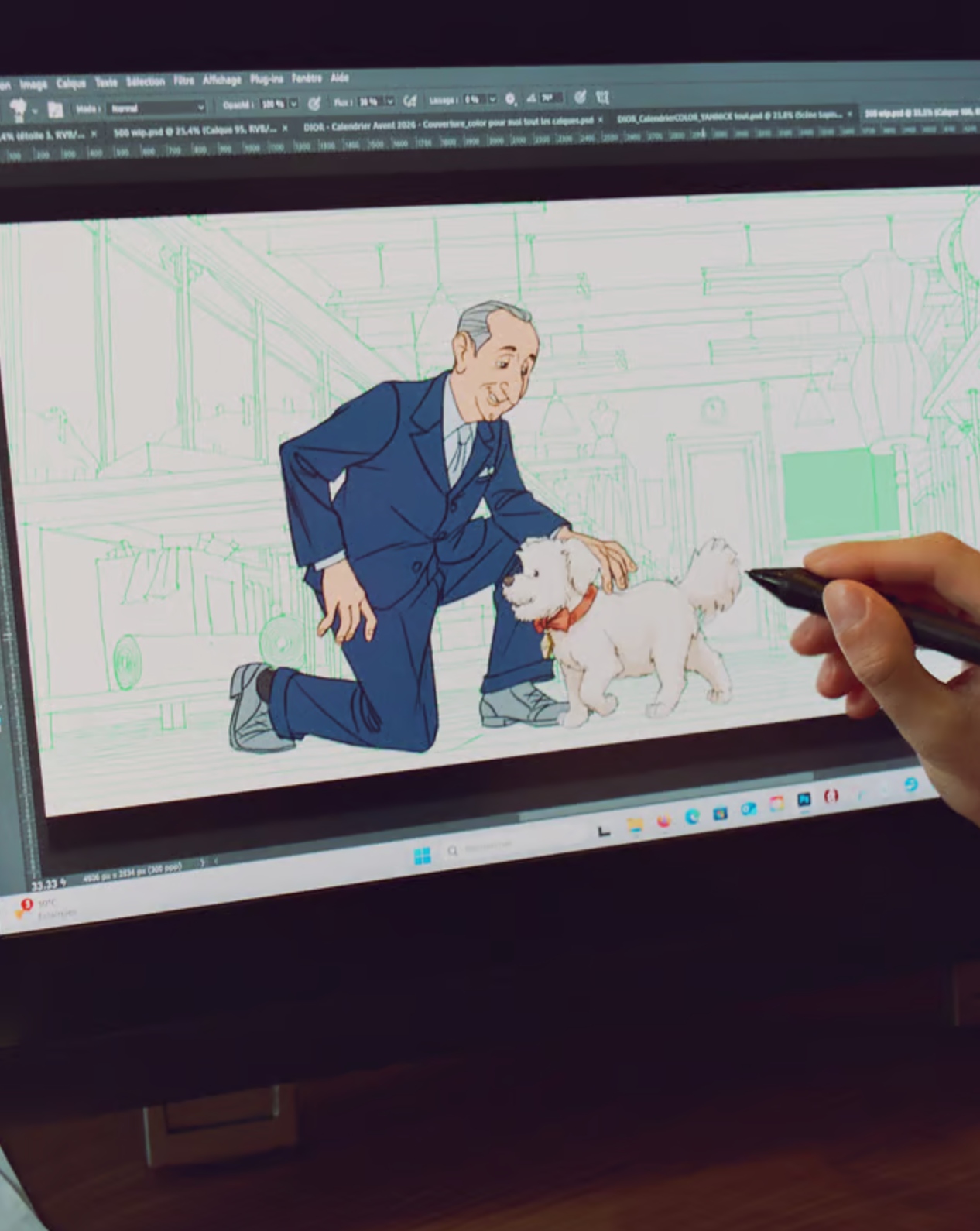
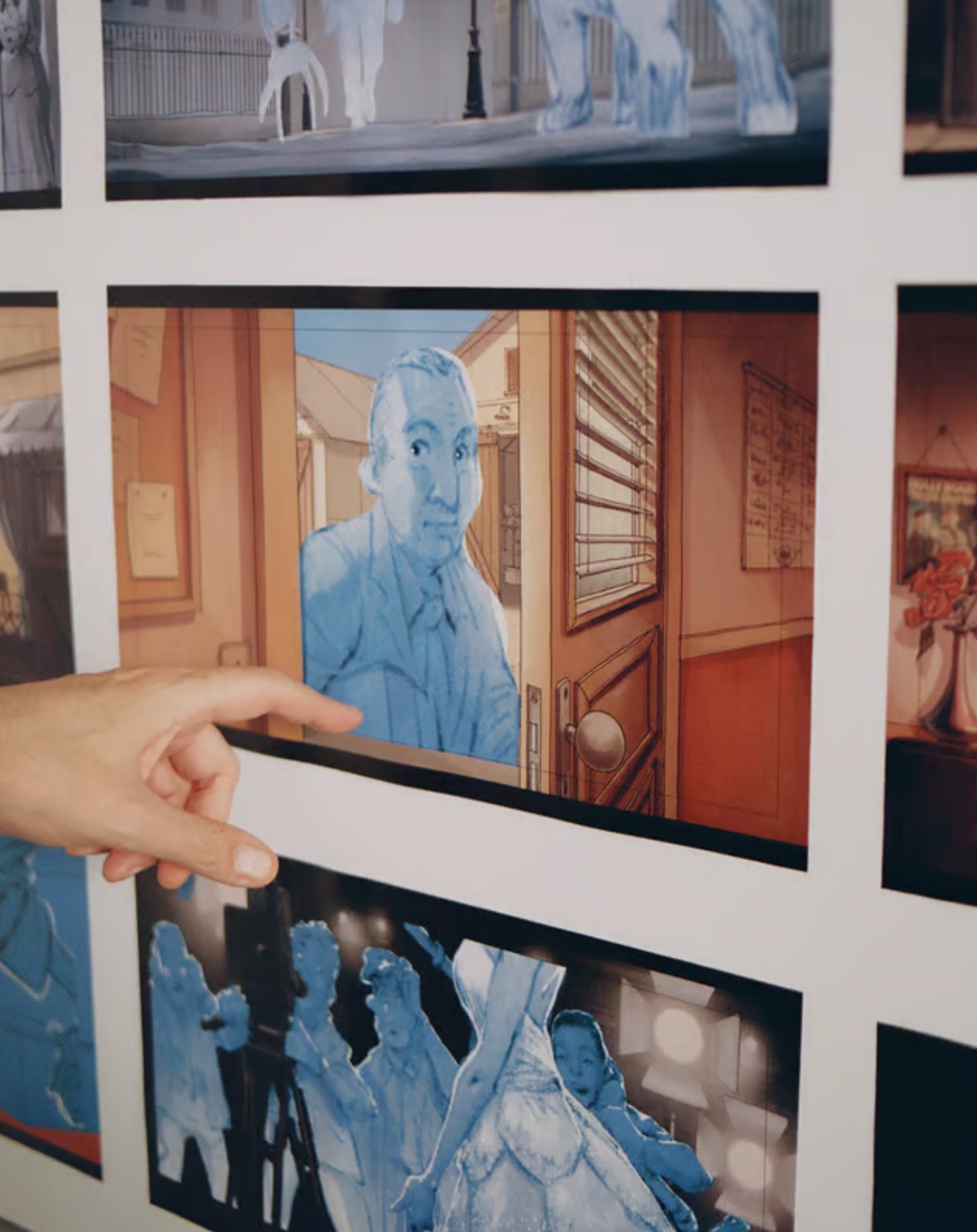
For “Christian Dior’s Night in Color”, the team has resorted to drawing and animation techniques used during the 1940s, working on the characters separately and subsequently composing the scenes on the illustrated backgrounds. An artisanal process that, as Chomet explained, has required months of work.
Jonathan Anderson has noted that he discovered the filmmaker’s work when he was a university student, through “Welcome to Belleville,” and that he has admired his work ever since. The designer highlights that the film made for Dior is completely hand-drawn and uses traditional procedures to construct a story especially suitable for Christmas.
For his part, Chomet explained that his intention was to contribute a poetic dimension to Dior’s universe through animation, a language that he considers capable of connecting with childhood memories and imagination.
The Dior campaign comes a few days after Prada presented “Drawing Prada: Animated by Hand”, its Christmas proposal developed with the participation of John Pomeroy, a veteran Disney animator who worked on films such as “The Rescuers”, “Pocahontas” and “Treasure Planet”.
In its case, the Italian firm has combined real images of actors such as Sadie Sink and Maya Hawke with fantastic settings and creatures created through traditional illustration. Dior, on the other hand, has opted for an entirely animated universe and to recover the aesthetics of mid-20th century cinema.
Although their narrative approaches are different, both brands agree on placing artisanal technique at the center of their Christmas campaigns. Thus, the coincidence between Prada and Dior allows us to identify an emerging preference for traditional visual languages within luxury Christmas advertising, anticipating what could become a trend for this year in the sector.
From short films to shop windows and collections
The film is also part of a broader strategy by Dior to strengthen its ties with entertainment and bring its stories to different touchpoints with consumers.
The characters and settings created by Chomet will extend to the windows of Dior stores around the world, while the collaboration also materializes in a Christmas gift collection that includes clothing, accessories and home items.
In this way, the firm establishes continuity between audiovisual content, the in-store experience and its commercial offer.