“Designed for travel, wherever it takes you“This is how Colacao and the sports fashion brand Tropicfeel have presented the capsule collection they have developed together, united by their ambition to inspire consumers to enjoy every moment, discover new places and live with energy. The Camino de Santiago has inspired both clothing and promotion, thereby generating a new debate on the commodification of spaces and experiences.
The collaboration materializes in a t-shirt, and some trekking shoes and two mountain backpacks that, at the moment, have not yet been put on sale, as shown on the website created for the initiative. However, both brands have already made it known through their digital channels and profiles with photographs and videos set in the natural environment and under codes that evoke the enjoyment of adventure. They assure in their pieces that the collection has been “created to accompany you in every moment, every detour and every discovery along the way”.
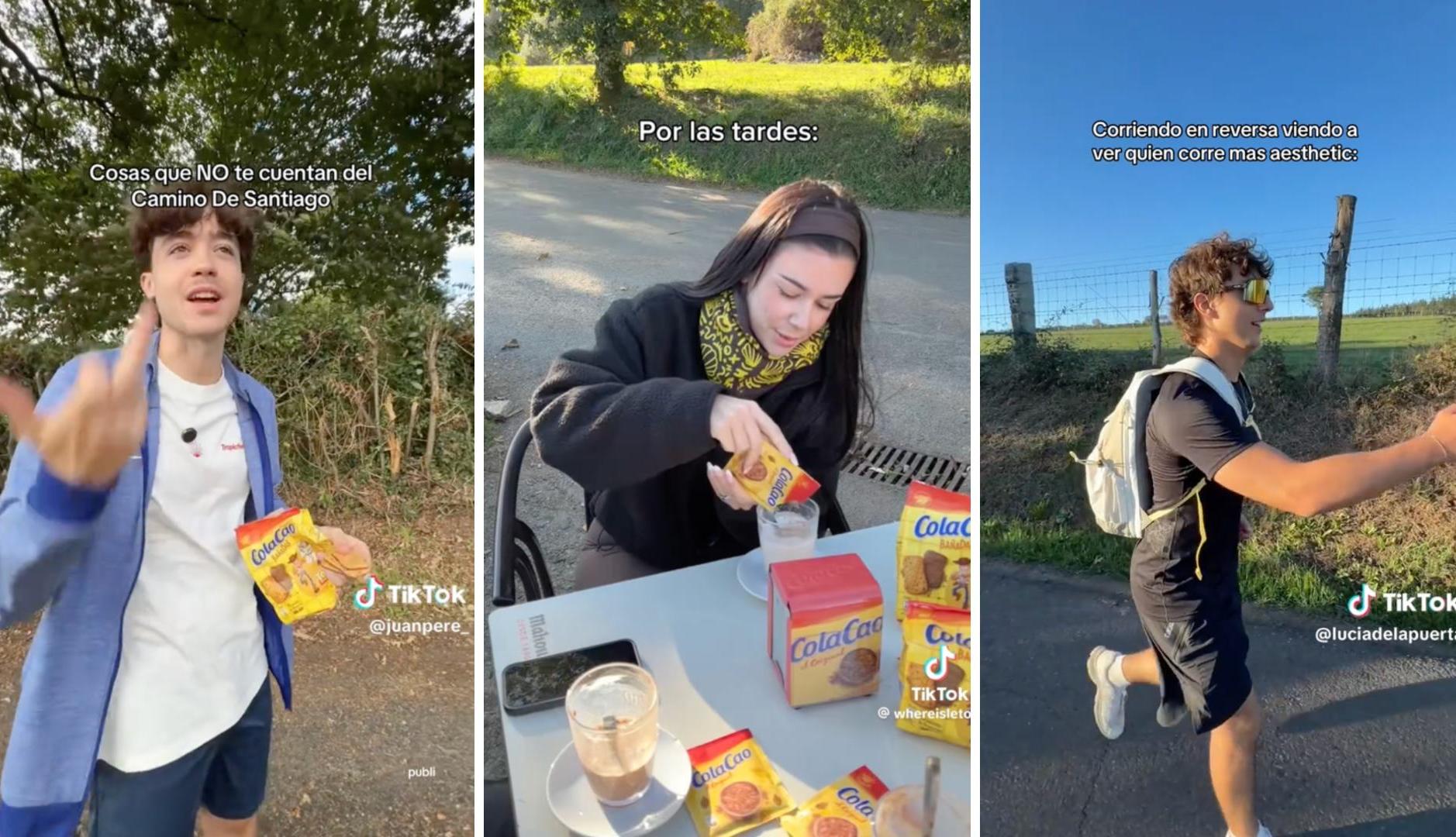
In addition, Colacao has carried out a special action together with a group of the twelve most popular influencers and content creators among generation Z. Among them are figures such as Mónica Morán (@monismurf), Carla Flila (@carlaflila), Lucía de la Puerta (@luciadelapuerta), Juan Pérez (@juanpere) or Pablo Vera (@pablovr11); and in total, they exceed 30 million followers on social networks.
The brand has invited you to complete the last stages of the Camino de Santiago, tracing a route of approximately 100 kilometers along the French road, the busiest, from Ferreiros to Santiago de Compostela. Over the course of four days, both the brand and the creators have shared their experiences and experiences with their respective communities.
As Colacao’s Instagram account reflects, the influencers have taken the journey together, and shared fun moments at the stops. All of them have worn the clothing and accessories from the collection, as well as other merchandising items that have been part of the initiative. Likewise, on several occasions they have appeared enjoying the brand’s star product.
For their part, the creators have generated multiple publications recounting the adventure, from the usual pains derived from walking the path to dances to the trending songs or video blogs of each day. They have also shown moments of their coexistence, as well as the moments of reflection and inspiration that the experience has generated in them.
Although the general reception of the initiative has been positive, with a large part of the audience highlighting the effort made by the protagonists to reach the goal, Colacao’s action has also once again put on the table the impact of the brands’ incursion into the rural environment or heritage. Whether through comments on posts or organic content, some users have criticized the brand for monetizing culture.
He considers that Colacao’s initiative “prostitutes” the Camino and distorts the transcendental, spiritual or religious meaning of walking it. They also negatively value the superficiality of the content generated and the deliberate avoidance of making reference to Galician history or culture. “As a Galician that I am, I would be ashamed to pay influencers to do the Camino de Santiago“, commented a user on X; while another, on Instagram, pointed out that “There are ways to advertise, and this is not one of them.In addition, some make known their intention to stop consuming Colacao to bet on the competition, Nesquick.
This reaction to the campaign is understood in light of various social movements and currents of thought that have swept our country in recent months. The rejection of mass tourism, especially in stressed territories; the supposed “fall of influencers” and the fatigue of users with content of little value; or advertising saturation, also in the external environment, are some of them.