The bottle contour Coca-Cola is one of the most recognizable visual assets in the history of consumption. Its silhouette, originally presented in 1915, has functioned for more than a century as an almost autonomous identifier of the brand: it does not need a label, color or context to be recognized. However, even the most established icons can encounter cultural barriers when faced with certain consumer habits. And in Southeast Asia, Coca-Cola has identified one of them.
The result is a functional utensil, made of stainless steel and suitable for food use.
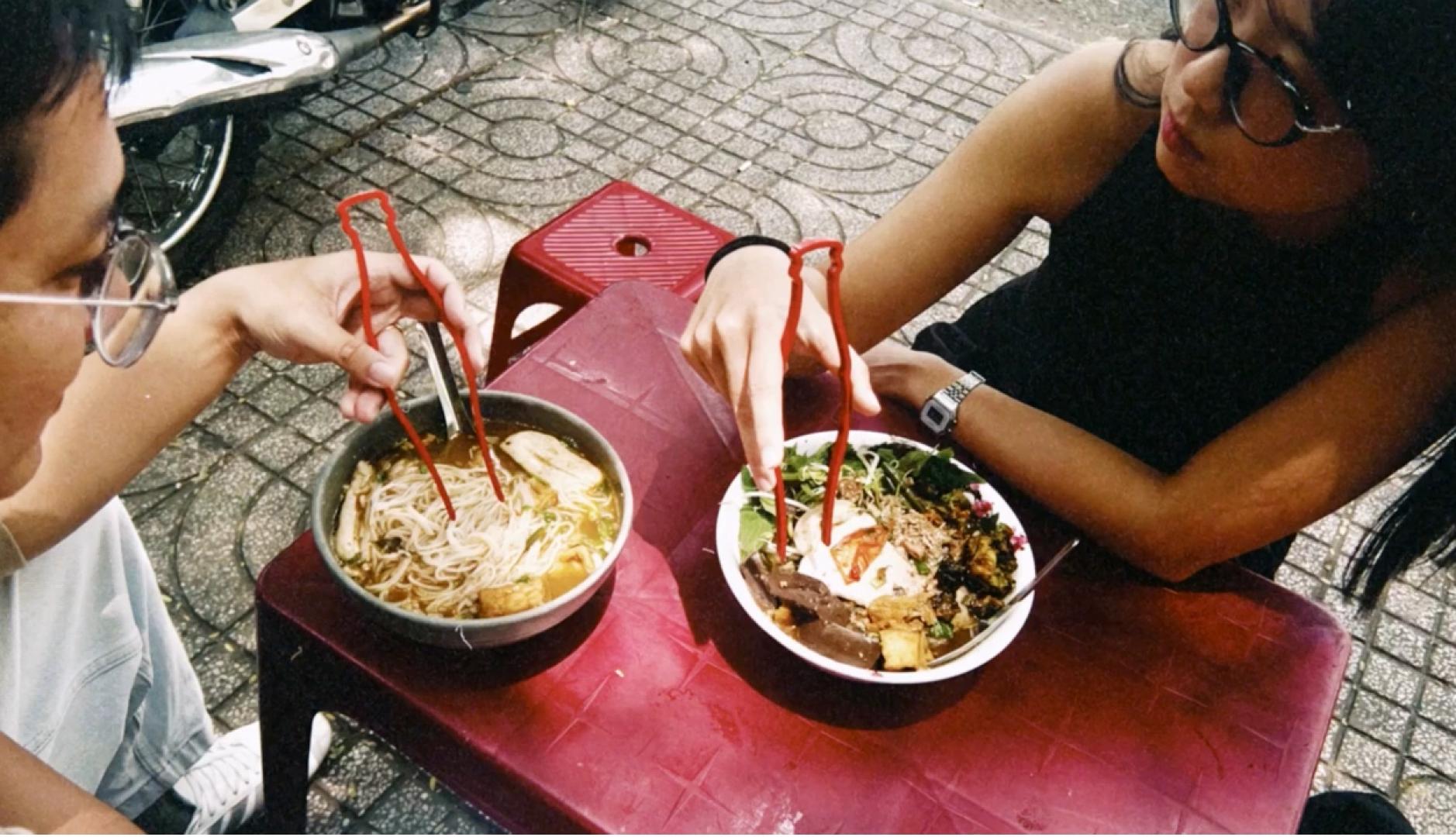
The company has launched, together with Ogilvy Vietnam, “Coke Sticks”, an action that redesigns Asian sticks taking as reference the shape of the iconic bottle contour. The result is a functional utensil, made of stainless steel and suitable for food use, which transfers the curves and proportions of the container to an object typical of the local gastronomic ritual. And although the Coca-Cola bottle is a global symbol, in many Southeast Asian markets the brand is not always part of the dining occasion. In this context, the dominant icon is not the bottle, but the chopsticks.
Thus, the proposal seeks to integrate and, through “Coke Sticks”, a humble, tactile object deeply associated with Asian food culture is taken, to reformulate it from Coca-Cola’s brand assets. Each proportion, finish and grip area has been worked on so that the chopsticks function as a real utensil, but maintain a recognizable relationship with the contour of the bottle. The piece even incorporates a shape designed to favor the natural placement of the fingers, so that visual identification does not compromise functional use.
The “Coke Sticks” have been distributed in restaurants, food stalls, catering centers and delivery containers in different markets in Southeast Asia. According to the data communicated with the campaign, the initiative reached 88,300 diners through organic reach, nearly 500,000 people through outdoor advertising and approximately 700,000 diners in total.
The campaign connects with an increasingly common trend in the marketing of large brands: turning distinctive assets into cultural and functional objects, beyond their original use. In this case, Coca-Cola starts from a packaging element to build a promotional design piece, but the operation goes beyond merchandising. “Coke Sticks” adapts the bottle to a specific local behavior and inserts it into a moment of consumption where the brand aims to reinforce its presence.