The connection that a person establishes with a celebrity, a character from a book, series or movie, or even with artificial intelligence. That is what the adjective “parasocial” alludes to, which has been chosen by the Cambridge Dictionary as Word of the Year 2025.
As explained by the institution, the term captures the current spirit of the times and is an excellent example of how language changes, in such a way that what was previously a specialized academic term has become popular. They point out that its use has spread as technology, society and culture are transforming.
It dates back to 1956, when two sociologists observed that television viewers formed emotional relationships with characters on screen.
The word “Parasocial”, as detailed in the Cambridge Dictionary, dates back to 1956, when sociologists Donald Horton and Richard Wohl, from the University of Chicago, observed that television viewers formed emotional relationships with the characters who appeared on screen, similar to those they formed with real family and friends.
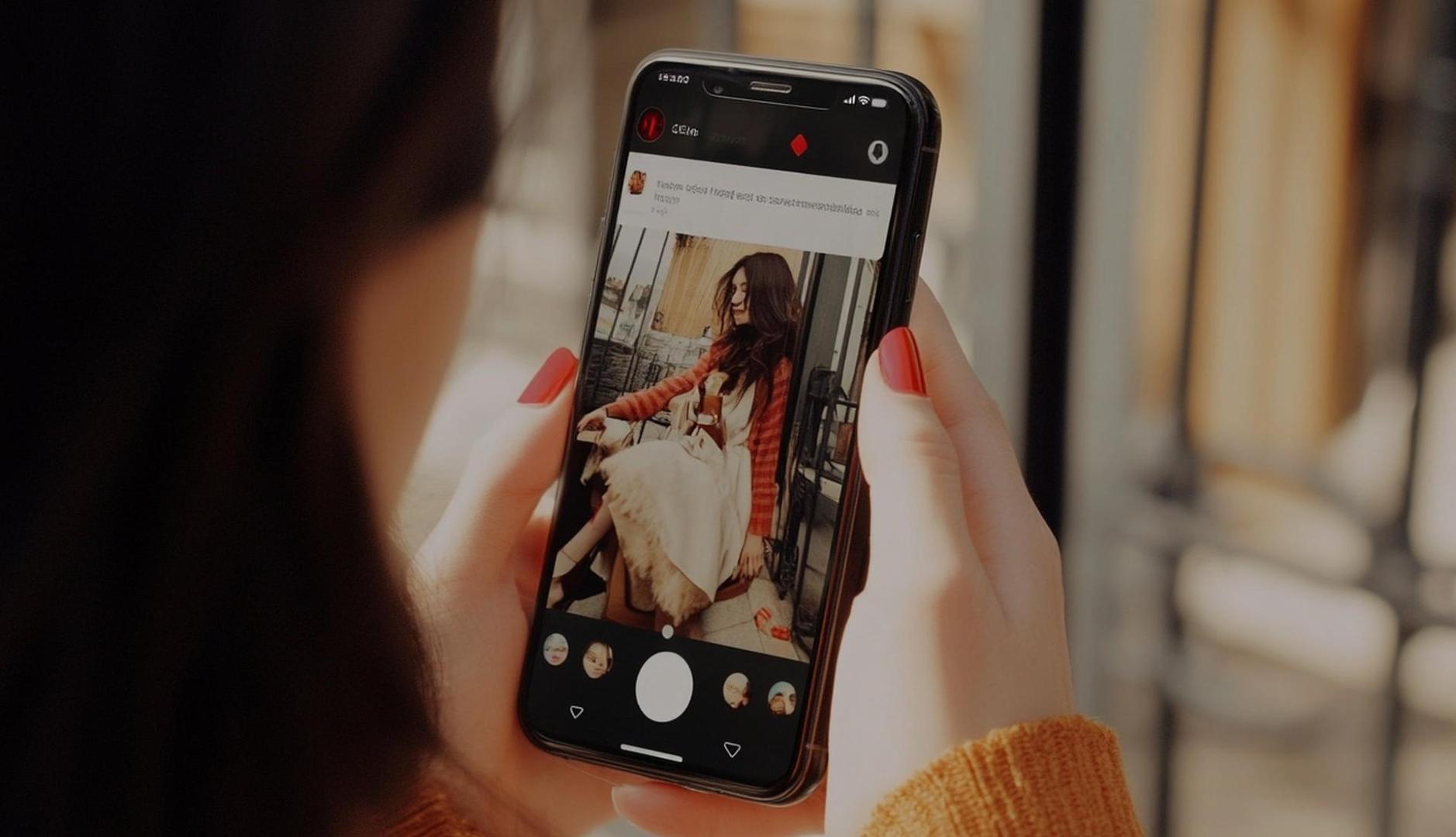
They pointed to how the rapid expansion of television brought the faces of actors directly into viewers’ homes, making them regular figures in people’s lives. Decades later, this phenomenon has become even more common as a result of the consolidation of social networks and digital platforms.
As an example of “parasocial”, the entity cites identification with Taylor Swift’s songs as an example, causing millions of fans around the world to develop a connection with the singer, even though the vast majority have never met her. They also illustrate the term with podcast hosts, with whom a “parasocial” relationship sometimes develops through regular listening.
“As trust in traditional media wanes, people turn to individual personalities as authorities and, by spending many hours consuming their content, develop parasocial bonds, treating them more like close friends, family or cult leaders.“argues Simone Schnall, Professor of Experimental Social Psychology at the University of Cambridge.”However, it is a completely one-sided relationship.”.
However, he also gives as an example of this type of connections the one that many users are establishing with artificial intelligence tools, such as ChatGPT. And many people already use them as confidants or even psychological assistants, which has raised concerns among experts.
Other relevant terms in 2025
The Cambridge Dictionary has also highlighted other terms that have been updated or that have been included in the document based on the weight they have gained in the social or media conversation throughout the year. Many are also related to artificial intelligence.
It is about:
- “Slop”: very low quality content on the internet, especially when it is created by artificial intelligence
- “Pseudonymization”: The process by which an individual’s personal information, such as a name or email address, is changed to a meaningless number or name so that it is impossible to identify who it belongs to. It is related to encryption.
- “Memeify” or “memefication”: transforming an event, image, person, etc., into a meme
It has also shared possible future entries in the dictionary, that is, terms that the institution has closely followed and analyzed, observing their use and adoption:
- “Glazing”: refers to the excessive use of flattery by AI chatbots, in a way that seems insincere and artificial.
- “Bias”: refers to the object of excessive devotion on the part of a fan and is used especially among the K-pop community.
- “Vibey”: is an adjective that describes a place with a good atmosphere.
- “Doom spending”: refers to compulsive spending that one cannot afford, to feel better