Mass tourism has become a problem for many destinations. The impact of the activity of millions of visitors a year takes its toll on emblematic places and natural landscapes, endangering their conservation. Some countries apply and study measures to limit tourism in certain enclaves, and even address it in their advertising campaigns. This is what Austria does in its new communication strategy for the winter season.
The campaign is based on the concept of confidentiality agreements, known in the business field as NDAs.
Together with the agency Wien Nord Serviceplan, it has developed “Non Disclosure Austria”, based on the concept of confidentiality agreements, known in the international business field as “Non Disclosure Agreements” (NDAs). The campaign asks tourists to sign the agreement in order to have access to exclusive tips from real Austrians for visiting the country. In addition, it also asks that you keep these tips and your travel experience a secret, under the idea “what happens in Austria, stays in Austria.”
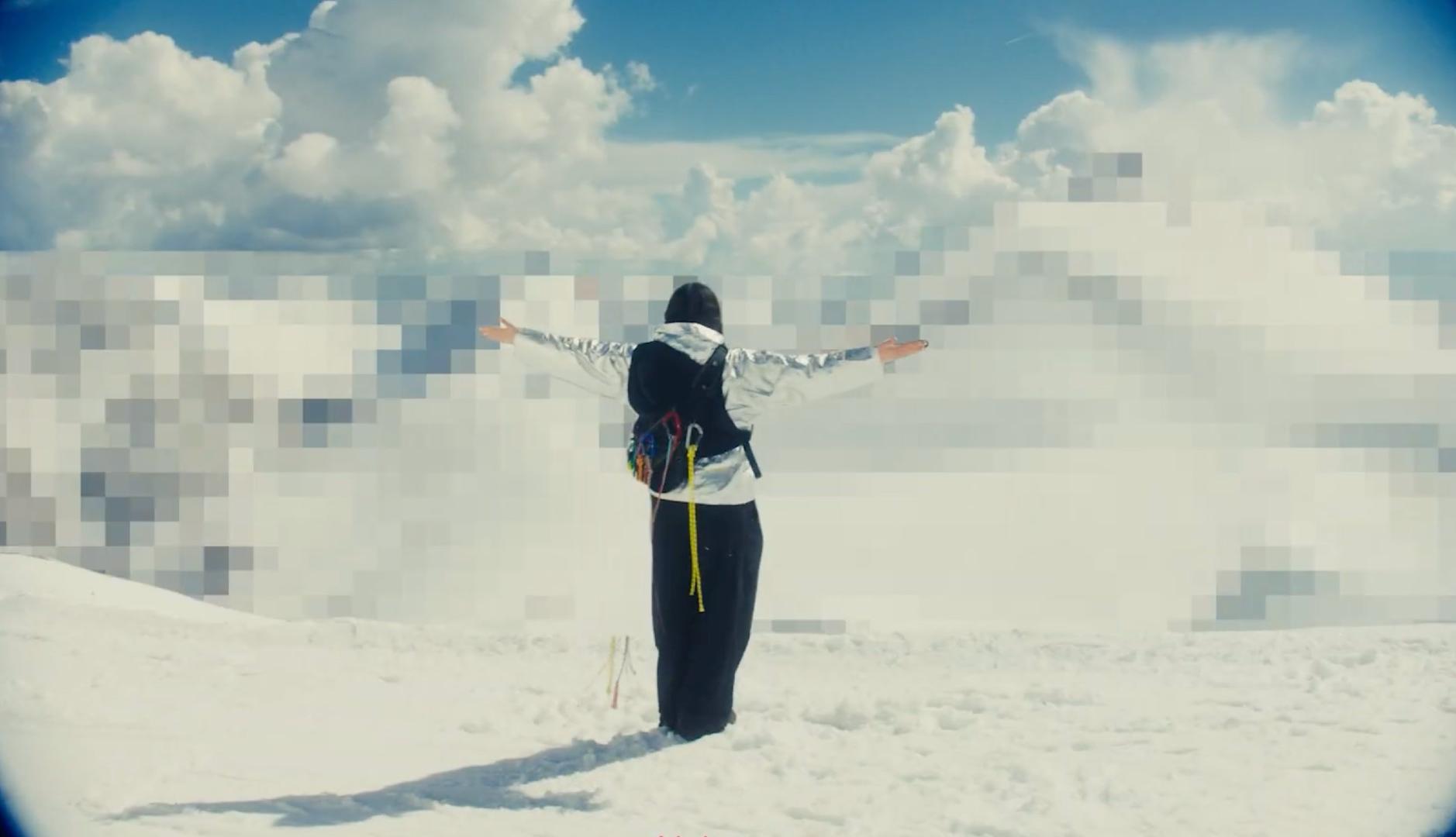
It communicates this in a fun campaign that challenges the conventions of tourist communication, for years focused on showing the most attractive elements of each country to cajole tourists. Austria, on the other hand, chooses to pixelate its most emblematic places, as well as censor their names and related information. By deliberately hiding the beauty of the country, the result is the generation of so-called FOMO, that is, the fear of missing out. The campaign shows viewers just enough with the intention of generating the desire to visit the country in a different way.
The agreement, however, is more of a communication exercise than a practical application, since it is not legally binding, is not enforceable and is intentionally humorous in nature. However, it does expose a moral “obligation” by encouraging reflection on the impact of mass tourism and the overcrowding of spaces, especially natural ones.
Once the agreement has been signed on the enabled website, you can access the proposals put forward by Austrian Tourism and browse several videos in which Austrian citizens offer their recommendations for enjoying a visit to the country in winter. These councils, however, have been selected with the intention of managing visitor flows and focus on lesser-known points in the country to avoid concentrations.
“Today, travelers seek authentic experiences that go beyond typical bucket lists.“comments Astrid Steharnig-Staudinger, General Director of Tourism of Austria, according to Little Black Book. “With this creative approach, we want to showcase Austria’s lesser-known attractions with humor and help disperse visitor flows.”.
The campaign has been launched in key European markets, including Germany, the Netherlands and Denmark, and includes collaborative influencer activations and outdoor advertising. Specifically, a tarp has been deployed in Cologne featuring a pixelated advice on the Austrian winter and a giant QR code directing to the signing of the agreement.
More info.: Non Disclosure Austria