Atlético de Madrid is growing beyond the borders of football, a momentum that the club wants to take advantage of to expand its presence to other contexts. One way to do this is Mr.Red, the internal marketing and creativity agency that has just been presented to the market and with which it aspires to become a partner of those brands that want to be linked to the sports industry.
A few hours after the announcement of the project, from reason.Why We have spoken with Claudio Ripullone, Marketing Manager at Atlético de Madrid, about the club’s motivation behind the movement, what this new agency can contribute to the sector, about the trend towards the creation of in-house agencies and the trajectory that has turned the club into an advertising benchmark.
We offer the details of our conversation with him below.
RW. Why launch Mr.Red now? What is the motivation?
We want to take advantage of a moment in which the club is growing in every sense. We must focus on innovation, on having elements that can differentiate us in the context of the sports industry. This is a way of betting on the resources we have internally and creating a structure, which we will develop little by little, with professionals from the world of sports to offer services both to our partners and to other agents who may require support from people who know the sector.
This is important because we operate in a different world from the brands that sell products and services. The football, sports industry, you manage the emotions, the feelings, the passion of the fans. Our focus is to grow there and help whoever may need the club experience.
RW. Tell us about the value proposition, what is Mr.Red going to offer that is different from what other agencies offer?
“We are going to take advantage of all the knowledge we have internally about the world of football”
The idea is to offer the know-how that a major football club can have, both in talent and taking advantage of the structure and experience of Atleti Studios, our internal production company, to create and produce content for ourselves, our partners or other brands. We are going to take advantage of all the knowledge we have internally in the world of football and sports marketing to help leagues, clubs or any other agent in the industry.
RW. Does the launch of Mr.Red mean that Atlético de Madrid is going to work everything with its internal agency?
Doing everything internally is complicated, but at the same time, we will try to have more or less control through our agency. It will depend on each situation. There may be times when we will need external partners, but our ambition is to try to have important internal management. We may work with agencies, but we believe that we have enough resources to try to get work from our headquarters.
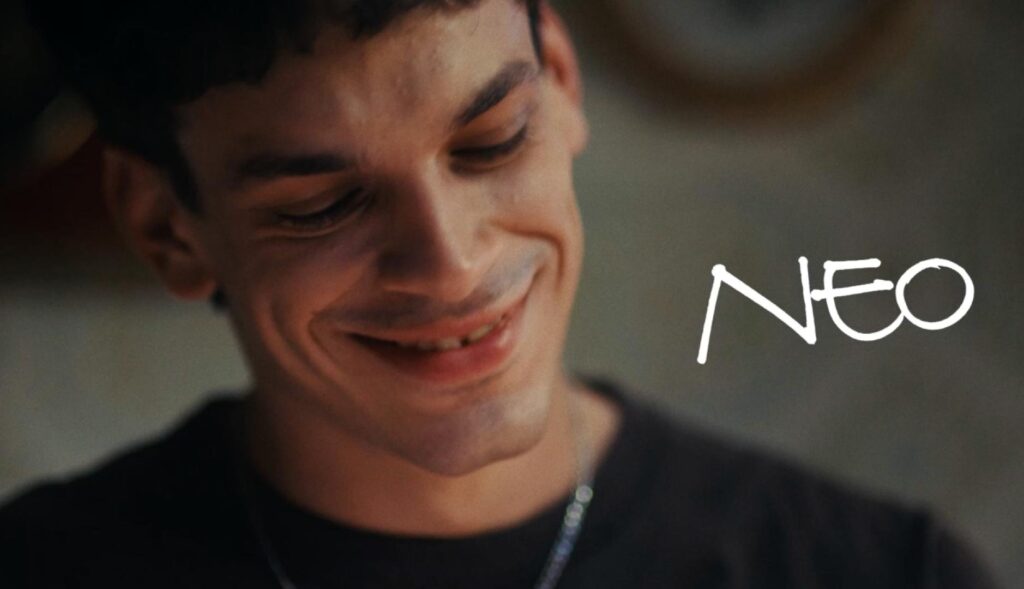
Mr.Red has reached out now, but it is a project we have been working on for a few months. The campaign with the Miami Dolphins is an example of what we can do. The agency’s own presentation campaign was born from there.
We do not exclude any solution, we do not want to have rules regarding what we are going to work on with Mr.Red or with other partners. Nothing is written. I think the most important thing is to get the best content so that Atleti continues to grow also in communication and with the professionals who can best help us.
Mr.Red knows the club and we are in a privileged situation to help our partners, who want visibility, awareness, association with the club. The objective is to help them to have content and achieve their objectives, to take advantage of our power at the communication level so that they bet on Atlético de Madrid, not only as a club that can offer them a classic sponsorship collaboration, but also to have an engine that pushes them towards their goals.
RW. What does this move mean for Atlético de Madrid?
I think our model wants to be a little different than other internal agencies. Other clubs, and other brands, have internal units that produce content for the club, because they need to produce content on a daily basis. I think that we have a slightly different strategic objective, which is also to create income. It is not only an investment by the club in resources and people to generate content, but there is also an aspiration to function as an agency abroad, have clients and offer them services. The intention is to develop a system that can be sustainable, not just an investment, and that can bring benefits to the club.
RW. Football, and sports in general, are increasingly opening up to entertainment. Is that what Atlético de Madrid is looking for?
The ambition is to go beyond football, towards entertainment in general, and we do not want to close any opportunities in other contexts. We do not want to position ourselves only as an agency for a football club, but gradually gain credibility outside of sport, in other industries, in other sectors.
RW. We are in a trend of creating in-house agencies…
Nowadays all brands, not just in football, have the requirement to create content, to have immediacy, and that requires direct control of the brand. It is a trend that makes sense to me in terms of having that control, because having internal resources is important in terms of speed, of having approval throughout the flow of an idea that is born, grows, and then goes out through the media outside the club, outside the brand.
It is something that makes sense as long as you have an economic structure that can justify this investment, because it is something that in the end you have to sustain. They are resources, it is an investment, and in our case, we want to achieve a return in the medium and long term.
RW. Atlético de Madrid is a benchmark in advertising. Do you think that this trajectory has positioned the brand, has legitimized it, to take this step?
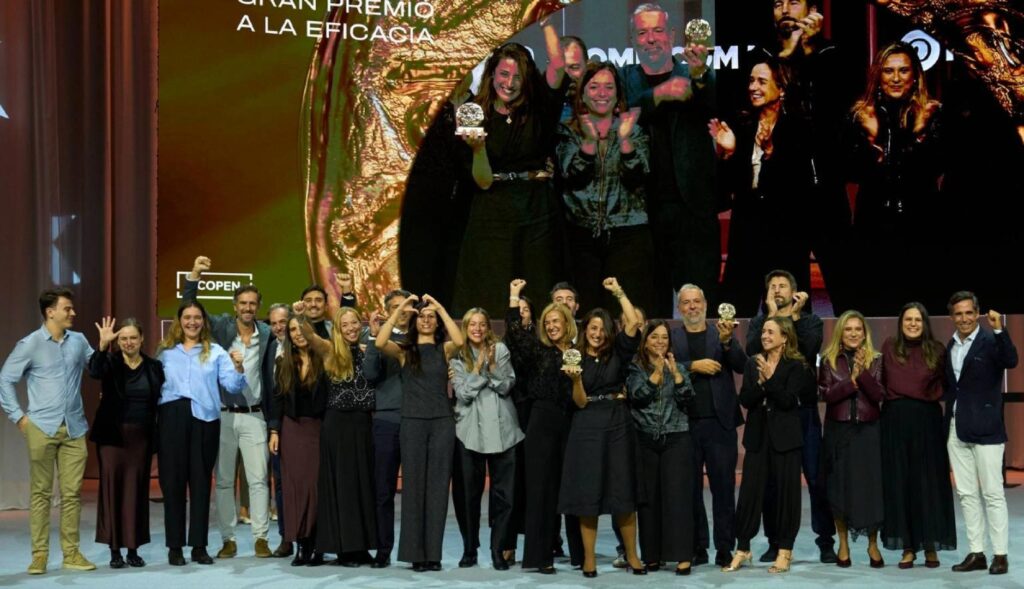
Definitely. Atleti has a way of communicating that differentiates it from other clubs, and not only in Spain, but also at the European level. It has a very strong identity, important values, and that is a good point to start, because having an entire structure at the brand level helps you develop stories, content, to tell the brand well. That has been a good way to be able to create an internal structure, which has gradually raised the level, has adapted to the changes, and has now been consolidated in Mr.Red.
The announcement of the signing of Julián Álvarez or the campaign with Mariano Uriel who treated Alzheimer’s, are stories that come from within Atleti, which can tell the club’s values to the whole world. The objective, for example, is not only to say that we have a sponsor, but to connect with the sponsor, and in the end, all this context is helping the brand to grow, to be able to communicate in a more original, more disruptive way, to have the courage to go a little further, to not be afraid to do new things, different things.
That approach and mentality has had a very interesting impact on a digital level, both in followers and views, and it also helps us to become better known outside of Spain. The advertising career has been very useful to grow, and I think that working with such an important brand and with this type of positioning of values helps to continue evolving, to reach new audiences, and that is very interesting.
RW. What is the roadmap for Mr.Red?
Atlético has a new owner –refers to Apollo Sports Capital, which became a majority shareholder in November-, and we are going to build a new sports city that is going to be very important. In this context, Mr.Red has many opportunities for growth, internally and structurally, and we will accompany the club along the way with our support.