Apple is launching, during the week of the Mobile World Congress in Barcelona, a series of new devices with which it updates its offer. To communicate this, the brand has turned each launch into an audiovisual narrative exercise where rhythm, editing and resources function as a plot. Thus, the product is presented, but Apple builds scenes that translate the features of its phones and computers into a lesson in visual creativity.
The spot for its new, more affordable iPhone is an exercise in audiovisual grammar
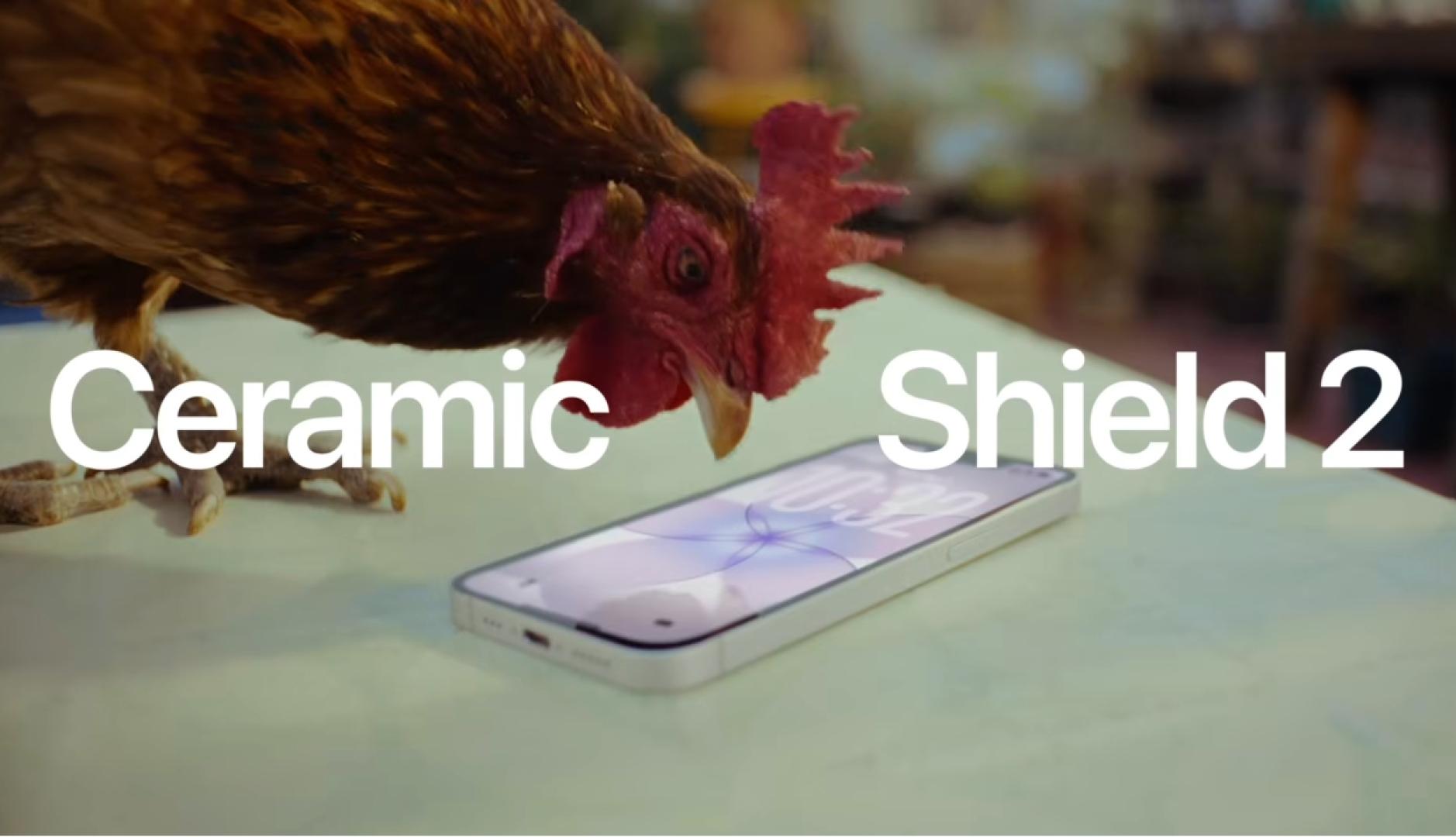
For the iPhone 17e, the Cupertino brand has presented a clear approach towards accessibility without giving up power or capabilities that are usually reserved for higher ranges. This new model is positioned as the most affordable smartphone in the iPhone 17 family, bringing together many of Apple’s key features – such as the powerful A19 chip, a 48MP main camera, optimized battery, MagSafe compatibility and advanced iOS 26 features – in a low-priced device that starts in Spain at €709 for the base 256GB version and will be available in stores starting March 11. 
In the advertisement, the brand deploys a voice-over that narrates in an almost dispassionate tone, as if listing an endless list of advantages, all of these functions: “He has this, and also this, and he can do this, and that….” This deliberately languid enumeration technique creates a contrast between the narrative cadence and the technological richness of the product, transforming what could be a simple features sheet into a narrative that emphasizes value, functionality and accessibility in an engaging rhythm. Under the claim “A whole lot for a lot less”, the advertisement thus plays with language and technical deployment, making the spot itself an exercise in audiovisual grammar that celebrates the competitive price of the iPhone 17e without losing Apple’s distinctive seal.
For the announcement of the new iPad Air, Apple takes advantage of the lightness and elegance of the device – a tablet with a high-resolution Liquid Retina display and a thin design of just 6.1 mm, available in sizes of 11 or 13 inches – to build a visual piece that celebrates that sensation of air and movement from start to finish.
The soundtrack, repetitive and fresh, sets the pulse of the spot, almost like a constant beat that accompanies each visual effect. The iPad Air literally takes off from the bottom of a backpack, floating with a vertical tracking shot that gives the impression of constant ascent. Shot after shot, Apple intersperses everyday elements, such as a drop of water rising, steam emerging from a coffee maker, or a balloon rising, which also move vertically, reinforcing the aerial lightness of the device with each frame. Sometimes these devices are rotated to emphasize that verticality, as when a bubblegum bubble stretches upward before bursting.
The visual narrative culminates when the iPad “lands” gently on a table, closing the journey with the claim “Just Landed.” The set of planes, musical rhythm and movements create a sensation of continuous ascent and freedom, articulating the idea that the iPad Air is not only light in weight, but also in how it integrates into the user’s life fluidly.
In the MacBook Air spot, Apple turns productivity into choreography. The montage advances with a dynamic rhythm and each musical beat activates a change of shot. The camera does not rest; The computer windows overlap, minimize and disappear one after another in a hypnotic sequence. The narrative resource thus serves to visualize multitasking as a natural flow.
Applications close and reopen, progressively revealing that what is underway is a real creative process: sketches, typography, layers, visual references. The user designs, while watching a soccer match, responds to messages and returns to the digital canvas without perceptible waits. Speed is the argument here. And the ad translates into audiovisual language what the new M5 chip promises: power and efficiency that allow you to jump from one task to another with a simple movement of your finger on the trackpad. The narrative demonstrates performance and, in less than a minute, Apple makes technical agility feel almost as if the viewer themselves were working at that speed.
Apple turns the metronome into the starting point for the narrative of its spot for the MacBook Pro. The piece starts with that precise tick-tock. A girl in a library looks at a blank screen and looks like she’s suffering from creative block. But, suddenly, something changes. The pace accelerates and the story transforms into a visual symphony: the fingers begin to write with virtuoso speed on the keyboard and each press sounds like a perfectly tuned piano key. The montage synchronizes image and sound in such a way that writing is compared to playing the piano.
In parallel, another shot shows a boy programming code. He cracks his fingers to continue, like a pianist before a concert. The soundtrack grows; The lines of code appear at the rhythm of the beat and the editing is translated into cadence, speed, harmony… The metaphor culminates with the claim “Our best performance”, an intelligent closing that plays with the double meaning of performance: artistic performance and technical performance.
In the MacBook Neo spot, Apple abandons any technological epic to embrace aesthetics. On a stark white background, “Talk To You” by Daughter of Swords plays and everything revolves around color. Hands of different skin tones, with painted nails, rings and spontaneous gestures – like putting stickers on the device – pass the laptop to each other with attitude.
The Neo in blush, indigo, silver or citrus circulate between those hands as if they were sneakers fresh out of the box. They are personalized with stickers, combined with outfits and, thus, become an accessory. The laptop is light, affordable ($599 starting in the United States) and is built on the architecture of the iPhone, but the advertisement decides that what is truly differentiating is not the chip, but the possibility of appropriating it.
It is a piece that understands the market it targets: a generation that buys technology for specifications, but also for aesthetics and belonging. The MacBook Neo is presented more as a desirable object, nostalgic in its anodized colors that evoke the iPod mini of years ago, but updated for a context where design is a social language.