We receive hundreds of audiovisual impacts per day, so many that our brain is not able to properly process them and the vast majority end up for oblivion. Hyperconnection, unconscious scroll and frenzy of immediacy raise deep challenges for brands and delve into the need to prioritize relevance as a way to guarantee permanence.
About this was reflected in a new meeting of In Real Life (IRL), the project with which Arena Media is exploring how the media and advertising industry configure reality and the way in which people understand the world. Together with the Cultural Research Laboratory Cell Lab, the Agency has carried out a thorough investment to treat different areas.
The meeting addressed the role of image, fiction and realities in the world
On this occasion, the encounter was structured in three blocks of content: the era of the image and the light life in which we live immersed; the world as a show, about the increasingly close relationship between reality and fiction; and reality as drill, about the evolution and success of reality shows. Next, we collect what is raised in the first block, the articles on the other two will be published throughout the next few weeks.
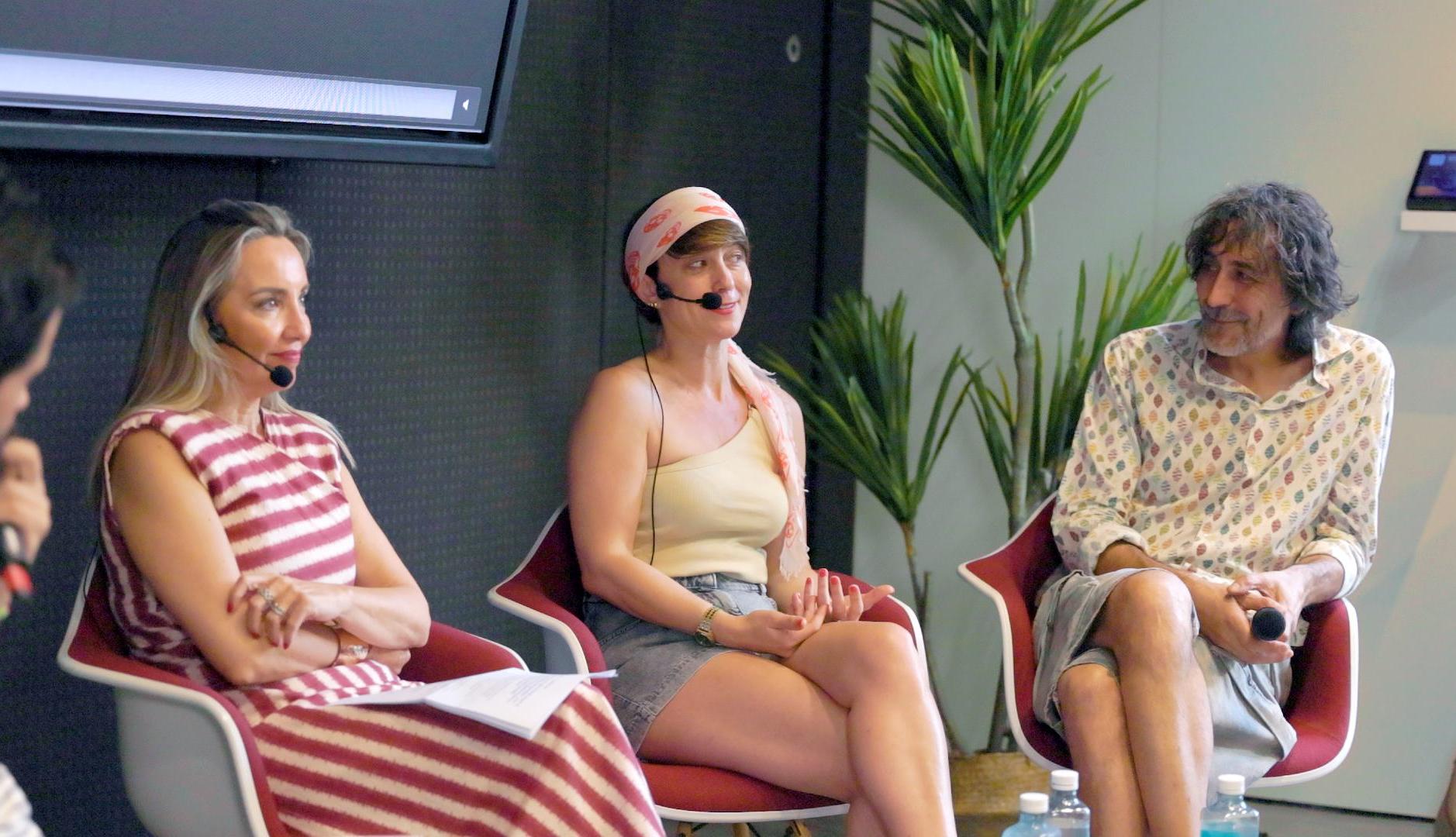
The first debate revolved around the role and impact that image and photography have had and continue to have in an abundant world in this type of content. The invited professionals to reflect on this subject were Ana Robledo, director of marketing and communication at Pikolin; Eva Santos, creative director and consultant; and Eugenio Recuenco, photographer and filmmaker, moderated by Luis, Director of Strategy in Media Arena.
If you want to see the complete conversation, you have it in the following video; Then you will find our editorial coverage with the most notable of this talk, with some extracts of the mights in the face of statements by the protagonists.
Breaking the infinite scroll
The starting point for this conversation was the artistic initiative “Unnoticed intimacies”, promoted by Pikolin at the beginning of this year with the creative Eva Santos and photographer Eugenio Recuenco. With it, the data of a study on the intimacy of Spanish couples were transformed into a series of seven photographs on the different phases that cross personal relationships. The images were shown in an exhibition, which could be enjoyed first in Madrid and then in Zaragoza.
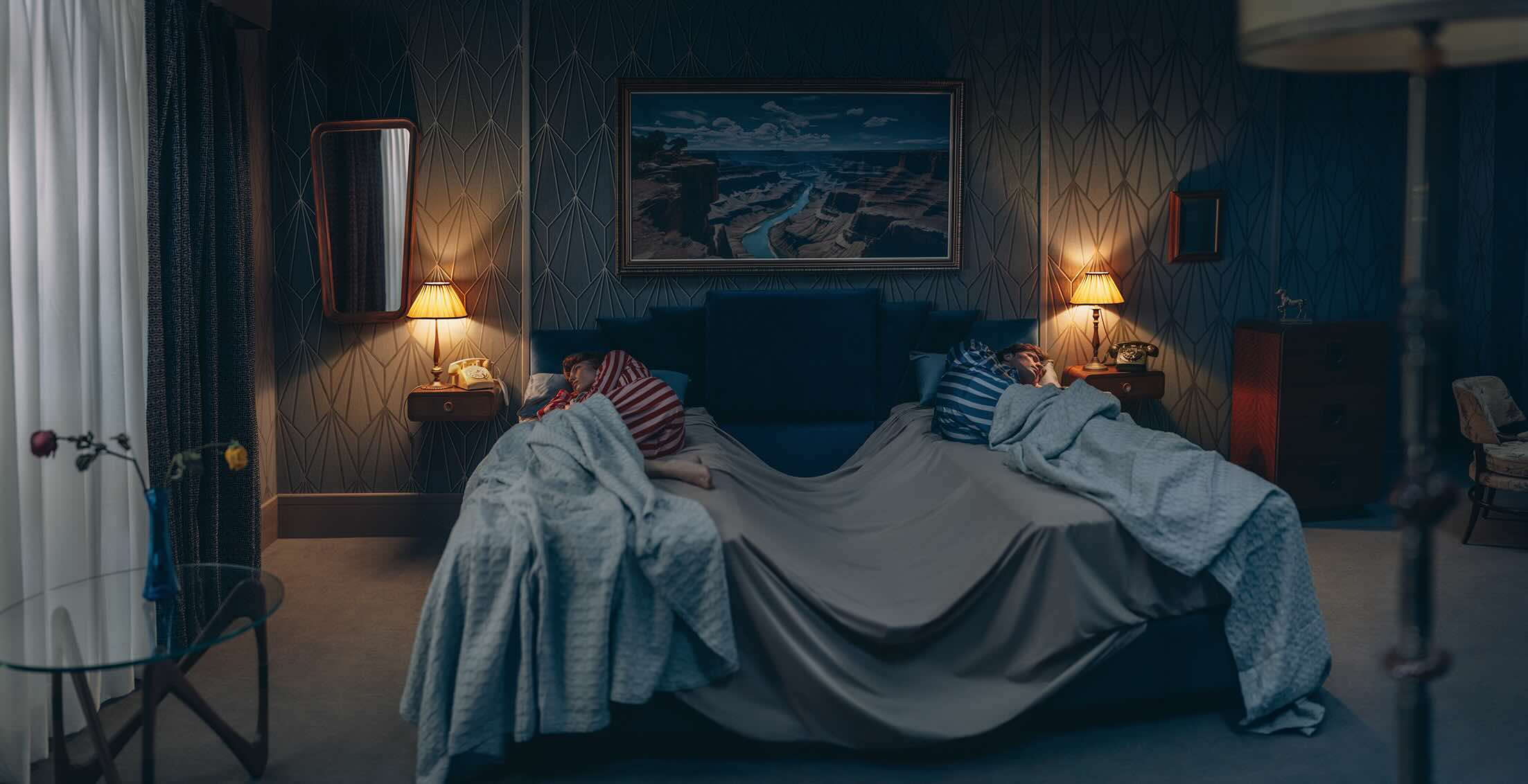
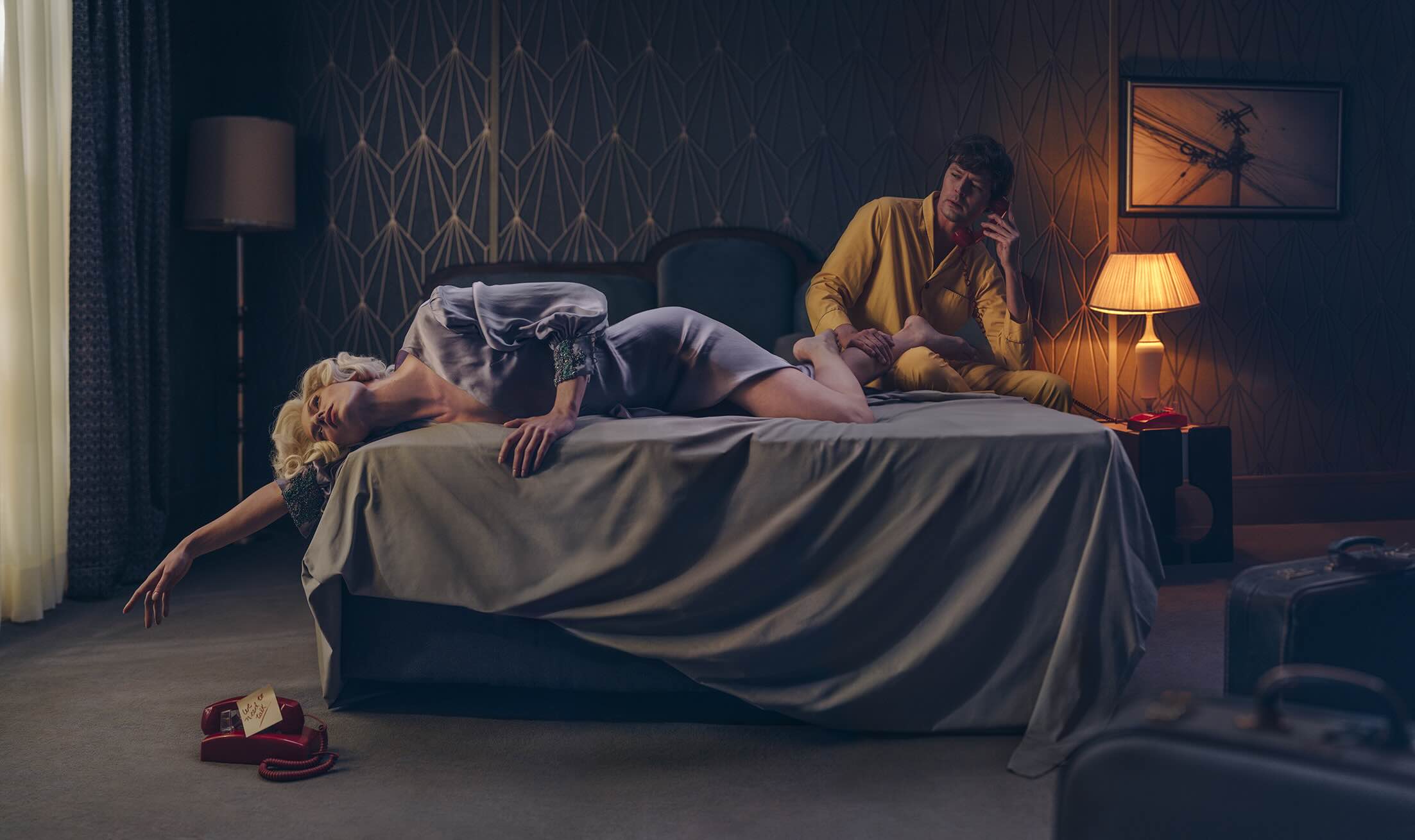
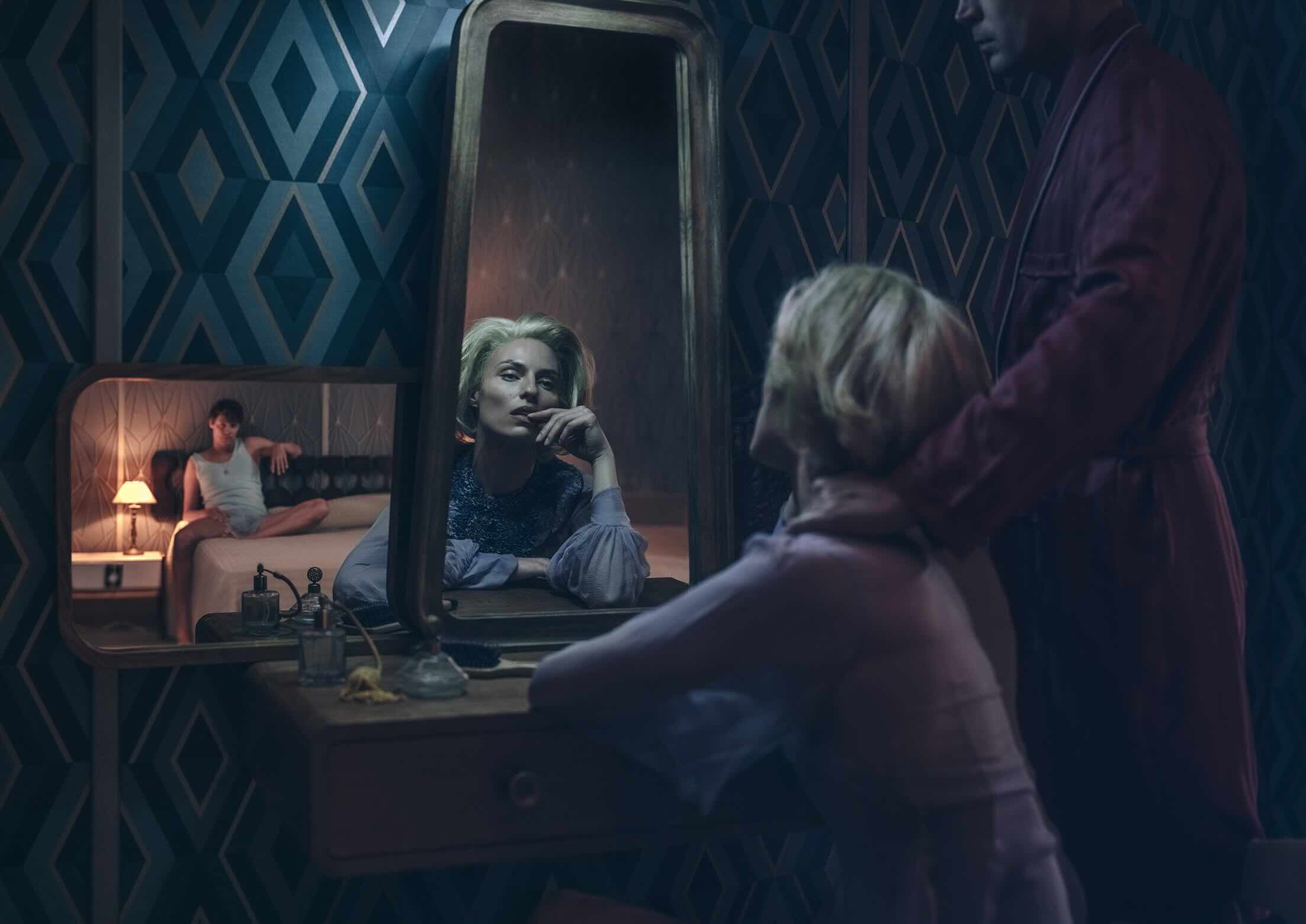
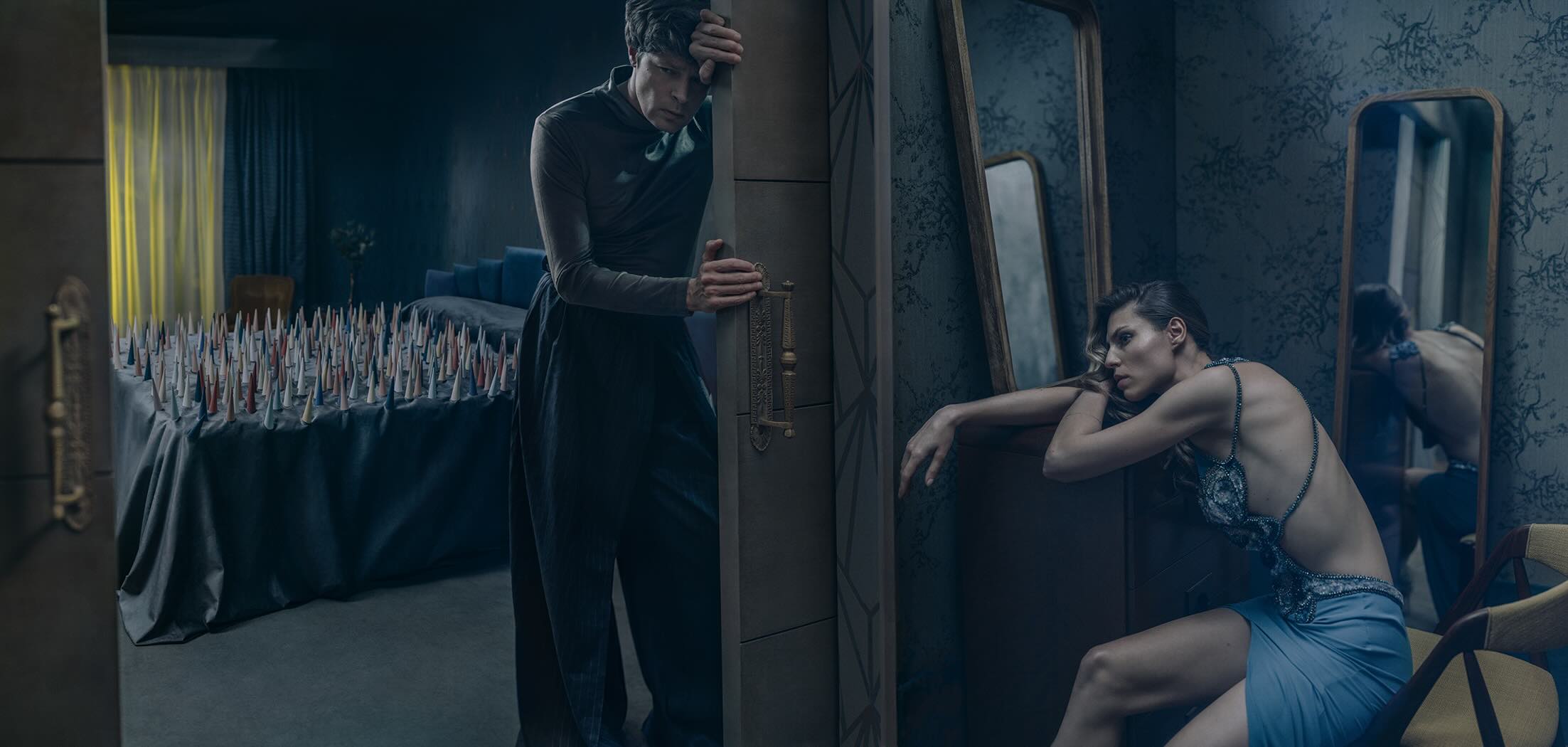
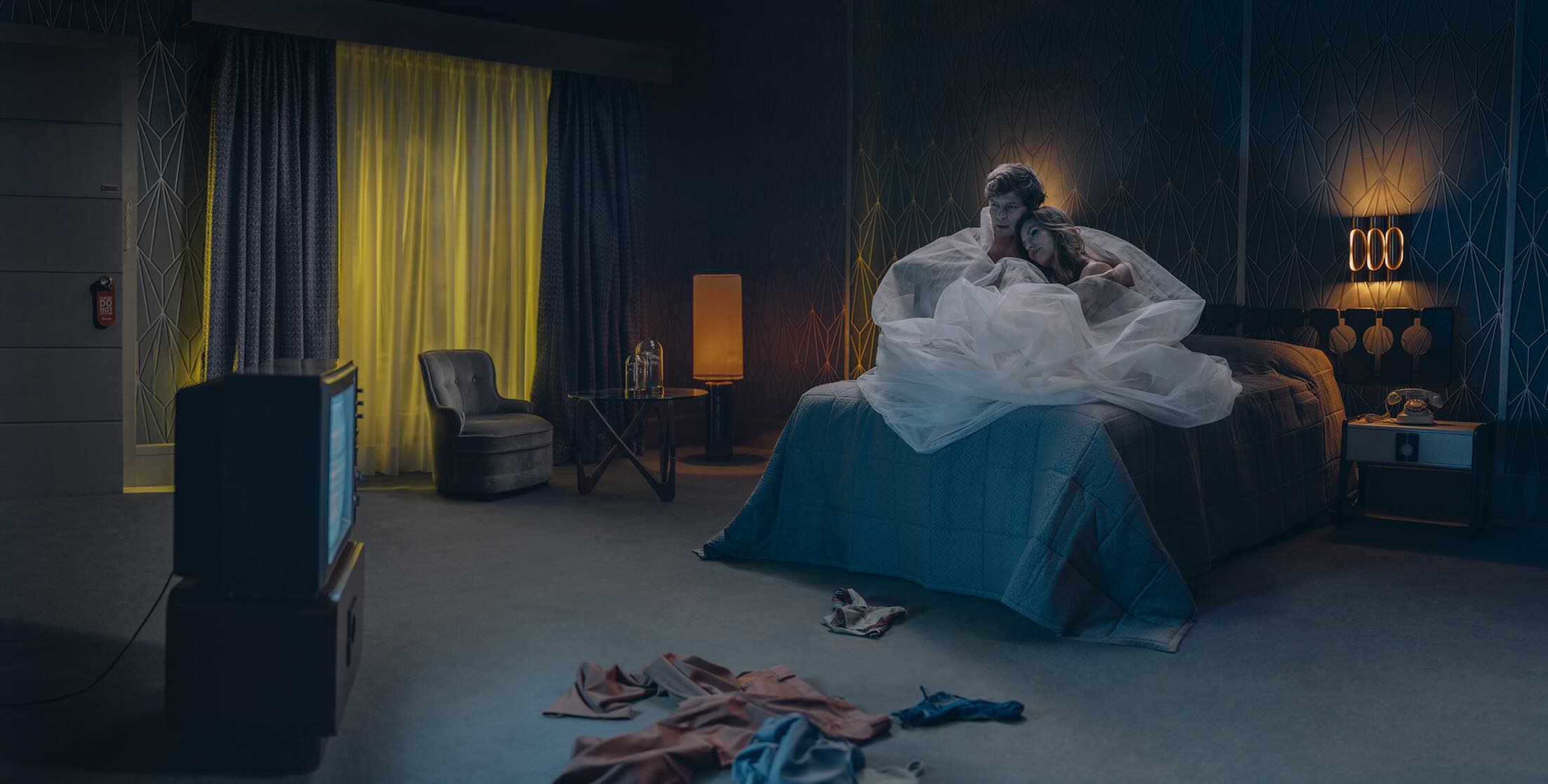
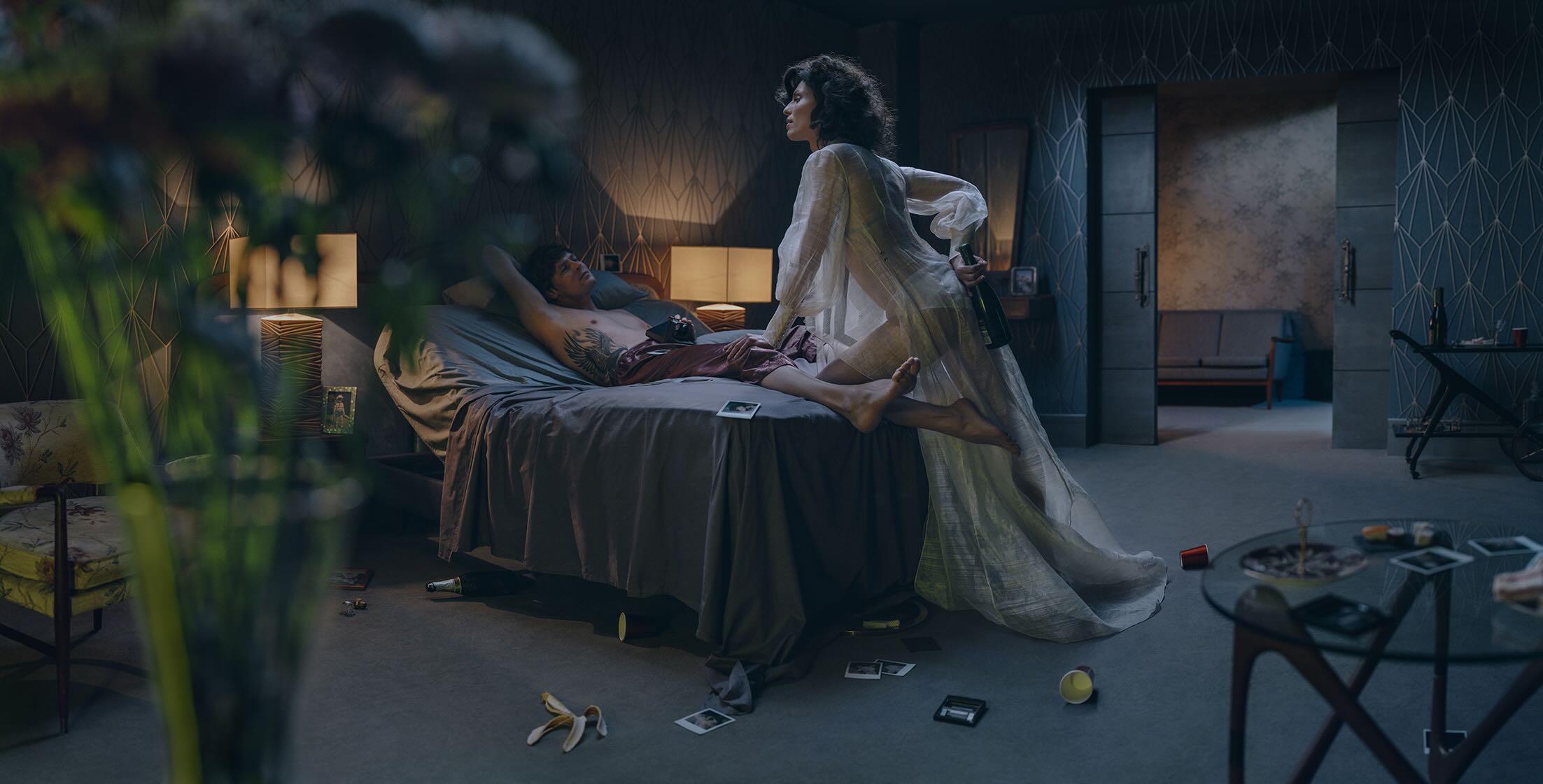
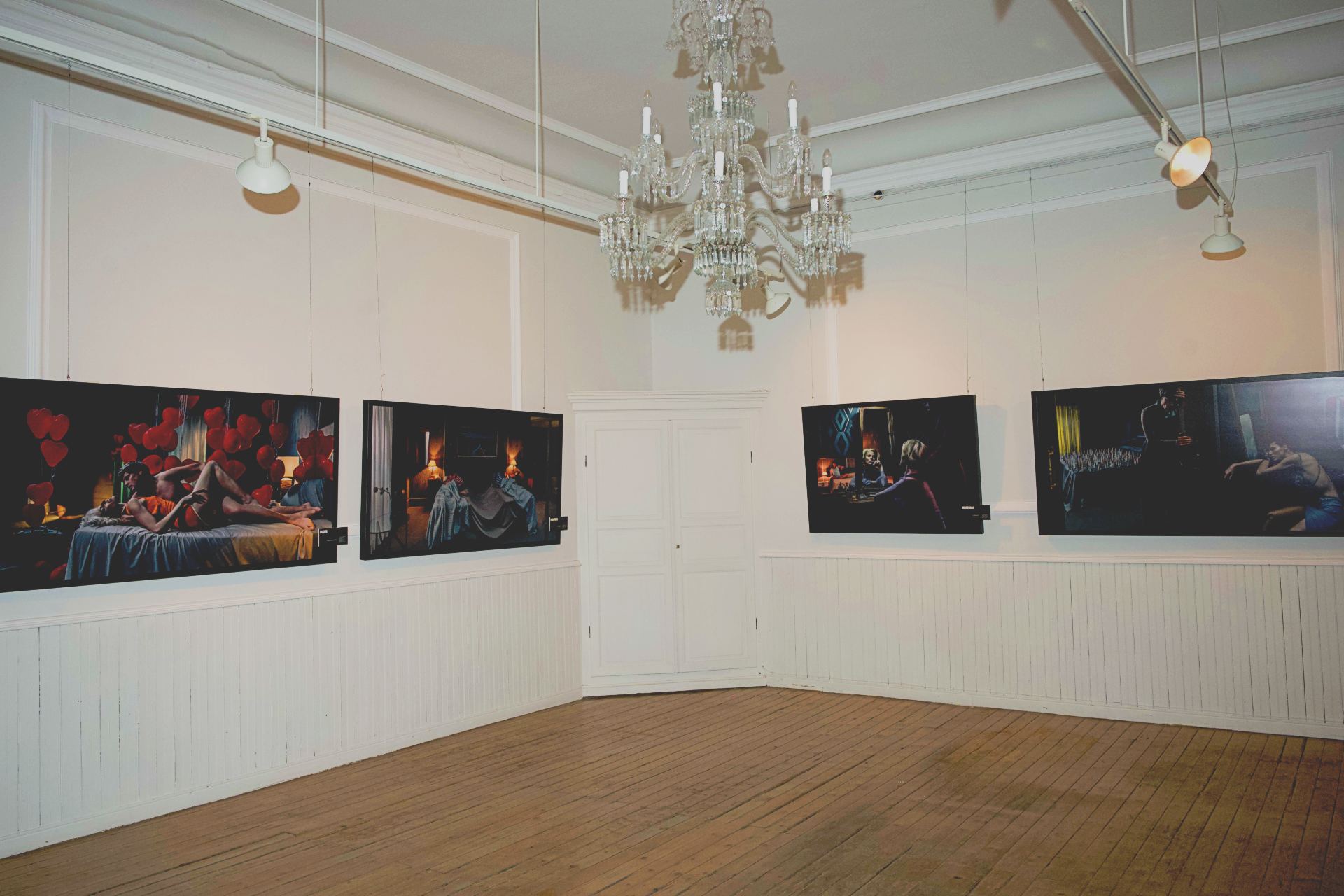
The project, as Ana Robledo pointed out, allowed Pikolin to connect with the audience generating a space and a moment of contemplation. “With this project we understood that notoriety was not so important, as the relevance of what we were doing”Robledo said.“Photography helped us talk about intimacy from pause, from reflection, from suggestion, without giving answers, but opening questions and achieving a much more real connection”
“Unnoticed intimacies” has contributed, according to photographer Eugenio Recuenco, to break the dynamics in which many brands have plunged into the current media panorama, where the “we want to see us, even if we say nothing to them, predominates. This photographic series has succeeded, he said, thanks to his intention to surprise and propose something different, for his invitation to stop reflecting.
The way of approaching the image has been precisely a way to achieve it. “Many times it is not a matter of putting more things on the table, or on mobile screens, but making them different and do not fall into that maelstrom for getting attention”Said Recuenco.“Simply get out of general aesthetics, to work well a concept and transmit emotions”
A reflection motivated by the image
Those responsible for the project agreed that part of the success of the campaign resides in the work process, which has prioritized listening, learning and creativity. The artist has been given space to contribute his gaze and communicate the message and emotions that the brand sought to transmit through the images. For his part, the photographer has worked to collect the personality of the brand and evoke their values without showing Pikolin’s product or visual identity.
Moreover, the photographs showed scenes or situations in which the brand’s product was alluded to in a little aspirational way, but that have contributed, through empathy, to establish a connection with the audience. “Some images were hard and did not show a beautiful side of reality. There has been no censorship by the brand, which shows that it is a real and relevant project”, Said Eva Santos.”What has contributed the image in this case is a moment of reflection, which is something we need as a society. We need humanism and stop to think”
Santos and Recuenco, creative and photographer, praised Pikolin’s courage to boost an initiative such as “unnoticed intimacies.” They stressed that the project was not exempt from risk. Among them, that the interpretation of the conversation about intimacy derived towards sex given the sensitivity or subtlety of the subject; or that users did not identify the brand behind.
Relevance to raise the brand
In spite of everything, Ana Robledo said that the initiative has contributed to value the product, although it is far from being the main axis of the campaign. In addition, he added that Pikolin has historically worked the values associated with its brand and product, such as quality or guarantee, which avoids the need to repeat and remember them in each communication.
“The product accompanies us, but we show it under a higher look”
“We are very proud of our product, but the reality is that talking about it is boring and generates little interest”, Commented the marketing director.“The product accompanies us, but we show it under a much higher look. In this campaign we talk from the bed, which is more emotional, not from the mattress, which is more rational and cold”
Along these lines, the Marketing head pointed out that the project has helped continue building the brand and has promoted its relevance. Although they have not put the product in the center, the imagins transmitted emotion and had the tone and sensitivity of what Pikolin sought to communicate, thus generating a silent conversation with the public. By showing the photographs in exhibition format, mass public has not been impacted as if it had resorted to a great medium but, according to the brand, it has achieved much greater relevance.
And that is, for Eva Santos, one of the keys to navigating in the current saturation and fragmentation context of attention. To this is added a growing tendency to visual homogenization derived from the democratization of generative artificial intelligence tools. According to her, the conversation about relevance should replace the obsession with being seen.
“In recent years it has imported us little that they see us from a position, and only the focus has been put on the volume, when what interests is that a brand is relevant to people and generates something, to be positive”, Argued the creative director.“The relevance, the qualitative, have to gain more weight, especially before the AI, or walk towards a total invisibility within a completely standardized aesthetic”
Reconnect art and advertising
Among the learning that the artistic initiative has left, the participants in the conversation highlighted the creative use of the media. They agree that a spot alone does not work anymore, and that the current panorama requires transverse concepts to multiple formats and many contact points. At the same time, it also reflected on the creative opportunities offered by photography for brands and how it can constitute the epicenter of the projects, and not only one more piece within a 360º approach.
For Eva Santos, the campaign also leaves an interesting reflection regarding the role that brands can play in the promotion and support of the artistic sector. Something that would also serve to reconnect advertising with art and contribute to the differentiation and enrichment of proposals with unique and human perspectives against artificial intelligence.
“Bleasant is an opportunity for the advertising industry”
“Initially advertising lived from art, integrated artists into the process. I think that has to return and brands have a very interesting role to be patron“Said the creative director.”Patronage is a great opportunity for the advertising industry, artists and Spain. We always talk that brands must have a purpose, and that purpose can also be artistic”
Photographer Eugenio Recuenco showed himself of the same opinion and pointed to art as a lever to reverse the trend of the infinite scroll and the ephemeral content. Trust a return to pause and contemplation when communicating. “We must use the media not to throw more water and dilute, but to deliver something that floats and is visible“, said. “The image will still have a powerful role to achieve it”
At the end of the session, from Reason.WHY We talked with the participants about some of the topics discussed. Here we leave your visions about relevance, art or the need to recover contemplation:
If you prefer to listen to the audio this encounter, here we leave it in podcast format: