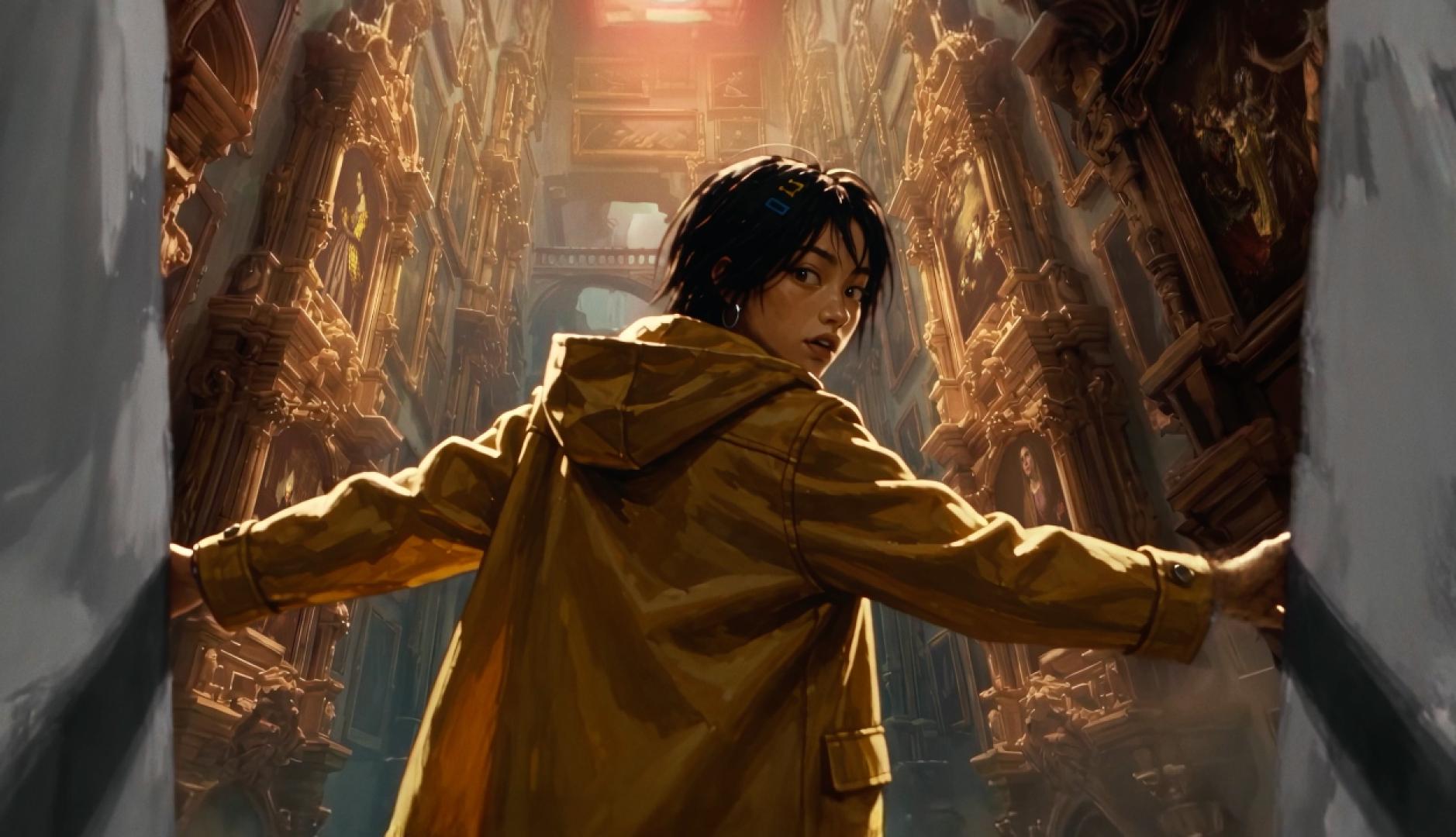
First Andalusia “breaks you”. Afterwards, all that remains is to give up. And now that surrender is transferred to a video game in which the eight provinces function as scenarios that must be crossed until discovering that the only way to win is, precisely, to stop trying.
Andalusian Tourism culminates with “The Surrender” three years of “Andalusian Crush”, the communication platform created together with Ogilvy that, since 2023, has sought to move tourism promotion away from the conventional codes of the sector. The closing takes the form of an animated short of more than five minutes, premiered at the Malaga Comic-Con 2026, with original music by Hans Zimmer.
The piece goes one step further on the universe built during the two previous installments. Andalusian heritage, art, history and the popular imagination are reinterpreted this time through references to video games, Japanese anime, science fiction, cinema and pop culture, giving shape to an adventure starring a young Japanese woman named Mitsuki.
“Andalusian Crush” was born in 2023 with a proposal that broke with the traditional tourist image of Andalusia. Compared to communication based mainly on listing attractions, the campaign presented the territory as an experience of such intensity that it could reach “break” emotionally to whoever visited him.
The voice of Peter Dinklage, an actor known internationally for “Game of Thrones”, accompanied that first piece, built from images of great visual power and a story that presented Andalusian culture as a force capable of causing a profound impact on the visitor.
The campaign later won the Grand National Prize for Creativity and the El Sol Grand Prize, as well as recognition at Cannes Lions, Clio Awards and the Eficacia Awards. According to data released at the time by Turismo de Andalucía, that first delivery exceeded 2.3 billion impressions and was deployed in markets such as Germany, the United Kingdom, France, Italy, the United States, China and Japan.
A year later the second installment arrived. “The Surrender” evolved the concept: after warning of an Andalusia that “breaks you”, the campaign directly invited us to surrender to its cultural, historical and heritage force.
For that work, Turismo de Andalucía and Ogilvy incorporated Hans Zimmer, composer of soundtracks such as “The Lion King”, “Gladiator”, “Interstellar” and “Dune”. Zimmer was in charge of the original music and also participated in the narration of a piece that once again mixed emblematic places in Andalusia with historical and cultural references.
Federico García Lorca, Lola Flores and Paco de Lucía coexisted in that campaign with allusions to Julius Caesar, Napoleon and Orson Welles, while enclaves such as the mines of Riotinto, the Bañuelo of Granada, the castle of Baños de la Encina, the desert of Tabernas or the courtyards of Cordoba helped to build a vision of Andalusia crossed by different eras.
Now, two years after that second part, the idea of surrender returns to close the circle, although the language used to tell it completely changes.
The new “The Surrender” begins far from Andalusia. Mitsuki, a young Japanese woman, takes shelter from the rain in an arcade in Tokyo and discovers an arcade machine that ends up transporting her to another universe.
From that moment on, the structure of the short film responds to that of a video game. To advance, the protagonist must go through different levels inspired by the heritage and imagination of the eight Andalusian provinces.
The narrative reference is Isekai, a genre of Japanese anime built around characters who are transported to parallel worlds. In this case, the alternative universe is composed of an Andalusia reinterpreted as a fantastic setting.
To advance, the protagonist must go through different levels inspired by the imagination of the Andalusian provinces.
Mitsuki advances guided by the Carriazo Bronze, the well-known Tartessian piece linked to the representation of the Phoenician goddess Astarte. From there, each phase adopts the mechanics and aesthetics of different video game genres.
The route turns the Andalusian heritage into a succession of levels with mechanics and aesthetics typical of different video games. Mitsuki crosses a town inspired by the universe of Federico García Lorca and confronts Morcho; travels through the Sevillian baroque like a platform game between works by Murillo, Zurbarán or Valdés Leal; He immerses himself in an Atlantis full of references to Cádiz and Málaga; and crosses the Alhambra and the roofs of the Albaicín through a parkour sequence. Flamenco also adopts the codes of fighting games in “Tablao Battle”, where it faces “The Monk” and his “superquejío”.
The adventure continues through places and symbols such as the Geode of Pulpí, the Censers of Loja, the olive groves of Jaén, Doñana or the arches of the Mosque-Cathedral of Córdoba, combined with fantastic images such as an Iberian lynx devouring a Columbus caravel. The last level takes Mitsuki to the Tabernas desert, linked to the imagery of spaghetti westerns, where a mysterious horseman reveals the key to finishing the game: surrender to Andalusia.
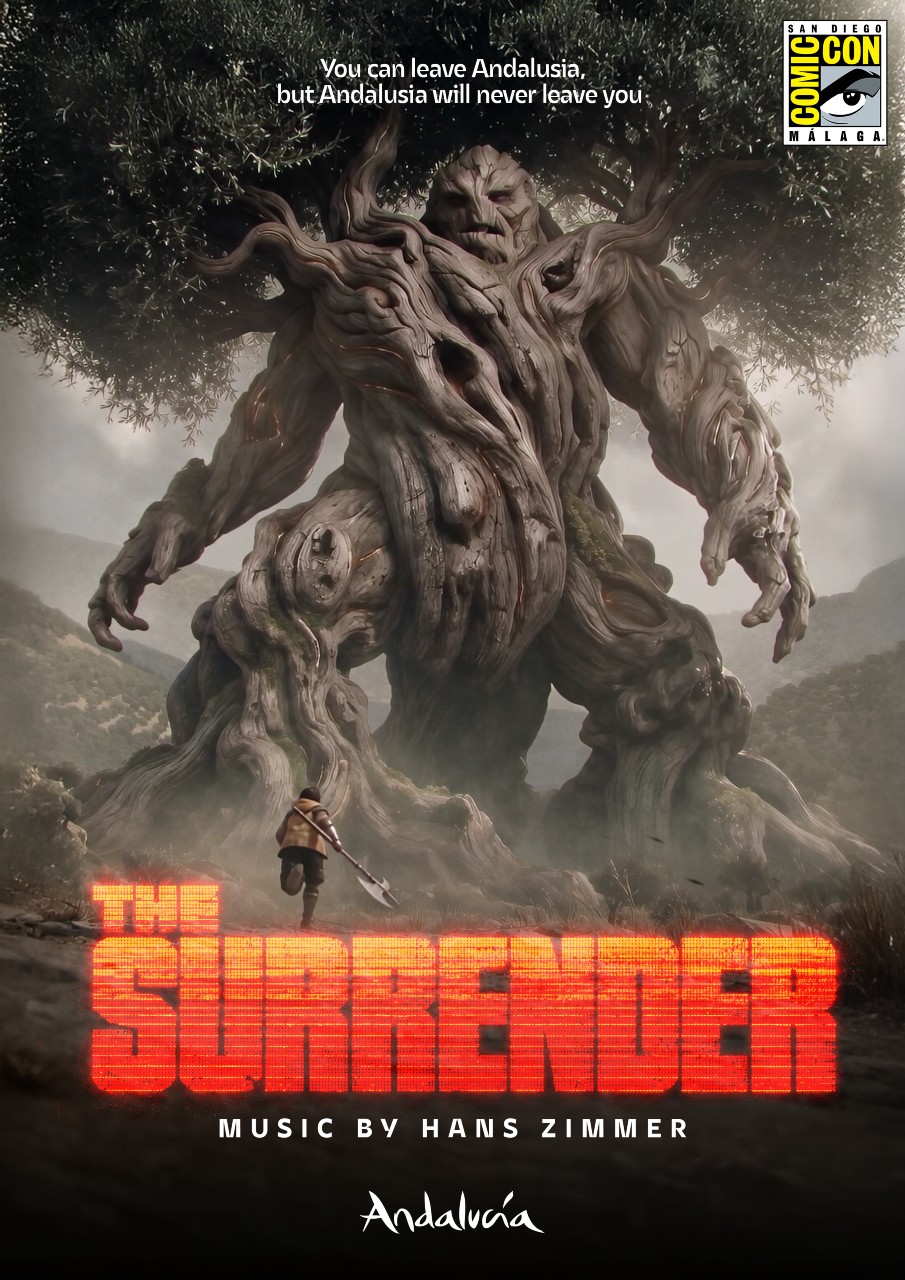
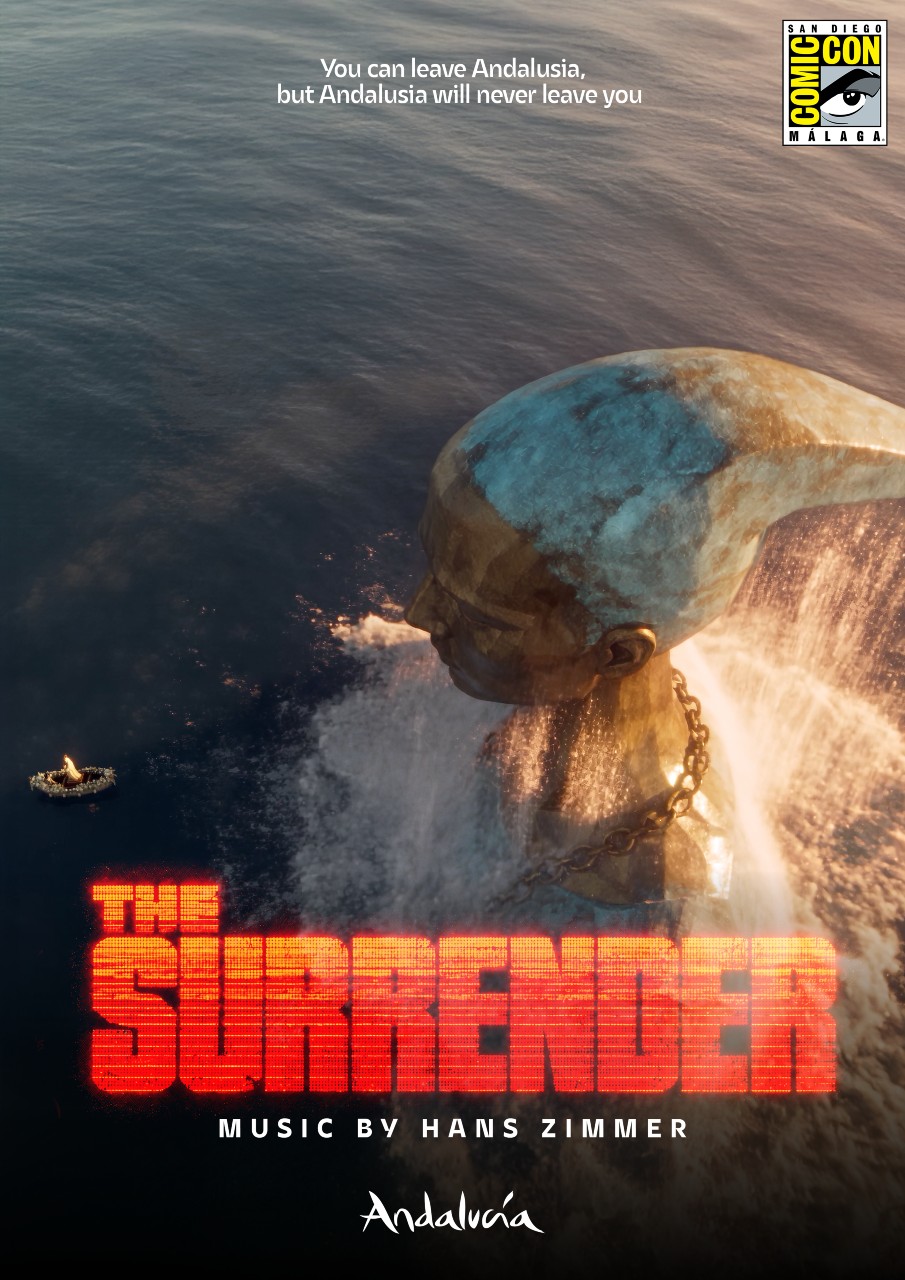
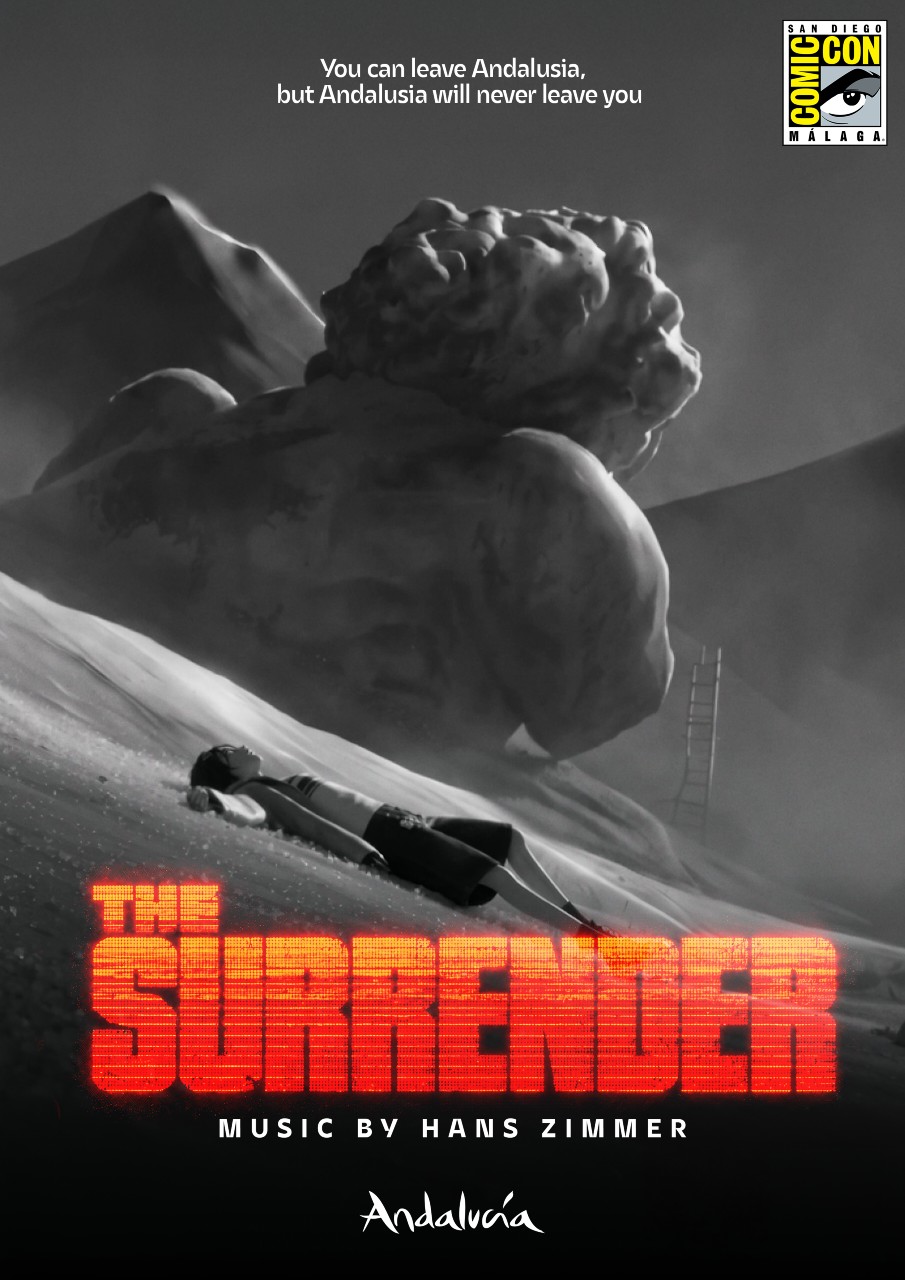
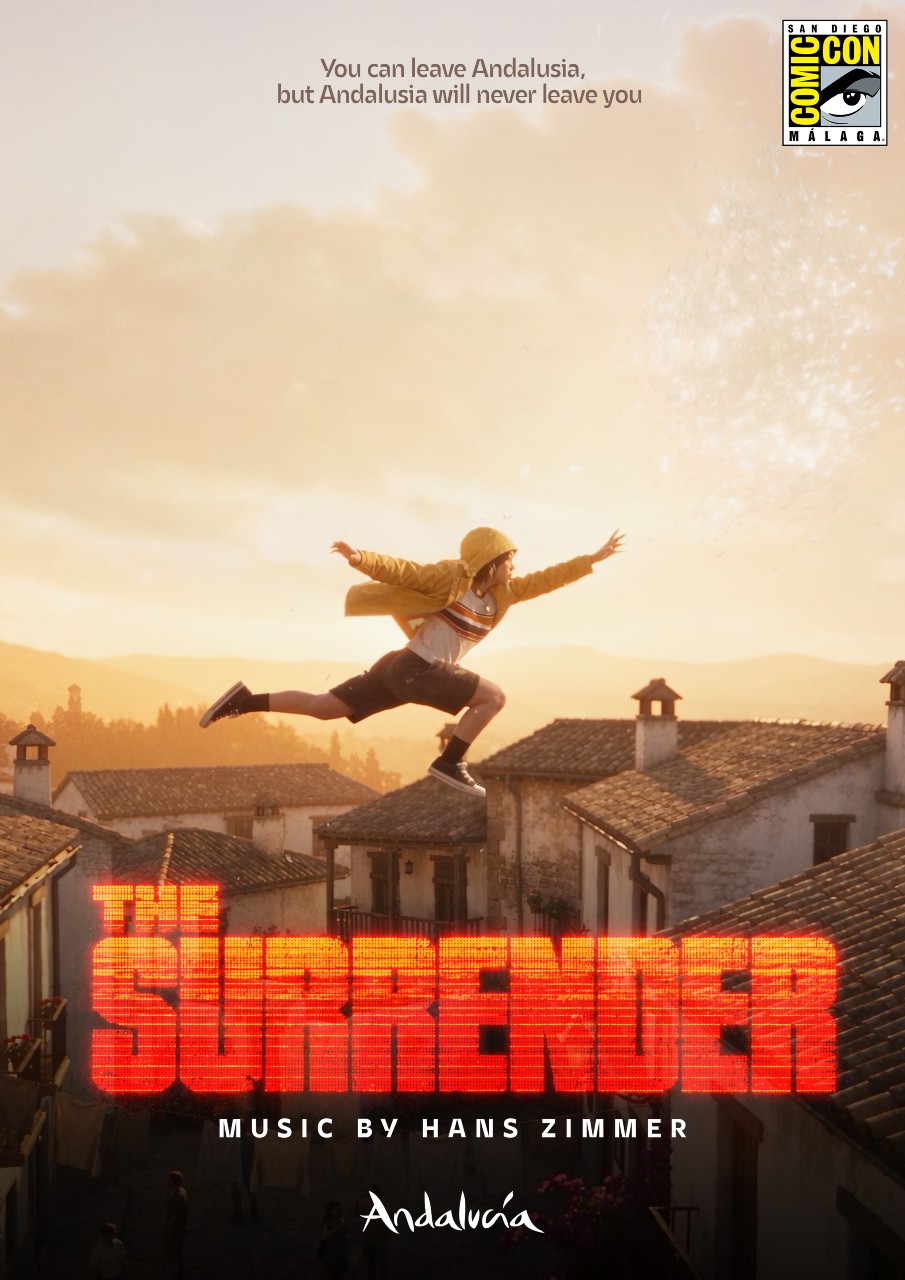
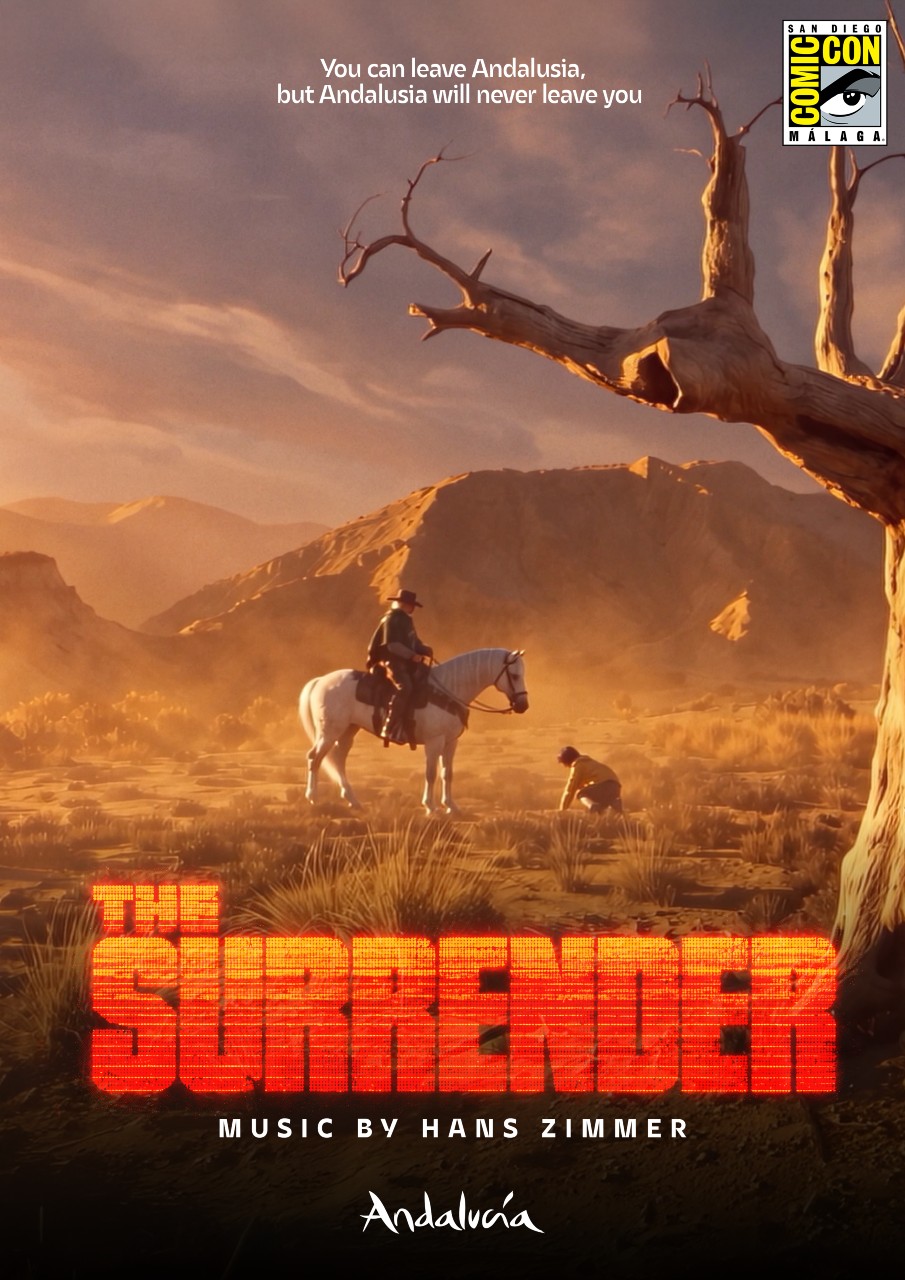
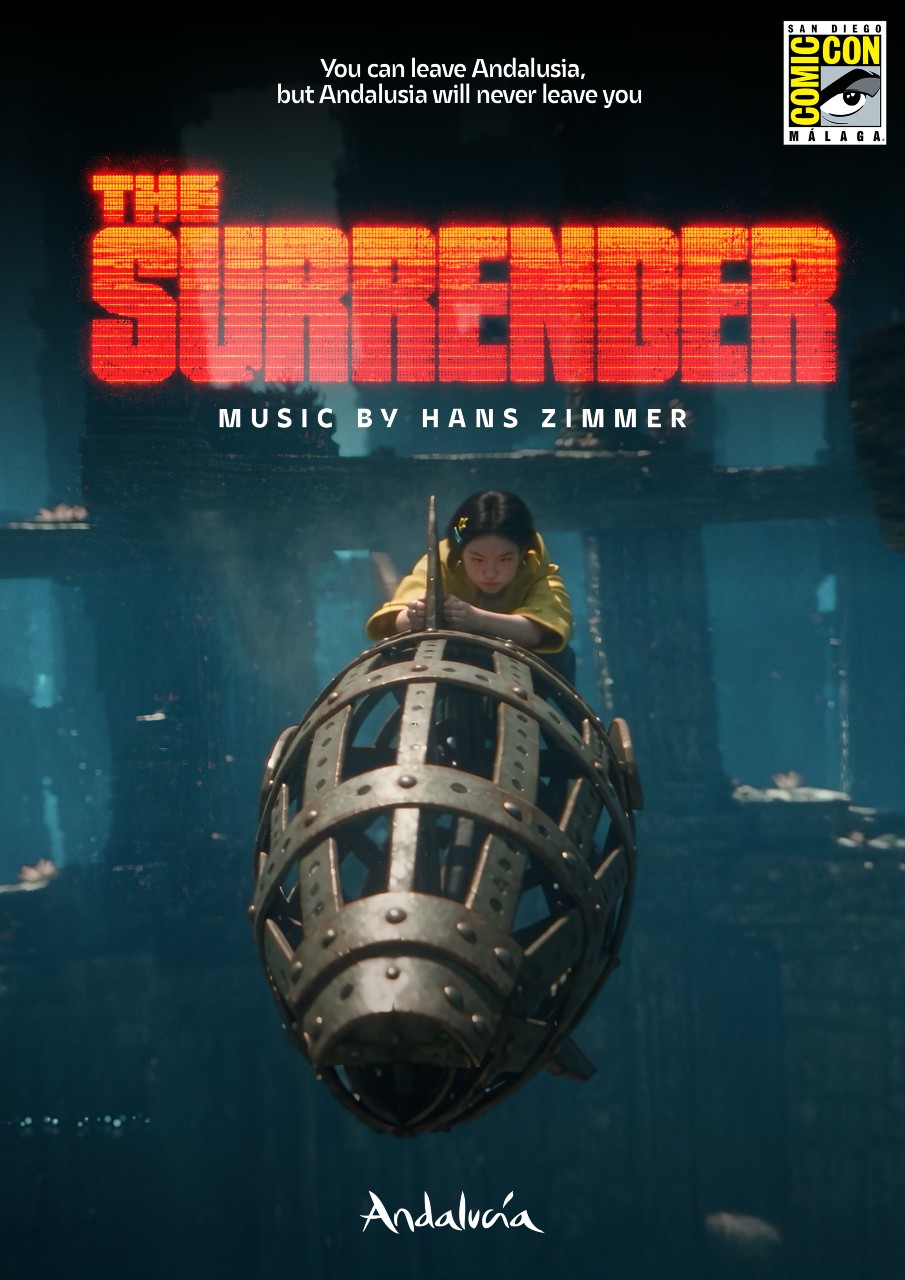
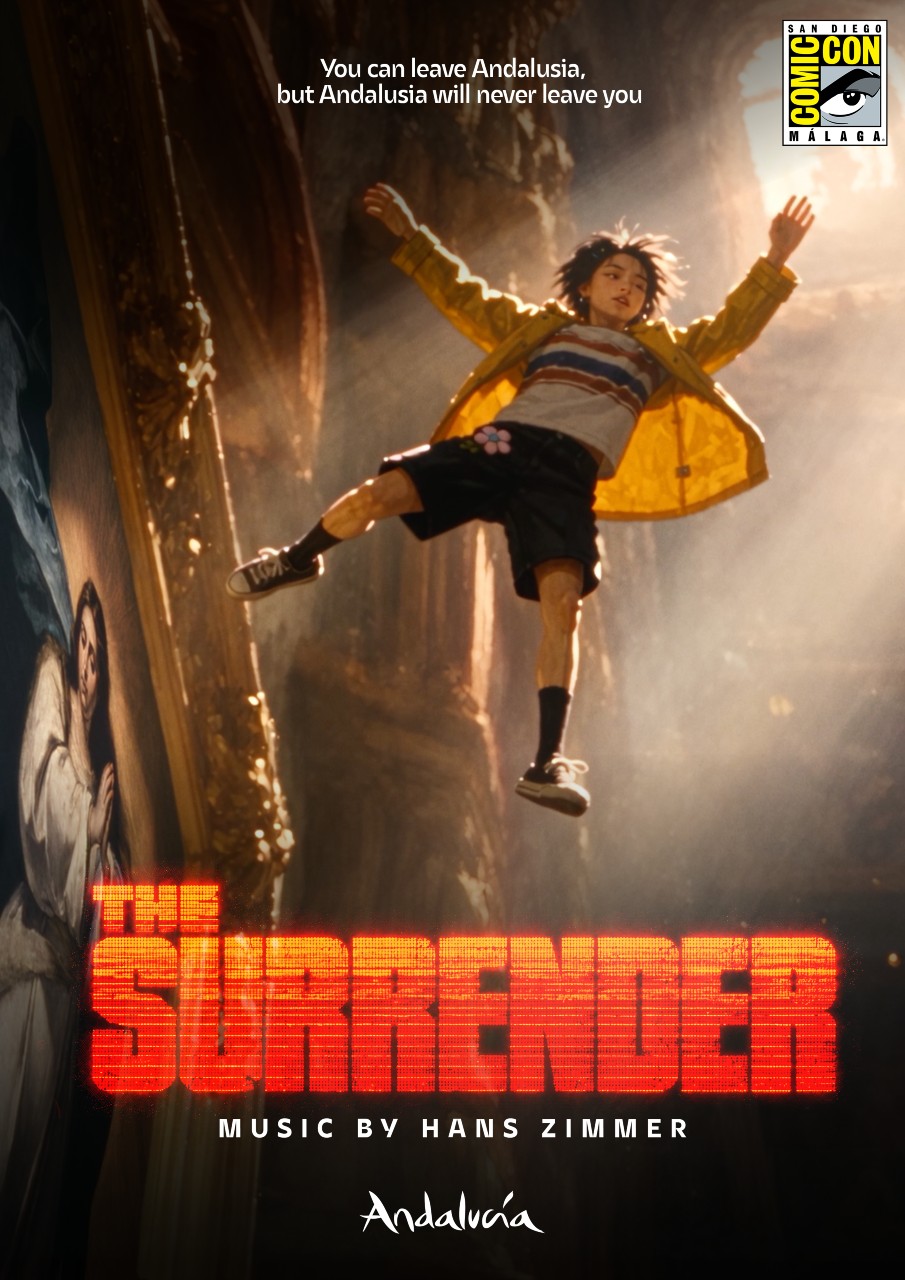
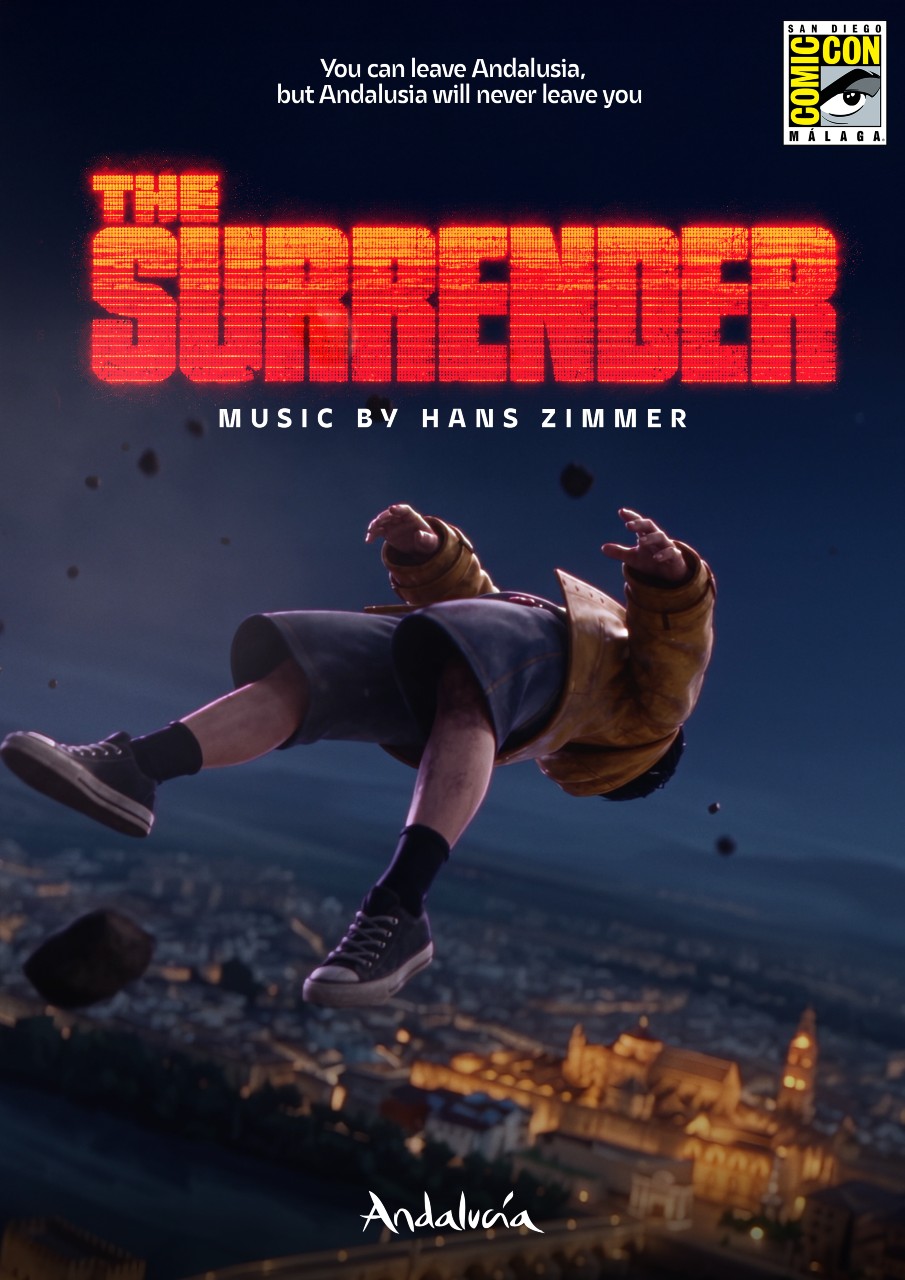
The connection with the previous “The Surrender” is also established through the music. Hans Zimmer has expanded the composition he created in 2024 for the short film, now developing it as a symphonic piece that accompanies Mitsuki’s entire journey. The soundtrack thus functions as one of the elements that holds the new work together with the previous universe, despite the aesthetic and narrative leap towards video games and animation.
“The amount of talent that has come together to carry this out has been amazing. It is as if Messi and Zidane, each in their best moment, were playing on the same team”explain Miguel Provencio and Víctor Vázquez, Creative Directors of Ogilvy. According to them, one of the main challenges was precisely managing the number of ideas and proposals developed during the process.
The production is carried out in Rome, and the team has included digital artists, illustrators, 3D animation designers and professionals specialized in the different techniques used.
“This project leaves us with a bittersweet taste”explain Juan P. Moreno and Javier Senovilla, Executive Creative Directors of Ogilvy. On the one hand, they point out, it means saying goodbye to a platform that they saw born and that they would have liked to continue developing. On the other hand, they highlight the freedom and creative ambition with which they have been able to work during this period.
The choice of Comic-Con to present the last chapter is consistent with this change in language. If the first installments fundamentally used cinematographic codes to elevate the Andalusian heritage, the closing takes that same universe into a territory where cinema, anime, video games and pop culture come together.
In addition, Havas Media Network Spain will manage the international tourism promotion strategy of Andalusia from now on, after being awarded the public tender called by the Public Company for the Management of Tourism and Sports of Andalusia. From its office in Madrid and with the support of the Proximia teams in Malaga and Seville, the company will be responsible for the planning, purchasing, execution and optimization of advertising campaigns aimed at priority international markets, with the aim of reinforcing the positioning of Andalusia as a tourist destination.