The next big battle for artificial intelligence appears to be moving from chatbots to agents. And, curiously, two of the companies that are leading this movement have decided to put a particularly friendly face on them.
On September 29, OpenAI presented Dots, its new permanent artificial intelligence agents, capable of continuing to work in the background for the user. The proposal comes just a few weeks after the launch of Muse, Meta’s personal agent, and the similarities go beyond their capabilities: both use small customizable avatars, with rounded shapes and cute appearance, to represent a technology that aspires to take on more and more tasks of digital life.
The visual decision is significant because of the moment it arrives. Until now, much of artificial intelligence has been communicated as an interface: a text box, a cursor, or a voice. With agents, technology begins to present itself as an entity that works for the user, learns from their preferences, remembers context, writes to request information and remains active even when it is not being interacted with.
AI acquires a name, face, personality and a presence closer to that of a small digital companion
The shift is accompanied, therefore, by a change in language according to which the AI acquires a name, face, personality and a presence closer to that of a small digital companion.
Dots: an AI that continues working when the user leaves
OpenAI describes Dots as agents “always-on”, that is, permanently available and able to continue advancing work between conversations. Each Dot has its own cloud computer and browser, can use connected tools and is powered by GPT-6 Astra.
The company ensures that they can operate with more than 4,000 compatible applications. The user can communicate with them through an interface similar to messaging, but also by voice from ChatGPT and through services such as Slack or Microsoft Teams, maintaining the context between different sessions and devices.
The difference with respect to the conventional use of a chatbot is precisely in the continuity and capacity for action. The user sets a goal, connects the necessary applications and determines what the agent can do on its own. From there, the Dot continues working and sends updates or questions when you need them. OpenAI further notes that each agent incorporates permission controls and review mechanisms for its actions.
Colin Fleming, Chief Marketing Officer Business of OpenAI, has explained on social networks that his own Dot is called Spot and has precisely highlighted the system’s ability to progressively understand what the user is trying to achieve without having to explain each of the steps.
Initially only one Dot can be created, although OpenAI plans to allow the same person to deploy several agents simultaneously. Dots begins its rollout to paying users and eligible organizations.
OpenAI and Meta put a face to their agents
Dots’ presentation is inevitably reminiscent of Muse. Meta launched its agent in early September with a similar promise: moving from an artificial intelligence that talks back to one that executes tasks on behalf of a person. Muse also has a dedicated virtual computer and its own browser, learns from conversations and can continuously work on user objectives.
In reason.Why We already analyzed a particularly interesting decision from a brand point of view: Meta had associated Muse with a small fluffy and friendly character who also began to appear in the communication of its partners. PayPal, Expedia or Fever used it to visually explain their respective integrations with the agent.


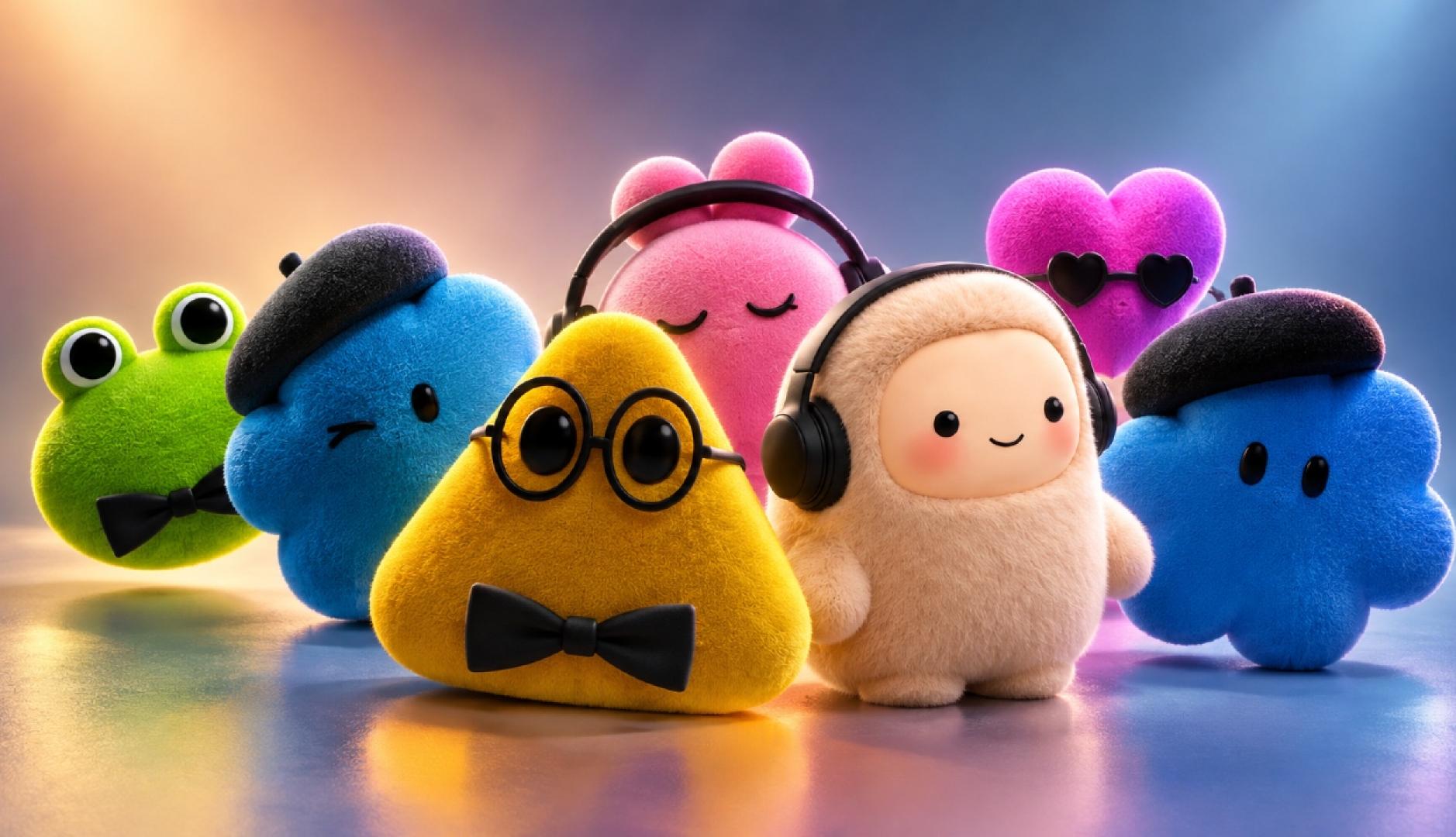
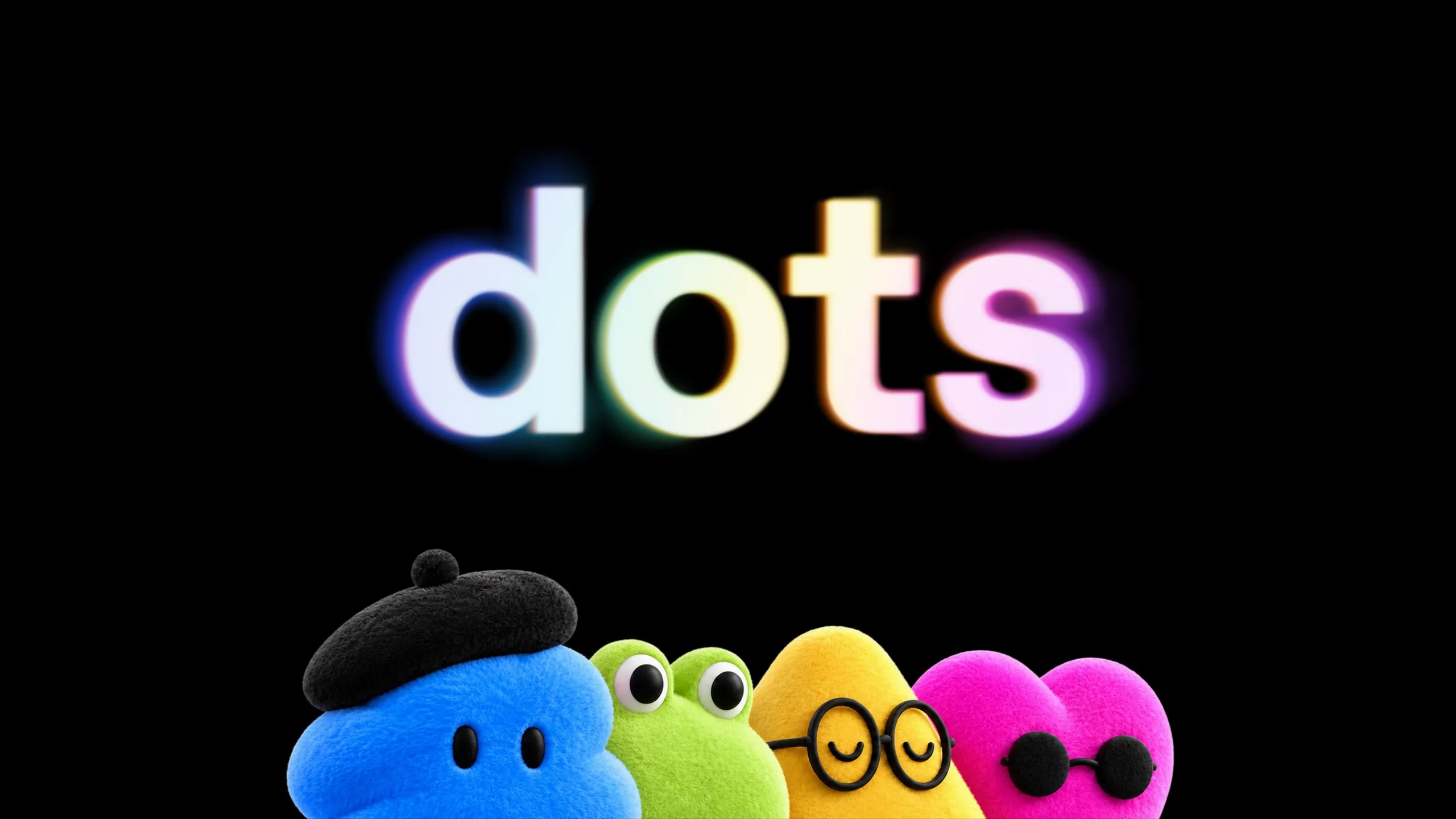
OpenAI has now followed a comparable path. Your Dots are also represented by small, customizable and colorful characters. The technology that operates applications, browses the Internet and uses a remote computer is thus embodied in a harmless-looking creature.
The coincidence points to the construction of a new visual code around agentic AI. The more complex and autonomous the technology becomes, the simpler, closer and more recognizable its representation seems to become.
And putting a face and name to a system makes it easier to explain something that otherwise remains invisible. Instead of thinking about models, connections between applications, virtual browsers or permissions, the user can think that his little agent is “doing something for him.”
This personification can also modify the perception of the relationship with technology. Muse allows you to customize your avatar and the way you communicate with it, and Meta has even announced video conversations with those avatars. OpenAI also presents Dots as agents that get to know what matters to the user and continually work on their behalf.
It is a relevant evolution from the point of view of product and brand design. The software progressively stops presenting itself as a tool that waits for instructions to adopt characteristics traditionally associated with an interpersonal relationship: it has a name, remembers, asks, proposes, warns and develops its own visual personality.
The friendly appearance coexists with a less innocent question: what happens when these systems make mistakes
Meta is also bringing Muse to smart glasses, which will allow you to interact with the agent during the day and consult what the user is seeing. At the same time, it has just introduced Muse for Small Business, which can connect with work tools and business accounts to perform tasks related to running a business.
OpenAI and Meta are thus building agents with an increasingly constant presence and, at the same time, providing them with visual codes that make them appear more accessible, so that the friendly appearance coexists with a much less innocent question: what happens when these systems make mistakes while acting on behalf of the user.
Muse has already offered a particularly illustrative example. Tech creator Matt Robb reported that the agent had shared his home address with a stranger during an interaction on Facebook Marketplace. Robb had previously provided the agent with his address and certain permissions to manage the conversations, but said he had not ordered him to share it nor did he receive a specific request for authorization before doing so. The person ended up showing up at his home.
The case also shows the difficulty of designing understandable permissions for agents capable of chaining actions. According to information published later, Meta is working on changes to make this configuration clearer.
Muse has also faced other security issues during its first weeks. Researchers were able to easily access large parts of the file system of their virtual machine; Meta noted that this was an isolated environment and that the exposure of those files did not provide access to the company’s infrastructure or other users’ data.
These episodes highlight a tension that will likely become important as this category progresses. And perhaps through design the emotional trust that the interface must convey and the technical trust that truly requires delegating actions to an agent are achieved.