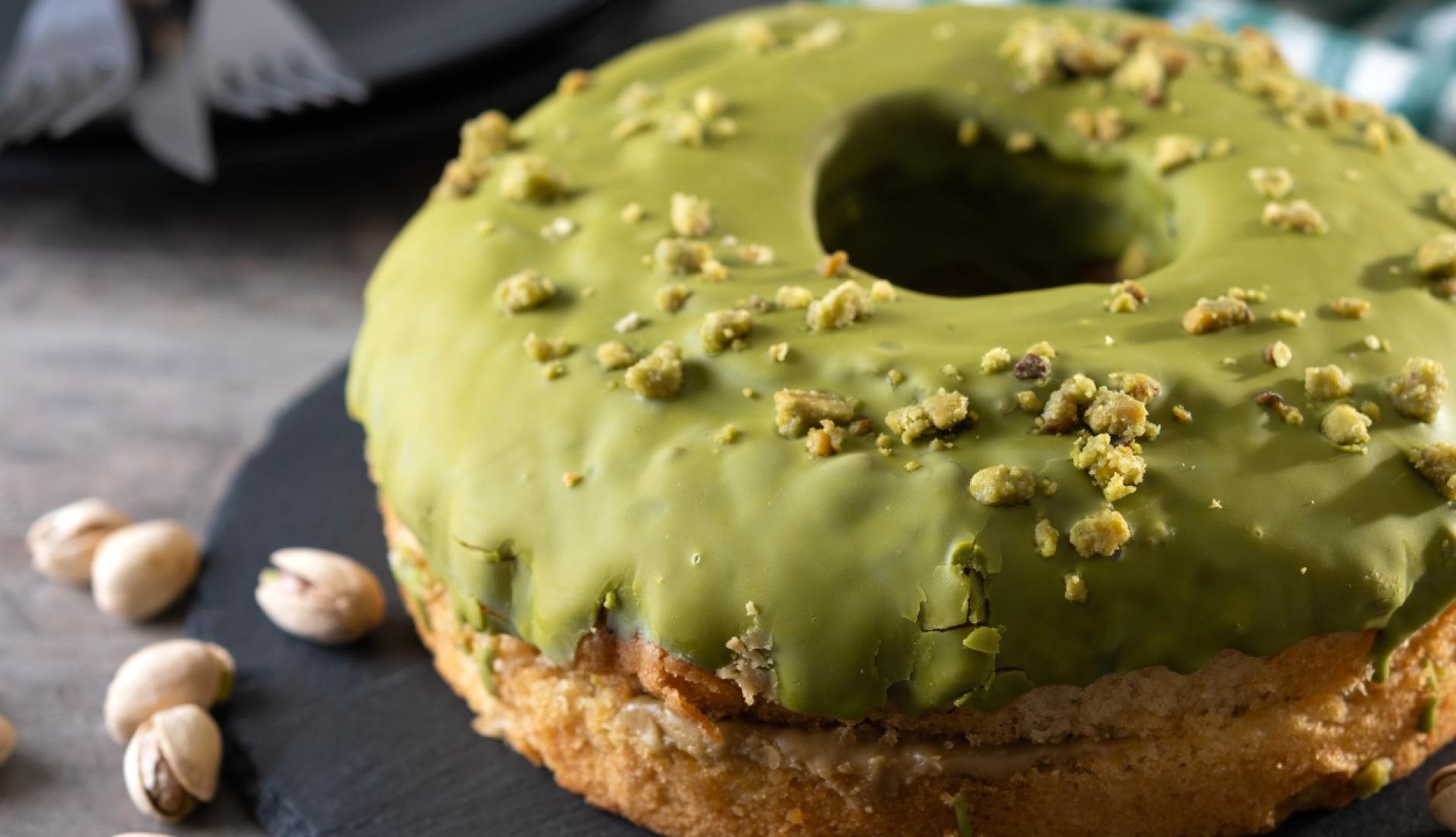
Pistachio has been appearing in more and more products for a few years, but its journey could be far from exhausted. The flavor grew by 55% in consumption occasions during 2025 compared to the previous year, according to Worldpanel by Numerator, which considers that its evolution responds to an expansion pattern capable of anticipating what its next territories may be.
The dried fruit has been progressively abandoning its category of origin to appear in chocolates, creams, ice creams, pastries, cookies and even sausages. And the consultant considers that the next step can take it towards less obvious spaces: potatoes and salty snacks, functional drinks, sauces and condiments and cosmetics and personal care.
Functional pistachio drinks have a 41% chance of success
The category with the greatest short-term possibilities is potatoes and salty snacks. Worldpanel calculates a 56% probability of success over a horizon of between six and twelve months. The forecast is based on the fact that there is already some validation among consumers, in its fit with occasions linked to indulgence and in the precedents of other nuts, such as almonds.
Functional drinks appear next, with a 41% probability in a period of between twelve and eighteen months. This could include proposals such as pistachio water or different vegetable drinks.
Sauces and condiments present a 34% probability between 18 and 24 months. It is a territory in which there is already precedent, especially in Italian products with premium positioning such as pistachio pesto.
The furthest jump would be out of the feed. Worldpanel gives a 22% probability to cosmetics and personal care over a horizon of between 24 and 36 months. Pistachio oil is already present in some formulations sold in specialized channels, but it has yet to reach mass distribution.
From Dubai chocolate to an increasingly transversal flavor
The acceleration detected by Worldpanel coincides with the enormous international visibility that the pistachio has acquired in recent years. One of its main catalysts has been the so-called Dubai chocolate, which combines chocolate with a pistachio and tahini cream and crunchy kataifi paste.
The original creation of FIX Dessert Chocolatier was born in Dubai in 2021, but its international expansion came especially after it began to go viral on TikTok. The phenomenon prompted a multitude of reinterpretations by manufacturers, bakeries and distributors and helped spread the pistachio to new formats.
The impact even reached the supply. In 2025, the increase in demand associated with the Dubai chocolate phenomenon, together with lower availability from the United States, caused tensions in the international market. FoodNavigator then recorded a price increase from 7.65 to 10.30 dollars per pound and a 40% increase in Iranian exports to the United Arab Emirates during the six months prior to March of that year.
But interest has gone far beyond chocolate. Pistachio has appeared in croissants, coffees, ice creams, cakes, cookies and other sweet proposals, while at the same time it has reinforced its presence in savory applications. This ability to function in different formats is precisely one of the characteristics that helps explain why the trend has transcended the viral product that accelerated its popularity.
And there is another component that has favored its journey: its association with indulgence and a certain premium character. Specialists in the food sector have pointed out that the ingredient combines flavor, recognizable color and a perception of “affordable luxury”, characteristics that facilitate its use by brands and establishments to elevate everyday products.
The pistachio shows how an attribute can open up new consumption needs
For Worldpanel, the interest of the case goes beyond determining how far the pistachio can go. The consulting firm uses it to explain a different way of detecting innovation in mass consumption, following the path of certain attributes between categories. “The growth of the pistachio is the reflection of how an attribute connects with new occasions, moments and needs. And innovations are no longer born in a category, but in an attribute”explains Enrique Rodríguez, Shopper & Catman Director of Worldpanel by Numerator.
The approach consists of analyzing the signals that a trend leaves before becoming widespread: where it arises, at what speed it spreads and which categories adopt it first. Worldpanel works with four years of data to establish horizons that allow it to anticipate movements between three and 24 months and detect possible opportunities before a trend reaches a certain category.
The pistachio serves as an example of that journey. Since 2023, it has been conquering new spaces on the shelves, going from being consumed as a nut to being incorporated as a flavor or recognizable ingredient in products from very different categories.
The phenomenon also shows the extent to which social networks can accelerate these processes. In the case of Dubai chocolate, specialized analysts detected the trend in restaurants and networks before it reached supermarkets en masse; Once a trend reaches the shelf, it can take between twelve and eighteen months to develop in other spaces.
Matcha, lentils and zinc: the next attributes to watch
Worldpanel’s analysis already identifies three other candidates with the possibility of following an expansion path: matcha, lentils and zinc.
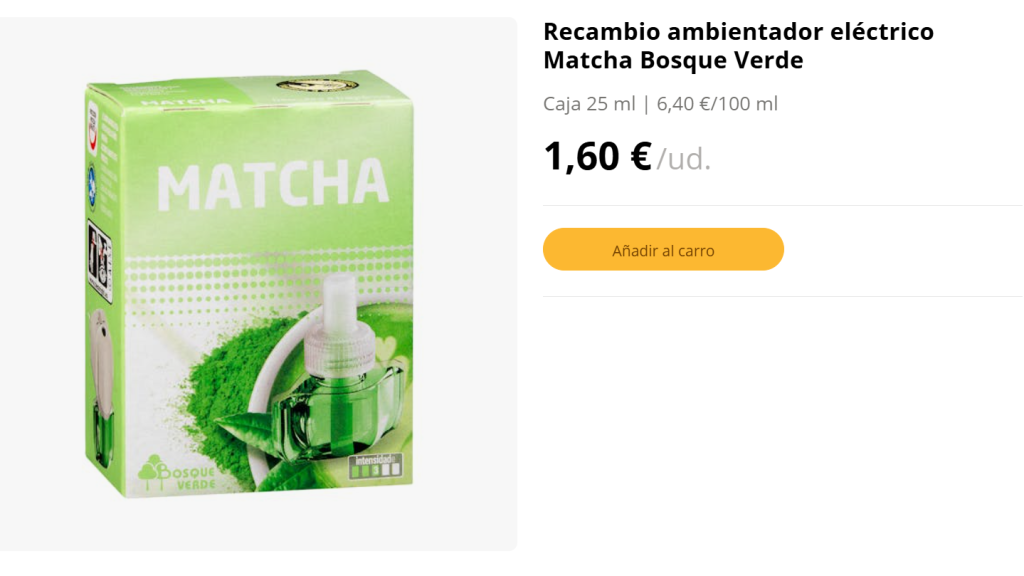
In the case of matcha, the signal is especially striking due to the type of category in which it already appears. According to the consultancy, the best-selling product in 2025 that incorporated matcha was an air freshener, an example of how an attribute originally associated with food and beverages can move into completely different territories.
Lentils could follow the opposite path within the diet itself. An economical protein traditionally associated with spoon dishes is beginning to find possibilities in formats such as cookies and cereal pancakes, adapting to new consumption occasions.
Zinc, for its part, does not yet function as a consumption category in itself, but Worldpanel detects possibilities for expansion as a functional attribute. It could gain presence in soft drinks, waters, yogurts and dental or hair care products.