There are those who say “mayonnaise” because they were born in France; Others say “mahonesa”, because they claim that it arose in the town of Mahón, in Menorca. The food brand Helios is in the second group, so much so that it has made the term the center of its most recent advertising campaign, worked together with the agency Innocean Spain, and with which it positions itself in favor of the Spanish origin of salsa and promotes a movement focused on authenticity and identity.
Helios has chosen to claim the Menorcan origin of the condiment with “We say Mahonesa”
The strategy has sought to turn Helios into “the world’s first mayonnaise.” To do this, it has taken as a reference insights about the lack of knowledge on the part of Spanish consumers about the popular condiment and the way in which the history of the recipe has been blurred. According to a study developed together with YouGov, 60% of Spaniards are unaware of the national origin of this sauce and only 1 in 4 relate “mayonnaise” to Mahón (Menorca).
However, it also provides relevant information, that knowing where food comes from matters a lot for the majority (84%). This is why Helios has chosen to claim the Menorcan origin of the condiment with “We say Mahonesa”, a multi-channel campaign that has included actions at different points in the marketing chain.
The vindication of mayonnaise
The plan started at the end of June, coinciding with the Sant Joan festivities, the island’s patron saint festival, and taking as a starting point the comments made on social networks by the Mallorcan content creator Miquel Montoro, in which he demanded that brands use the term “mayonnaise”, instead of “mayonnaise”, to highlight its Balearic origin.
Helios found in these statements an interesting opportunity to connect emotionally with consumers and reinforce its positioning by linking to local identity. Helios traveled to Mahón to congratulate its people and its culture, an experience that has been collected over the last few days in a miniseries on social networks under the format “5 days to be the first mayonnaise in the world.”
The content, a kind of real-time diary, has included interviews with the residents of Mahón, walks through the port and Sa Plaça to learn more about mayonnaise, and the search for the best recipe for the sauce. In this he has had, among other things, the collaboration of the Menorcan creator El Cromas and his grandmother.
Labeling modification
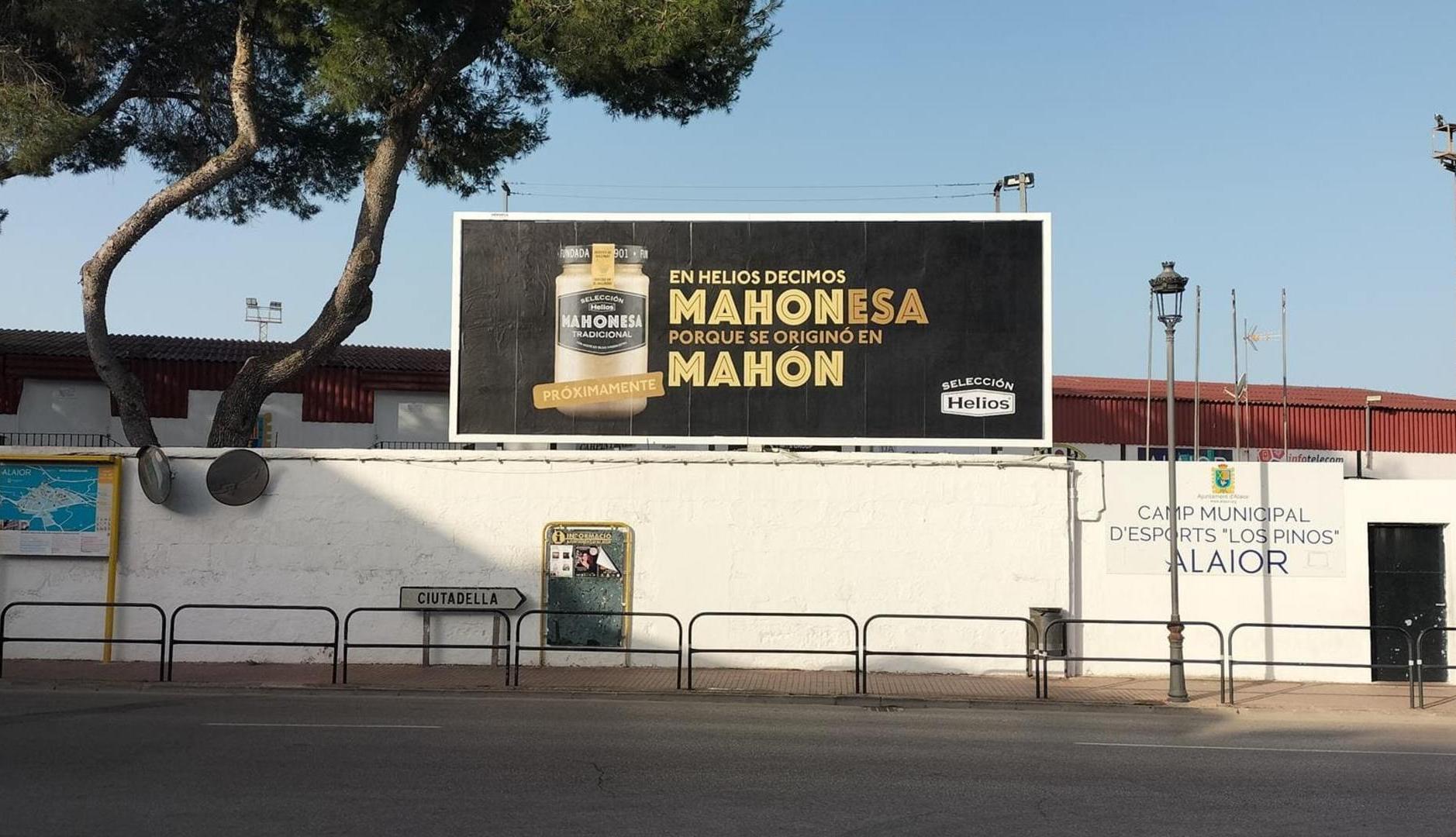
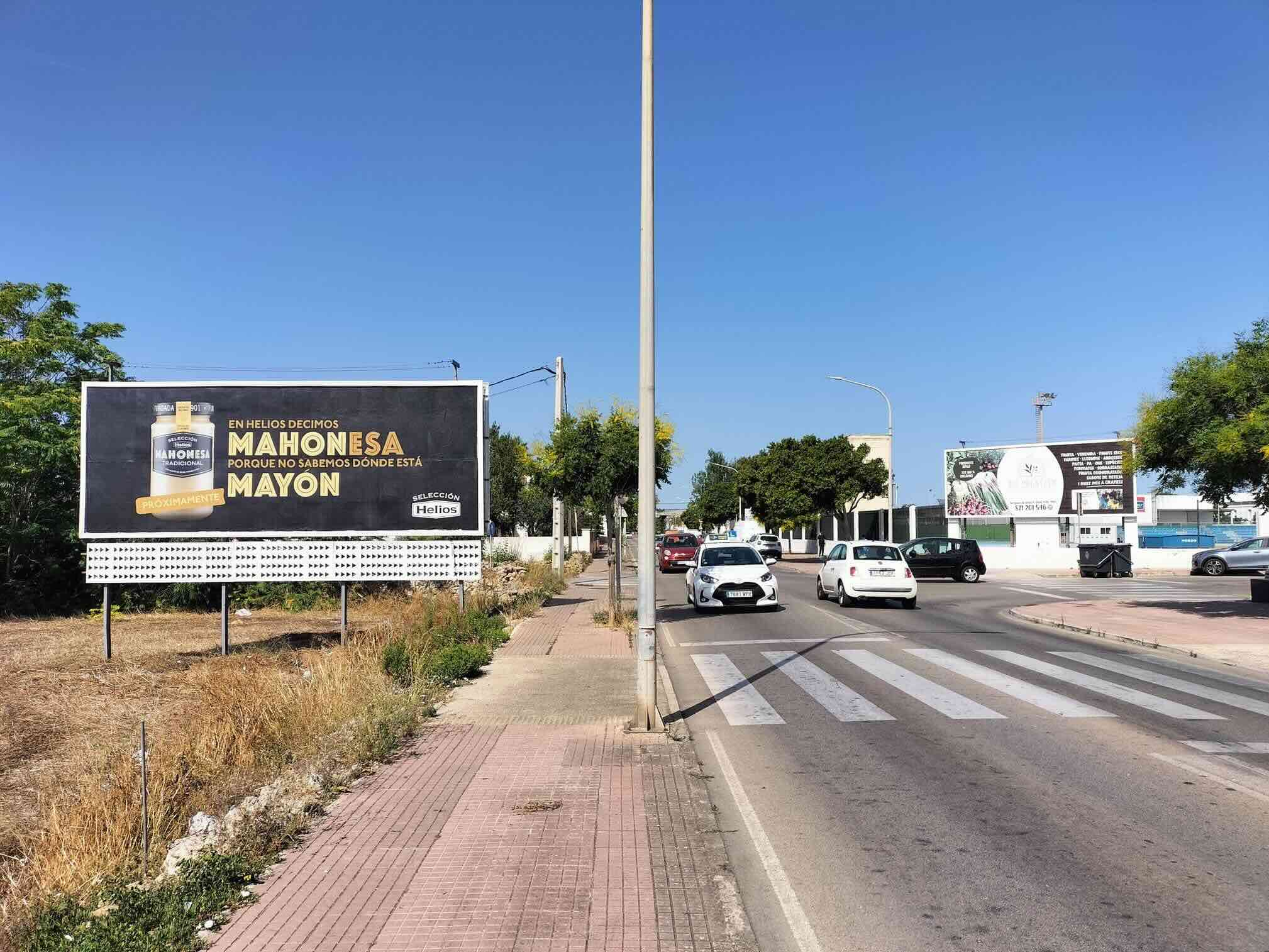
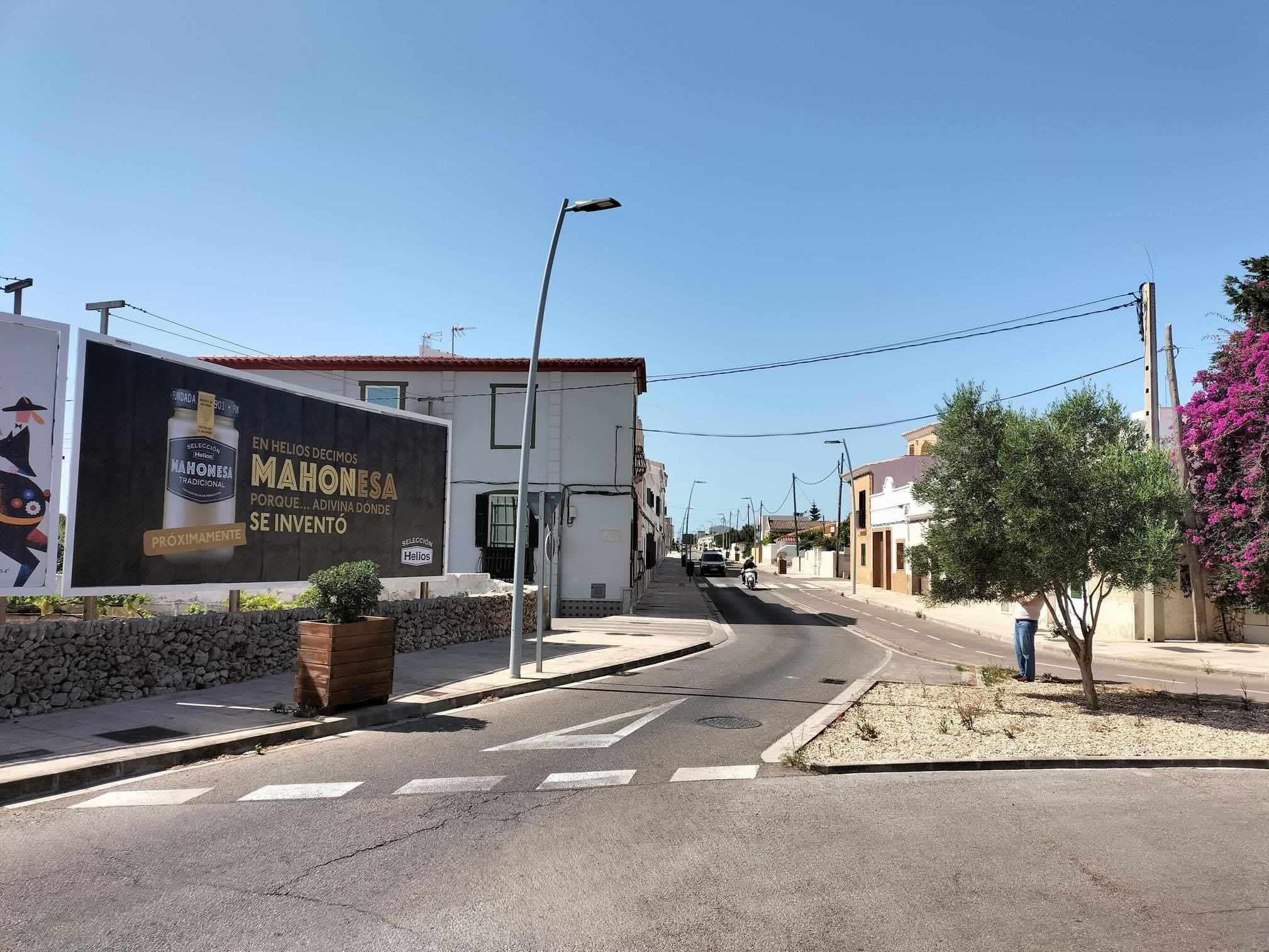
One of the strategic pillars of the campaign has been the modification of the labeling of the jars, changing the word “mayonnaise” to “mayonnaise”, in a commitment to authenticity and to place the root of the recipe at the center of its discourse. This was communicated, among other things, with a display of ten billboards that have been visible on the main road of the island, from Ciutadella to Mahón, conveying the message “We say mayonnaise, because it originated in Mahón.”
The action has been carried out together with the media agency T&P.
In addition, the brand also collaborated with the Menorca Diary to occupy its cover coinciding with the increase in circulation prior to the Sant Joan festivities. Miquel Montoro himself echoed the action.
The campaign has also included amplification on social networks and collaborations with influencers and content creators, many of them linked to the local area, with the help of the Tinkle agency.
The plan has also included a special unboxing of the new packaging, which has also been carried out with Miquel Montoro, closing the circle of a storytelling that has reinforced Helios in its commitment to local products, a territory that it has been exploring for some time under the “The flavor of origin” platform.
“We say Mahonesa” has expanded the brand narrative around identity and respect for tradition, and continues the line of initiatives previously developed. It is worth remembering that last year, Helios deployed the “Kétchup con accent” campaign, also together with Innocean Spain, with which it claimed the accent both as a linguistic gesture and in terms of product development, highlighting the origin of the tomatoes with which the sauce is made.