With the intention of protecting the exclusive rights of its official sponsors, FIFA has forced non-sponsoring brands to hide their logos and identifying elements during the World Cup. This has led, among other things, to the temporary suspension of naming rights and the change of stadium names. For example, Gillette Stadium has been renamed Boston Stadium and Mercedes-Benz has been renamed Atlanta Stadium. The same has happened to Levi’s whose stadium, in Santa Clara, California, has been renamed San Francisco Bay Area Stadium. However, the brand has turned the condition into a marketing and communication opportunity.
The fashion brand’s logo, called “Batwing” for its resemblance to bat wings, is now covered with white tarps to make it difficult to identify, but Levi’s is capitalizing on the situation in an intelligent and ingenious way to gain notoriety and visibility. Among other things, he has published several videos on social networks with images of his hidden emblem, highlighting the absurdity of FIFA’s policy; and has also modified its profile image on social networks, transferring to the digital environment the physical presence that it is now obliged to take in the stadium.
However, Levi’s has decided to go one step further and take its new identity imposed by the World Cup beyond the competition and giving rise to a global conversation with consumers that transcends the limits of the football context. Thus, it has taken the image of its logo covered with white tarps, which despite the circumstances remains easily recognizable due to its particular silhouette, to some of its physical stores around the world.
“Come visit, if you can find us” (Come visit us, if you find us) is the invitation that Levi’s has launched on its social networks along with a piece in which it shows its logo, with the same aesthetics that it presents these days in the stadium, in points of sale in Paris, London, Mexico or Hong Kong.
The gesture has been applauded and praised by the consumers themselves, who assure that it is the “best marketing of the World Cup” and that they are attentive to all the steps that the brand is taking as part of this strategy, as if it were an entertainment saga.
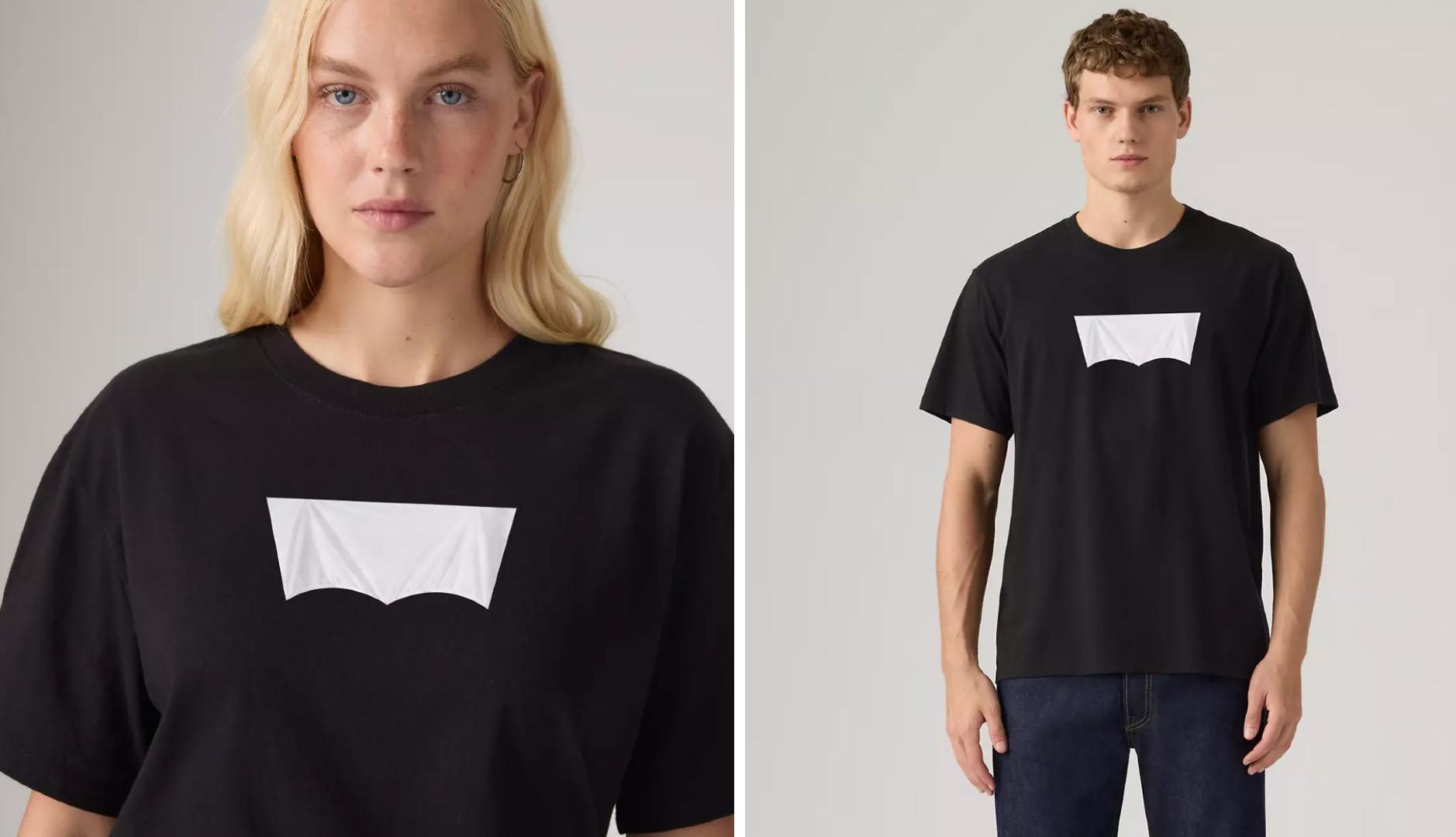
Furthermore, the strategy developed by the brand around it could have turned out to be a significant disadvantage. It is also generating commercial ramifications. And Levi’s has launched a limited edition t-shirt that features its logo covered by the same wrinkled canvas that it now sports at the Levi’s Stadium during the World Cup. Following the ironic humor of the entire strategy, he has called the article “Nobody’s Gonna Know Logo Tee”, which alludes to the locution with which he has accompanied the publications of recent days.
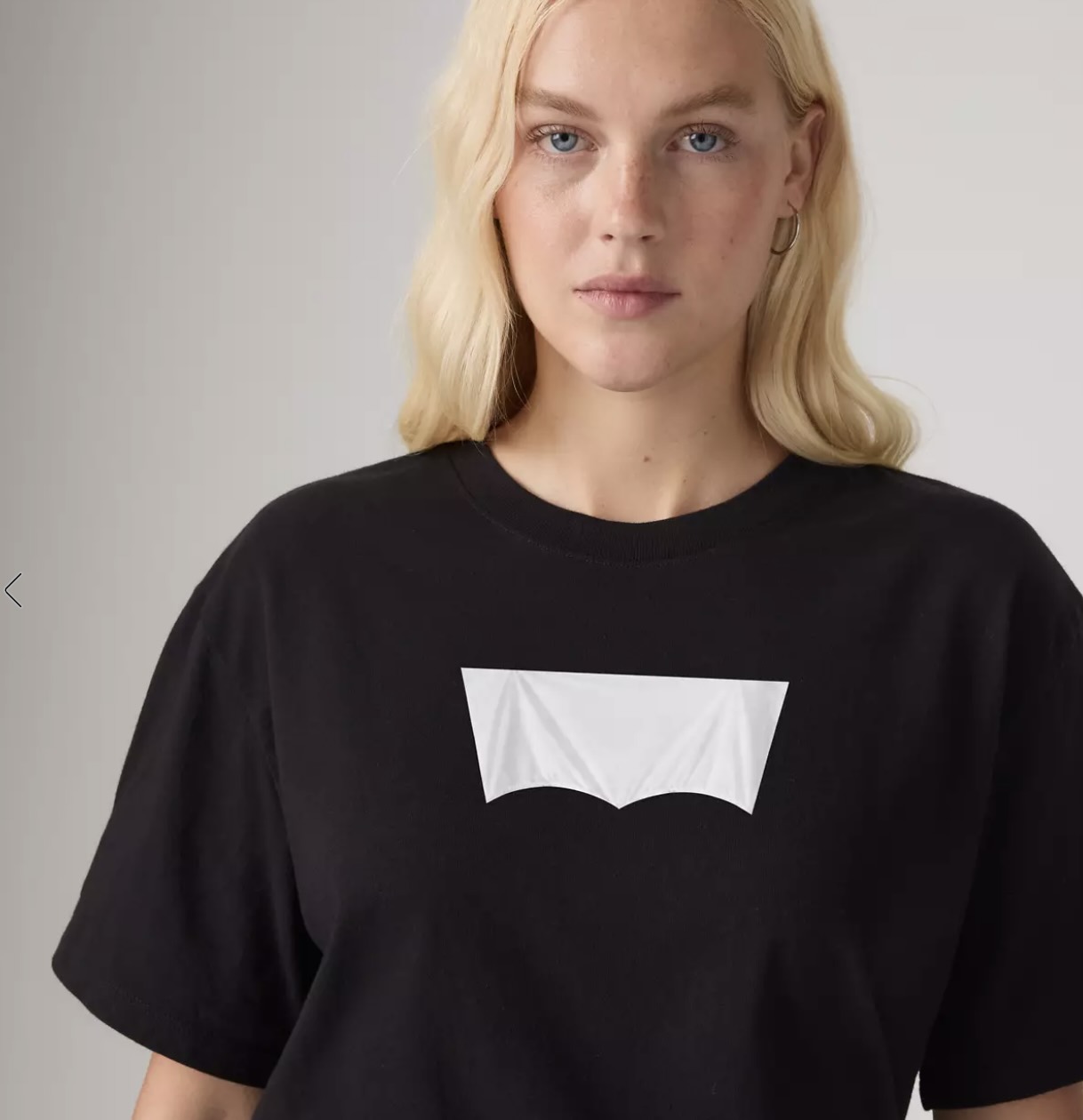
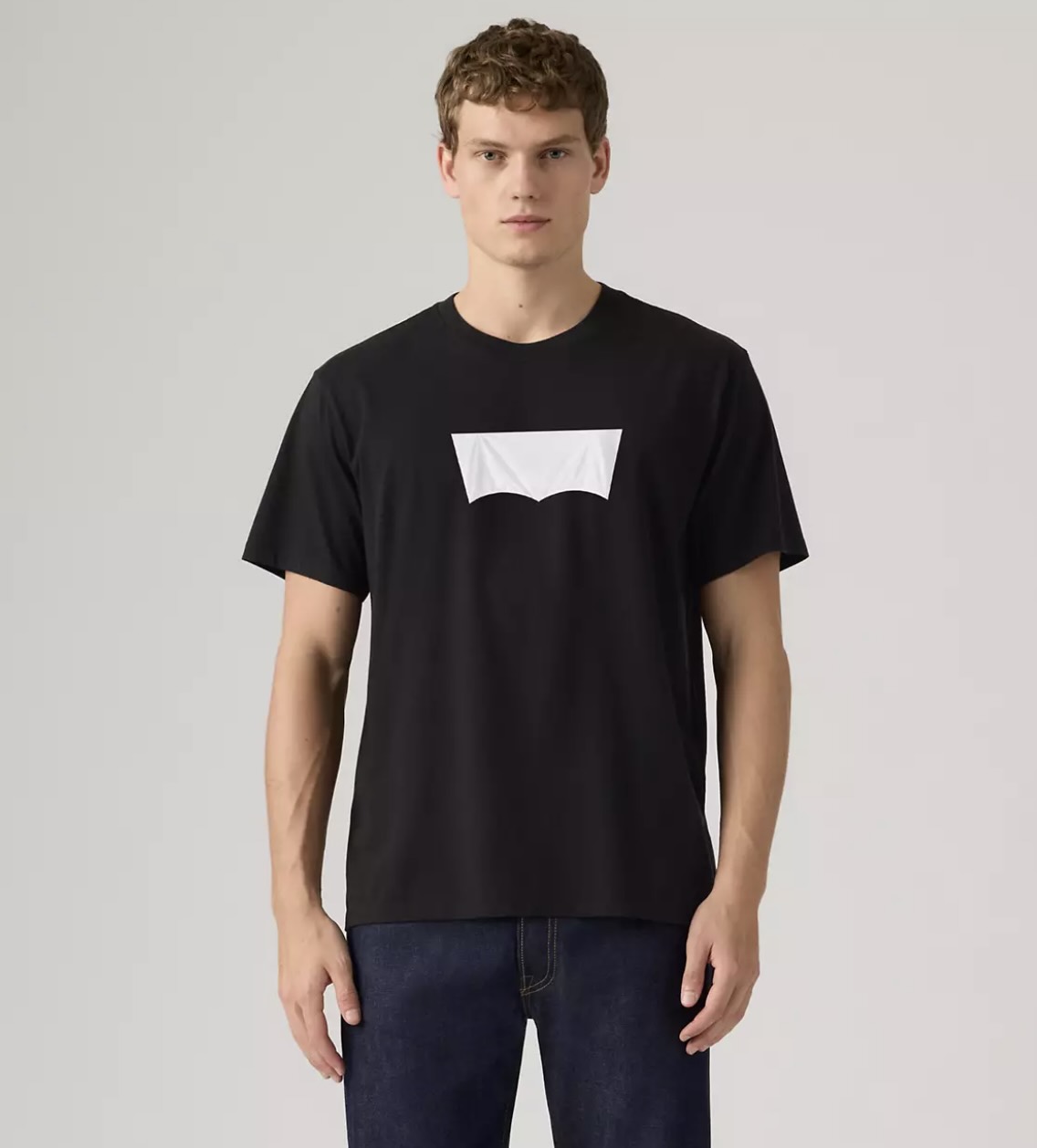
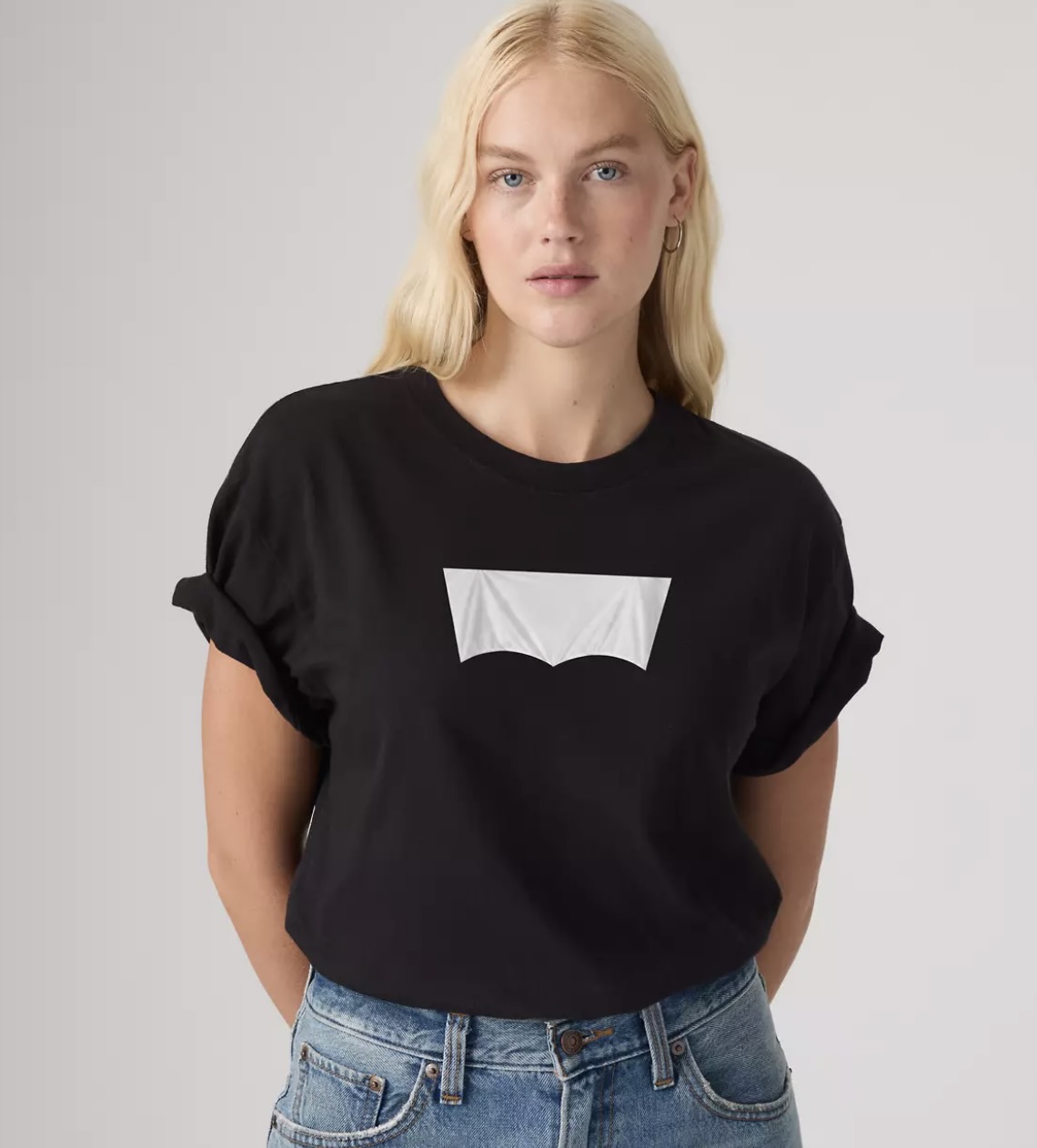
“If you know it, you know it. Inspired by our iconic brand’s recent update, the ‘Nobody’s Gonna Know’ logo t-shirt features soft cotton fabrication and a timeless relaxed fit.“, the brand commented regarding the style of the garment. “It turns out that less is more. Your favorite t-shirt, without the logo. A fun reinterpretation of one of our most recognizable iconsyes.”
As Levi’s has pointed out through its social networks, the launch responds precisely to the suggestions of users, who in comments to the publications made by the brand in relation to the hiding of the logo, pointed out the possibility of having the image as the protagonist of a dedicated line of clothing and accessories. The piece shows the company’s team working on the idea and making it a reality.
The t-shirt, launched on July 2, can be purchased through the Levi’s online store for $35.
For Kenneth Mitchell, Global Marketing Director at Levi Strauss & Co., the strategy is an example of the way the brand adapts and advances at the speed of culture. “Do you think no one will know? You’re going to find out… What started as a sponsorship restriction at Levi’s Stadium became the most commented and shared post in Levi’s history“, he recently commented via LinkedIn. “This speaks to the iconic status and uniqueness of the Levi’s Batwing, recognizable in any color, almost anywhere in the world. Strong brand iconography can transcend language and cut through visually in incredible ways.”.